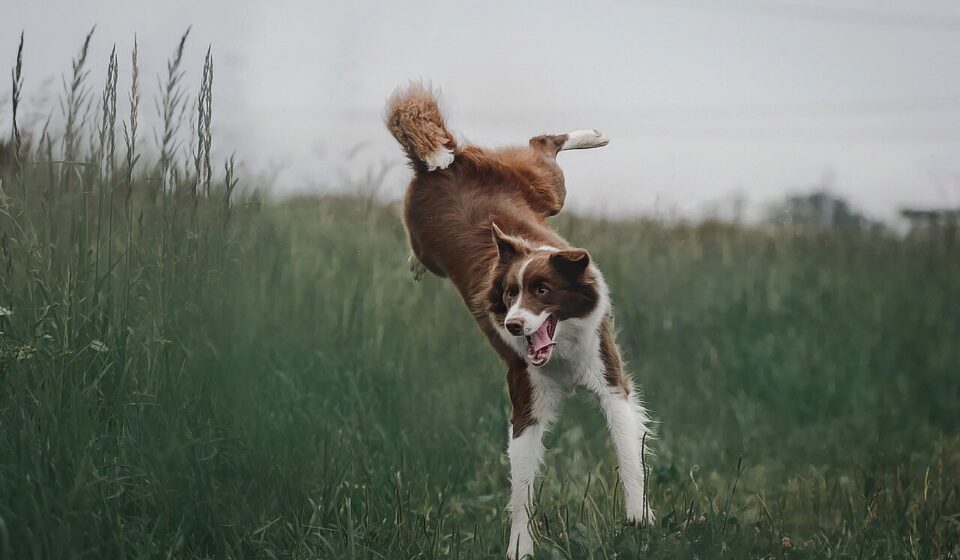
Understanding the Collie Family
When you picture a Collie, you might immediately think of the iconic, long-haired dog from Lassie. However, the Collie ‘family’ is far more diverse than this single image suggests. As of June 2026, there are several distinct breeds and variations that fall under the Collie umbrella, each with its own history, temperament, and suitability for different households. Delving into the types of Collies reveals a fascinating array of intelligent, loyal, and active dogs that have served humanity in various capacities.
Last updated: June 11, 2026
A common question for prospective dog owners is which Collie breed best fits their lifestyle. While all Collies share a heritage rooted in herding and guarding, their specific traits can vary significantly, influencing everything from exercise needs to training approaches. This article aims to shed light on the most prominent Collie breeds, offering practical insights to help you Handle their differences.
Key Takeaways
- The Collie group encompasses several distinct breeds, most notably the Rough Collie, Smooth Collie, and Border Collie, each with unique characteristics.
- Rough and Smooth Collies are known for their elegance, loyalty, and suitability as family companions, though they require regular grooming.
- Border Collies are exceptionally intelligent and energetic, excelling in dog sports and needing significant mental and physical stimulation.
- Lesser-known but equally fascinating types include the Australian Shepherd (often grouped with Collies due to herding heritage) and various European herding breeds.
- Understanding the specific needs of each Collie type is crucial for responsible ownership, from exercise and training to socialization and health.
The Rough Collie: The Classic Beauty
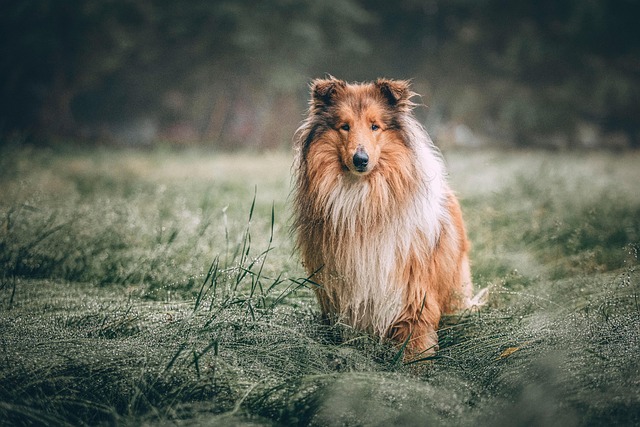
The Rough Collie, often depicted as Lassie, is perhaps the most universally recognised Collie breed. Originating from Scotland and Northern England, these dogs were bred for herding sheep. Their most striking feature is their abundant, long double coat, which requires significant grooming to prevent matting and keep them comfortable, especially in warmer climates. Despite their sometimes imposing appearance, Rough Collies are known for their gentle, devoted, and intelligent nature.
In real terms, a Rough Collie’s temperament makes them excellent family pets. They are typically good with children and form strong bonds with their families. However, their herding instinct can sometimes manifest as a tendency to ‘herd’ children or other pets, which can be managed with early training and socialization. Their intelligence means they respond well to positive reinforcement training methods.
The Smooth Collie: The Sleeker Cousin
Often overshadowed by their long-haired counterparts, the Smooth Collie shares the same ancestry and fundamental characteristics as the Rough Collie. The primary difference lies in their coat – the Smooth Collie has a shorter, denser, flat-lying coat that requires much less intensive grooming. This makes them a more practical choice for owners who may not have the time for daily brushing but still desire the Collie temperament.
Smooth Collies are just as intelligent, loyal, and playful as Rough Collies. They possess the same keen herding instincts and can be equally adept at dog sports or simply being a loving family companion. Their lower grooming needs are a significant advantage, but they still require regular exercise to keep their minds and bodies engaged. A common mistake is assuming they are less active than Rough Collies; both need plenty of stimulation.
The Border Collie: The Ultimate Working Dog
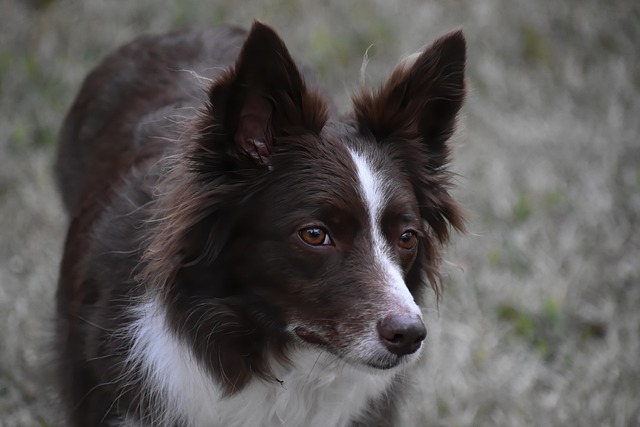
The Border Collie, originating from the border region between Scotland and England, is renowned for its extraordinary intelligence, agility, and drive. Bred specifically for herding sheep, they are considered by many to be the most intelligent dog breed. This intelligence translates into an incredible capacity for learning and problem-solving, making them excel in disciplines like agility, obedience, and fly ball.
However, this high level of intelligence and energy comes with specific demands. Border Collies are not suited for sedentary lifestyles or novice owners who can’t provide consistent mental and physical challenges. Without adequate stimulation, they can become bored, anxious, and develop destructive behaviours. A typical Border Collie needs several hours of intense activity and mental engagement daily. For example, a Border Collie might thrive with a daily routine that includes a long run, an agility training session, and a puzzle toy.
Exploring Other Collie-Type Breeds
While the Rough, Smooth, and Border Collies are the most famous, the ‘Collie’ or ‘shepherd’ type encompasses a broader range of dogs with similar herding abilities and intelligence. The Australian Shepherd, for instance, is often mistakenly grouped with Collies, though it originates from the US. They are intelligent, energetic, and possess a strong herding instinct, often with striking blue or merle coats.
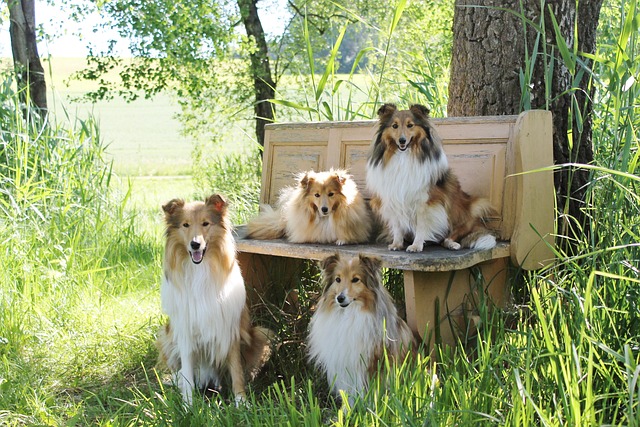
Other European herding breeds, like the Shetland Sheepdog (often called a ‘Sheltie’), are also sometimes considered within the broader Collie lineage due to their similar appearance and herding background, albeit on a smaller scale. Shelties are known for their intelligence, loyalty, and distinctive vocalizations. Understanding these related breeds highlights the diversity within the herding dog group.
Collie Temperament: Loyalty and Intelligence
Across the different Collie types, a few core temperament traits tend to remain consistent: loyalty, intelligence, and a generally gentle disposition. They are often described as sensitive dogs that respond best to kind, consistent training. Harsh methods can cause them to become fearful or anxious, which is a common mistake for owners unfamiliar with herding breeds.
Early and consistent socialization is paramount. Exposing young Collies to various people, environments, sounds, and other animals from an early age helps them grow into well-adjusted adults. This is particularly important for breeds like the Border Collie, whose intense focus can sometimes make them wary of unfamiliar situations if not properly acclimatized. For instance, a well-socialized Collie puppy attending puppy classes organised by organisations like the Kennel Club can develop confidence and good manners.
Grooming and Health: Essential Care for Collies
Grooming needs to vary considerably between Collie breeds. Rough Collies require daily brushing to manage their profuse double coat, paying close attention to areas prone to matting like behind the ears and the ‘frill’ around the neck. Smooth Collies need weekly brushing to remove loose hair. Regular nail trims, ear cleaning, and dental care are essential for all Collie types.
In terms of health, Collies are generally strong dogs, but they can be predisposed to certain genetic conditions. These include Collie Eye Anomaly (CEA), a group of inherited eye conditions that can affect vision, and Progressive Retinal Atrophy (PRA), another eye disease. Hip dysplasia and certain heart conditions are also observed in some lines. Responsible breeders will screen their dogs for these conditions. According to the American Kennel Club (AKC) 2025 breed statistics, CEA is prevalent in certain Collie lines, underscoring the importance of choosing a reputable breeder who performs health testing.
Training and Exercise: Meeting Their Demands
Collies are highly intelligent and eager to please, making them generally responsive to training. Positive reinforcement, using rewards like treats, praise, and play is the most effective approach. Consistency is key, especially with Border Collies, who thrive on structure and clear expectations. Their innate herding instinct means they can be trained for various tasks, from simple obedience to complex agility courses.
Exercise requirements differ based on the specific breed. While a Rough or Smooth Collie might be content with a good daily walk and some playtime in a secure garden, a Border Collie needs significantly more vigorous activity. This could include long runs, cycling alongside their owner, or extended sessions of play and training. Failing to meet a Border Collie’s exercise needs is a common mistake that leads to behavioural problems.
Collies as Family Pets
The suitability of a Collie as a family pet depends heavily on the specific breed and the family’s lifestyle. Rough and Smooth Collies, with their gentle and loyal nature, often make wonderful companions for families with children, provided they are well-socialized and their herding instincts are managed. They are known for their protective instincts but are not typically aggressive.
Border Collies, while incredibly intelligent and capable of forming deep bonds, require a more active and experienced owner. Their high energy and intense focus mean they are best suited to families who can dedicate substantial time to training, exercise, and mental stimulation, perhaps engaging in dog sports or extensive outdoor activities. A common misconception is that all Collies are low-energy lap dogs; this is far from the truth for breeds like the Border Collie.
Common Mistakes When Owning a Collie
One of the most frequent errors prospective owners make is underestimating the exercise and mental stimulation needs of certain Collie breeds, particularly the Border Collie. This leads to boredom, destructive behaviour, and frustration for both dog and owner. It’s essential to research thoroughly and ensure your lifestyle can accommodate the breed’s demands.
Another mistake is neglecting grooming for Rough Collies, leading to painful mats and skin issues. Similarly, assuming all Collies are naturally obedient without consistent training and socialization can lead to behavioural challenges. For instance, failing to socialise a Border Collie puppy adequately can result in a dog that’s overly fearful or reactive in new situations, impacting its ability to become a well-adjusted companion.
Choosing the Right Collie for You
When selecting a Collie, consider your living situation, activity level, and time commitment. If you have a family with children and prefer a devoted, elegant companion with moderate exercise needs and are prepared for grooming, a Rough or Smooth Collie might be ideal. For those seeking a highly intelligent, energetic partner for dog sports or an extremely active lifestyle, the Border Collie is a remarkable choice, but only if you can meet its demanding requirements.
It’s also wise to connect with Collie breed clubs or rescue organisations. They can offer invaluable insights into the specific needs of different Collie types and help match you with a dog whose temperament and energy level align with your household. For example, a local Collie Club of America chapter could provide breeder referrals and rescue contacts.
Frequently Asked Questions
Are all Collie breeds good with children?
Rough and Smooth Collies are generally excellent with children due to their gentle and loyal nature. Border Collies can also be good with children, but their high energy and herding instincts require careful supervision and training to ensure interactions are safe and positive for everyone involved.
What is the difference in grooming requirements between Collies?
Rough Collies have a long, double coat requiring daily brushing to prevent matting. Smooth Collies have a shorter, denser coat needing weekly brushing. Both benefit from regular ear cleaning and dental care.
Which Collie breed is the most intelligent?
The Border Collie is widely considered the most intelligent dog breed, known for its exceptional problem-solving abilities and quick learning capacity, making it ideal for dog sports and complex training tasks.
Are Collies prone to many health problems?
While generally healthy, Collies can be predisposed to certain genetic conditions like Collie Eye Anomaly (CEA) and hip dysplasia. Responsible breeding practices and regular veterinary check-ups are crucial for monitoring their health.
How much exercise does a Border Collie need?
Border Collies are high-energy dogs and require several hours of vigorous exercise and mental stimulation daily. This can include long runs, agility training, or challenging puzzle toys to prevent boredom and behavioural issues.
Can a Collie adapt to apartment living?
A Rough or Smooth Collie might adapt to apartment living if provided with sufficient daily exercise and mental engagement. A Border Collie, however, typically requires more space and vigorous activity than most apartments can easily accommodate.
Information current as of June 2026; pricing and product details may change.
Editorial Note: This article was researched and written by the Pet Magazine editorial team. We fact-check our content and update it regularly. For questions or corrections, contact us. Knowing how to address types of collies early makes the rest of your plan easier to keep on track.
Related read: Can Dogs Have Broccoli Safely in 2026? A Full Guide
Related read: Great Pyrenees German Shepherd Mix: Your 2026 Guide to the
Related read: Top Paw Harness Options for Your Dog in 2026.