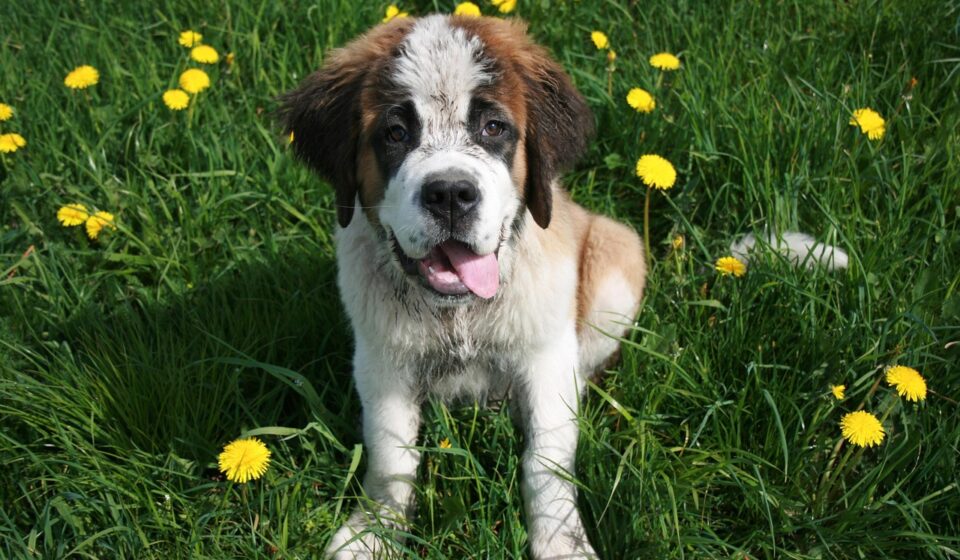
The Saint Bernard breed dog is a magnificent creature, instantly recognizable for its colossal size and famously placid disposition. Originating from the treacherous Great St Bernard Pass, these noble dogs have a rich history intertwined with human survival and companionship. If you’re considering welcoming one of these gentle giants into your home, understanding their unique needs and characteristics is paramount. As of May 2026, their enduring popularity speaks volumes about their appeal as devoted family members.
- Saint Bernards are giant dogs originating from the Swiss Alps, historically used for rescue work.
- They possess a remarkably gentle, patient, and affectionate temperament, making them excellent family companions.
- Their large size requires significant space, appropriate nutrition, and regular, though not excessive, exercise.
- Potential owners should be aware of common health concerns such as hip dysplasia and bloat.
- Early socialization and consistent, positive training are crucial for managing their imposing presence.
The Enduring Allure of the Saint Bernard Breed Dog
The Saint Bernard breed dog evokes images of snow-covered mountain passes and heroic rescues. These dogs were developed in the 17th century by monks at the Hospice of the Great St Bernard Pass, located on the border between Switzerland and Italy. Their primary role was to locate and rescue travelers lost or overcome by the harsh alpine conditions, a task they performed with remarkable success due to their stamina, keen sense of smell, and ability to navigate treacherous terrain.
Tales of their bravery cemented their legendary status and the iconic brandy kegs (though largely a romanticized embellishment) sometimes depicted around their necks. This historical legacy contributes significantly to the breed’s mystique and its appeal to those seeking a dog with a noble lineage and a heroic past.
Understanding Saint Bernard Temperament: More Than Just a Big Dog
Perhaps the most defining characteristic of the Saint Bernard breed dog is its temperament. Despite their intimidating size, they are renowned for being exceptionally gentle, patient, and affectionate. They often form deep bonds with their families and can be particularly good with children, exhibiting a natural protectiveness and a calm demeanour around them. This inherent patience is a significant factor in their popularity as family pets.
However, their placid nature doesn’t mean they lack intelligence or can be overlooked regarding training. Saint Bernards respond best to positive reinforcement and consistent guidance. Their desire to please their owners means that early socialization and obedience training are not just recommended, but essential to ensure they grow into well-behaved adults, comfortable in various social situations.
Physical Characteristics: Size, Coat, and Grooming Needs
The Saint Bernard is undeniably one of the largest dog breeds. Males typically stand between 28 to 30 inches (71 to 76 cm) at the shoulder and can weigh anywhere from 140 to 180 pounds (64 to 82 kg), while females are slightly smaller, usually 26 to 28 inches (66 to 71 cm) tall and weighing 120 to 140 pounds (54 to 64 kg). A dense complements their powerful build, short-haired or long-haired coat that comes in various shades of red and white, or white and red, often with darker shading on the ears and face.
Grooming a Saint Bernard requires commitment. Both coat types shed moderately year-round and heavily during seasonal changes. Regular brushing, ideally several times a week, is necessary to manage shedding and prevent matting, especially in the long-haired variety.
Daily ear cleaning, regular nail trims, and dental care are also vital components of their overall health and hygiene routine. Their large size means they can drool, so having cloths readily available is a practical necessity for owners.
Saint Bernard Health Considerations: What to Watch For
As with many giant breeds, Saint Bernards are prone to certain health issues. Understanding these potential problems can help owners be proactive with veterinary care. Hip and elbow dysplasia are common, affecting the development and function of their large joints. Dilated cardiomyopathy (DCM), a heart condition, can also occur.
Bloat, or Gastric Dilatation-Volvulus (GDV), is a life-threatening emergency that affects deep-chested breeds like the Saint Bernard. This occurs when the stomach fills with gas and can twist. Feeding smaller, more frequent meals, avoiding exercise immediately before or after eating, and considering a prophylactic gastropexy surgery can help mitigate this risk.
Responsible breeders will screen their dogs for common genetic conditions, and regular veterinary check-ups are crucial for early detection and management of any health concerns. As of 2026, veterinary advancements continue to improve outcomes for many of these conditions.
Caring for a Saint Bernard: Space, Exercise, and Nutrition
A Saint Bernard breed dog requires ample living space. While they are not excessively energetic indoors and often enjoy lounging, their sheer size means a small apartment can feel cramped. A home with a securely fenced yard is ideal, allowing them safe space to move and relax.
Exercise needs are moderate. Daily walks are important for maintaining their physical and mental health, but strenuous activity should be avoided, especially during their rapid growth phases, to protect developing joints. Over-exercising can exacerbate issues like hip dysplasia. Owners must also pay close attention to their diet.
High-quality food formulated for large breeds is essential to support their growth and maintain a healthy weight, preventing excessive strain on their joints. Overfeeding can lead to obesity, a significant health risk for giant breeds. Consulting with your veterinarian about the best feeding plan for your Saint Bernard’s life stage is highly recommended.
Training and Socialization: Essential for Gentle Giants
Early and consistent training is non-negotiable for a Saint Bernard breed dog. Their intelligence, coupled with their size, means that a well-trained Saint Bernard is a joy, while an untrained one can be a significant challenge. Positive reinforcement methods, focusing on rewards and praise, work best. They can be somewhat stubborn at times, so patience and consistency are key.
Socialization should begin as soon as you bring your puppy home. Exposing them to a variety of people, places, sounds, and other animals in a controlled and positive manner helps them develop into confident, well-adjusted adults. This is crucial for preventing fear-based aggression or excessive timidity, ensuring they can navigate social situations with their characteristic calm demeanour. Enrolling in puppy classes is an excellent way to facilitate this, alongside structured training sessions.
Saint Bernard History: From Alpine Rescuer to Family Companion
The history of the Saint Bernard breed dog is deeply rooted in the challenging environment of the Great St Bernard Pass. The Hospice, established around the 11th century, became a sanctuary for travelers. By the mid-17th century, monks began breeding dogs to aid in their rescue efforts. These early dogs were likely a mix of local farm dogs and possibly mastiff-type dogs brought by Roman armies centuries earlier.
Over generations, they developed the traits necessary for survival and rescue: incredible stamina, a keen nose for finding people in snow, and the strength to pull individuals to safety. While the breed faced near extinction in the mid-19th century due to disease and a harsh winter, dedicated breeding efforts, particularly by Heinrich Schumacher, helped revive the line. Today, while their rescue days are largely behind them, their legacy as a brave and loyal companion continues.
Finding Your Saint Bernard: Adoption vs. Puppy Purchase
Deciding to bring a Saint Bernard breed dog into your life involves choosing between adopting an adult dog or purchasing a puppy. Both options have their merits. Adopting an adult Saint Bernard from a breed-specific rescue organization or a general shelter can provide a loving home to a dog in need. Adult dogs are often already house-trained and may have a more settled temperament, making the transition potentially smoother for some families.
Purchasing a puppy from a reputable breeder ensures you know the dog’s lineage and health history. It’s vital to research breeders thoroughly, looking for those who prioritize health testing and responsible breeding practices. Avoid breeders who seem more interested in profit than the well-being of their dogs. As of 2026, the cost of a Saint Bernard puppy can vary significantly, typically ranging from $1,500 to $3,000 or more, depending on the breeder’s reputation and location, with ongoing costs for food and care adding considerably.
Common Challenges and How to Overcome Them
Living with a Saint Bernard breed dog presents unique challenges that potential owners must be prepared for. Their sheer size means they can inadvertently knock things over or bowl over smaller children if not properly trained and managed. Gentle guidance and ensuring they learn to handle their environment respectfully are key.
Drooling is another aspect of Saint Bernard ownership that requires adjustment. Some individuals drool more than others, and it’s a natural consequence of their large jowls. Keeping a drool cloth handy and establishing a regular cleaning routine for their faces can help manage this.
Their significant grooming needs also demand time and consistent effort. Finally, their large food portions and potential for breed-specific health issues translate to higher ongoing costs for food, veterinary care, and potential specialized treatments compared to smaller breeds.
Expert Insights for Saint Bernard Owners
For those looking to foster a deep connection with their Saint Bernard, understanding their heritage as working dogs can be insightful. While not typically used for heavy rescue work today, engaging their minds with activities like scent work or obedience competitions can provide mental stimulation and reinforce their bond with you. Even simple games of fetch in a safe area can be beneficial.
Consider the climate you live in. Saint Bernards are built for colder weather and can struggle in extreme heat. Providing ample shade, fresh water, and avoiding strenuous activity during hot periods is essential for their comfort and safety. Regular veterinary check-ups are not just for emergencies; they are crucial for monitoring their growth, joint health, and overall well-being throughout their lives.
Frequently Asked Questions About the Saint Bernard Breed Dog
Are Saint Bernards good with children?
Yes, Saint Bernards are generally excellent with children. Their patient, gentle, and protective nature makes them wonderful family companions. However, supervision is always recommended due to their large size to prevent accidental knocks.
How much exercise does a Saint Bernard need?
Saint Bernards require moderate exercise. Daily walks of 30–60 minutes are typically sufficient. Excessive or strenuous activity, especially during their growth phase, should be avoided to protect their joints.
What is the average lifespan of a Saint Bernard?
The average lifespan for a Saint Bernard is typically between 8 to 10 years. Responsible breeding, proper nutrition, regular exercise, and prompt veterinary care can help maximize their quality of life.
Do Saint Bernards shed a lot?
Yes, Saint Bernards shed moderately year-round and significantly during their seasonal shedding periods in spring and autumn. Regular brushing several times a week is essential to manage their coat.
Are Saint Bernards easy to train?
Saint Bernards are intelligent and eager to please, but their size and occasional stubbornness mean training requires patience and consistency. Positive reinforcement methods are most effective.
What are the main health concerns for Saint Bernards?
Common health concerns include hip and elbow dysplasia, bloat (GDV), heart conditions like DCM, and eye issues such as ectropion and ectropion.
Conclusion: A Lifetime of Gentle Devotion
The Saint Bernard breed dog offers a unique combination of imposing presence and profound gentleness. Their historical role as rescuers has instilled in them a loyal and protective spirit, making them devoted companions for families prepared to meet their substantial needs. From ensuring adequate space and appropriate nutrition to committing to consistent training and grooming, owning a Saint Bernard is a significant undertaking. However, for those who embrace the journey, the reward is a lifelong bond with one of the most loving and majestic dog breeds in existence.
Source: Britannica