

e to Safety and Nutrition”>Cats are obligate carnivores, a fact that underpins their specific dietary requirements. This means they must consume meat to survive and thrive, as their bodies are designed to process nutrients derived from animal sources. Unlike dogs or humans, cats have a higher requirement for protein, particularly animal-based protein, and specific amino acids like taurine, which they can’t synthesise themselves. Taurine deficiency, for instance, can lead to severe heart conditions and vision problems.
Last updated: June 6, 2026
As of June 2026, nutritional science continues to refine our understanding, highlighting the importance of these specific needs. A cat’s diet should be rich in animal protein, moderate in fat, and very low in carbohydrates. This is a stark contrast to many human diets and even some dog foods. Ignoring this fundamental biological blueprint can lead to a cascade of health issues, from weight gain and diabetes to digestive upset and weakened immune systems.
Consider Mittens, a five-year-old Domestic Shorthair. Her owner, Sarah, initially fed her a generic dry kibble. Mittens was lethargic and prone to urinary tract infections. After a vet visit, Sarah switched to a high-protein, meat-first wet food, and Mittens transformed, becoming more active and experiencing fewer health problems. This real-world example underscores how matching food to a cat’s obligate carnivore nature is paramount.

Life Stage Nutrition: From Kittenhood to Senior Years
A cat’s nutritional requirements change significantly throughout its life. What’s perfect for a rapidly growing kitten is often unsuitable for a mature adult or a senior cat facing age-related changes. Feeding an age-appropriate diet is one of the simplest yet most impactful ways to support your cat’s health at every stage.
Kittens: The Building Blocks for a Healthy Life
Kittens are tiny bundles of energy and growth. From weaning until about one year of age, they need a diet specifically formulated for kittens. This cat chow is typically higher in calories, protein, and essential nutrients like calcium and phosphorus to support bone development, muscle growth, and a strong immune system. For instance, many kitten formulas contain DHA, a fatty acid known to support brain and eye development. Feeding a balanced kitten food ensures they have the foundational nutrition needed for a healthy adult life.
Adult Cats: Maintaining Health and Vitality
Once your cat reaches maturity (typically around 12 months), their nutritional needs shift. Adult cat chow focuses on maintaining their current body condition, energy levels, and overall health. The emphasis is on a balanced diet that provides adequate protein for muscle maintenance, healthy fats for energy and coat health, and essential vitamins and minerals. As of June 2026, many adult formulas also include ingredients to support digestive health or urinary tract health, common concerns for adult cats.
Senior Cats: Supporting Age-Related Changes
As cats age, usually from 7-10 years onwards, their metabolism slows, and they may develop specific health conditions. Senior cat chow often features:
- Reduced calorie content to prevent weight gain.
- Higher levels of easily digestible protein to maintain muscle mass.
- Added antioxidants to support immune function.
- Joint-supporting nutrients like glucosamine and chondroitin.
- Adjusted mineral levels to support kidney and urinary health.
For example, a senior cat food might have a different phosphorus-to-protein ratio than an adult food to better support aging kidneys. Consulting your veterinarian is crucial when selecting a senior diet, as they can recommend specific formulas based on your cat’s individual health status and any emerging conditions.
Dry vs. Wet Cat Chow: Weighing the Options
The great cat chow debate often boils down to dry kibble versus wet food. Both have their advantages and disadvantages, and the best choice often depends on your cat’s preferences, your lifestyle, and your veterinarian’s recommendations.
Dry Cat Chow (Kibble)
Pros:
- Convenience: Easy to store, measure, and serve. Can be left out for free-feeding (though not always recommended).
- Dental Benefits (Debatable): The abrasive texture of kibble can help scrape away plaque and tartar, potentially aiding dental health. However, this benefit is often overstated, and many veterinary dental professionals recommend dedicated dental chews or brushing.
- Cost-Effective: Generally more economical per serving than wet food.
Cons:
- Low Moisture Content: This is a significant drawback. Cats have a naturally low thirst drive, deriving most of their moisture from their prey. Dry food can contribute to dehydration and increase the risk of urinary tract issues, such as crystals and stones.
- Higher Carbohydrate Content: Kibble often relies on carbohydrates as binders, which can be problematic for cats, potentially contributing to obesity and diabetes.
- Palatability: Some cats find dry food less appealing than wet food.
Wet Cat Chow
Pros:
- High Moisture Content: Essential for hydration and urinary tract health. This is a major advantage, especially for cats who don’t drink enough water.
- Higher Protein, Lower Carbohydrate: Typically more closely mimics a cat’s natural diet, with meat as the primary ingredient and fewer fillers.
- Palatability: Often highly palatable, making it a good choice for picky eaters or cats with reduced appetites.
Cons:
- Cost: Generally more expensive than dry food.
- Storage: Opened cans or pouches need refrigeration and have a shorter shelf life once opened.
- Dental: doesn’t offer the same (limited) abrasive benefit for dental hygiene as kibble.
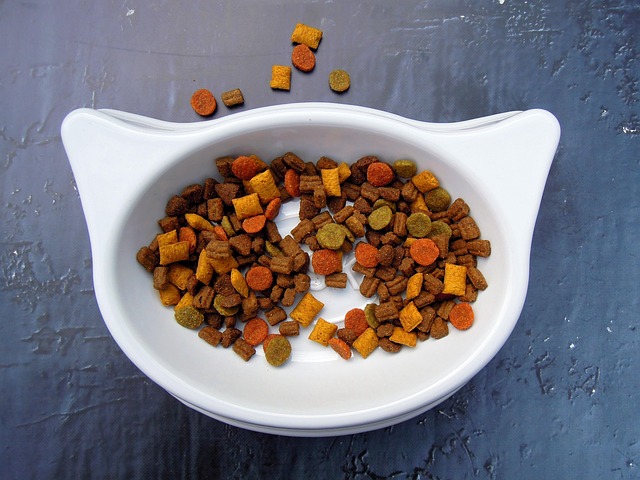
Many owners opt for a combination of both dry and wet cat chow to use the benefits of each. For example, a portion of wet food for hydration and palatability, supplemented with a measured amount of kibble for convenience and dental concerns. As of June 2026, veterinary recommendations increasingly favour wet food as the primary diet due to its hydration benefits.
Decoding Cat Food Labels: What Ingredients to Look For
The ingredient list on a bag or can of cat chow is a treasure trove of information, and learning to read it can significantly improve your feeding choices. Don’t be fooled by marketing jargon; focus on the actual components.
The First Few Ingredients are Key
Weight lists the ingredients, so the first few items on the list make up the bulk of the food. For optimal feline nutrition, you want to see:
- Named Meat Sources: Look for specific animal proteins like “chicken,” “turkey,” “salmon,” or “beef.” Avoid generic terms like “meat by-products” as the first ingredient, as these can be of lower quality or less digestible.
- Whole Meats: Foods listing “chicken breast” or “salmon fillets” are generally higher quality than those listing “chicken meal” or “fish meal.” While meals are concentrated protein sources and can be good, whole meats often indicate a fresher, more natural ingredient.
- Digestible Carbohydrates (if any): While cats don’t need many carbs, some binders like sweet potato, peas, or lentils are generally acceptable in moderation. Avoid foods with corn, wheat, or soy as primary ingredients, as these are common allergens and less digestible for cats.
What to Avoid in Your Cat Chow
There are certain ingredients that are best avoided or minimised in your cat’s diet:
- Artificial Colours, Flavours, and Preservatives: These offer no nutritional value and can sometimes cause sensitivities. Look for natural preservatives like mixed tocopherols (Vitamin E).
- Excessive Fillers: Ingredients like corn, wheat, soy, and excessive amounts of vegetable protein are often used to bulk up food cheaply but provide little benefit for cats.
- By-products (as primary ingredients): While some by-products (like organ meats) are nutritious, vague terms like “meat by-products” can hide lower-quality ingredients.
A good rule of thumb is to choose cat chow where meat is the first ingredient. For example, a high-quality dry food might list “Deboned Chicken, Chicken Meal, Turkey Meal” as its top three ingredients. A premium wet food could start with “Salmon, Tuna Broth, Salmon Liver.” Reading these labels diligently, as recommended by the American Association of Feed Control Officials (AAFCO) guidelines, ensures you’re providing wholesome nutrition.
Common Mistakes Pet Parents Make with Cat Chow
Even with the best intentions, many cat owners inadvertently make feeding mistakes that can impact their feline’s health. Being aware of these common pitfalls is the first step to avoiding them.
Mistake 1: Over-reliance on Dry Food and Dehydration
As mentioned, cats are not big drinkers. Their evolutionary history means they get most of their water from prey. A diet solely of dry kibble, which is typically 10% water, can lead to chronic, low-level dehydration. This increases the risk of urinary crystals, kidney disease, and constipation. Many vets, like those at the ASPCA, now strongly advocate for incorporating wet food into the diet, or at least ensuring a cat has multiple fresh water sources available, including filtered fountains.
Mistake 2: Ignoring the Ingredient List
Many owners choose cat chow based on brand recognition, price, or appealing packaging, without scrutinising the ingredient list. This can lead to feeding foods high in fillers, artificial additives, or low-quality protein sources that don’t meet a cat’s specific needs. A food that seems cheap upfront might cost more in vet bills down the line due to poor nutrition.
Mistake 3: Free-Feeding Dry Food
While convenient, leaving dry food out all day can lead to overeating, obesity, and related health problems like diabetes. It also makes it harder to monitor your cat’s appetite, which can be an early indicator of illness. Portion-controlled feeding, typically twice a day, is generally recommended by feline behaviourists and veterinarians for better weight management and health monitoring.
Mistake 4: Not Considering Specific Health Needs
Cats can develop allergies, sensitivities, kidney issues, digestive problems, and more. A one-size-fits-all approach to cat chow won’t work for a cat with a sensitive stomach or a senior cat with arthritis. Look for specialised formulas designed to address these issues, or work with your vet to find an appropriate prescription diet. For example, a cat diagnosed with a urinary issue might need a specific therapeutic diet formulated by veterinary nutritionists.
Mistake 5: Switching Food Too Abruptly
Sudden changes in diet can cause digestive upset, including vomiting and diarrhoea. When transitioning to a new cat chow, it should be done gradually over 7-10 days. Mix a small amount of the new food with the old, gradually increasing the proportion of the new food while decreasing the old. Cat chow allows your cat’s digestive system to adjust slowly.

Cat Chow for Special Needs and Sensitivities
Beyond life stages, some cats have unique requirements due to medical conditions or sensitivities. Fortunately, the pet food industry has responded with a range of specialised formulas.
Sensitive Stomach Formulas
If your cat experiences frequent vomiting, diarrhoea, or gas, they might have a sensitive stomach. These formulas often feature:
- Highly digestible proteins (e.g., duck, lamb, or novel proteins like venison).
- Prebiotics and probiotics to support gut flora.
- Limited ingredient lists to minimise potential triggers.
For instance, a sensitive stomach formula might use hydrolysed proteins, where the protein molecules are broken down into smaller, less allergenic pieces.
Hypoallergenic or Allergy-Friendly Cat Chow
Food allergies and intolerances are common in cats, often manifesting as skin issues (itching, redness) or digestive upset. Hypoallergenic diets typically use:
- Novel Proteins: Proteins the cat has never been exposed to before (e.g., rabbit, kangaroo, alligator).
- Hydrolysed Proteins: As mentioned above, these are broken down to be less likely to trigger an immune response.
- Limited Ingredient Diets (LID): Focus on a single protein and a single carbohydrate source.
Identifying the specific allergen usually requires a veterinary elimination diet trial, a process where you feed a specific hypoallergenic cat chow under vet guidance for several weeks.
Weight Management Formulas
Obesity is a serious health concern for cats, increasing the risk of diabetes, arthritis, and heart disease. Weight management cat chow is formulated to be lower in calories and fat but higher in fibre to promote satiety, helping cats feel full while consuming fewer calories. These diets often contain L-carnitine, an amino acid that aids in fat metabolism.
Urinary Health Formulas
These diets are designed to help manage and prevent urinary tract conditions, such as Feline Lower Urinary Tract Disease (FLUTD) and urinary stones. They typically work by:
- Controlling mineral levels (like magnesium, calcium, and phosphorus).
- Adding urinary acidifiers to help maintain an optimal urine pH.
- Increasing moisture content (often through wet food formulations).
Prescription urinary diets, available only through veterinarians, are highly effective but require a diagnosis and prescription. Over-the-counter urinary care foods can offer some support but are generally less potent.
It’s crucial to work closely with your veterinarian when selecting specialised cat chow. They can help diagnose underlying issues and recommend the most appropriate food, sometimes even a prescription diet, to manage your cat’s specific condition effectively.
Hydration: The Overlooked Pillar of Cat Chow Success
We’ve touched on hydration multiple times, but it deserves its own focus. The success of any cat chow, no matter how high-quality, is significantly hampered if your cat isn’t drinking enough water. A cat’s natural instinct isn’t to drink from a stagnant bowl; they are adapted to getting moisture from their prey.
Why Water is Crucial
Water is essential for virtually all bodily functions, including digestion, nutrient absorption, temperature regulation, and waste elimination. For cats, adequate hydration is particularly vital for:
- Kidney Function: Healthy kidneys require water to filter waste products from the blood.
- Urinary Tract Health: Dilute urine is less likely to form crystals or stones, and it helps flush bacteria from the bladder.
- Digestive Health: Water aids in moving food through the digestive tract and preventing constipation.
Encouraging Your Cat to Drink
If your cat is on a dry-food-only diet or simply doesn’t drink much, here are some tips:
- Water Fountains: Many cats prefer moving water, which mimics natural sources. Pet fountains keep water circulating and filtered, often encouraging more drinking. As of June 2026, ceramic and stainless steel fountains are popular for their durability and ease of cleaning.
- Multiple Water Bowls: Place several clean water bowls in different locations around your home, away from food and litter boxes.
- Filtered Water: Some cats are particular about the taste of tap water. Offering filtered or bottled water might make a difference.
- Flavouring Water (Sparingly): A tiny amount of tuna juice or low-sodium chicken broth added to water can entice some cats, but use this sparingly to avoid excessive salt or fat intake.
- Adding Water to Food: For wet food, add a tablespoon or two of water. For dry food, you can add a small amount of warm water to create a gravy-like consistency.
Remember, a cat that eats primarily wet food is already consuming a significant amount of water. However, even cats on wet food diets benefit from having access to fresh, clean water at all times.
Transitioning to a New Cat Chow Smoothly
Switching your cat’s food too quickly can lead to digestive upset. A gradual transition is key to ensuring their system adjusts without issues. This process typically takes 7-10 days, but can sometimes extend to two weeks for very sensitive cats.
The Gradual Transition Method
Here’s a common approach:
- Days 1-2: 25% new food, 75% old food.
- Days 3-4: 50% new food, 50% old food.
- Days 5-6: 75% new food, 25% old food.
- Day 7 onwards: 100% new food.
Monitor your cat closely during this period. If you notice any signs of digestive distress (vomiting, diarrhoea, reduced appetite), slow down the transition. You might need to extend the 50/50 phase for a few extra days or revert to an earlier stage if symptoms persist.
What to Watch For
Signs that the transition isn’t going well include:
- Vomiting
- Diarrhoea
- Constipation
- Loss of appetite
- Lethargy
- Excessive gas
If these symptoms are severe or persistent, stop the transition and consult your veterinarian. They may recommend a different food or a more specialised approach. The goal is to introduce the new cat chow without causing unnecessary stress to your cat’s digestive system.
Veterinarian Recommendations and Expert Advice
While this guide provides extensive information, your veterinarian remains your most valuable resource. They have examined your cat, understand their unique health history, and can offer personalised advice on the best cat chow.
As of June 2026, veterinary professionals are well-versed in the latest nutritional research and product developments. They can help you:
- Assess your cat’s ideal weight and body condition score.
- Identify potential underlying health issues that diet can help manage.
- Recommend specific brands or formulas based on your cat’s age, breed, activity level, and health status.
- Guide you through dietary trials for allergies or sensitivities.
- Discuss the pros and cons of raw diets, home-cooked diets, or prescription foods if applicable.
The World Small Animal Veterinary Association (WSAVA) Global Nutrition Committee, for example, provides guidelines for pet owners and veterinarians on selecting appropriate pet foods. They emphasize relying on foods that meet AAFCO nutritional standards and are produced by companies with strong quality control and research capabilities.
Don’t hesitate to ask your vet about ingredient quality, protein sources, and specific dietary needs. They are your partners in ensuring your cat receives the best possible nutrition through their cat chow.
Frequently Asked Questions About Cat Chow
What is the single best cat chow to buy in 2026?
There isn’t one single “best” cat chow for every cat. The ideal food depends on your cat’s age, activity level, health status, and individual preferences. High-quality options often feature meat as the primary ingredient and are formulated for specific life stages or health needs.
How do I know if my cat chow is good quality?
Look for a named meat source as the first ingredient, a balanced nutrient profile (especially adequate protein and moisture), and minimal fillers or artificial additives. Check for an AAFCO statement ensuring nutritional completeness for your cat’s life stage.
Can I feed my cat dog food?
No, you should never feed your cat dog food. Cats have vastly different nutritional requirements, needing more protein and specific amino acids like taurine, which dog food lacks in sufficient quantities. Feeding dog food to cats can lead to serious health problems.
How much cat chow should I feed my cat?
Feeding guidelines are usually printed on the cat chow packaging, based on the cat’s weight. However, these are just estimates. It’s best to monitor your cat’s body condition and adjust portions to maintain a healthy weight, ideally with veterinary guidance.
Is grain-free cat chow always better?
Not necessarily. While some cats are sensitive to grains, many tolerate them well. The focus should be on the quality and source of protein. If a grain-free diet is chosen, ensure it still provides balanced nutrition and doesn’t rely on excessive alternative carbohydrates like peas or potatoes.
What are the signs my cat doesn’t like their food?
Signs include refusing to eat, eating only small amounts, or pushing food out of the bowl. If your cat suddenly stops eating their usual cat chow, it could indicate a preference issue or a more serious underlying health problem, so consult your vet.
Can I mix wet and dry cat chow?
Yes, mixing wet and dry cat chow is a common and often beneficial practice. It can help ensure adequate hydration from wet food while providing the convenience and potential dental benefits of dry kibble. Just ensure the total daily calorie intake is appropriate.
Last reviewed: June 2026. Information current as of publication; pricing and product details may change.
Related read: Are Bananas Good for Dogs? A 2026 Guide to Safe Feeding
Editorial Note: This article was researched and written by the Pet Magazine editorial team. We fact-check our content and update it regularly. For questions or corrections, contact us.


