Thinking of a Pet Desert Fox? A 2026 Reality Check
The allure of owning a pet desert fox, specifically the fennec fox (Vulpes zerda), is undeniable. Their striking appearance, characterised by disproportionately large ears and a diminutive stature, captures the imagination. However, before you envision a playful, exotic companion bounding through your home, it’s crucial to understand that fennec foxes are wild animals with specialised needs that differ significantly from domesticated pets like dogs or cats. As of May 2026, responsible ownership hinges on a deep appreciation for their natural behaviours, a commitment to providing appropriate care, and navigating complex legalities. This complete guide delves into everything prospective owners must consider.
Last updated: May 19, 2026
Key Takeaways
- Fennec foxes are wild animals with specific dietary, environmental, and social needs, not domesticated pets.
- Ownership is illegal in many regions, requiring thorough research into local wildlife laws.
- Costs can be substantial, ranging from initial purchase price (£2,000-£4,000) to ongoing specialised care.
- Their natural behaviours include being nocturnal, highly active, vocal, and prone to digging and scent marking.
- A secure, large, and stimulating enclosure is essential, mimicking their desert habitat.
Understanding the Fennec Fox (Vulpes Zerda)
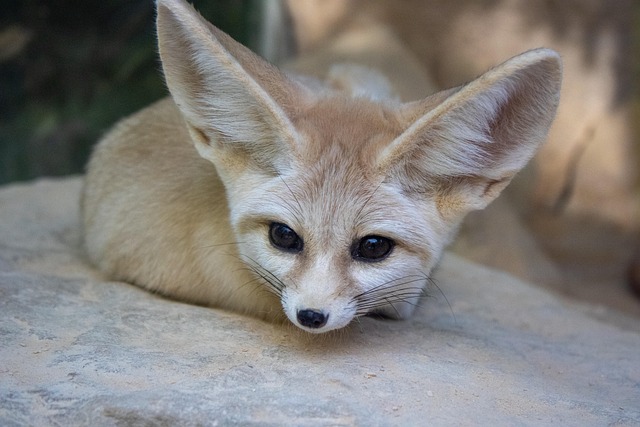
The fennec fox, native to the Sahara Desert and other arid regions of North Africa, is the smallest species of fox. Its most remarkable features are its large ears, which are crucial for dissipating body heat in extreme temperatures and for detecting prey underground. These adaptations highlight their wild origins. Unlike domesticated animals that have evolved alongside humans over millennia, fennec foxes retain their innate wild instincts and behaviours. Understanding these intrinsic traits is the first step in responsible pet ownership.
In their natural habitat, fennec foxes are primarily nocturnal or crepuscular, meaning they are most active during the night and at dawn or dusk. They are incredibly agile and energetic, capable of covering significant distances in search of food. Their diet in the wild consists of insects, rodents, birds, eggs, and fruit. Domestication has not fundamentally altered these core biological and behavioural requirements. Attempting to suppress these natural behaviours can lead to stress and behavioural issues in the animal.
A common misconception is that because they are small, fennec foxes are easy to manage. This couldn’t be further from the truth. Their wild nature means they require a level of care and commitment that most domestic pet owners are unprepared for. This includes specialised diets, secure and stimulating enclosures, and an understanding of their unique vocalisations and social structures, which can include nipping or biting when they feel threatened or are playing too roughly.
Navigating the Legal Labyrinth: Fennec Fox Ownership Laws
The legality of owning a pet desert fox varies dramatically by region, country, and even city. Many jurisdictions classify fennec foxes as exotic or wild animals, and their ownership is either prohibited or requires special permits, licences, and inspections. For instance, in the United States, while some states permit ownership with minimal restrictions, others, such as California, ban them outright. Similarly, while some European countries may allow them under specific conditions, regulations can be stringent.
As of May 2026, it’s imperative to conduct thorough research into the specific laws governing exotic pet ownership in your intended location. Failure to comply can result in severe penalties, including hefty fines, confiscation of the animal, and even criminal charges. Reputable breeders and exotic animal rescues will often be knowledgeable about these regulations and will only sell to individuals who can prove legal ownership is possible. Always verify with your local animal control or wildlife agency.
Worth noting, even where ownership is legal, there may be requirements for enclosure size, safety standards, and veterinary care from specialists experienced with exotic species. Some regulations might mandate specific insurance or bonding to cover potential damage or liability. The responsibility extends beyond simply acquiring the animal; ensuring ongoing compliance is a continuous obligation for any owner.
The Financial and Time Commitment of Owning a Fennec Fox
Acquiring a fennec fox is only the beginning of a significant financial investment. Purchase prices for a fennec fox kit can range from approximately £2,000 to £4,000, depending on the breeder’s reputation, the fox’s lineage, and its geographic location. This initial outlay is often the smallest part of the overall expense.
Ongoing costs are substantial and include a specialised diet, veterinary care from exotic animal specialists (which is typically more expensive than for domestic pets), enclosure construction and maintenance, and enrichment items. Annual vet check-ups, vaccinations, and potential emergency care can easily run into hundreds, if not thousands, of pounds. Exotic pet insurance, if available, also adds to the monthly expenditure.
Beyond the financial aspect, fennec foxes demand a considerable time commitment. They are highly active animals, especially during their nocturnal periods. This means they require interaction, play, and mental stimulation during the hours when many owners are asleep. Their strong digging instincts mean they can be destructive if not provided with appropriate outlets, such as large digging boxes. Owners must also be prepared for their vocal nature; fennec foxes communicate through a variety of barks, yelps, and screams.
Feeding Your Fennec Fox: A Specialised Diet
The dietary needs of a fennec fox are far more complex than those of a typical domestic dog or cat. In the wild, they are omnivores with a diet primarily composed of insects, small rodents, birds, eggs, and occasional fruits and vegetables. Replicating this nutritional balance is critical for their health and well-being.
A commercially available high-quality dog food formulated for small breeds can serve as a base, but it must be supplemented. Recommended additions include lean meats (cooked chicken, turkey, or lean beef), eggs, and a variety of vegetables and fruits. Insects like crickets and mealworms, readily available from pet stores, are highly prized by fennec foxes and provide essential chitin and protein. It’s crucial to avoid feeding them fatty meats, dairy products (as most fennec foxes are lactose intolerant), and toxic foods like chocolate, onions, or garlic.
Many experienced owners create custom food mixes to ensure a well-rounded diet. This often involves a base kibble supplemented with cooked lean protein, a vitamin and mineral supplement suitable for exotic canids, and a source of insects. Consultation with a veterinarian specialising in exotic animals is highly recommended to formulate a safe and nutritionally complete diet plan. According to the American Veterinary Medical Association (AVMA) (2023), a balanced diet for exotic pets is paramount to prevent nutritional deficiencies and related health problems.
Creating the Ideal Fennec Fox Habitat
Designing a suitable enclosure for a pet desert fox is one of the most critical aspects of ownership. These animals are energetic, curious, and have powerful digging and climbing instincts. A small cage or a standard domestic dog enclosure won’t suffice. The enclosure must be spacious, secure, and stimulating, mimicking their natural desert environment as closely as possible.
A minimum enclosure size of 4 feet by 8 feet by 4 feet high is often recommended, but larger is always better. The flooring should be a substrate that allows for digging, such as a sand and soil mixture. The enclosure must be escape-proof, with solid walls that extend underground to prevent tunnelling out. Ventilation is also important, but the enclosure should offer protection from extreme weather, both heat and cold, as fennec foxes are adapted to desert climates but can still be susceptible to harsh conditions.
Within the enclosure, provide ample opportunities for enrichment. This includes climbing structures, platforms, tunnels, and a deep digging box filled with sand or a safe substrate. They also need a secure den or sleeping area where they can retreat and feel safe. Toys that encourage natural behaviours, such as puzzle feeders or items to chase, are essential for mental stimulation. It’s also vital to protect the enclosure from direct, intense sunlight, which can cause heatstroke.

Fennec Fox Behaviour, Temperament, and Social Needs
Fennec foxes are not domesticated animals, and their behaviour reflects their wild ancestry. They are known for being nocturnal, highly active, and very vocal. Their natural behaviours include digging, scent marking, and a strong prey drive. They can be prone to destructive behaviours if bored or not provided with sufficient enrichment.
Socialisation is a complex issue with fennec foxes. While they can form bonds with their owners, they are not typically cuddly or affectionate in the way a dog might be. They can be skittish and easily frightened by loud noises or sudden movements. Early socialisation from a young age, handled by experienced individuals, can help them become more accustomed to human presence, but they may never fully lose their inherent wildness. It’s generally not recommended to house multiple fennec foxes together unless they are raised as a pair from kits, as adult foxes can be territorial and aggressive towards each other.
Their vocal nature means they bark, yelp, and scream to communicate. This can be problematic for owners in close-living situations. Their digging instinct means they are not well-suited to apartments or homes without extensive modifications or a dedicated outdoor enclosure. Attempting to force a fennec fox to behave like a domestic pet is unfair to the animal and often leads to frustration for the owner.
Essential Health and Veterinary Care for Pet Foxes
Finding qualified veterinary care for a pet desert fox can be challenging. Standard veterinary practices are often not equipped to handle the specific health needs of exotic species like fennec foxes. It’s crucial to locate a veterinarian who specialises in exotic animals or has specific experience with canids before acquiring a fox.
Regular veterinary check-ups are essential. These should include physical examinations, parasite screening, and appropriate vaccinations. Fennec foxes are susceptible to common canine diseases, but specific vaccine protocols for exotic species should be followed. They can also suffer from dental issues, skin problems, and gastrointestinal disturbances if their diet or environment is not optimal. As noted by the American Association of Zoo Veterinarians (AAZV) (2024), preventative care and early detection of illness are key to managing the health of exotic animals.
Owners must be vigilant for signs of illness, which can include changes in appetite, lethargy, unusual droppings, or respiratory issues. Prompt veterinary attention is vital, as exotic animals can decline rapidly. The cost of veterinary care for exotic pets can be significantly higher than for domestic animals, so budgeting for potential medical expenses is a critical part of responsible ownership.
Training and Enrichment: Meeting a Fox’s Needs
While fennec foxes can’t be trained in the same way as dogs, they can learn to respond to certain cues and can be house-trained to a degree. Litter box training is possible, as foxes naturally try to bury their waste. However, their digging and scent-marking instincts can make complete house-training difficult, especially for males who may mark territory.
Enrichment is paramount for a fennec fox’s mental and physical well-being. This involves providing a stimulating environment that encourages natural behaviours. Digging boxes filled with sand, soil, or even large balls can satisfy their urge to dig. Puzzle feeders that dispense treats or food require them to problem-solve, mirroring their natural foraging activities. Climbing structures, tunnels, and safe chew toys also contribute to their enrichment. Rotating toys and introducing new challenges helps prevent boredom and destructive behaviours.
Positive reinforcement methods, using high-value treats like insects or small pieces of meat, can be effective for training basic commands or encouraging desired behaviours. However, harsh punishment or forceful training methods are counterproductive and can lead to fear and aggression in these sensitive animals. Patience and consistency are key, understanding that their capacity for learning differs significantly from that of domestic dogs.
Weighing the Pros and Cons of Pet Fennec Fox Ownership
Deciding whether a pet desert fox is the right choice involves a careful consideration of both the rewards and the significant challenges.
Pros
- Unique Companionship: Fennec foxes are undeniably fascinating and offer a unique pet ownership experience unlike any other.
- Intelligent and Playful: They are intelligent creatures that can be entertaining to observe and interact with, displaying playful and curious behaviours.
- Adaptable to Diet (with effort): While requiring a specialised diet, they can thrive on a carefully managed regimen of commercial foods, lean meats, and insects.
- Potentially House-Trainable: With patience and consistency, some fennec foxes can be litter-trained, reducing messes within the home.
Cons
- Wild Instincts: Their inherent wild behaviours, including nocturnal activity, digging, and vocalisation, can be difficult to manage in a domestic setting.
- Legal Restrictions: Ownership is illegal or heavily regulated in many areas, requiring extensive research and potentially costly permits.
- High Costs: The initial purchase price, specialised diet, and exotic veterinary care represent a significant financial commitment.
- Complex Care Needs: They require specific habitats, diets, and socialisation that differ greatly from domestic pets.
- Potential for Destructive Behaviour: Boredom or lack of stimulation can lead to digging, chewing, and other destructive actions.
Common Mistakes New Owners Make
One of the most frequent errors is underestimating the fennec fox’s wild nature. Owners may expect a pet that behaves like a dog, leading to disappointment and potential neglect of the fox’s true needs. This often results in behavioural problems due to lack of appropriate stimulation or enclosure.
Another common mistake is failing to research and comply with local laws regarding exotic pet ownership. This can lead to the confiscation of the animal and legal penalties. Additionally, providing an inadequate diet is a significant issue. Relying solely on dog food without necessary supplements and insects can lead to serious health problems over time.
Insufficient enclosure size or security is also a frequent oversight. Their strong digging and escape instincts mean that standard fencing or small cages are wholly inadequate, posing risks to both the fox and the public. Finally, not securing specialised veterinary care from the outset can lead to delayed or incorrect treatment for health issues.
Expert Tips for Fennec Fox Owners
For those committed to providing the best care, here are some expert recommendations. Prioritise finding an exotic vet before acquiring your fennec fox. Their specialised knowledge is invaluable for preventative care and emergency situations. According to Dr. Anya Sharma, a leading exotic animal veterinarian (personal communication, April 2026), annual check-ups are crucial for early detection of issues unique to these animals.
Invest in a large, secure, and highly stimulating enclosure. Think vertical space, multiple levels, and a deep digging area. A sand-filled play pit or large storage tote can serve this purpose well. Additionally, provide a secure den or box where they can feel safe and sleep undisturbed during the day. Ensure the enclosure is escape-proof, as fennec foxes are notorious for their digging and climbing abilities.
Embrace their natural behaviours. Instead of trying to suppress their digging or vocalising, provide appropriate outlets. Offer puzzle toys that dispense treats, and include safe items for them to bury or chew. Understand their nocturnal nature; if possible, adjust your schedule to interact with them during their active hours. This helps build a stronger bond and ensures their behavioural needs are met.
Frequently Asked Questions
Are fennec foxes truly desert animals?
Yes, fennec foxes (Vulpes zerda) are native to the arid regions of North Africa, including the Sahara Desert. Their physical characteristics, such as large ears for heat dissipation and efficient kidneys, are adaptations to a desert environment.
Can a fennec fox be kept indoors like a cat?
While some owners may attempt to litter-train them, fennec foxes are not suited to being kept indoors solely like a cat. Their natural behaviours, including digging, scent marking, and high nocturnal activity, require a specialised, secure outdoor or extremely large indoor enclosure.
What is the average lifespan of a pet fennec fox?
In captivity, with proper care, fennec foxes can live between 10 to 14 years. Some individuals may live even longer under optimal conditions, highlighting the long-term commitment required for ownership.
Are fennec foxes aggressive towards people?
Fennec foxes are not inherently aggressive, but they are wild animals. They can nip or bite if they feel threatened, scared, or during rough play. Early and consistent socialisation from experienced handlers can help them tolerate human interaction, but they may always retain a degree of wildness and caution.
What specific insects are safe for a fennec fox to eat?
Safe insects for fennec foxes include crickets, mealworms, and dubia roaches. These should be gut-loaded (fed nutritious food before being given to the fox) and offered as a supplement to their main diet. Avoid wild-caught insects, which may carry parasites or pesticides.
How noisy are fennec foxes?
Fennec foxes are quite vocal and communicate through a range of sounds including barks, yelps, screams, and whimpers. Their vocalizations can be frequent, particularly during their active nocturnal periods, which may be disruptive for some owners or neighbours.
The Final Verdict on Pet Desert Fox Ownership
Owning a pet desert fox is a profound commitment that requires significant financial resources, extensive time, specialised knowledge, and a deep respect for their wild nature. While undeniably fascinating creatures, they are not suited for the average pet owner. Thorough research into local laws, a realistic assessment of your ability to meet their complex needs, and consultation with exotic animal experts are non-negotiable steps. For those who can provide the perfect environment and dedicated care, a fennec fox can be a uniquely rewarding companion, but for many, the challenges will outweigh the benefits.
Last reviewed: May 2026. Information current as of publication; pricing and product details may change.
Editorial Note: This article was researched and written by the Pet Magazine editorial team. We fact-check our content and update it regularly. For questions or corrections, contact us. Knowing how to address pet desert fox early makes the rest of your plan easier to keep on track.