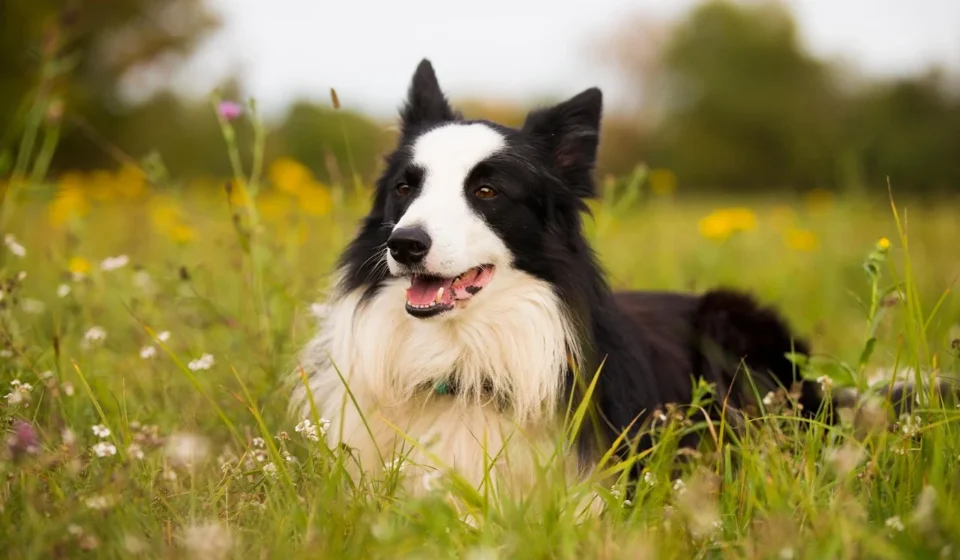
This article covers the main collie breeds and variations, including their coat types, physical characteristics, and exercise and grooming needs. It also addresses common misconceptions about intelligence, exercise, and grooming requirements to help potential owners.
What Exactly Defines a Collie?
Collies are a distinctive type of herding dog, originating in Scotland and Northern England, known for their intelligence, loyalty, and striking appearance. These medium-sized, fairly lightly-built dogs typically feature pointed snouts and a strong instinct for herding, a trait that makes them highly trainable and active companions.
The name “collie” itself may derive from the Scots word for ‘coal’ or from ‘coolly’. Etymologists may trace this to the black-faced mountain sheep of Scotland that these dogs historically herded. The term “collie” broadly refers to a type of dog. Breeders have developed and standardized specific breeds over time, and each possesses unique characteristics that appeal to different owners.
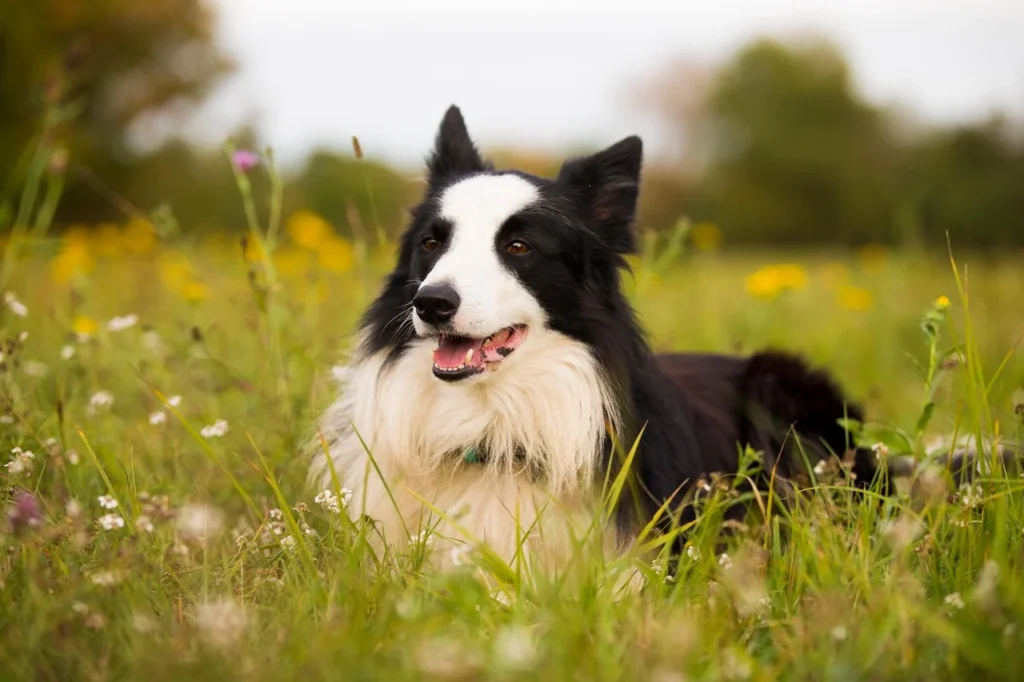
A common misconception is that collies are inherently inbred. Another is that their intelligence has been bred out due to specific physical traits like long, narrow heads. It is important to clarify that collies are no more inbred than any other established breed. Brain size does not indicate intelligence. Their reputation for intelligence, particularly the Border Collie, is well-founded. However, it requires appropriate mental stimulation to prevent frustration.
The Core Collie Breeds: Rough and Smooth Collies
When people ask “what types of collies are there?”, the Rough Collie and Smooth Collie are the true answer for the singular “Collie” breed. We consider them the same breed with differing coat types. These two variations share the same breed standard, temperament, and general physical build. They differ primarily in the length and texture of their coats.
Both Rough and Smooth Collies typically stand between 22 and 26 inches tall at the shoulder. They weigh 50 to 75 pounds. We know them for their elegant appearance, gentle nature, and strong bond with their families. This makes them excellent companions for many households. The Kennel Club (UK) last updated their breed standard on April 1, 2025.
Rough Collie: The Iconic Long-Haired Companion
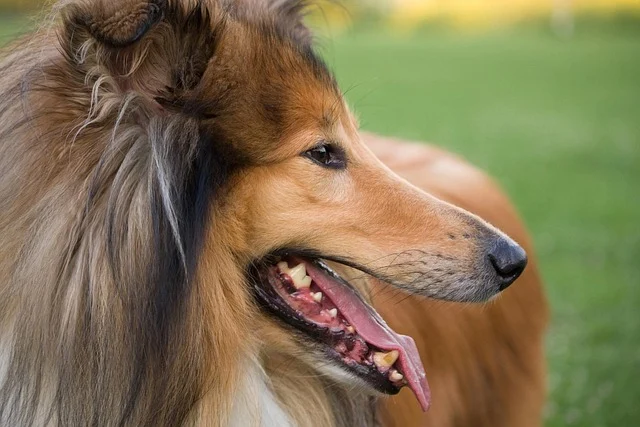
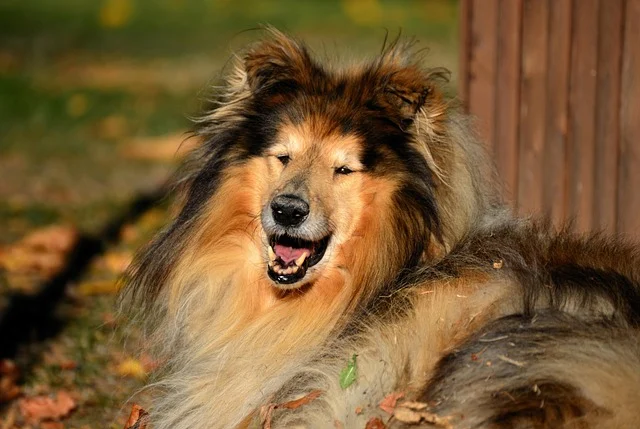
The Rough Collie is perhaps the most widely recognised collie type, largely due to its association with the fictional character Lassie. A luxurious, long, harsh outer coat and a soft, furry undercoat characterize this variety, which is particularly abundant on the mane and frill around their neck and chest. Regular grooming prevents tangles and maintains the health of this impressive coat, though a misconception exists that they require professional grooming; an average pet owner can manage their coat with consistent brushing.
Recognized colours for Rough Collies include Sable and white, Tricolour (black, tan, and white), and Blue Merle (a marbled grey and black with tan and white markings). Their striking appearance, combined with their intelligent and devoted nature, makes them a favorite for those seeking a distinguished family dog.
Smooth Collie: The Shorter-Coated Variant
The Smooth Collie possesses the same dignified build and temperament as its rough-coated counterpart but features a short, hard, dense, and flat coat with an abundance of undercoat. This coat type is significantly easier to maintain, requiring less frequent brushing, which can be a deciding factor for owners with less time for grooming. Despite the difference in coat, their gentle and intelligent nature remains consistent.
Like the Rough Collie, Smooth Collies come in Sable and white, Tricolour, and Blue Merle. Considering a collie but concerned about the grooming demands of a long coat? The Smooth Collie offers a wonderful alternative without sacrificing any of the breed’s beloved characteristics.
Is the Lassie Dog a Rough or Smooth Collie?
The iconic dog character Lassie is a Rough Collie. Books, films, and television prominently featured the long, flowing coat and distinctive appearance of the Rough Collie in Lassie’s portrayal, cementing this specific type of collie in popular culture as a symbol of loyalty and intelligence.
The Energetic Border Collie
The Border Collie is another prominent type often included when discussing collies. This distinct breed is known for exceptional intelligence and an intense working drive. Border Collies originated in the Anglo-Scottish border region. People bred them primarily for herding sheep, and experts consider them one of the most intelligent dog breeds. They are generally smaller than Rough and Smooth Collies. Standing 18 to 22 inches at the shoulder, they weigh 30 to 55 pounds.
A significant misconception about Border Collies is that they only need vast amounts of physical exercise. While they are incredibly athletic and require substantial physical activity, they also demand significant mental stimulation. Their high intelligence means they learn quickly, including unintended lessons, and can become frustrated with repetitive, unchallenging training. We advise owners to incorporate puzzle toys, obedience training, and agility work to keep their minds engaged.
Understanding Border Collie Coat Types
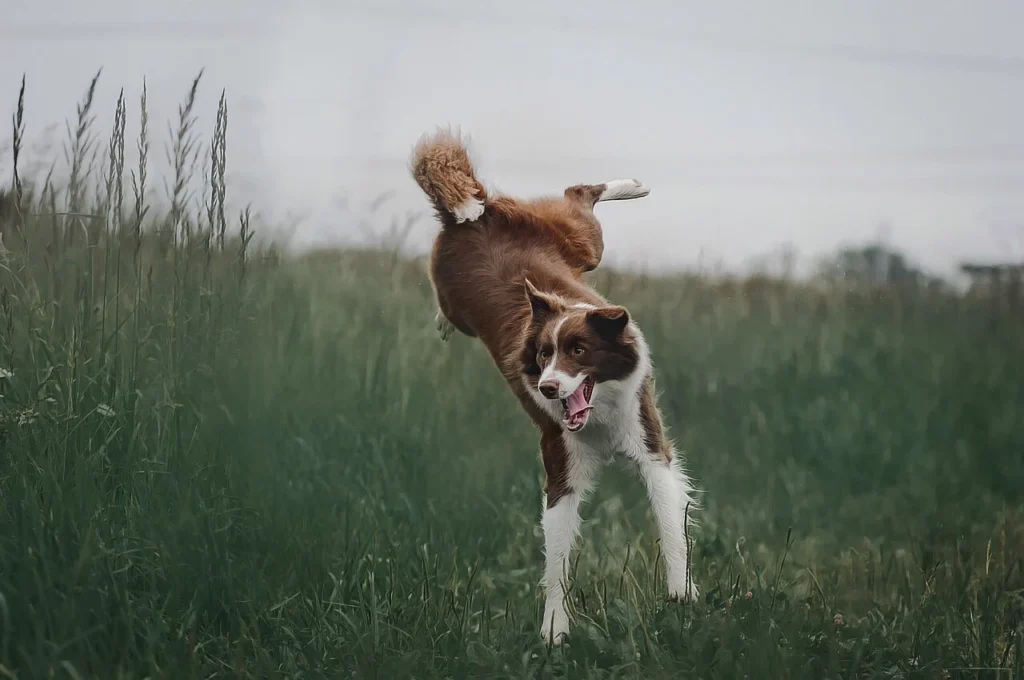
For those asking “are there different types of Border Collies?”, the primary variation within the breed relates to their coat. Border Collies come in both rough (medium-length) and smooth (short) coat varieties, similar to the Rough and Smooth Collies, but these are coat types within the Border Collie breed itself, not separate breeds. The rough coat is longer and can be feathered, while the smooth coat is shorter and coarser.
Border Collies exhibit a wide array of colours. These include the classic white and black, red, sable, brindle, red merle, lilac, and blue. White never predominates. Dogs Australia (formerly ANKC) amended their breed standard on July 19, 2018. They explicitly permit a smooth coat and include erect or semi-erect ears. This reflects the natural diversity within the working lines of the breed. The Kennel Club (UK) last updated the breed standard for Border Collies on January 1, 2025.
The Shaggy Bearded Collie
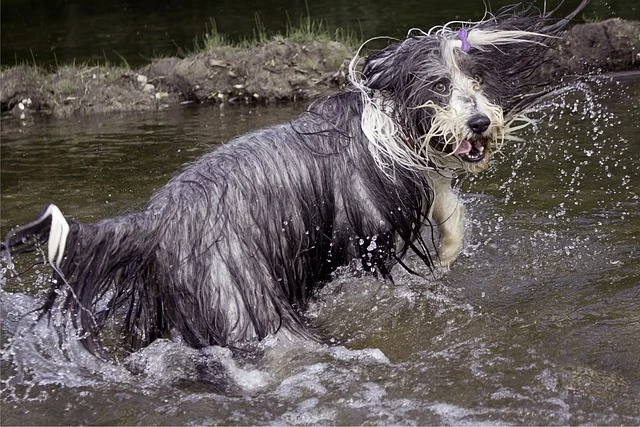
The Bearded Collie, often affectionately called a “Beardie,” is another distinct breed. It falls under the broader “collie-type” umbrella. You can easily identify them by their shaggy, silky coat and the characteristic “beard” formed by the hair on their muzzle and chin. Bearded Collies are slightly larger than Border Collies. They typically stand around 20 to 22 inches at the shoulder and weigh between 45 to 55 pounds.
Originally bred for herding in the Scottish Highlands, they are known for their playful, outgoing, and affectionate personalities. Their shaggy coat, while charming, requires regular grooming to prevent matting, especially the longer hair around their face. If you are looking for a lively, intelligent, and humorous companion who enjoys being part of all family activities, a Bearded Collie might be an excellent choice.
Other Collie-Type Dogs You Might Encounter
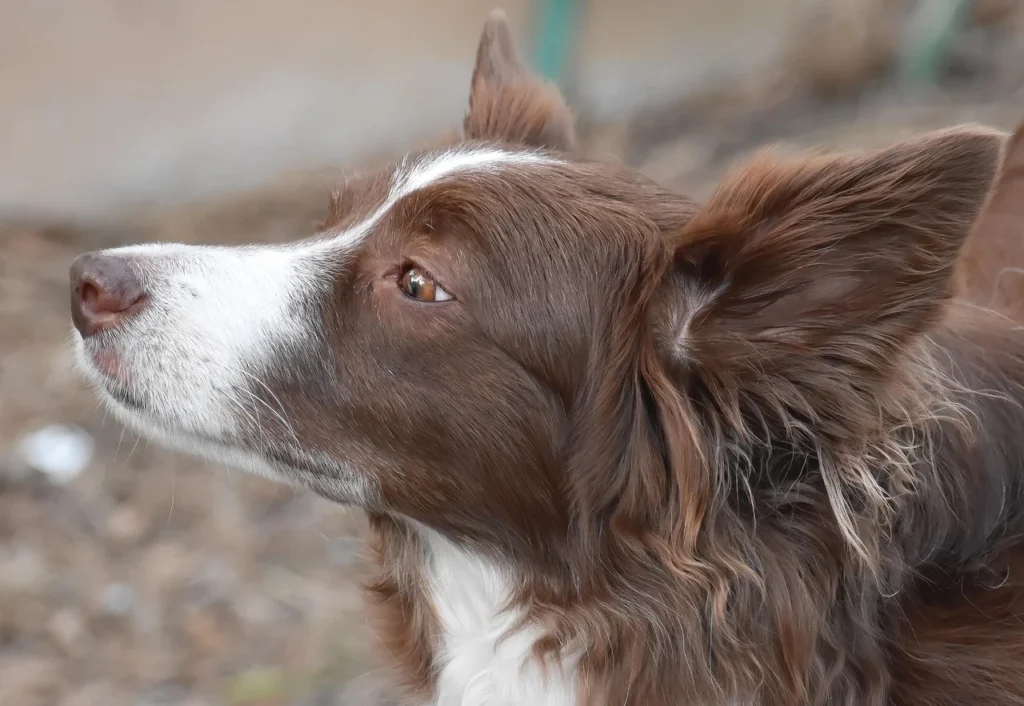
Beyond the main breeds, people sometimes refer to several other dogs as “collie-type” or link them historically to the collie lineage. These include the Shetland Sheepdog (often called a “Sheltie”), which resembles a miniature Rough Collie but is a separate breed, and the Old English Sheepdog, a large, shaggy herding dog distinct from the collie family but sharing a herding heritage.
Another, less commonly known, is the Koolie from Australia, a versatile working dog believed to have descended from British working collies. While these dogs share some characteristics with collies, such as intelligence and herding instincts, it is important to recognise them as their own distinct breeds with unique histories and traits, rather than direct “types of collies.”
Common Misconceptions About Collies
There are several popular beliefs about collies that are not entirely accurate, and the aim is to address them to help potential owners make informed decisions:
- Exercise Needs: It is a misconception that collies, being large dogs, require vast amounts of exercise and room. While active, they can thrive in smaller spaces with human companionship, provided they receive regular walks and mental engagement. The key is quality of activity over sheer quantity of space.
- Grooming Requirements: Contrary to popular belief, collies do not universally require professional grooming. An average pet owner can maintain their coat with regular brushing, especially for Rough Collies and Bearded Collies. Smooth Collies require even less intensive care.
- Skin Problems: The belief that all collies have skin problems is untrue. They are no more prone to skin issues than other breeds. Owners should brush their coat regularly and keep it free of parasites like fleas. Good nutrition and routine care are essential for skin and coat health in any dog.
- Training Difficulty for Border Collies: While Border Collies are highly intelligent, this does not automatically make them easy to train. Their high intelligence means they can quickly pick up bad habits if not guided properly, and they need varied, challenging training to stay engaged and prevent boredom or destructive behaviors.
Understanding these points can help you appreciate the true nature of collies and choose the right type for your lifestyle. Their adaptability, intelligence, and loyalty make them wonderful additions to many homes.
Frequently asked questions
What are the different types of Collies?
The core types of collies are the Rough Collie and the Smooth Collie. We consider them the same breed with different coat lengths. Other distinct breeds often referred to as collie-type dogs include the Border Collie and the Bearded Collie. Each has unique characteristics and care requirements.
What is the cleanest house dog?
While “cleanest” can be subjective, no specific collie type universally qualifies as the cleanest house dog. Smooth-coated collies may shed less hair that clings to furniture compared to rough-coated varieties. However, all dogs require regular grooming and house training to maintain cleanliness.
What are the top 10 herding dogs?
While a definitive “top 10” list can vary, collies consistently rank among the best herding dogs. Their intelligence and strong instincts contribute to this. The Border Collie, in particular, achieves widespread recognition for its exceptional herding abilities. We often consider it one of the foremost herding breeds in the world.