Meet the Chiweenie: A Pocket-Sized Powerhouse of Personality
A common question among dog enthusiasts is whether a hybrid breed can truly capture the best traits of its parentage. For the Chiweenie, a spirited cross between the tiny Chihuahua and the beloved Dachshund, the answer is a resounding yes. This captivating canine offers a unique blend of loyalty, spunk, and affection, making them a popular choice for those seeking a devoted, albeit small, companion.
Key Takeaways
- The Chiweenie is a hybrid breed, a cross between a Chihuahua and a Dachshund.
- They typically possess a lively, courageous, and affectionate temperament, inherited from both parents.
- Chiweenies are prone to certain health issues, particularly back problems and dental concerns, due to their parent breeds.
- Proper training and socialization are crucial for managing their potential stubbornness and vocal tendencies.
- With appropriate care, diet, and exercise, a Chiweenie can live a long and fulfilling life, often 10–13 years.
The Chiweenie’s Ancestry: A Designer Dog’s Tale
The Chiweenie, also known as the Dachshund-Chihuahua mix, is a relatively modern hybrid breed. While not recognised by major kennel clubs as a pure breed, its appeal lies in combining the distinctive characteristics of its parent breeds: the Chihuahua, known for its small size and bold spirit, and the Dachshund, famous for its long body and tenacious nature. This deliberate crossbreeding, often referred to as creating a ‘designer dog’, aims to produce a companion animal with a balanced temperament and unique appearance. The exact origin of the Chiweenie is not well-documented, but it emerged as designer dogs gained popularity in the late 20th and early 21st centuries. Breeders sought to capture the portability of the Chihuahua with the sturdy, albeit short-legged, build of the Dachshund. The result is a dog that often inherits the large ears and alert expression of the Chihuahua, coupled with the elongated body and short legs characteristic of the Dachshund.
What to Expect: The Chiweenie’s Distinctive Look
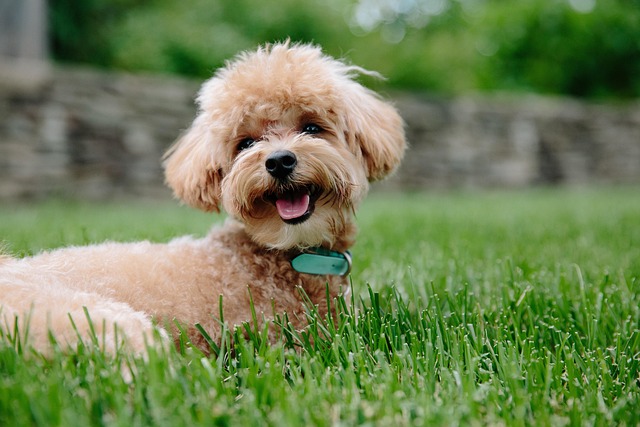
Chiweenies are small dogs, typically weighing between 5 to 15 pounds (2.3 to 6.8 kg) and standing about 6 to 10 inches (15 to 25 cm) tall at the shoulder. Their appearance can vary significantly, as they may favour one parent breed over the other, or present an even blend. Common features include a long body, short legs, large erect ears, and a moderately long muzzle. Their coats can be short and smooth, or long and silky, depending on the Dachshund’s coat type (smooth, longhaired, or wirehaired) and the Chihuahua’s coat. Coat colours are diverse, ranging from solid black, brown, cream, or tan, to brindle, spotted, or a combination of colours. Shedding levels are generally moderate; while they might not be considered hypoallergenic, their smaller size means less hair overall compared to larger breeds.
A Big Dog in a Small Body: Understanding the Chiweenie’s Temperament
The Chiweenie is renowned for its spunky, courageous, and often stubborn personality. Inheriting the bold alertness of the Chihuahua and the determined spirit of the Dachshund, they can be fiercely loyal to their owners. They often form a strong bond with one primary caregiver, sometimes displaying a ‘velcro dog’ tendency, wanting to be by their person’s side at all times. This can translate into significant separation anxiety if not managed properly. Despite their small size, Chiweenies can be quite vocal, barking to alert their owners to perceived threats or simply to express their opinions. This trait, combined with their intelligence, makes them relatively easy to train, though their independent streak can present a challenge. Early socialization is paramount to ensure they grow into well-adjusted dogs who are comfortable around strangers and other animals. Without it, they can become fearful or overly territorial. A unique insight into their behaviour is their tendency to ‘dig’. This stems from the Dachshund’s history as a burrowing dog, and even a domestic Chiweenie might exhibit this instinct by digging at blankets, carpets, or even garden soil. Providing appropriate outlets for this behaviour, such as puzzle toys or a designated digging box if space allows, can help redirect this natural urge.
Navigating Training: The Chiweenie’s Learning Curve
Training a Chiweenie requires patience, consistency, and positive reinforcement. Their intelligence means they pick up commands quickly, but their Dachshund heritage can contribute to a stubborn streak. Harsh methods are counterproductive; instead, focus on reward-based training using treats, praise, and play. Short, frequent training sessions are more effective than long, drawn-out ones for these small dogs. House-training can sometimes be a challenge, as Chiweenies can be prone to marking or having small accidents. Establishing a consistent routine for potty breaks, rewarding successes, and using enzymatic cleaners for accidents are key. Due to their small size and potential for back issues, avoid repetitive jumping from heights, and consider puppy pads or doggy doors to ease the process. Socialization should begin as early as possible. Expose your Chiweenie puppy to a variety of sights, sounds, people, and well-behaved dogs in a controlled and positive manner. This helps prevent timidity or aggression and ensures they grow into confident companions. Enrolling in a puppy socialization class is highly recommended. According to the American Kennel Club (AKC), early socialization is crucial for all breeds, especially small ones that can be easily overwhelmed.

Keeping Your Chiweenie Healthy: Common Concerns
Like all hybrid breeds, Chiweenies can inherit health issues common to their parent breeds. The most significant concern is intervertebral disc disease (IVDD), a serious spinal condition that affects Dachshunds. Their long backs and short legs make them susceptible, and owners must be vigilant about preventing obesity, limiting jumping, and ensuring proper handling to protect their spine. Dental problems are also prevalent. Chihuahuas are prone to issues like gum disease, tooth decay, and overcrowding, and their Chiweenie offspring often inherit this predisposition. Regular dental check-ups with a veterinarian and at-home dental care, such as brushing their teeth with dog-specific toothpaste, are essential from an early age. According to the Veterinary Oral Health Council (VOHC), consistent dental care can significantly reduce the risk of severe dental disease. Other potential health concerns include patellar luxation (dislocated kneecaps), hypoglycemia (low blood sugar, especially in puppies), heart conditions, and eye problems. Regular veterinary check-ups are vital for early detection and management of any health issues. The average lifespan of a Chiweenie is typically 10 to 13 years, with proper care contributing to a longer, healthier life.
Fueling Your Chiweenie: A Balanced Diet
A high-quality dog food formulated for small breeds is ideal for Chiweenies. Look for foods with a named meat source as the first ingredient, and ensure it contains appropriate levels of protein, carbohydrates, and essential fatty acids for energy and coat health. Avoid foods with excessive fillers, artificial colours, or preservatives. Portion control is critical to prevent obesity, a common issue that exacerbates back problems. Consult your veterinarian for specific feeding recommendations based on your dog’s age, activity level, and metabolism. Typically, a small adult Chiweenie may need around 1/2 to 1 cup of dry kibble per day, divided into two meals. Fresh water should always be available. Consider the specific nutritional needs for their parent breeds. Dachshunds can be prone to weight gain, so a calorie-controlled diet may be necessary. Chihuahuas, especially puppies, can be susceptible to hypoglycemia, so ensuring consistent feeding schedules and appropriate nutrient density is important. For instance, a formula designed for small-breed puppies will often have higher calorie and nutrient density than an adult formula.

Keeping Active: Balancing Energy Levels
Chiweenies have moderate energy levels. While they are small, they do require daily exercise to stay healthy and prevent behavioural issues. Short, brisk walks, around 15–30 minutes twice a day, are usually sufficient. Playtime in a safe, enclosed area, such as a securely fenced yard or indoors, is also beneficial. Avoid strenuous activities that could put excessive strain on their backs, such as long-distance running or jumping from high places. Mental stimulation is just as important as physical exercise. Puzzle toys, interactive games, and training sessions can help keep their sharp minds engaged and prevent boredom, which can lead to destructive behaviours. Their small size makes them well-suited for apartment living, provided their exercise needs are met. However, their tendency to be vocal means neighbours might notice if they are left alone for extended periods without proper training or enrichment. Providing engaging toys and possibly a dog walker for longer absences can mitigate this.
Maintaining Your Chiweenie’s Coat and Comfort
Grooming needs for a Chiweenie depend largely on its coat type. Short-haired Chiweenies require minimal grooming, typically just a weekly brush with a soft-bristle brush or grooming mitt to remove loose hair and distribute natural oils. Long-haired varieties will need more frequent brushing, perhaps several times a week, to prevent tangles and mats. Regular nail trims are essential, ideally every 3–4 weeks, to prevent overgrowth, which can cause discomfort and affect gait. Ear cleaning should be done weekly or bi-weekly using a veterinarian-approved ear cleaner to prevent wax buildup and potential infections. As mentioned, daily or near-daily teeth brushing is highly recommended to maintain good oral hygiene. Bathing should be done as needed, typically every 4–6 weeks, using a gentle dog shampoo. Over-bathing can strip the natural oils from their skin and coat. Always ensure you rinse thoroughly and dry them completely, especially in cooler weather.
Chiweenies in the Home: Compatibility with Families and Other Pets
Chiweenies can be wonderful companions for families, but careful consideration is needed, especially if young children are present. Their small size and delicate build mean they can be easily injured by rough play. Children should be taught how to interact gently and respectfully with their pet. Supervision is always recommended when Chiweenies are around very young children. When introducing a Chiweenie to other pets, especially larger dogs, supervision and slow introductions are key. While they can learn to coexist, their small size can make them a target for boisterous play from bigger dogs. Their Chihuahua heritage might also make them a bit wary of other dogs, so early socialization is crucial. If your household already includes cats, Chiweenies may adapt well, especially if introduced properly, as they often view smaller creatures as companions rather than prey, provided they are socialized early.
Common Mistakes to Avoid When Owning a Chiweenie
One of the most common mistakes owners make is underestimating the Chiweenie’s need for consistent training and socialization. Their small size can lead some owners to believe they don’t require the same level of discipline as larger breeds, which is a misconception. A lack of consistent training can lead to a dog that’s overly yappy, difficult to house-train, or prone to separation anxiety. Another significant error is neglecting their spinal health. Allowing a Chiweenie to jump on and off high furniture repeatedly or carry them improperly can lead to serious and painful back injuries. Owners must be mindful of their physical limitations and protect their delicate spines. Providing ramps or steps for furniture access can be a helpful preventative measure. Failing to provide adequate mental stimulation is also a common pitfall. A bored Chiweenie can become a destructive Chiweenie, engaging in behaviours like excessive barking, chewing, or digging. Ensure you provide a variety of puzzle toys, training exercises, and interactive play to keep their minds sharp and energies channelled constructively.
Adopting a Chiweenie: What to Look For
When looking for a Chiweenie, whether from a breeder or a rescue organisation, consider their temperament and health history. Reputable breeders will be transparent about the health of the parent dogs and any potential genetic predispositions. They should also allow you to meet the puppy and, ideally, one of the parent dogs to gauge temperament. Costs for Chiweenie puppies can range from £300 to £800, depending on the breeder’s reputation, location, and the puppy’s lineage. Rescue organisations often have Chiweenies or similar mixes available for adoption. Adopting can be a rewarding experience, giving a deserving dog a second chance. Rescue dogs may come with some behavioural quirks or health concerns that have been managed, and rescue staff can often provide valuable insights into their personalities. The fees for adoption are typically lower, often covering initial veterinary care like spaying/neutering and vaccinations. Regardless of where you find your Chiweenie, ensure you are prepared for the commitment. These dogs require consistent care, training, and attention. A well-cared-for Chiweenie can be a devoted and joyful addition to a household for many years.
Frequently Asked Questions About Chiweenies
Are Chiweenies good apartment dogs?
Yes, Chiweenies generally make excellent apartment dogs due to their small size and moderate exercise needs. However, their tendency to be vocal means owners must actively work on managing barking through training and ensuring they aren’t left alone for excessively long periods.
Do Chiweenies shed a lot?
Their shedding level can vary. Short-haired Chiweenies tend to shed moderately, while long-haired types may shed a bit more. Regular brushing helps manage loose hair, but they are not considered a low-shedding breed.
What health problems are common in Chiweenies?
The most significant health concerns include spinal issues like Intervertebral Disc Disease (IVDD) due to their Dachshund heritage, and dental problems inherited from both parent breeds. Patellar luxation and hypoglycemia are also potential issues.
How long do Chiweenies live?
With proper care, diet, exercise, and veterinary attention, a Chiweenie typically has a lifespan of 10 to 13 years. Some may live even longer.
Are Chiweenies good with children?
Chiweenies can be good with children, but supervision is essential. Their small size makes them vulnerable to injury from rough play, so they are often better suited to families with older, gentle children who understand how to interact with small dogs.
How much exercise does a Chiweenie need?
They require moderate daily exercise, typically 15–30 minutes of brisk walking twice a day, along with indoor playtime. Mental stimulation through toys and training is also crucial. Information current as of July 2026; pricing and product details may change.