A Majestic Hound with a Storied Past
The Rhodesian Ridge back, often referred to as the “African Lion Hound,” is a striking and powerful breed with a rich history rooted in the heart of Southern Africa. These dogs are renowned for their distinctive ridge of hair running down their backs, a trait that sets them apart. As of June 2026, their popularity continues to grow, admired for their loyalty, courage, and dignified demeanour.
Last updated: June 5, 2026
A common question is whether this powerful breed is suitable for the average pet owner. While they possess an independent spirit and require consistent, firm guidance, their devoted nature makes them exceptional companions for the right households. Understanding their heritage and inherent traits is key to fostering a harmonious relationship.
Key Takeaways
- The Rhodesian Ridge back originated in Southern Africa, bred for hunting large game and protecting homes.
- They are known for their distinctive ridge of hair growing in the opposite direction to the rest of their coat.
- These dogs possess a strong, independent, and sometimes stubborn nature, requiring consistent training.
- Sufficient daily exercise is crucial to manage their energy levels and prevent behavioural issues.
- Potential health concerns include hip and elbow dysplasia, as well as certain cardiac and thyroid conditions.
Forged in the Wilderness: The Rhodesian Ridge back’s Heritage
The story of the Rhodesian Ridge back is intrinsically linked to the rugged landscapes and challenges of Southern Africa. Their development began in the 19th century, primarily in the region that would become Rhodesia (now Zimbabwe). Farmers and hunters needed a versatile dog capable of tackling formidable prey, including lions, and also serving as a reliable guard dog for their homes and families.
The breed’s foundation was laid by interbreeding local Khoikhoi hunting dogs, known for their distinctive dorsal ridge, with various European breeds brought by settlers. These included Mastiffs, Greyhounds, and Bulldogs. The goal was to combine the resilience and hunting prowess of the indigenous dogs with the strength, speed, and courage of European breeds.
This careful crossbreeding resulted in a dog that could withstand the harsh African climate, track game over vast distances, possess the bravery to bay large animals without engaging directly, and exhibit unwavering loyalty to its master. The breed standard was officially drafted in 1922 by Francis Barnes, solidifying the characteristics that define the Rhodesian Ridge back today.
A Striking Appearance: The Ridge back’s Defining Features
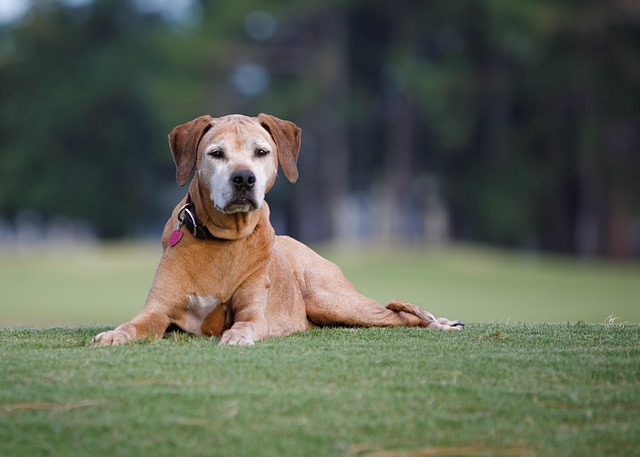
The most immediately recognizable feature of the Rhodesian Ridge back is the ‘ridge’ – a strip of hair running along their spine, growing in the opposite direction to the rest of their coat. This ridge must be well-defined, tapering towards the hindquarters, and contain two whorls of hair directly opposite each other. While this is the breed’s hallmark, it’s also been associated with certain genetic health issues, which we’ll discuss later.
Beyond the ridge, the Rhodesian Ridge back is a large, muscular, and athletic dog. Males typically stand between 25 to 27 inches (63 to 69 cm) at the shoulder, while females are slightly smaller, ranging from 24 to 26 inches (61 to 66 cm). Their weight usually falls between 70 to 85 pounds (32 to 39 kg), though some may be heavier. They possess a powerful build, conveying strength and endurance.
Their coat is short, dense, and sleek, typically appearing in shades of light to medium wheaten. Red wheaten is the most common. While this coat requires minimal grooming, it offers little protection against extreme cold. Their eyes are usually dark and intelligent, conveying a watchful and dignified expression. Their ears are set fairly high and hang close to the cheeks.
A Dignified Companion: Understanding the Ridge back’s Nature
The Rhodesian Ridge back is often described as dignified, independent, and aloof with strangers, yet deeply affectionate and loyal to their families. They are not a breed that thrives on constant attention but rather one that forms strong bonds with their owners and seeks companionship. Their reserved nature with unfamiliar people stems from their historical role as guard dogs.
They possess a strong guardian instinct and will readily alert their family to perceived threats. However, this doesn’t mean they are overly aggressive. With proper socialization from a young age, they can learn to distinguish between genuine threats and harmless visitors. Their intelligence is considerable, but it’s often coupled with a stubborn streak, making consistent training paramount.
In real terms, this means a Rhodesian Ridge back might try to test boundaries. They are not a breed for novice owners who are unsure about establishing clear leadership. A firm, fair, and consistent approach is essential to guide their independent spirit. They can be playful and enjoy interaction with their family, but they also appreciate quiet time and are not typically prone to excessive barking.
A common misconception is that their size and strength equate to aggression. While they are powerful dogs, their temperament is generally balanced, provided their needs for exercise, mental stimulation, and training are met. They can be sensitive to harsh correction, responding better to positive reinforcement methods.
An Active Breed’s Needs: Keeping Your Ridge back Engaged
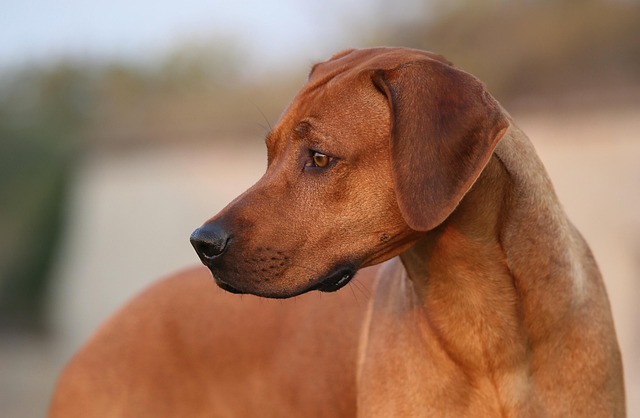
Rhodesian Ridge backs are athletic dogs bred for endurance and require a significant amount of daily exercise to remain healthy and well-behaved. A simple walk around the block is unlikely to suffice. They need opportunities to run, play, and engage their bodies and minds vigorously.
A minimum of 60 to 90 minutes of vigorous exercise per day is recommended for adult Ridge backs. This can include long walks, brisk jogs, hiking, or playing fetch in a securely fenced area. Due to their prey drive, letting them off-leash in unfenced areas is generally not advised, as they may chase after small animals or other stimuli.
Mental stimulation is just as crucial as physical activity. Boredom can lead to destructive behaviours, such as chewing furniture or digging. Puzzle toys, obedience training sessions, and learning new tricks can help keep their intelligent minds occupied. Introducing them to new environments and experiences also contributes to their mental well-being.
For example, a weekend hike in a nature reserve or engaging in canine sports like agility or tracking can be incredibly rewarding for a Rhodesian Ridge back. These activities not only provide exercise but also strengthen the bond between dog and owner. Without adequate outlets for their energy, they can become restless and potentially develop behavioural issues.
Navigating the Ridge back’s Mind: Training and Socialization Strategies
Training a Rhodesian Ridge back requires patience, consistency, and a deep understanding of their independent nature. They are intelligent dogs, but they don’t always have the same eagerness to please as some other breeds. Early socialization is non-negotiable and should begin from puppyhood.
Exposing your Rhodesian Ridge back puppy to a wide variety of sights, sounds, people, and other animals in a positive and controlled manner is essential. This helps them grow into well-adjusted adults who are confident and not fearful or reactive. Puppy socialization classes are an excellent starting point.
When it comes to obedience training, positive reinforcement methods work best. This involves rewarding good behaviour with praise, treats, or toys. Harsh punishment or inconsistent training can lead to a distrustful or anxious dog, which can manifest in behavioural problems. They respond well to clear commands and a confident handler.
Worth noting, their strong prey drive means they may instinctively chase smaller animals. This behaviour needs to be managed through training and careful supervision, especially around cats or other pets in the home. Introducing them to these animals from a young age, when properly supervised, can help foster peaceful coexistence. A consistent training regime, ideally starting around 8 weeks of age, will set the foundation for a well-behaved adult dog.
Health Considerations for the Rhodesian Ridge back
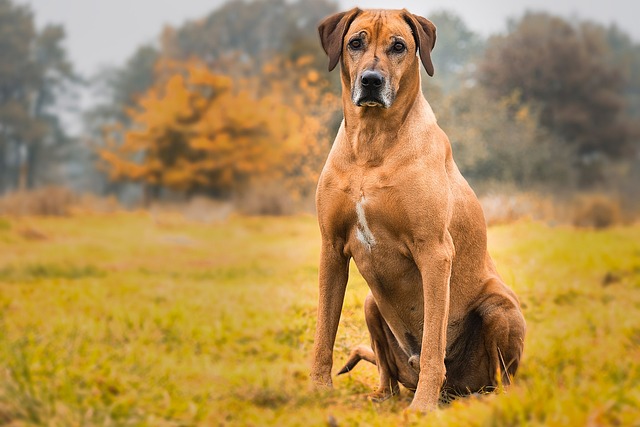
Like all breeds, Rhodesian Ridge backs are prone to certain genetic health conditions. Responsible breeders screen their dogs for these issues to minimise the risk of passing them on. The average lifespan for a Rhodesian Ridge back is typically between 10 to 12 years, though many can live longer with good care and genetics.
One of the most discussed health concerns is Dermoid Sinus (DS), a congenital condition linked to the dorsal ridge. This is a defect in the skin that can range from a minor issue to a more serious spinal problem. Reputable breeders will test their puppies for DS and only breed dogs that are clear of the condition. According to the Rhodesian Ridge back Club of the United States, around 5% of puppies may be born with this condition, but responsible breeding practices significantly reduce this risk.
Other common health issues in the breed include:
- Hip and elbow dysplasia: A common skeletal condition in large breeds, affecting joint development.
- Bloat (Gastric Dilatation-Volvulus, GDV): A life-threatening condition where the stomach fills with gas and can twist.
- Certain heart conditions: Such as subvalvular aortic stenosis (SAS).
- Hypothyroidism: A condition affecting the thyroid gland.
- Eye conditions: Including progressive retinal atrophy (PRA) and cataracts.
Regular veterinary check-ups, a balanced diet, and appropriate exercise are crucial for maintaining the health of a Rhodesian Ridge back throughout its life. Early detection and management of any health issues can significantly improve a dog’s quality of life and longevity.
Caring for Your Ridge back: Grooming and Nutrition
The Rhodesian Ridge back’s short, dense coat is relatively low-maintenance. Weekly brushing with a firm-bristle brush or grooming mitt is usually sufficient to remove loose hair and keep the coat healthy. They are moderate shedders, so regular brushing will help manage shedding around the home.
Bathing should only be done when necessary, typically when the dog is particularly dirty or has a strong odor. Over-bathing can strip the natural oils from their skin and coat. Nail trimming should be done regularly, usually every few weeks, to prevent overgrowth, which can cause discomfort and affect gait. Ear cleaning should also be part of their routine care to prevent infections.
When it comes to diet, a high-quality dog food formulated for large breeds is recommended. These foods are balanced with the appropriate levels of protein, fat, and essential nutrients to support their energy needs and skeletal development. Feeding puppies a large-breed puppy formula is especially important to ensure controlled growth and reduce the risk of skeletal issues like hip dysplasia.
The wrinkle here is that adult Ridge backs can be prone to weight gain if overfed or not exercised enough. It’s important to monitor their food intake and body condition. Consult with your veterinarian for specific dietary recommendations based on your dog’s age, activity level, and any health conditions. For instance, a very active adult might require more calories than a less active one.

Is the Rhodesian Ridge back Right for Your Family?
The Rhodesian Ridge back can be an excellent family pet, but suitability depends heavily on the family’s lifestyle and experience. They are known to be good with children, especially if raised with them from a young age. Their patient and protective nature can make them wonderful companions for youngsters.
However, their size and strength mean that supervision is always advised when they are around very young children. A playful nudge from an excited Ridge back could inadvertently knock over a toddler. Their strong prey drive means that households with very small pets, like hamsters or birds, might find managing interactions challenging.
Potential owners should consider their living situation. While they can adapt to various environments, including apartments, if their exercise needs are met, they thrive best with access to a securely fenced yard. Their strong guarding instincts and protective nature make them an excellent watchdog.
Worth noting, they are not a breed that enjoys being left alone for extended periods. They are social dogs who form deep bonds with their families and can suffer from separation anxiety if left isolated too frequently. This is why a dedicated owner who can provide ample companionship, training, and exercise is crucial.
Avoiding Pitfalls: Common Mistakes with Rhodesian Ridge backs
When bringing a Rhodesian Ridge back into your home, understanding potential challenges can prevent common mistakes. One of the most frequent errors is underestimating their need for exercise and mental stimulation. A tired Ridge back is a well-behaved Ridge back, whereas a bored one can become destructive.
Another pitfall is inconsistent training. These dogs are smart and can be stubborn. If training is sporadic or lacks clear leadership, they will take advantage of any perceived weakness, leading to behavioural issues. All family members must be on the same page with rules and commands.
Failing to socialize them adequately is a significant oversight. Without early and ongoing exposure to different people, places, and situations, they can develop fearfulness or over-protectiveness towards strangers. This can lead to unwanted reactivity.
Lastly, assuming their protective nature makes them natural guard dogs without any training is a mistake. While they have the instinct, proper training is needed to channel it appropriately. A Rhodesian Ridge back needs a confident, experienced owner who can provide structure and guidance throughout their life.
Expert Insights for Ridge back Owners
From experienced breeders and trainers, here are some key insights for potential and current Rhodesian Ridge back owners. Firstly, understand that the ‘ridge’ is special, but also requires mindful attention. Ensure you are working with a breeder who screens for Dermoid Sinus and understands its genetic implications. The Rhodesian Ridge back Club of the United States (RRCUS) is a valuable resource for finding reputable breeders and understanding health clearances.
Secondly, embrace their intelligence by incorporating training into daily life. This doesn’t just mean obedience classes; it can be as simple as teaching them new tricks or practicing commands during their walks. Mental challenges are as important as physical ones for this breed.
Thirdly, consistency is your best friend. Whether it’s house rules, feeding times, or training commands, a predictable routine helps your Ridge back feel secure and understand expectations. They thrive on structure.
Finally, never underestimate their need for companionship. These dogs are pack animals at heart. While they are independent thinkers, they are happiest when they are part of the family’s activities. Leaving them alone for 8–10 hours daily without arrangements for exercise or interaction can lead to unhappiness and behavioural problems. For owners who travel frequently or work long hours, considering a dog walker or doggy daycare is a wise investment.
Frequently Asked Questions
Are Rhodesian Ridge backs aggressive?
Rhodesian Ridge backs are not inherently aggressive but possess strong protective instincts. With proper socialization and training from a young age, they can be calm and well-behaved. Their reserved nature towards strangers is typical, but they are loyal and affectionate with their families.
How much exercise does a Rhodesian Ridge back need daily?
Adult Rhodesian Ridge backs require at least 60 to 90 minutes of vigorous exercise daily. This includes activities like long walks, jogging, hiking, or vigorous play sessions in a securely fenced area to satisfy their athletic needs.
What is the average lifespan of a Rhodesian Ridge back?
The average lifespan for a Rhodesian Ridge back is typically between 10 to 12 years. However, with excellent genetics, proper nutrition, regular veterinary care, and adequate exercise, many individuals can live longer, healthy lives.
Are Rhodesian Ridge backs good with children?
Yes, Rhodesian Ridge backs can be excellent family dogs and are generally good with children, especially if raised with them. Their patient and protective nature makes them loyal companions. However, due to their size and strength, supervision is advised around very young children.
What are the common health problems for Rhodesian Ridge backs?
Common health concerns include hip and elbow dysplasia, bloat (GDV), certain heart conditions like SAS, hypothyroidism, and eye issues. Dermoid Sinus, linked to their dorsal ridge, is also a notable condition that responsible breeders screen for.
Do Rhodesian Ridge backs shed a lot?
Rhodesian Ridge backs have a short, dense coat and are considered moderate shedders. Regular weekly brushing helps to manage shedding and keep their coat in good condition, but they are not a hypoallergenic breed.
Information current as of June 2026; pricing and product details may change.
Source: Britannica
Editorial Note: This article was researched and written by the Pet Magazine editorial team. We fact-check our content and update it regularly. For questions or corrections, contact us. Knowing how to address dog african ridgeback early makes the rest of your plan easier to keep on track.
Related read: Choosing Perfect Corgi Dog Names in 2026
Related read: Double Coated Dogs: Understanding Their Unique Fur and Care.
Related read: Are Dogs Carnivores? The Science Behind Your Dog's Diet in 2026.