ns”>From African Plains to Global Presence: A Breed’s Journey
From African Plains to Global Presence: A Breed’s Journey
The story of the African Ridgeback is intrinsically linked to the rugged landscapes and pioneering spirit of Southern Africa. The breed’s origins trace back to the late 19th century, where European settlers sought to create a capable hunting and guard dog suited to the challenging African environment. They crossbred their existing dogs, including Mastiffs, Greyhounds, and Bloodhounds, with the native Khoikhoi (Hottentot) dogs, which were known for their distinctive ridge of hair growing in the opposite direction along their spine.
Last updated: June 5, 2026
These hardy Khoikhoi dogs were formidable hunters and protectors, adept at fending off lions and other large predators. The settlers aimed to harness these traits, breeding for courage, endurance, and the characteristic ridge. The first breed standard was officially drafted in Bulawayo, Southern Rhodesia (now Zimbabwe), in 1922 by F.R. Barnes, and the breed was later approved by the South African Kennel Union in 1927. This careful development established the Rhodesian Ridgeback as a distinct breed, capable of facing down formidable prey and serving as a loyal family guardian.

The breed’s prowess quickly gained recognition, not just for its hunting abilities but also for its protective instincts. By the mid-20th century, the Rhodesian Ridgeback began to gain international popularity, being exported to Europe and North America. Despite its formidable reputation, it became increasingly valued as a dedicated and intelligent family pet, provided its needs for training, socialisation, and exercise were met.
The Defining Features of the African Ridgeback
The most immediately recognisable feature of the African Ridgeback, and the trait that gives it its name, is the prominent ridge of hair running down its back. Hair growing in the forms this ridge opposite direction to the rest of the coat. According to the Rhodesian Ridgeback Club of Australia, the ridge should be well-defined, tapering towards the tail, and contain two whorls of hair of equal size and standing erect. The presence and symmetry of this ridge are key breed characteristics, though its exact genetic purpose remains a subject of interest.
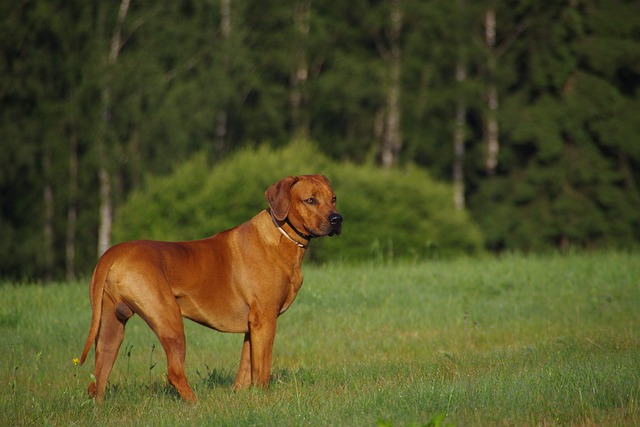
Beyond the ridge, the Rhodesian Ridgeback is a powerfully built, muscular dog of substantial size. Males typically stand between 25 to 27 inches (63.5 to 68.5 cm) at the shoulder, while females are slightly smaller, usually between 24 to 26 inches (61 to 66 cm). Their weight reflects their build, with males often weighing between 70 to 80 pounds (32 to 36.5 kg) and females around 65 to 75 pounds (29.5 to 34 kg). The breed’s coat is short, dense, and glossy, typically in shades of wheaten—ranging from light golden to reddish-brown. This uniformity in colour is a hallmark of the breed, with only minimal white, black, or brindle markings permitted on the chest and toes.
Their overall appearance is one of symmetry, strength, and dignity. They possess a well-proportioned head, strong jaws, and dark, medium-sized eyes that convey intelligence and alertness. Their ears are set relatively high and hang close to the cheeks. The tail is thick at the base, tapering to a point, and is carried with a slight upward curve when alert, but not over the back.
A Dignified Companion: Understanding the Ridgeback’s Mind
The temperament of the Rhodesian Ridgeback is often described as dignified, independent, and loyal. While they can be reserved with strangers, they form strong bonds with their families and are known for their protective nature. This breed is not typically an aggressive dog but possesses a natural guarding instinct that makes them wary of intruders or unusual situations. Early and consistent socialisation is crucial to ensure they grow into well-adjusted adults, comfortable in various social settings.
Rhodesian Ridgebacks are intelligent dogs, but their intelligence can sometimes manifest as stubbornness. They respond best to positive reinforcement training methods, with clear, consistent commands and rewards. They are not typically known for excessive barking, preferring to reserve their vocalizations for genuine alerts. Their independence means they can sometimes be perceived as aloof, but beneath that stoic exterior lies a deeply affectionate and devoted companion.
Worth noting, the breed’s historical role as a big-game hunter means they have a strong prey drive. This instinct can extend to smaller animals, including cats and other pets, if not managed through early socialisation and ongoing training. When raised with other household pets from a young age, many Ridgebacks can coexist harmoniously, but vigilance is always advised.

Guiding the Ridgeback: Essential Training Strategies
Training a Rhodesian Ridgeback requires patience, consistency, and an understanding of their independent nature. These dogs are intelligent and capable of learning a wide range of commands, but they may not always be eager to please in the same way some other breeds are. Therefore, positive reinforcement techniques, such as using treats, praise, and play, are highly effective. Harsh corrections or aversive methods are counterproductive and can damage the dog’s trust.
Puppy socialisation is paramount. From a young age, expose your Ridgeback puppy to a variety of people, places, sounds, and other animals. This early exposure helps them develop into confident, well-adjusted adults who are less likely to be fearful or reactive. Enrolling in puppy socialisation classes is an excellent way to manage this process in a controlled environment.
For adult Ridgebacks, particularly those with a strong guarding instinct, continued training and reinforcement of boundaries are essential. Basic obedience commands like ‘sit’, ‘stay’, ‘come’, and ‘leave it’ should be mastered. A reliable ‘recall’ command is particularly important given their prey drive. The breed’s intelligence also means they benefit from mental stimulation through training exercises, puzzle toys, and learning new tricks. According to the American Kennel Club (AKC) as of 2026, consistent training and socialisation are key to a well-behaved Rhodesian Ridgeback.
Keeping Your Ridgeback Engaged: Needs and Solutions
Rhodesian Ridgebacks are athletic dogs bred for endurance and purpose. They require a significant amount of daily exercise to maintain their physical and mental well-being. A minimum of 60 to 90 minutes of vigorous activity per day is generally recommended. This can include brisk walks, jogging, hiking, or engaging in canine sports.
Simply letting a Ridgeback out into a backyard is often insufficient. They need structured activity and opportunities to burn off their energy. Without adequate exercise, they can become restless, bored, and prone to developing destructive behaviours, such as chewing furniture or excessive digging. A bored Ridgeback can also become more vocal or anxious.
Mental stimulation is equally important. Puzzle toys, scent games, and training sessions can help keep their sharp minds engaged. Introducing new challenges and experiences helps prevent boredom and reinforces their training. Consider activities like agility, tracking, or obedience trials if you and your Ridgeback enjoy structured challenges. Providing both physical and mental outlets ensures your Ridgeback remains a happy, well-behaved companion.
Ensuring a Healthy Life for Your Ridgeback
While generally a strong breed, the African Ridgeback is prone to certain genetic health conditions. Responsible breeding practices and regular veterinary check-ups are vital for early detection and management of these issues. As of 2026, common concerns that breeders and owners monitor include hip and elbow dysplasia, which are orthopaedic conditions affecting the joints. Responsible breeders will screen their dogs for these conditions.
Another condition to be aware of is hypothyroidism, a disorder of the thyroid gland that can affect metabolism. Degenerative myelopathy, a progressive neurological disease affecting the spinal cord, is also seen in the breed. Less commonly, but still a concern, is dermoid sinus (or ‘ridge cyst’), a congenital defect associated with the dorsal ridge, which can become infected if not properly managed. Some sources indicate that up to 4% of the breed may be affected by this condition, though not all cases are severe.
The typical lifespan of a Rhodesian Ridgeback is between 10 to 12 years. By providing a balanced diet, regular exercise, prompt veterinary care, and a loving environment, owners can help their Ridgeback live a long and healthy life. Early detection and treatment of any health issues are key to ensuring their quality of life.
Daily Life with an African Ridgeback
Caring for an African Ridgeback involves meeting their physical, mental, and emotional needs. Their short, dense coat requires minimal grooming; a weekly brush is usually sufficient to remove loose hair and keep the coat healthy. Regular nail trims, ear cleaning, and dental care are also part of routine maintenance.
Diet is a critical component of their care. High-quality dog food appropriate for their age, size, and activity level is essential. It’s important to monitor their food intake to prevent obesity, which can exacerbate joint issues. Many owners opt for premium kibble or a veterinarian-approved raw diet. Always ensure fresh water is readily available.

Training and socialisation, as discussed, are ongoing processes. Providing a safe and secure environment is also crucial. Given their strong guarding instincts and prey drive, a securely fenced yard is highly recommended. If your Ridgeback is prone to digging or escaping, ensuring the fence is strong and deep enough is vital. They are also sensitive dogs and thrive on companionship; they don’t do well if left alone for extended periods.
Is the African Ridgeback the Right Breed for Your Family?
The African Ridgeback can be an excellent family pet, but they are not suited for every household. Their suitability depends heavily on the family’s lifestyle, experience with dogs, and commitment to training and socialisation. They are generally good with children, especially if raised with them, and their protective nature can make them excellent guardians. However, their large size means they can inadvertently knock over very young children during play, so supervision is always necessary.
Owners should be prepared for a dog that requires consistent exercise and mental engagement. An active family or individual who enjoys outdoor activities like hiking or running would be a good match. First-time dog owners might find the breed’s independence and strong will challenging. Experienced dog handlers who understand canine behaviour and are committed to positive, consistent training tend to have the most success.
If you are looking for a dog that’s a calm, dignified presence in the home, a loyal protector, and an affectionate companion, the Rhodesian Ridgeback could be an ideal choice. However, if you prefer a highly eager-to-please dog, or if your lifestyle doesn’t allow for significant time commitment to training and exercise, other breeds might be a better fit. As of June 2026, prospective owners are strongly encouraged to research the breed thoroughly and meet Ridgebacks in person to gauge their temperament.
Pitfalls to Sidestep When Owning a Ridgeback
One of the most common mistakes is underestimating the exercise and mental stimulation needs of a Rhodesian Ridgeback. Owners might assume their large size means they are content with lounging around the house, but this is rarely the case. Boredom and pent-up energy can lead to destructive behaviour, anxiety, and even aggression. Providing less than the required 60-90 minutes of vigorous activity daily is a frequent oversight.
Another significant error is neglecting early and ongoing socialisation. Because Ridgebacks can be naturally reserved or wary of strangers and possess a strong prey drive, insufficient exposure to different people, environments, and other animals can result in a fearful, reactive, or overly protective dog. This is particularly true as they mature. Without proper socialisation, their guarding instincts can become problematic.
Underestimating their intelligence and independence during training is also a pitfall. Some owners may try to use basic obedience methods that work for other breeds, only to find the Ridgeback is resistant. They need a leader who is firm but fair, using positive methods and understanding that training is a marathon, not a sprint. Forgetting that they are sensitive and thrive on human companionship, and therefore leaving them alone for excessive periods, can lead to separation anxiety and related behavioural issues.
Maximising Your Ridgeback Experience
To truly thrive with an African Ridgeback, consider these expert insights and best practices. Firstly, invest time in finding a reputable breeder. A good breeder will be knowledgeable about the breed’s health, temperament, and lineage, and will be happy to answer your questions and allow you to meet the puppy’s parents. They will also screen their dogs for common health issues, which can significantly reduce the risk of inherited conditions.
Secondly, embrace the concept of ‘balanced training’. This means combining obedience training with mental enrichment. Activities like scent work, agility, or even advanced trick training can provide a fulfilling outlet for their intelligence. As noted by the Rhodesian Ridgeback Club of America, mental challenges are as important as physical ones for this breed. Varied training sessions, keeping them short and fun, will yield the best results.
Finally, understand and respect their natural instincts. While you can manage their prey drive and guarding tendencies through training, these are deep-seated traits. If you have other small pets, introduce them cautiously and under supervision. Ensure your fencing is secure, and always keep your Ridgeback on a lead in unfenced areas. By working with their nature rather than against it, you can build a stronger bond and ensure a harmonious life together.
Frequently Asked Questions
Are Rhodesian Ridgebacks aggressive dogs?
Rhodesian Ridgebacks are not inherently aggressive, but they possess strong guarding instincts and can be protective of their families. With proper socialisation and training from a young age, they are typically well-mannered and stable. Their behaviour towards strangers depends heavily on early exposure and leadership.
How much do Rhodesian Ridgeback puppies cost in 2026?
As of June 2026, the price for a Rhodesian Ridgeback puppy from a reputable breeder can range significantly, often from $1,500 to $3,000 or more, depending on the breeder’s reputation, lineage, and location. Costs can vary widely, and it’s essential to prioritise health and temperament over price.
What is the lifespan of a Rhodesian Ridgeback?
The average lifespan for a Rhodesian Ridgeback is typically between 10 to 12 years. This can be influenced by genetics, diet, exercise, and overall health care. Regular veterinary check-ups and a healthy lifestyle are key to maximising their years.
Are Rhodesian Ridgebacks easy to train?
Rhodesian Ridgebacks are intelligent but independent dogs, which can make training challenging for inexperienced owners. They respond best to consistent, positive reinforcement methods. Patience and understanding of their nature are crucial for successful training.
Do Rhodesian Ridgebacks shed a lot?
No, Rhodesian Ridgebacks have a short, dense coat that sheds moderately. Regular weekly brushing helps to manage shedding and keep their coat healthy. They are not considered a hypoallergenic breed, but their shedding is generally less than that of many other large breeds.
Are Rhodesian Ridgebacks good with children?
When properly socialised from puppyhood and supervised, Rhodesian Ridgebacks can be excellent companions for children. Their loyalty and protective nature extend to their family, including younger members. However, their large size means caution is needed around very small children to prevent accidental knocks.
Bringing Home Your Ridgeback
The African Ridgeback, or Rhodesian Ridgeback, is a breed defined by its striking appearance, courageous spirit, and profound loyalty. From their origins as formidable hunters in Southern Africa to their current status as devoted family guardians, they offer a unique blend of strength and affection. While they require dedicated training, ample exercise, and consistent socialisation, the rewards of owning such a noble and devoted companion are immense.
If you are prepared to meet their needs with understanding and commitment, the African Ridgeback can be an unparalleled addition to your life, offering security, companionship, and a dignified presence for years to come. Your journey with this magnificent breed promises to be one of mutual respect and deep connection.
Information current as of June 2026; pricing and product details may change.
Editorial Note: This article was researched and written by the Pet Magazine editorial team. We fact-check our content and update it regularly. For questions or corrections, contact us. Knowing how to address dog african ridgeback early makes the rest of your plan easier to keep on track.
Related read: Havanese Haircuts: Styles, Costs, and Care in 2026
Related read: Whale Eyes Dog: Understanding the Meaning and When to Worry in 2026
Related read: Are Bananas Good for Dogs? A 2026 Guide.
Related read: Doberman Pitbull Mix: Understanding the 'Doberpit'.