issues.
Forged in Africa: The Rhodesian Ridge back’s Storied Past
The story of the African Ridge back is deeply intertwined with the history of Southern Africa. Its lineage can be traced back to the ridged hunting and guardian dogs of the indigenous Khoikhoi people. These resilient canines were adept at tracking and confronting large game, including lions, without necessarily killing them, but rather baying them until the hunter arrived.
Last updated: June 5, 2026
By the 17th century, European settlers began to arrive, bringing their own dogs. These breeds were likely interbred with the native ridged dogs, further refining their hunting prowess and protective instincts. The breed as we know it today truly began to take shape in the late 19th and early 20th centuries, with figures like Cornelius van Rooyen in Rhodesia (now Zimbabwe) playing a key role in standardizing the breed.
The breed standard was officially drafted in 1922 by F.R. Barnes, and later approved by the South African Kennel Union in 1927. These dogs were not bred for show initially, but for utility: to be courageous, agile, and formidable hunters and protectors. This working heritage is still evident in their behaviour and needs today.

A Striking Silhouette: Understanding the Ridge back’s Physique
The most defining physical characteristic of the Rhodesian Ridge back is, of course, the ridge of hair running down its back. This distinctive feature consists of a symmetrical band of hair growing in the opposite direction to the rest of the coat. According to the breed standard, this ridge should be well-defined, tapering towards the tail, and contain two whorls of hair equidistant from its centre. While this is their hallmark, it’s also a genetic trait that can sometimes be associated with certain health conditions, though not all dogs with a ridge experience issues.
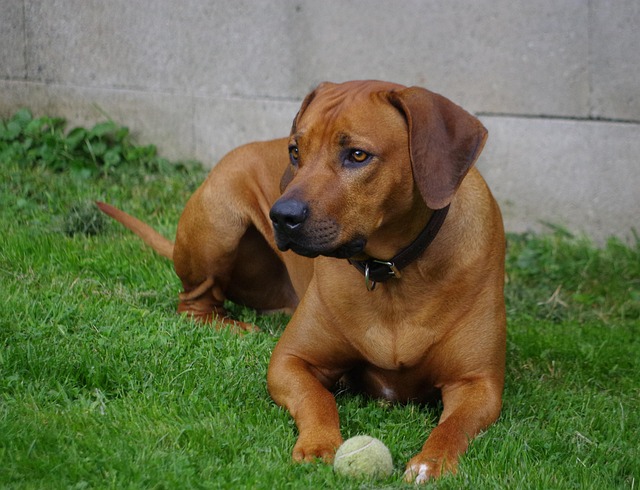
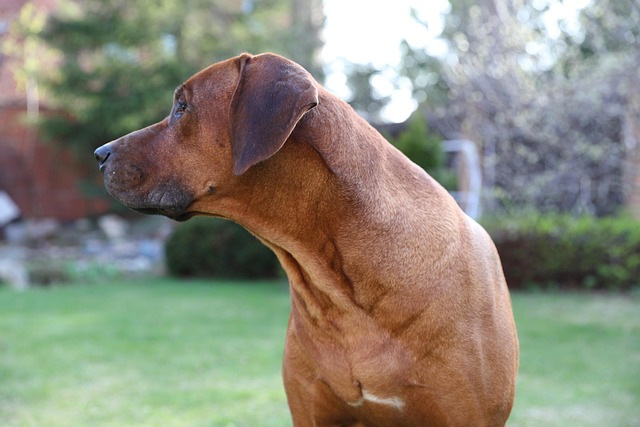
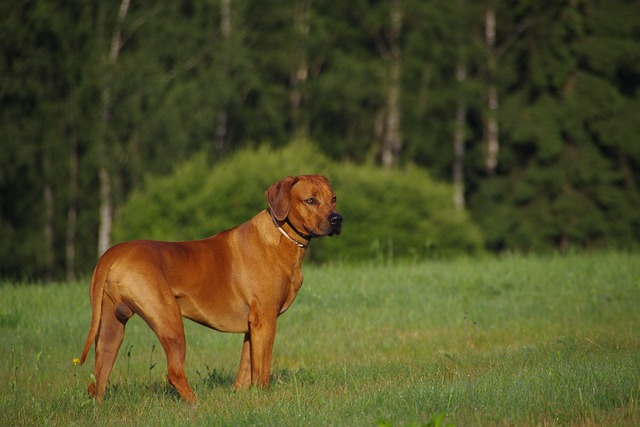
Beyond the ridge, the African Ridge back is a powerfully built, muscular dog. They stand tall, typically between 24 to 27 inches at the shoulder, and weigh between 70 to 85 pounds (32-39 kg) for males, with females being slightly smaller. Their coat is short, dense, and glossy, coming in shades of wheaten, from light to reddish-wheaten. This strong build allows them to cover ground swiftly and powerfully, reflecting their hunting and guarding heritage.
Their head is long and broad, with a deep muzzle and dark or amber eyes that convey intelligence and alertness. The ears are set high and hang close to the cheeks. Overall, the African Ridge back presents an image of elegance combined with strength, a truly striking presence.
Dignified, Loyal, and Independent: The Ridge back’s Character
The Rhodesian Ridge back is often described as dignified, intelligent, and independent. They are not typically an overly boisterous breed, preferring a calm and composed demeanour in most situations. However, beneath this serene exterior lies a deep well of loyalty and affection for their family. They often form a particularly strong bond with their primary caregiver.
While generally good-natured and even-tempered, they can exhibit a stubborn streak. This intelligence, combined with a desire to please their chosen humans, makes them trainable, but requires a firm, consistent, and positive approach. Harsh methods are counterproductive with this sensitive breed.
Their protective instincts are strong, making them excellent watchdogs and potentially good guard dogs for those who understand their breed-specific needs and can provide proper training and socialization. They are not inherently aggressive, but they will alert their family to anything they perceive as unusual or a threat. Early and consistent socialization is paramount to ensure they are comfortable and confident around strangers, children, and other animals.
Fueling the Fire: Exercise and Mental Engagement for Ridge backs
This is arguably one of the most critical aspects of owning an African Ridge back. These dogs were bred to cover vast distances, track prey, and possess incredible stamina. As such, they require a significant amount of daily physical exercise. A short walk around the block simply won’t suffice. We’re talking about a minimum of 60–90 minutes of vigorous activity per day, often more.
This exercise can take many forms: long, brisk walks, jogging, hiking, or vigorous play sessions in a securely fenced yard. Without adequate physical outlets, a Rhodesian Ridge back can become restless, bored, and destructive. Frustration can manifest as excessive barking, digging, chewing, or other undesirable behaviours.
Beyond physical exertion, mental stimulation is just as vital. Puzzle toys, obedience training sessions, scent work, and learning new tricks can help keep their intelligent minds engaged. A mentally stimulated Ridge back is a happier, better-behaved Ridge back. Failing to provide this can lead to problems, as their intelligence means they will find their own (often problematic) ways to entertain themselves.
Building Bonds: Training and Socialization for the Ridge back
Training an African Ridge back requires patience, consistency, and a deep understanding of their independent nature. They are intelligent and capable of learning complex commands, but they also possess a strong will. Positive reinforcement methods, such as rewards, praise, and clicker training, are most effective. Avoid punishment-based training, as it can lead to fear, anxiety, and aggression in this sensitive breed.
Early socialization is non-negotiable, ideally starting from puppyhood. Exposing your Ridge back puppy to a wide variety of sights, sounds, people, and other animals in a positive and controlled manner will help them grow into a well-adjusted adult. This includes familiarizing them with different environments, grooming, and handling. A well-socialized Ridge back is more likely to be calm and confident around new experiences and individuals.
Given their powerful build and protective instincts, obedience training is essential. A solid ‘sit’, ‘stay’, ‘come’, and ‘leave it’ command can be crucial for safety. They should also be trained to walk on a lead without pulling, as their strength can be considerable. Consider enrolling in puppy classes and ongoing obedience training to reinforce good manners and strengthen the bond between you and your dog.
Health and Longevity: What to Watch For
Like all breeds, the Rhodesian Ridge back is prone to certain genetic health conditions. Understanding these potential issues can help owners be proactive in their dog’s healthcare. According to the Rhodesian Ridge back Club of the United States (RRCUS), some of the most common concerns include:
- Hip and Elbow Dysplasia: This is a common skeletal condition in many large breeds, where the hip or elbow joint doesn’t form correctly, leading to arthritis and lameness. Reputable breeders will screen their breeding stock for this condition.
- Bloat (Gastric Dilatation-Volvulus): A life-threatening condition where the stomach fills with gas and can twist. Deep-chested breeds like the Ridge back are at higher risk. Feeding smaller, more frequent meals and avoiding strenuous exercise immediately before or after eating can help mitigate risk.
- Dermoid Sinus: This is a congenital condition associated with the ridge, where a cyst forms along the spine. It requires surgical removal and can range from mild to severe. Responsible breeders will screen for this.
- Hypothyroidism: A condition where the thyroid gland doesn’t produce enough hormones, leading to weight gain, lethargy, and coat problems.
- Heart Conditions: Certain heart defects can occur, though they are less common than other issues.
The average lifespan for a Rhodesian Ridge back is typically between 10 to 12 years. Regular veterinary check-ups, a balanced diet, appropriate exercise, and prompt attention to any health concerns are key to ensuring your Ridge back lives a long, healthy, and happy life. Always choose a breeder who provides health clearances for their dogs.
Making a Ridge back Part of the Family
Bringing an African Ridge back into your home is a significant commitment. They are not a breed for the faint of heart or the novice dog owner. Their size, strength, intelligence, and exercise needs demand a dedicated owner who can provide consistent leadership, ample activity, and plenty of social interaction.
They tend to do best in homes with a securely fenced yard where they can exercise safely. While they can adapt to apartment living, it requires a much greater commitment to ensuring their exercise and stimulation needs are met outside the home. They are also prone to separation anxiety if left alone for long periods, so they thrive in households where someone is often present.
Their loyalty means they often become deeply attached to their family. They can be wonderful companions for active individuals or families who understand their needs. Their dignified nature means they often carry themselves with a certain grace, but they also possess a playful side that emerges with their loved ones. For the right owner, the Rhodesian Ridge back is an unparalleled companion, offering unwavering devotion and a unique presence.
Weighing the Options: Pros and Cons of Ridge back Ownership
Pros
- Loyal and Devoted Companions: They form strong bonds with their families and are incredibly loyal.
- Excellent Watchdogs: Their alertness and protective instincts make them great at alerting you to visitors or unusual activity.
- Intelligent and Trainable: With consistent positive reinforcement, they can learn a wide range of commands and behaviours.
- Striking Appearance: The distinctive ridge and powerful build make them a visually impressive breed.
- Good with Children (with socialization): When properly socialized from a young age, they can be gentle and patient with children.
Cons
- High Exercise Needs: Require significant daily physical and mental stimulation, which can be demanding.
- Potential for Stubbornness: Their independent nature means they can be headstrong, requiring patient and consistent training.
- Strong Prey Drive: Their hunting heritage means they may chase smaller animals if not properly managed.
- Prone to Separation Anxiety: They don’t do well when left alone for extended periods and can develop destructive habits.
- Potential Health Issues: Susceptible to conditions like hip dysplasia and bloat, requiring ongoing veterinary care and awareness.
Common Pitfalls in Ridge back Ownership
Many prospective owners are drawn to the Rhodesian Ridge back’s impressive appearance and perceived noble nature without fully understanding the commitment involved. One of the most frequent mistakes is underestimating their exercise requirements. This leads to a bored, anxious dog that can develop destructive behaviours, such as chewing furniture or excessive digging. Always ensure you can dedicate at least 60–90 minutes of vigorous activity daily.
Another common pitfall is inconsistent training or the use of harsh methods. Ridge backs are intelligent but sensitive. A lack of consistency can lead them to believe they are the pack leader, resulting in disobedience or even defiance. Conversely, overly strict training can damage their confidence and make them fearful. Positive, firm, and consistent training from an early age is key.
Underestimating the need for early and ongoing socialization is also a significant error. Without exposure to a variety of people, places, and other animals, a Ridge back can become overly wary or even aggressive towards unfamiliar stimuli. A well-socialized Ridge back is confident and discerning, not fearful or reactive.
Expert Insights for Ridge back Owners
For those considering or already owning an African Ridge back, here are some expert tips to ensure a harmonious life together. Firstly, invest in quality training. Not just basic obedience, but consider advanced training or dog sports like agility or scent work. This channels their intelligence and energy productively.
Secondly, secure your home and garden. These dogs are strong and can be escape artists if bored or bored. A sturdy, high fence is a must. Also, be mindful of their prey drive; keep smaller pets supervised and ensure your Ridge back is leashed in unfenced areas.
Finally, understand that while they are independent thinkers, they crave connection. Make them part of your daily life. Include them in family activities, allow them to be near you (without being overly demanding), and provide them with mental challenges. A contented Ridge back is one whose physical and mental needs are met, and who feels like a valued member of the pack. For those seeking a dedicated, capable, and loving canine partner, the African Ridge back offers a rewarding experience.
Frequently Asked Questions
Are Rhodesian Ridge backs good family dogs?
Yes, Rhodesian Ridge backs can be excellent family dogs when properly socialised and trained from a young age. They are loyal, protective, and can be very affectionate with children, though their size and energy require supervision around very young kids.
How much exercise does a Rhodesian Ridge back need per day?
Rhodesian Ridge backs require a substantial amount of exercise, typically 60–90 minutes of vigorous activity daily. This includes brisk walks, jogging, or strenuous play sessions, alongside mental stimulation to prevent boredom.
Are Rhodesian Ridge backs aggressive?
While they have strong protective instincts and can be wary of strangers, Rhodesian Ridge backs are not inherently aggressive. Proper socialization and training are key to ensuring they are confident and well-behaved around new people and situations.
What is the average lifespan of a Rhodesian Ridge back?
The average lifespan for a Rhodesian Ridge back is generally between 10 to 12 years. Good nutrition, regular veterinary care, and appropriate exercise contribute to their longevity.
Do Rhodesian Ridge backs shed a lot?
No, Rhodesian Ridge backs have a short, dense coat that sheds moderately. They require regular brushing to manage shedding and keep their coat healthy, but are not considered heavy-shedding dogs.
Are Rhodesian Ridge backs difficult to train?
They are intelligent but can be independent and sometimes stubborn, which can make training challenging for inexperienced owners. Consistent, positive reinforcement and early socialization are crucial for successful training.
Last reviewed: June 2026. Information current as of publication; pricing and product details may change.
Source: Britannica
Editorial Note: This article was researched and written by the Pet Magazine editorial team. We fact-check our content and update it regularly. For questions or corrections, contact us.