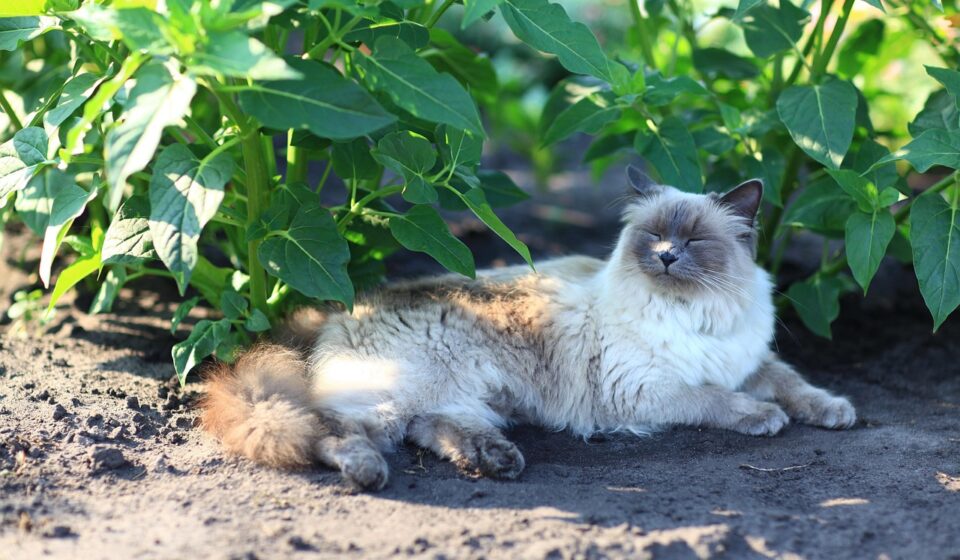
The Persistent Problem of Cat Shedding
For many of us, the idea of sharing our homes with a purring feline companion is a dream. However, for millions who suffer from cat allergies, this dream can feel unattainable. The primary culprit? Cat hair, and dander. While it’s a myth that any cat breed truly sheds zero percent of its hair, certain breeds are significantly better choices for allergy sufferers due to their unique coat types and minimal shedding patterns. As of June 2026, understanding these breeds is key to finding a furry friend without constant sneezing fits.
Last updated: June 5, 2026
The frustration is real: you fall in love with a cat, only to realise a few days later that your eyes are watering and your throat is itchy. This often leads people to believe they simply can’t have a cat. But the reality, as we’ll explore, is far more hopeful. The key lies in selecting a cat breed that produces fewer allergens or sheds much less than the average feline.
Key Takeaways
- While no cat is 100% hypoallergenic, certain breeds shed significantly less, reducing allergen exposure.
- Breeds like the Sphinx, Cornish Rex, and Devon Rex are famous for their minimal hair.
- Other low-shedding breeds, such as the Russian Blue and Siamese, have unique coat structures that trap dander effectively.
- Grooming, even for low-shedding cats, is essential for managing dander and keeping their coats healthy.
- Finding the right breed involves considering both shedding and individual cat personality.
Are There Truly Non-Shedding Cat Breeds?
Let’s address the elephant in the room, or rather, the cat hair on the sofa. The term “non-shedding” is often used loosely in the pet world. In reality, all cats shed to some degree. Shedding is a natural biological process where cats lose old or damaged hair to make way for new growth. However, the amount of shedding varies dramatically between breeds.
What makes a cat breed less likely to cause allergic reactions? It’s not just about the hair itself, but the Fel d 1 protein found in a cat’s saliva, urine, and skin secretions (dander). This protein is what most people are allergic to. Some breeds produce less of this protein, and others, particularly those with less hair or unique coat types, tend to trap dander more effectively, meaning less of it gets released into the environment.
So, while a completely “hypoallergenic” cat doesn’t exist, the breeds we’re about to discuss are as close as you can get. They are excellent choices for individuals and families looking to minimise dander and hair in their homes. For those sensitive to cat allergens, these breeds offer a much higher chance of comfortable cohabitation.
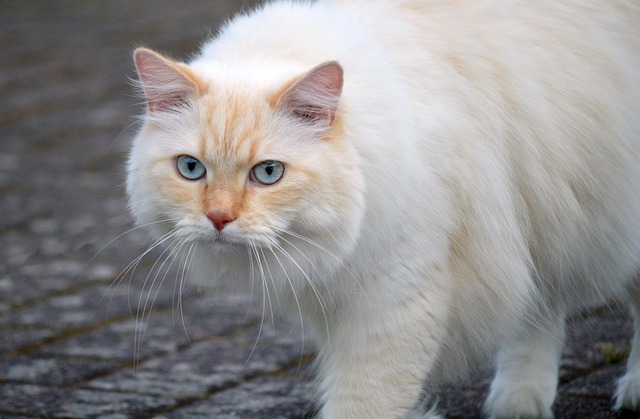
The Sphinx: A Coatless Marvel
When people think of cats that don’t shed, the Sphinx often comes to mind first. These unique felines are almost entirely hairless, which naturally means very little hair to shed. Their skin, however, is not dry but rather has a fine, downy fuzz that feels like suede or peach skin. This fuzz can still carry allergens, so regular bathing is crucial.
The Sphinx requires regular skin care to prevent oil and dead skin cells from building up. Owners typically need to bathe them weekly or bi-weekly using a gentle, cat-specific shampoo to keep their skin healthy and reduce allergen transfer. Despite their unusual appearance, Sphinx cats are known for their incredibly affectionate, outgoing, and playful personalities. They crave attention and are often described as being dog-like in their devotion.
A common misconception is that hairless cats are completely hypoallergenic. While they don’t shed fur, the Fel d 1 protein is still present in their saliva and skin oils. Regular cleaning of both the cat and its environment is still necessary. According to the Cat Fanciers’ Association (CFA) as of 2026, the Sphinx is a popular breed for its distinctive look and loving temperament.
The Cornish Rex: Soft, Curly, and Low-Shedding
The Cornish Rex boasts a truly unique coat. Instead of two or three hair types like most cats, the Cornish Rex has only the soft, downy undercoat. This fine, curly hair is often described as feeling like velvet or crushed silk. Because they lack a protective guard coat, their fur is more delicate, and they shed very little hair.
This breed’s coat type means they don’t shed much at all. The fine curls tend to trap dander close to the skin, and less hair is released into the home. However, this also means they are more sensitive to sun and cold. Owners should be mindful of protecting their Cornish Rex from extreme temperatures and provide them with warm sleeping spots.
Cornish Rex cats are known for their energetic, mischievous, and highly intelligent personalities. They are often described as “clowns” or “dogs in disguise” due to their playful antics and desire to be involved in everything their humans do. Their low-shedding nature, combined with their engaging temperament, makes them a fantastic choice for many families.
The Devon Rex: A Wavy Wonder
Similar to the Cornish Rex, the Devon Rex also has a distinctive curly coat. However, the Devon Rex’s coat is even softer and more waved than the Cornish’s tight curls. It’s a short, fine, and wavy coat that sheds minimally. Like the Cornish Rex, they possess only an undercoat, which contributes to their low-shedding characteristics.
Devon Rex cats are often noted for their pixie-like faces, large ears, and slender bodies. Their personality is as unique as their appearance: they are known for being extremely playful, curious, and social. They love to be around people and can often be found “helping” with tasks or perching on their owner’s shoulder. Their gentle nature and minimal shedding make them excellent companions.
The wave in their coat can vary, and some Devon Rex cats may have patches of thinner fur. Regular grooming is still beneficial to distribute natural oils and remove any loose dander, even though shedding is minimal. Their need for social interaction means they thrive in homes where they can receive plenty of attention and companionship, and they often do well with other pets.
The Russian Blue: A Silky, Dense Coat
The Russian Blue is a breed that might surprise you with its low-shedding qualities. These elegant cats have a short, dense, double coat with a silvery-blue sheen. The unique feature of their coat is that the guard hairs are about half the length of their soft, plush undercoat. This dense structure is said to trap dander effectively, meaning much less of it escapes into the home environment.
While they do shed, it’s typically less than many other breeds, and their short, dense fur makes the shedding less noticeable. The Russian Blue is known for being reserved with strangers but deeply affectionate with its family. They are often described as intelligent, quiet, and gentle cats that enjoy routines.
Their grooming needs are relatively low. Weekly brushing is usually sufficient to keep their beautiful coat in good condition and help manage any loose dander. According to the American Cat Fanciers Association (ACFA) 2026 breed standards, their distinct silver-tipped blue fur is a hallmark of the breed.
Oriental Short hair: Sleek and Shed-Minimal
The Oriental Short hair is a breed known for its sleek, short coat that lies close to the body. It’s a single coat, meaning it lacks the dense undercoat found in many other breeds. This characteristic results in less shedding and dander being trapped and released.
These cats are incredibly social, intelligent, and vocal. They often form strong bonds with their owners and enjoy being the centre of attention. Their playful nature and desire for interaction make them engaging companions. Their sleek coat requires minimal grooming, typically just a weekly wipe-down with a soft cloth to maintain its sheen.
While they are considered low-shedding, the amount of dander produced can still vary. Responsible breeders often focus on temperament alongside coat type. The variety of colours and patterns available in Oriental Short hairs means you can find a cat with a stunning look to match its engaging personality.
Siamese: Short Hair, Less Dander
The Siamese cat, with its distinctive colour points and striking blue almond-shaped eyes, is another breed that typically sheds less than average. Their coat is short, fine, and lies very close to their body, meaning less loose hair and dander to contend with. While they do shed, it’s generally much less noticeable than with longer-haired breeds.
Siamese cats are renowned for their intelligence, vocal nature, and affectionate personalities. They are often described as “people cats” who thrive on interaction and can even be trained to do tricks. Their outgoing nature means they need plenty of stimulation and companionship to thrive.
Weekly brushing can help keep their coat healthy and reduce any shedding. For allergy sufferers, the Siamese can be a good option due to their shorter coat length and generally lower dander production compared to many other breeds. Keep in mind that the amount of Fel d 1 protein can vary even within the breed.
The Bengal: A Coat That’s Almost Hairless
While Bengals are known for their wild, leopard-like markings, their coat type also contributes to their low-shedding reputation. Many Bengals have a unique “glitter” coat, which is a single layer of fur that’s very dense and lies flat against the body. This unique texture means less hair is shed and dander is better contained.
Bengals are active, intelligent, and playful cats that often enjoy water. They need plenty of stimulation and opportunities to exercise their natural instincts. Their grooming needs are minimal; a quick brush once a week is usually enough to keep their coat in good condition and distribute natural oils.
The Bengal’s coat can feel different from a typical cat’s fur, often described as softer or even slightly coarser due to the single-layer structure. For individuals seeking a cat with a lower allergen potential, the Bengal can be a viable option, provided their high energy levels are a good match for the household.
American Wire hair: A Wiry Coat Defense
Its unique distinguishs the American Wire hair, dense, wiry coat. This coat is made up of stiff, springy hairs that are crimped, waved, or hooked. The lack of harsh outer guard hairs means that shedding is significantly reduced. The dense, springy texture is also effective at trapping dander close to the skin.
These cats are generally known for their easygoing, good-natured personalities. They are playful and curious but not overly demanding. Their unique coat requires minimal grooming; occasional brushing is usually sufficient to maintain its texture and remove loose hairs and dander.
Because their coat doesn’t shed much, they can be a better choice for allergy sufferers. It’s important to remember that while the coat is unique, the primary allergen is still Fel d 1, found in saliva and skin. However, less hair means less dander distributed around the house.
Other Low-Shedding Breeds to consider
Beyond the most well-known, several other breeds offer reduced shedding and can be excellent choices for allergy-prone households. These include:
- Javanese: A variety of the Balinese, they have a single coat similar to the Siamese, which sheds minimally.
- LaPerm: Characterized by their curly or wavy coat, LaPerms shed less due to their coat’s structure.
- Manx: While they come in short hair and longhair varieties, their dense coat can be effective at trapping dander.
- Peter bald: Similar to the Sphinx, Peter balds can be hairless or have a fine, fuzzy coat that sheds very little.
- Siberian: Despite their long, plush coats, Siberians are often cited as being low-allergen. This is thought to be due to lower levels of the Fel d 1 protein in their saliva.
Keep in mind that even within these breeds, individual cats can vary in their allergen production. Responsible breeders can often provide information on the allergen levels of their cats’ lines.
Managing Cat Allergies: Beyond Breed Choice
Even with a low-shedding cat breed, managing allergies effectively often requires a multi-pronged approach. The goal is to minimise exposure to Fel d 1 protein and dander in your environment.
Regular Grooming is Key: Even cats that shed very little benefit from regular brushing. This helps to remove loose hair and dander before it can spread around your home. For hairless breeds like the Sphinx, weekly baths are essential to remove skin oils and dander. Always wear gloves when grooming a cat to avoid direct contact with allergens.
Clean Your Home Environment: Regular vacuuming with a HEPA filter vacuum cleaner can significantly reduce dander levels. Washing your cat’s bedding frequently, dusting surfaces with a damp cloth, and using air purifiers with HEPA filters can also make a big difference.
Hygiene Practices: Wash your hands thoroughly after petting or playing with your cat. Avoid letting your cat sleep on your bed, and consider keeping them out of the bedroom altogether if your allergies are severe. HEPA air purifiers can help filter allergens from the air.
According to Allergy UK, as of 2026, consistent environmental cleaning and personal hygiene are as crucial as choosing a low-allergen pet for managing cat allergies effectively.
Finding Your Perfect Low-Shedding Companion
When selecting a cat breed that doesn’t shed much, consider more than just the coat. Personality is paramount. Do you want an energetic, playful cat that will join you in all your activities, like a Sphinx or a Devon Rex? Or do you prefer a more reserved, elegant companion, such as a Russian Blue?
Research the breed’s temperament, exercise needs, and social requirements. Spend time with cats of the breed you’re considering if possible. Visiting a breeder or a rescue organisation can offer valuable insights. Remember that individual cats within a breed can have varying personalities, so getting to know the specific cat is always important.
The price of low-shedding breeds can also vary. For instance, as of June 2026, purebred Sphinx kittens from reputable breeders can range from £1,000 to £2,500, while breeds like the Russian Blue might be more accessible. Always factor in the ongoing costs of food, veterinary care, and grooming supplies.
Common Mistakes When Choosing a Low-Shedding Cat
One common mistake is assuming that a low-shedding cat means no allergy symptoms at all. As we’ve discussed, the primary allergen is protein, not just hair. Individuals with severe allergies might still react to even the lowest-shedding breeds.
Another mistake is neglecting grooming. Even breeds with minimal shedding require regular care. Skipping baths for a Sphinx or brushing for a Russian Blue can lead to skin issues and increased dander. A third pitfall is overlooking the cat’s personality. A beautiful, low-shedding cat that doesn’t fit your lifestyle or temperament needs will lead to frustration for both you and the pet.
Finally, some people opt for kitten mills or unreliable sources to save money. This is a serious mistake. Always choose a reputable breeder or rescue organisation that prioritizes the health and well-being of their cats. This ensures you get a healthy cat and avoid supporting unethical practices.
Expert Tips for Allergy-Conscious Cat Owners
For those with allergies, here are some expert-backed tips:
- Meet Before You Adopt: Spend time with the specific cat you plan to adopt. Allergies can be individual, and you might react differently to various cats, even within the same breed.
- Consider Adult Cats: Kittens often have less developed allergen profiles, but adult cats’ allergen levels are more stable. An older cat might also be calmer and better suited to a quieter home.
- Consult Your Doctor: Before adopting, discuss your allergies with an allergist. They can help you understand the severity of your reactions and suggest management strategies.
- Prepare Your Home: Deep clean your home before the cat arrives. Use air purifiers with HEPA filters, and consider dedicating certain rooms as ‘cat-free zones’.
- Start Slowly: If possible, introduce the cat gradually. Keep them in one room initially to allow them to acclimatize and to see how your allergies respond.
According to veterinary behaviorists, patience and preparation are key to a successful relationship between allergy sufferers and their feline companions.
Frequently Asked Questions
Are there any cat breeds that genuinely don’t shed at all?
No cat breed is entirely non-shedding. All cats shed to some extent, as it’s a natural biological process. However, breeds like the Sphinx, Cornish Rex, and Devon Rex shed very minimally due to their unique coat types.
Do hairless cats like the Sphinx still cause allergies?
Yes, hairless cats can still trigger allergies. The primary allergen is a protein found in their saliva and skin oils, not just their fur. While they don’t shed hair, dander and saliva can still cause reactions in sensitive individuals.
Are Siberian cats truly hypoallergenic?
Siberian cats are often considered among the most hypoallergenic breeds, despite their long fur. This is thought to be because they produce lower levels of the Fel d 1 protein in their saliva. However, individual reactions can vary.
How much grooming do low-shedding cat breeds need?
Grooming needs vary. Hairless breeds like the Sphinx require weekly baths. Curly-coated breeds like the Rexes benefit from regular brushing to manage their delicate coats. Most short haired, low-shedding breeds need only occasional brushing to keep their coats healthy and manage dander.
Can I adopt a low-shedding cat if I have severe allergies?
It’s possible, but requires careful consideration and preparation. Spend time with the specific cat you’re considering, consult an allergist, and implement rigorous environmental cleaning and hygiene practices. Some individuals with severe allergies may still find it challenging.
What is the difference between Cornish Rex and Devon Rex shedding?
Both breeds shed minimally. The Cornish Rex has a tight, curly coat made only of an undercoat, while the Devon Rex has a shorter, wavier coat, also primarily an undercoat. Both are effective at trapping dander and reducing airborne hair.
How much do low-shedding cat breeds typically cost?
The cost varies significantly by breed and breeder. As of June 2026, purebred low-shedding cats like the Sphinx or Cornish Rex can range from £1,000 to £2,500, while others might be more affordable. Rescue cats are often less expensive.
Information current as of June 2026; pricing and product details may change.
Editorial Note: This article was researched and written by the Pet Magazine editorial team. We fact-check our content and update it regularly. For questions or corrections, contact us. Knowing how to address cat breeds that dont shed early makes the rest of your plan easier to keep on track.
Related read: Fancy Feast Dry Cat Food: A 2026 In-Depth Look.
Related read: Automated Cat Toys: The 2026 Guide to Keeping Your Feline Engaged
Related read: Can Cats Have Eggs? A 2026 Guide to Safety and Nutrition
Related read: Hypoallergenic Cats: Myth vs. Reality in 2026.