
onal meaning.
The Rich Meaning Behind Japanese Dog Names
Japanese names often carry profound meanings, rooted in centuries of tradition, nature, and philosophy. Unlike some Western names that are purely aesthetic, many Japanese names have literal translations that can beautifully reflect a dog’s character or your hopes for them. For instance, a name like ‘Kaito’ (海斗) can mean ‘sea, ocean’ and ‘big dipper’, evoking a sense of vastness and guidance, perfect for an adventurous dog.
Last updated: June 11, 2026
Understanding this cultural context can elevate your choice from a simple label to a meaningful tribute. Many popular Japanese dog names are derived from elements in nature, virtues, or even common objects, offering a unique connection to the world around us. The popularity of such names is a testament to the appreciation for simplicity and depth in Japanese culture, a sentiment many pet owners wish to extend to their beloved companions.
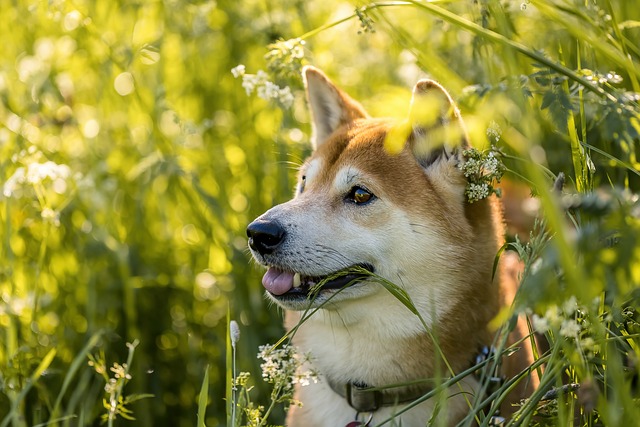
Popular Male Japanese Dog Names (and Their Meanings)
Finding a strong, noble, or charming name for your male dog is made easier with the vast array of Japanese options. Many reflect admirable qualities or elements of the natural world.
Nature and Elements
- Haru (春): Meaning ‘spring’, ideal for a dog with a cheerful, energetic personality that brings new life.
- Miku (陸): Meaning ‘land’ or ‘earth’, a grounded name for a sturdy, reliable companion.
- Sora (空): Meaning ‘sky’ or ‘heaven’, for a dog with a free spirit or a majestic presence.
- Kai (海): Meaning ‘sea’ or ‘ocean’, a fitting choice for a water-loving dog or one with a vast personality.
Virtues and Qualities
- Kenji (健二): A popular choice meaning ‘strong, healthy second son’, suggesting robustness and good health.
- Mako to (誠): Signifies ‘truth’ or ‘sincerity’, perfect for a devoted and honest dog.
- Ren (蓮): Meaning ‘lotus flower’, symbolizing purity and rebirth, a gentle yet strong choice.
- Yuki (幸): Can mean ‘happiness’ or ‘snow’, offering a dual meaning of joy or a pristine, calm nature.
Common & Cool Choices
- Akira (明): Meaning ‘bright’ or ‘clear’, a classic name with a powerful sound.
- Hiro (裕): Signifies ‘generosity’ or ‘abundance’, for a dog that gives endless love.
- Kaito (海斗): As mentioned, ‘sea, ocean’ and ‘big dipper’, evoking adventure.
Enchanting Female Japanese Dog Names (and Their Meanings)
For female dogs, Japanese offers names that are as delicate and beautiful as they are meaningful, often drawing from flora, colours, and virtues.
Flora and Fauna
- Hana (花): A straightforward and beautiful name meaning ‘flower’.
- Sakura (桜): Meaning ‘cherry blossom’, representing beauty, ephemerality, and renewal.
- Yuzu (柚): Named after the fragrant citrus fruit, a bright and zesty choice.
- Kiko (喜子): Meaning ‘child of joy’, for a dog that brings happiness.
Virtues and Qualities
- Aiko (愛子): Meaning ‘child of love’, a deeply affectionate name.
- Chiyo (千代): Signifies ‘thousand generations’, suggesting longevity and enduring love.
- Emi (恵美): Meaning ‘blessed beauty’, for a dog that’s both lovely and fortunate.
- Mika (美佳): Combines ‘beauty’ (美) and ‘good’ (佳), a lovely name for a pretty pup.
Colour and Aesthetic
- Aoi (葵): Meaning ‘hollyhock’, a plant with striking blue flowers, offering a unique colour association.
- Momo (桃): Meaning ‘peach’, evoking sweetness and a soft, pleasant colour.
- Shiori (詩織): Meaning ‘poem’ and ‘weave’, suggesting a poetic and graceful nature.
Drawing Inspiration from Japanese Culture
Beyond literal meanings, many Broader cultural elements inspirs japanese dog names, including folklore, mythology, anime, and even cuisine. These offer a playful or powerful connection to Japanese heritage.
Folklore and Mythology
- Amaterasu: Named after the Shinto sun goddess, for a dog with a radiant personality.
- Raisin: The Shinto god of lightning and storms, for a dog with a powerful, energetic spirit.
- Kitsune: Meaning ‘fox’, for a clever, mischievous, or strikingly beautiful dog.
Anime and Pop Culture
- Pikachu: A globally recognised name from the Pokémon franchise, for an energetic and yellow-hued dog.
- Totoro: From the beloved Studio Ghibli film, for a large, gentle, and cuddly companion.
- Kiki: From ‘Kiki’s Delivery Service’, for a plucky, independent dog.
Food and Drink
- Mochi: Named after the sweet rice cake, for a soft, round, and delightful dog.
- Sake: For a dog with a spirited personality, perhaps with a slightly reddish coat.
- Wasabi: For a small dog with a surprisingly fiery or spicy personality.
How to Choose the Perfect Japanese Dog Name
Selecting a name is a significant decision, and with Japanese names, there are a few extra layers to consider. As of June 2026, the trend is leaning towards names that are not only meaningful but also practical for everyday use.
Sound and Pronunciation
Ensure the name is easy for you and your family to pronounce consistently. Dogs respond best to clear, distinct sounds, often with one or two syllables. For example, ‘Sakura’ is lovely, but ‘Saku’ might be easier for your dog to recognise quickly during training.
Meaning vs. Sound
While the meaning is important, don’t overlook how the name sounds. A name that sounds pleasant to your ear and rolls off the tongue will be more enjoyable to call out. Sometimes, a name’s aesthetic appeal in Japanese might be its primary draw, even if the literal meaning isn’t as profound.
Consider Your Dog’s Breed and Personality
A name like ‘Oni’ (demon) might suit a powerful Akita, but could be comically mismatched for a tiny Chihuahua. Similarly, a name signifying ‘gentle’ might be perfect for a calm Golden Retriever, while ‘Raisin’ could suit a boisterous Jack Russell.
Cultural Sensitivity
While adopting a name from another culture can be a beautiful tribute, it’s always wise to be mindful. Choose names that are generally positive or neutral, rather than those with potentially negative connotations or religious significance that you may not fully understand or represent.
Practical Tips and Common Pitfalls
To make the naming process smoother, here are some practical tips and common mistakes to avoid when selecting a Japanese dog name.
Try It Out
Say the name out loud many times. Imagine calling it across a park. Does it feel right? Does it suit your dog’s look and behaviour? If you’re unsure, try a few favourites on your puppy for a few days and see which one sticks.
Avoid Command Confusion
Be wary of names that sound too similar to common dog commands like ‘sit’, ‘stay’, ‘no’, or ‘come’. For instance, a name like ‘Joe’ might be confused with ‘No’ for some dogs, hindering training progress.
Research Spellings and Pronunciations
Japanese has different writing systems (Kanji, Hiragana, Katakana), and the same sound can have different meanings and spellings. A quick search on reputable sites can help ensure you have the correct Kanji and pronunciation for the meaning you desire.
Don’t Rush the Decision
Take your time. The perfect name might reveal itself after you’ve spent some time getting to know your new dog’s personality. Many owners find the ideal name emerges naturally within the first week of bringing their pet home.
Frequently Asked Questions
What are some popular Japanese dog names in 2026?
As of June 2026, popular Japanese dog names include ‘Sakura’ (cherry blossom) for females, and ‘Miku’ (land) or ‘Haru’ (spring) for males, often chosen for their beautiful meanings and pleasant sounds.
Are Japanese dog names difficult to pronounce for English speakers?
Many Japanese names are relatively easy to pronounce, often consisting of simple syllables. Names like ‘Hana’, ‘Kai’, or ‘Ren’ are quite straightforward, though some longer names may require a little practice.
What is a good Japanese dog name meaning ‘loyal’?
A fitting Japanese dog name meaning ‘loyal’ or ‘sincere’ is ‘Mako to’ (誠), which signifies truth and sincerity, reflecting a dog’s unwavering devotion.
Can I use Japanese food names for my dog?
Absolutely! Food-inspired Japanese dog names like ‘Mochi’ (sweet rice cake), ‘Sake’ (rice wine), or ‘Wasabi’ (spicy paste) are fun and quirky choices, especially for pets with distinct personalities.
What are some unique Japanese dog names for a male puppy?
Unique options for male puppies include ‘Kenji’ (strong, healthy), ‘Akira’ (bright), or ‘Sora’ (sky), offering a blend of strength and distinctiveness.
Should I choose a name based on breed, like for a Shiba Inu?
While not essential, naming a dog based on its breed can be charming. For a Shiba Inu, names reflecting their spirited, loyal nature or Japanese origins, like ‘Kuro’ (black, if applicable) or ‘Hoshi’ (star), can be very fitting.
Finding Your Canine’s Calling
Choosing a Japanese dog name offers a delightful journey into a rich culture, providing monikers that are not only beautiful but also deeply meaningful. Whether you are drawn to the elegance of nature, the strength of virtues, or the charm of pop culture, there’s a perfect Japanese name waiting for your furry friend. By considering pronunciation, meaning, and your dog’s unique personality, you’ll find a name that resonates for years to come.
Information current as of June 2026; pricing and product details may change.
Source: Britannica
Editorial Note: This article was researched and written by the Pet Magazine editorial team. We fact-check our content and update it regularly. For questions or corrections, contact us.
Related read: Dachshund Mix Dog Breeds: What to Expect from These
Related read: Mini Dachshunds in 2026
Related read: Canine Chow: Navigating the Best Dog Food Choices in 2026.