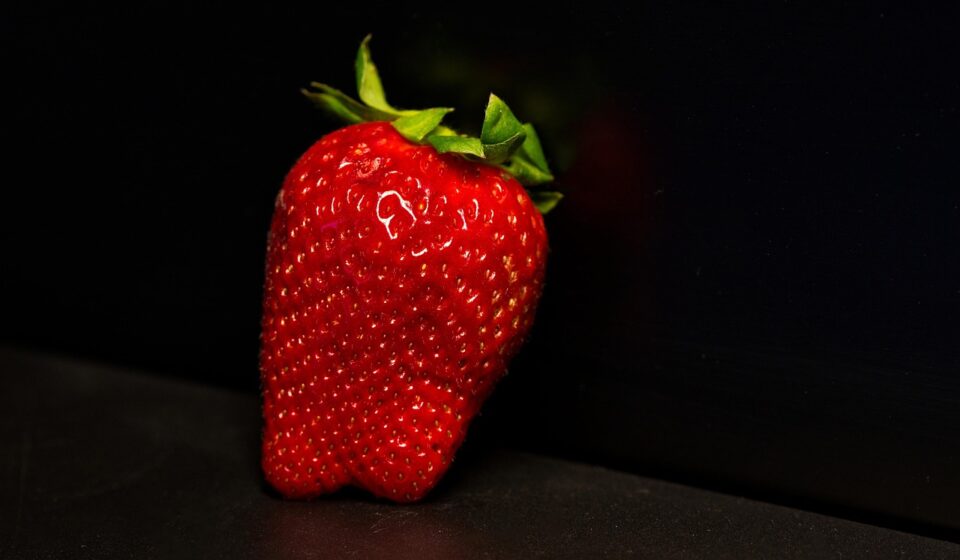
Can Dogs Safely Enjoy Strawberries?
A common question among dog owners, especially during warmer months, is whether their furry friends can partake in the sweet delight of strawberries. As of July 2026, the straightforward answer is yes; dogs can safely eat strawberries in moderation. These bright red berries are not only a delicious treat but also packed with nutrients that can benefit your canine companion.
Last updated: July 24, 2026
However, like any treat introduced into your dog’s diet, there are crucial considerations regarding quantity, preparation, and potential risks. Overfeeding or improper preparation could lead to digestive upset or other health concerns. This article delves into the benefits, risks, and practical advice for safely incorporating strawberries into your dog’s diet.
Key Takeaways
- Strawberries are generally safe for dogs and offer several nutritional benefits.
- Moderation is key; too many strawberries can cause digestive issues.
- Always wash strawberries thoroughly and remove the green tops.
- Strawberries should be a treat, not a staple in your dog’s diet.
- Monitor your dog for any adverse reactions after feeding strawberries.
Nutritional Powerhouse for Pups
Strawberries are more than just a tasty summer fruit; they are a good source of essential vitamins and antioxidants. When fed responsibly, they can contribute positively to your dog’s overall health. Understanding these benefits can help you make informed decisions about offering them to your pet.
One of the standout nutrients in strawberries is Vitamin C. While dogs produce their own Vitamin C, some may benefit from dietary supplementation, especially older dogs or those with certain health conditions. Vitamin C acts as an antioxidant, supporting the immune system and helping to protect cells from damage. According to the American Kennel Club (AKC) in 2026, strawberries contain fiber, which aids digestion and can help maintain a healthy gut microbiome.

And, strawberries are rich in antioxidants like anthocyanins, which give them their vibrant red colour. These compounds are known for their anti-inflammatory properties and can contribute to a healthy heart and brain function in dogs. They also contain manganese, a mineral important for bone health and metabolism. In real terms, a few strawberries can offer a concentrated dose of these beneficial compounds without excessive calories, making them a potentially healthier alternative to some commercial dog treats.
Preparing Strawberries: Safety First
While the fruit itself is beneficial, improper preparation can introduce risks. Ensuring strawberries are safe for your dog involves a few simple but critical steps. These precautions minimise the chances of choking, digestive upset, or exposure to harmful residues.
The most crucial step is thorough washing. Strawberries, like all produce, can carry pesticide residues. Always wash them under cool running water to remove any lingering chemicals. After washing, it’s essential to remove the green leafy tops, known as the hull. While not toxic, these can be tough and difficult for dogs to digest, potentially causing a choking hazard or mild stomach upset.
Portion Control: The Golden Rule
Moderation is paramount when introducing any new food, including strawberries, to your dog’s diet. A good rule of thumb is to consider strawberries as a occasional treat, not a dietary staple. For small to medium-sized dogs, one to two whole strawberries per day is usually sufficient. Larger breeds might tolerate slightly more, perhaps up to three or four, but it’s always best to start small.
According to veterinary nutritionists, treats should not make up more than 10% of a dog’s total daily caloric intake. Strawberries are relatively low in calories, but overconsumption can lead to a sugar overload, resulting in diarrhea, vomiting, or an upset stomach due to their natural sugar content and fiber. This is particularly important for dogs with existing health conditions like diabetes or pancreatitis.

Cutting and Serving Suggestions
To prevent choking, it’s highly recommended to cut strawberries into small, bite-sized pieces. This is especially important for smaller dogs or those prone to swallowing food whole. You can slice them, quarter them, or even mash them slightly. For a refreshing, frozen treat on a hot day, you can freeze whole, washed, and hulled strawberries or pieces.
Another popular and safe option is to blend strawberries with a bit of plain, unsweetened yogurt (ensure it contains no xylitol, which is toxic to dogs) to create a dog-friendly smoothie or ice pop. Avoid adding any artificial sweeteners, preservatives, or excessive sugar. The goal is to offer a healthy, natural treat, not a dessert.
When Strawberries Might Not Be Ideal
While generally safe, there are instances and conditions where strawberries may not be the best choice for your dog, or they may pose specific risks. Being aware of these potential issues can help you avoid adverse reactions and ensure your dog’s well-being.
The primary concern with overfeeding strawberries is digestive upset. Their natural sugars and high fiber content can lead to diarrhea or vomiting if consumed in large quantities. This is because a dog’s digestive system is not designed to process large amounts of fruit sugar. For instance, if a dog eats a whole punnet of strawberries, expect them to experience gastrointestinal distress. This is a common occurrence when dogs overindulge in new or rich foods.
Sugar Content and Health Conditions
Dogs with diabetes or those prone to weight gain need particular care. Strawberries contain natural sugars, and while they are a better option than processed treats, they still contribute to a dog’s sugar intake. According to the World Small Animal Veterinary Association (WSAVA) guidelines as of 2026, managing sugar intake is crucial for diabetic dogs. If your dog has diabetes, consult your veterinarian before introducing strawberries or any fruit into their diet. They can advise on appropriate portion sizes and frequency.
Similarly, dogs with sensitive stomachs or pancreatitis may react poorly to the sugars and fiber. Always introduce new foods gradually and in small amounts to gauge your dog’s tolerance. A single strawberry piece for a sensitive dog is a good starting point.
Allergies and Other Concerns
Though rare, some dogs can develop allergies to strawberries. Symptoms might include itching, hives, swelling, or digestive issues. If you notice any unusual reactions after your dog has eaten strawberries, discontinue feeding them immediately and consult your veterinarian. It’s also worth noting that the seeds are generally not a problem, but if your dog has a highly sensitive digestive system, even these could potentially cause irritation in very large quantities.
Crucially, never feed dogs strawberries that have been processed into jams, preserves, or baked goods, as these often contain high levels of sugar, artificial sweeteners (like xylitol, which is highly toxic), and other ingredients that are harmful to dogs. Always stick to fresh, whole strawberries, prepared safely.

Beware of Xylitol
It’s vital to reiterate the danger of xylitol. This artificial sweetener is extremely toxic to dogs, causing a rapid drop in blood sugar and potential liver failure. Xylitol is commonly found in sugar-free products, including some yogurts, ice creams, and baked goods that might seem like a good vehicle for feeding strawberries. Always check the ingredient list of any product you plan to give your dog, even if it seems innocuous.
For example, if you’re making frozen strawberry treats and considering adding a sugar-free yogurt, you must ensure it’s explicitly labelled as xylitol-free. A dog can ingest a toxic dose of xylitol from a small amount of product, leading to a veterinary emergency. In such cases, immediate veterinary attention is crucial. The ASPCA Animal Poison Control Centre notes that xylitol poisoning is a common emergency call they receive.
Integrating Strawberries into a Balanced Diet
A balanced diet is the cornerstone of good health for any dog. While strawberries offer benefits, they should complement, not replace, a high-quality dog food formulated to meet all their nutritional needs. Think of them as a healthy bonus treat.
For most adult dogs, a few small pieces of fresh strawberry a few times a week can be a delightful addition. Puppies, due to their developing digestive systems, should be introduced to new foods even more cautiously. Start with a tiny piece and monitor for any signs of digestive upset. For senior dogs, the antioxidants in strawberries might offer some support for their immune system, but always consult your vet regarding their specific dietary needs.
When to Consult Your Veterinarian
Before making significant changes to your dog’s diet, or if your dog has pre-existing health conditions such as diabetes, kidney disease, or a history of digestive issues, it’s always best to consult with your veterinarian. They can provide personalized advice based on your dog’s individual health status, breed, and age.
Your vet can offer guidance on the appropriate amount of strawberries to feed, how often, and any potential interactions with current medications or health concerns. For example, a dog on medication for a chronic condition might have specific dietary restrictions that a vet can clarify. The Merck Veterinary Manual, a widely respected resource, highlights the importance of veterinary consultation for any dietary additions that are not part of a specifically formulated dog food.

Common Mistakes When Feeding Strawberries
Many owners want to share healthy foods with their pets, but sometimes mistakes can be made. Understanding these common pitfalls can help you avoid them and ensure your dog reaps the benefits without the drawbacks.
One of the most frequent errors is feeding too many strawberries at once. Owners might think, ‘If it’s healthy, more is better,’ but this can quickly lead to digestive upset. Remember, they are a treat. Another mistake is not washing the fruit thoroughly, leaving potential pesticide residues. Always rinse well.
Ignoring Ingredient Lists
A critical error is assuming all strawberry-flavored or strawberry-containing products are safe. Jams, ice creams, and baked goods often contain harmful additives like xylitol, excessive sugar, or artificial flavorings. Always read labels meticulously. For instance, giving a dog a slice of strawberry cake is far riskier than a fresh strawberry due to the ingredients in the cake itself, including butter, sugar, and potentially toxic elements like xylitol if it’s a sugar-free dessert.
Finally, failing to monitor your dog’s reaction is another common oversight. Every dog is an individual. What one dog tolerates well, another might not. Always observe your dog for a few hours after introducing a new food to spot any signs of discomfort or allergic reaction.
Expert Insights for Strawberry Feeders
From a dog’s perspective, strawberries offer a delightful textural and flavour experience. The slightly sweet, tart taste can be very appealing. From an expert’s viewpoint, they are a low-calorie, nutrient-dense treat when used correctly. The key is to view them as an enhancement to a balanced diet, not a replacement for it. As of July 2026, general consensus among veterinary nutritionists remains that fresh fruits like strawberries are beneficial additions when fed in moderation and prepared properly.
Consider using strawberries for training rewards. Their small size and appealing taste can make them highly motivating for dogs learning new commands. This also helps control portions, as you’re only giving a tiny piece for a desired behaviour. This aligns with positive reinforcement training methods, encouraging good behaviour with healthy incentives.
Frequently Asked Questions
Can dogs eat strawberry seeds?
Yes, dogs can generally eat strawberry seeds. They are small and typically pass through a dog’s digestive system without causing issues. However, in very large quantities or for dogs with extremely sensitive stomachs, they could potentially contribute to minor irritation.
Can puppies eat strawberries?
Yes, puppies can eat strawberries, but with extreme caution and in very small amounts. Their digestive systems are still developing, making them more susceptible to upset. Introduce them gradually and ensure they are cut into tiny, manageable pieces.
Are strawberries toxic to dogs if they eat too many?
Strawberries themselves are not toxic to dogs. However, eating too many can lead to digestive upset such as diarrhea or vomiting due to their sugar and fiber content. Large quantities of any fruit can cause this.
Can dogs eat strawberry jam?
No, dogs should not eat strawberry jam. Most jams contain high amounts of added sugar, preservatives, and artificial sweeteners, some of which, like xylitol, are highly toxic to dogs. Stick to fresh strawberries.
What are the signs of an allergic reaction to strawberries in dogs?
Signs of an allergic reaction can include itching, hives, swelling around the face or mouth, sneezing, coughing, or digestive upset like vomiting and diarrhea. If you observe these symptoms, stop feeding strawberries and contact your vet.
Can dogs eat strawberries that have mold on them?
No, dogs should never eat moldy strawberries. Mold can contain mycotoxins that are harmful and can cause serious health problems in dogs, including neurological issues. Always discard any fruit that shows signs of mold.
Conclusion: A Sweet Treat in Moderation
Ultimately, strawberries can be a wonderful, healthy addition to your dog’s diet when offered correctly. Their nutritional benefits, from Vitamin C to antioxidants, make them a valuable treat. The key is always responsible feeding practices: wash them thoroughly, remove the tops, cut them into appropriate sizes, and most importantly, serve them in moderation as an occasional supplement to a balanced diet.
By following these guidelines and consulting your veterinarian for personalized advice, you can confidently share this delightful fruit with your canine companion, ensuring it’s a safe and enjoyable experience for both of you throughout 2026 and beyond.
Information current as of July 2026; pricing and product details may change. For readers asking “Can dogs eat strawberries”, the answer comes down to the specific factors covered above.
Related read: Dog Crates in 2026: Your Essential Guide to Safety and Comfort.