
You might ask why does my dog sit on my feet. This common, endearing behavior stems from a desire for comfort, security, affection, or attention. They stay close to absorb your warmth and feel safe.
As a devoted pet owner, we understand how curious these canine quirks can be. This particular habit is rarely a cause for concern and often highlights the strong bond you share. Let’s explore the various reasons behind this behaviour and what your furry friend might be trying to tell you.
Why Do Dogs Sit on Their Owner’s Feet?
Dogs are social animals with a deep-seated need for connection and security. Sitting on your feet can satisfy several of these instincts. One primary reason is the desire for physical contact and warmth. Your feet provide a warm, soft spot for them to rest, especially on a chilly day. Beyond simple comfort, this is also a way for them to reinforce their bond with you, claiming you as part of their pack and showing their affection.
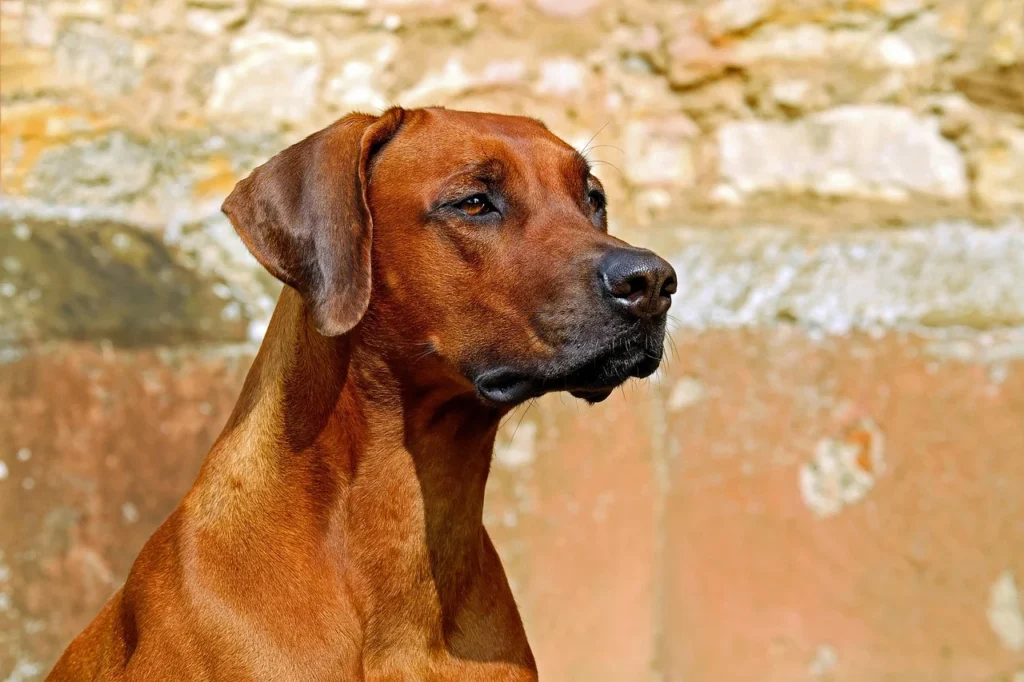
Another significant factor is security. In the wild, dogs would huddle together for protection. By sitting on your feet, your dog feels safe and protected, knowing you are right there. This can be particularly true for dogs who are naturally more anxious or those in new environments. It’s their anchor, a familiar and reassuring presence in a potentially overwhelming world.
Sometimes, answering why does my dog sit on my feet reveals it is simply a bid for attention. If your dog wants to play, go for a walk, or just needs a good scratch behind the ears, sitting on your feet is an effective way to get noticed. They know you’ll likely acknowledge their presence, even if it’s just to shift them slightly. This behaviour is often reinforced if you respond positively, even with a gentle pat or a soft word.
Why Does My Dog Sit on My Feet Facing Away From Me?
When pondering why does my dog sit on my feet with their back to you, it’s often interpreted as an ultimate sign of trust and protection. In the animal kingdom, turning one’s back on another creature can signal vulnerability. However, when your dog does this with you, it means they trust you implicitly to watch their back. This allows them to survey the surroundings for any potential threats. They are essentially saying, ‘We trust you to protect us from behind, while we keep an eye on what’s in front.’

This posture also allows them to act as a protector for you. By facing outwards, they can keep watch over the environment, ready to alert you to anything unusual. This is a subtle but powerful display of their loyalty and protective instincts. It indicates they see you as a vital member of their pack worth guarding. This behaviour is often observed and always interpreted as a deep compliment. Such actions reflect the bond shared between dog and owner.
Why Does My Dog Sit on My Feet When I’m Standing?
Knowing why does my dog sit on my feet reveals an active form of desires: connection, security, and attention. When standing, you often move or engage in an activity. Your dog wants to be part of it. Positioning themselves on your feet prevents leaving or signals readiness to go with you.
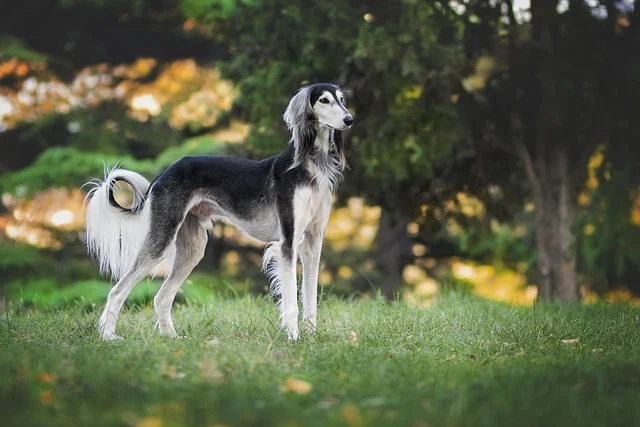
This can be particularly common if your dog suffers from separation anxiety, even mild forms. They might be trying to maintain physical contact for as long as possible, fearing you might leave them alone. For other dogs, it’s simply an assertive way to say, ‘Hey, we are here! Don’t forget about us!’ This behaviour often gets reinforced by owners. They may even inadvertently acknowledge the dog’s presence by talking to them or petting them before moving on.
If your dog consistently does this and you find yourself tripping or struggling to move, it might be a sign to work on boundary training. Teaching them a ‘place’ command or to wait patiently can help manage this behaviour, especially for larger breeds where it could become a tripping hazard.
Why Does My Dog Sit on My Feet When I Use the Bathroom or Eat?
The reasons your dog sits on your feet when you are in the bathroom or eating are deeply rooted in their social nature and desire for companionship. These are moments when you are typically stationary and focused, making you an ideal target for their attention and affection.
When You Use the Bathroom (Poop or Pee)
When you’re in the bathroom, you’re in a vulnerable and confined space. Your dog’s instinct is often to protect you. They might perceive this as a moment when you need their vigilance. This behaviour is a throwback to their ancestral pack mentality. Members would guard each other during vulnerable moments. Your dog is acting as your loyal guardian, ensuring your safety.
It’s also a prime opportunity for them to receive undivided attention. You’re not distracted by other activities, making you a captive audience. For many dogs, the bathroom becomes a ‘safe zone’ where they know they can get close to you without interruption. While it might seem a little intrusive to us, for them, it’s a natural expression of their devotion and desire for proximity.
When You Eat
Sitting on your feet while you eat is almost always a combination of seeking proximity and hoping for a stray crumb or two. Dogs are opportunistic scavengers by nature, and the smell of food is incredibly enticing. By being close, they’re optimizing their chances of receiving a treat, whether intentionally given or accidentally dropped.
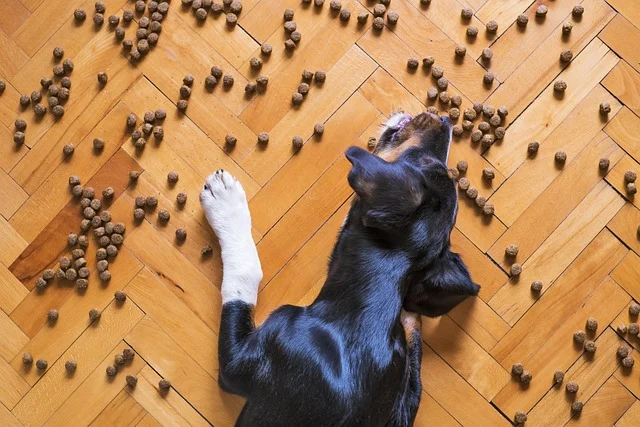
Beyond the food motivation, it’s also a social act. In a pack, eating together reinforces bonds. Your dog wants to be part of the ‘mealtime ritual’ with you. If you frequently share small, dog-safe morsels with them during meals, you’ve likely reinforced this behaviour. If you prefer them not to beg, consistency in not giving food from the table is key. Their desire to be near you during this time will likely remain.
Why Does My Dog Sit on My Feet All the Time and Lean on Me?
If your dog consistently sits on your feet and leans on you, it’s a strong indicator of their deep attachment and reliance on you. This behaviour combines the desire for physical contact, security, and a touch of ownership. Leaning is an even more profound way for a dog to say, ‘You are a safe space, and we trust you completely.’
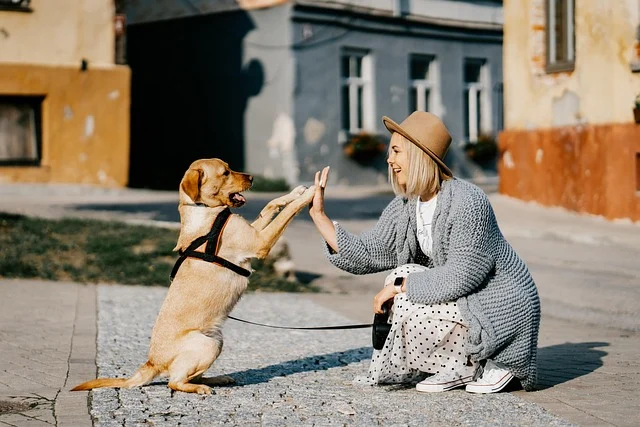
Dogs that lean often do so because they feel most secure when physically connected to you. It’s a comforting pressure that can alleviate anxiety and reinforce their sense of belonging. This is especially common in breeds known for being ‘velcro dogs’. Such animals often have a strong pack drive, like German Shepherds or certain herding breeds. This behaviour is considered incredibly touching, as it speaks volumes about the trust they place in their human companions.
It can also be a gentle way of seeking reassurance about why does my dog sit on my feet. If your dog is feeling a little nervous about something in their environment, leaning on you provides immediate comfort and a sense of protection. It’s their way of checking in and drawing strength from your presence. While generally a positive sign, if the leaning is accompanied by other signs of anxiety (like excessive panting, pacing, or destructive behaviour), it might be worth consulting with a professional dog behaviorist to ensure your dog is feeling truly comfortable and secure.
Is It Okay for My Dog to Sit on My Feet?
Generally, it is absolutely fine and often a positive sign for your dog to sit on your feet. As discussed, it’s typically an expression of affection, trust, and a desire for security and closeness. It’s a natural canine behaviour that strengthens the bond between you and your pet.
However, there are a few scenarios where you might want to manage or discourage the behaviour:
- Safety Concerns: For very large or clumsy dogs, sitting on your feet, especially when you’re standing, could lead to tripping and potential injury for both you and your dog.
- Over-Reliance/Anxiety: If your dog seems overly dependent on this contact and exhibits signs of distress when you’re not available for them to lean on or sit on, it might indicate separation anxiety or an unhealthy level of dependency. In such cases, we suggest working on building your dog’s confidence and independence through positive reinforcement training.
- Personal Preference: Simply put, you might not always want your dog on your feet, perhaps due to hygiene, comfort, or specific situations.
If you wish to discourage the behaviour, gentle redirection is usually the most effective approach. When your dog attempts to sit on your feet, calmly move them to a designated spot like a dog bed or mat, and reward them for staying there. Consistency is key, and your dog will soon learn where the appropriate place to rest is.
Sources: Common Dog Behavior Issues
Frequently asked questions
Is my dog being protective when they sit on my feet?
Yes, your dog can be acting protectively when they sit on your feet, especially if they face away from you to survey the surroundings. This behaviour stems from their pack instincts, where they guard vulnerable members and ensure the safety of their group.
Does my dog sitting on my feet mean they love me?
Absolutely. Your dog sitting on your feet is a strong indicator of affection and a deep bond. It shows they feel safe and comfortable in your presence and want to be close to you, reinforcing their connection as part of your family.
How can I stop my dog from sitting on my feet if I don’t want them to?
To discourage this behaviour, gently redirect your dog to an alternative spot, such as their bed or a mat, using a verbal cue like ‘place’ or ‘bed’. Reward them with praise or a treat when they settle in their designated area, consistently reinforcing the desired behaviour.