This article explains what a burst dog lipoma looks like, the immediate steps to take, professional veterinary treatments, and how to manage home care safely.
Can a Dog Lipoma Burst?
Yes, a dog lipoma, or fatty tumour, can absolutely burst, leading to an open wound that requires immediate attention to prevent infection and discomfort for your pet. When this happens, it’s important to clean the area gently and contact your vet for guidance on the best course of action.
Lipomas are common, benign fatty growths found just under a dog’s skin, often soft, movable, and non-painful. While generally harmless, their location, size, or a sudden trauma can sometimes cause them to rupture. Understanding what a lipoma is and why it might burst helps in managing the situation effectively.
What Exactly is a Dog Lipoma?
A dog lipoma is a benign (non-cancerous) tumour made up of mature fat cells. These lumps usually develop in the subcutaneous tissue, meaning just beneath the skin. They are typically soft to the touch, somewhat squishy, and you can often move them around under the skin without much effort. They vary greatly in size, from small pea-sized nodules to large, grapefruit-sized masses.
While most lipomas are isolated, some dogs, particularly older or overweight individuals, can develop multiple lipomas across their body. Breeds like Labrador Retrievers, Doberman Pinschers, and Miniature Schnauzers are often predisposed to developing them. The good news is that they rarely cause problems unless they grow very large, are in an awkward location, or, as we’re discussing, they rupture.
Why Might a Dog Lipoma Burst?
Several factors can lead to a dog lipoma bursting, and it’s not always a clear-cut cause. One common reason is trauma to the area. If a lipoma is in a spot where your dog frequently bumps it, rubs against furniture, or if another dog plays roughly with them, the pressure or impact can cause the skin over the lipoma to break. This is particularly true for lipomas on joints or prominent areas like the chest or flanks.
Another reason can be the sheer size of the lipoma. Larger lipomas can stretch the overlying skin thin, making it more fragile and susceptible to tearing. Sometimes, the lipoma itself might undergo internal changes, such as inflammation or necrosis (tissue death), which can weaken the structure and lead to a rupture. While less common, some lipomas can ulcerate or develop secondary infections, which might also precede a burst.
What Does a Burst Dog Lipoma Look Like?
When a dog lipoma bursts, you’ll typically notice an open wound on your dog’s skin, often with a greasy or oily discharge. This discharge is the fatty material from inside the lipoma. The appearance can vary:
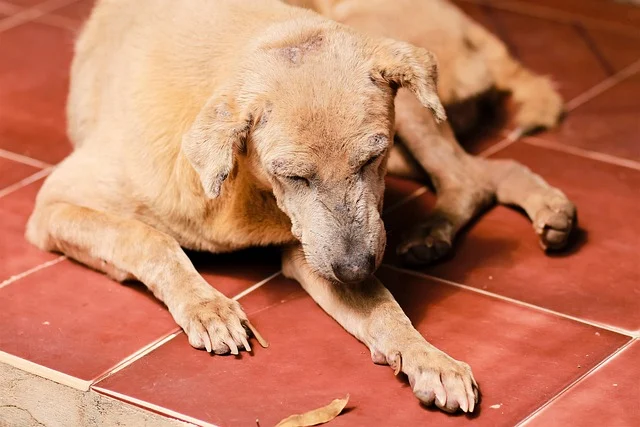
- Open Sore: It might look like a raw, red, or inflamed sore.
- Oily Discharge: You’ll likely see a yellowish, oily, or sometimes blood-tinged fluid seeping from the wound.
- Hair Loss: The area around the burst lipoma might have matted fur due to the discharge or appear bald from licking.
- Swelling and Redness: The surrounding skin can become swollen, red, and warm to the touch, indicating inflammation or potential infection.
- Odor: If an infection is present, there might be an unpleasant smell emanating from the wound.
The wound can range from a small puncture to a larger, irregular tear. It’s important to distinguish this from other skin conditions, as the presence of fatty discharge is a key indicator of a burst lipoma.
Immediate Steps After Your Dog’s Lipoma Bursts
If you discover that your dog’s lipoma has burst, the first thing to do is remain calm. Your dog will pick up on your anxiety. Here are the immediate steps we recommend taking:
- Assess the Situation: Gently examine the wound. Note its size, the amount and type of discharge, and whether your dog seems to be in pain when you touch the area.
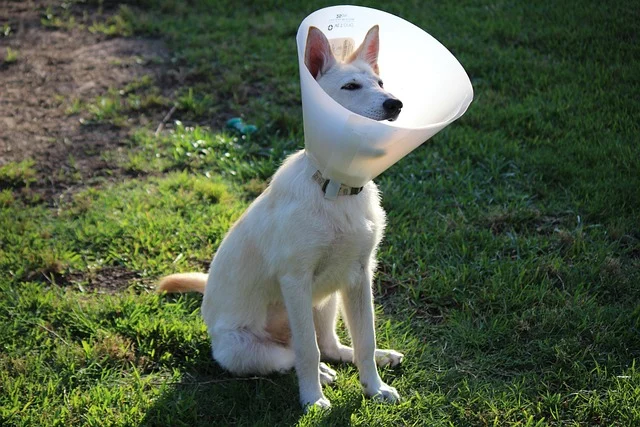
- Prevent Licking: Dogs instinctively want to lick wounds, but this can introduce bacteria and worsen the situation. It is recommended to immediately place an Elizabethan collar (E-collar or ‘cone’) on your dog if one is available. If not, try to distract them or keep them from the wound until one can be obtained.
- Clean the Area Gently: Using warm water and a mild, pet-safe antiseptic solution (like diluted chlorhexidine or povidone-iodine, if you have it and know how to use it safely – otherwise, just warm water is best), gently clean the wound. Avoid harsh scrubbing. Pat the area dry with a clean cloth or paper towel.
- Apply a Clean Dressing (Optional): If the wound is actively oozing or in a location where it might get dirty quickly, you can loosely cover it with a sterile non-stick pad and medical tape or a clean bandage. Do not wrap it too tightly.
- Contact Your Veterinarian: Even if the wound looks minor, a burst lipoma always warrants a call to your vet. They can advise you on whether an immediate visit is necessary or if you can manage it at home with specific instructions. They’ll need to check for infection and ensure proper healing.
Do not attempt to drain more fluid from the lipoma or apply any human creams or ointments without veterinary advice, as these can sometimes be toxic to dogs.
Professional Veterinary Treatment Options
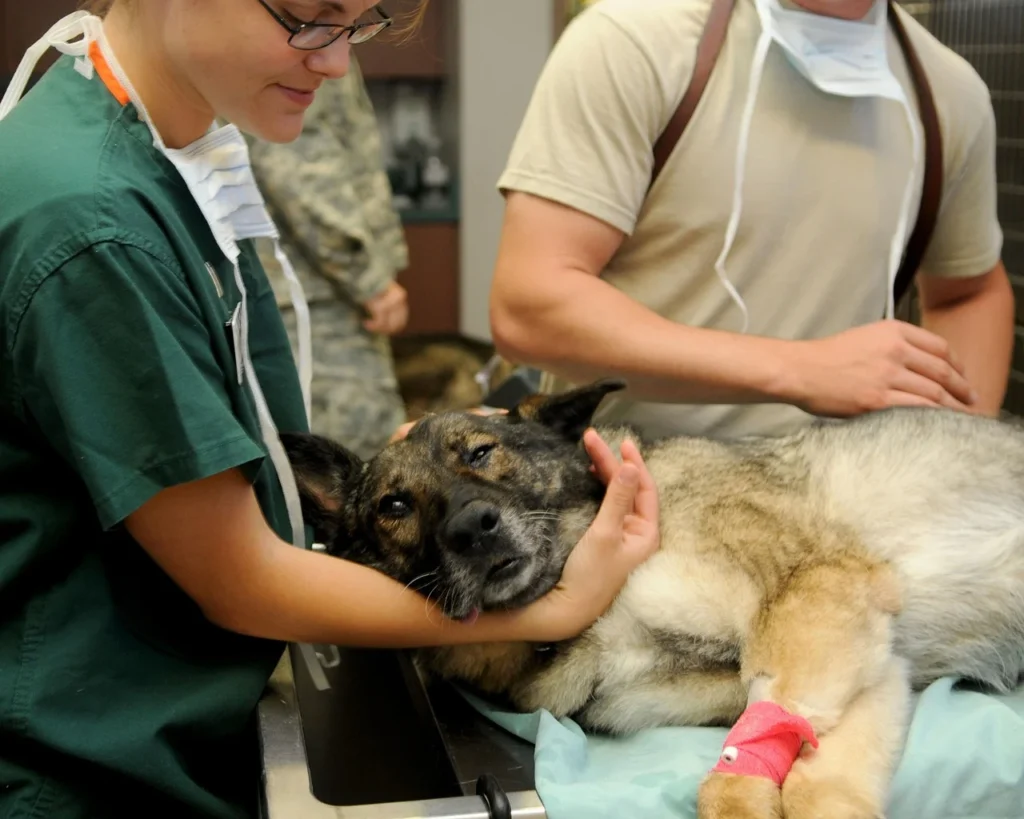
When you take your dog to the vet for a burst lipoma, they will thoroughly assess the wound and your dog’s overall health. The treatment approach will depend on the severity of the rupture, the presence of infection, and the lipoma’s characteristics.
Wound Management and Infection Control
The primary focus will be on cleaning and managing the open wound. Your vet will likely:
- Clean and Debride: Your vet will thoroughly clean the wound and carefully remove any dead or damaged tissue (debridement). As a result, this helps promote healing and reduces the risk of infection.
- Prescribe Antibiotics: If there are signs of infection, or a high risk of one, your vet will prescribe oral antibiotics. Therefore, these are important for combating bacterial growth and ensuring the wound heals properly.
- Pain Relief: Your vet might prescribe pain medication to keep your dog comfortable, especially if the area is inflamed or sensitive.
- Bandaging: In some cases, a sterile bandage may be applied to protect the wound, absorb discharge, and keep it clean. Next, you’ll be given instructions on how to change this dressing at home.
Surgical Removal
While not every burst lipoma requires immediate surgery, it’s often the recommended long-term solution. Your vet might suggest surgical removal of the remaining lipoma tissue, especially if:
- The lipoma was large or in an awkward location.
- It’s prone to bursting again.
- There’s a concern about infection or incomplete drainage.
- The vet wants to send a sample for histopathology to confirm it is indeed a benign lipoma and not a more concerning tumour, although this is less common with a clearly fatty discharge.
Surgery ensures all the fatty tissue is removed, preventing future ruptures and providing definitive treatment. Your vet would typically schedule this once the initial infection and inflammation are under control.
Caring for a Burst Lipoma at Home
Your vet will provide specific instructions for home care, which is vital for proper healing. Here are general guidelines that often apply:
Keeping the Wound Clean
You’ll likely need to clean the wound daily, or as often as your vet recommends. Use the prescribed antiseptic solution (e.g., diluted chlorhexidine or saline solution) and clean cotton pads or gauze. Gently dab, rather than rub, the area to remove any discharge or debris. Ensure your hands are clean before touching the wound.
Preventing Licking and Chewing
This is perhaps the most critical aspect of home care. Your dog must not lick or chew the wound. Continued licking will delay healing, introduce bacteria, and can lead to a more severe infection. An E-collar is usually essential for several weeks until the wound is fully closed and healed. If your dog struggles with an E-collar, discuss alternative options like a recovery suit with your vet.
Administering Medications
Follow your vet’s instructions precisely regarding antibiotics and pain relief. Finish the entire course of antibiotics, even if the wound looks better, to prevent antibiotic resistance and ensure the infection is fully cleared. Do not stop medication early unless advised by your vet.
Monitoring for Complications
Keep a close eye on the wound for any signs of worsening:
- Increased redness or swelling.
- Pus or foul-smelling discharge.
- Fever or lethargy in your dog.
- The wound getting larger or not showing signs of healing.
If you notice any of these, contact your vet immediately. Regular check-ups with your vet will also be necessary to monitor healing progress.
Preventing Lipoma Complications
While you can’t always prevent lipomas from forming or bursting, there are steps you can take to minimize complications:
- Regular Vet Check-ups: During routine examinations, your vet can monitor existing lipomas and identify any new growths. They can advise on whether a lipoma’s size or location warrants removal before it becomes problematic.
- Weight Management: Overweight dogs are more prone to lipomas. Maintaining a healthy weight through a balanced diet and regular exercise may also help reduce the risk of new lipomas or prevent existing ones from growing excessively large.
- Monitor Existing Lipomas: Regularly feel your dog’s body for any new lumps or changes in existing ones. First, note any changes in size, texture, or if they become tender to the touch.
- Protect from Trauma: If your dog has a large lipoma in a vulnerable spot, try to protect it from injury. Therefore, this might mean supervising play with other dogs or being mindful of obstacles in your home.
Remember, not all lipomas need to be removed. Your vet will help you decide the best course of action based on your dog’s individual situation and the characteristics of the lipoma.
When to Seek Urgent Veterinary Care
While a burst lipoma is not typically a life-threatening emergency if managed promptly, certain signs indicate that you need to see a vet without delay:
- Severe Bleeding: If the wound is bleeding heavily and you cannot stop it with gentle pressure.
- Extreme Pain: If your dog is showing signs of severe pain, such as yelping, aggression, or inability to rest.
- Deep or Large Wound: If the burst area is very large, deep, or exposes underlying muscle or tissue.
- Signs of Systemic Illness: If your dog becomes lethargic, refuses to eat, develops a fever, or shows other signs of being generally unwell, this could indicate a severe infection.
- Rapidly Worsening Infection: If the redness, swelling, or discharge around the wound is increasing rapidly, or if it develops a foul odor.
In any of these situations, it’s better to err on the side of caution and get immediate professional veterinary attention. Early intervention can prevent more serious complications.
Frequently asked questions
Can a burst lipoma heal on its own?
While some very small, superficial burst lipomas might start to heal, they rarely close completely or heal without complications like infection. Professional veterinary care is almost always necessary to clean the wound, prevent infection, and ensure proper healing.
What is the oily discharge from a burst lipoma?
The oily discharge from a burst lipoma is the fatty content that was contained within the benign tumour. This is a key indicator that the lump was indeed a lipoma, though a vet should still confirm this.
Are burst lipomas painful for dogs?
Yes, a burst lipoma can be painful for dogs, especially if the surrounding skin is inflamed or infected. The exposed tissue can be sensitive, and the wound itself can cause discomfort, leading to licking or changes in behaviour.
Can I treat a burst lipoma with natural remedies at home?
While you can keep the area clean as a first aid step, we strongly advise against relying solely on natural remedies for a burst lipoma. The risk of infection is high, and your dog will likely need antibiotics and proper wound management from a veterinarian to heal safely and effectively.
How long does it take for a burst lipoma to heal?
The healing time for a burst lipoma varies greatly depending on its size, location, whether it’s infected, and the treatment method. With proper veterinary care, it can take anywhere from a few weeks to several months for the wound to fully close and for the area to recover.