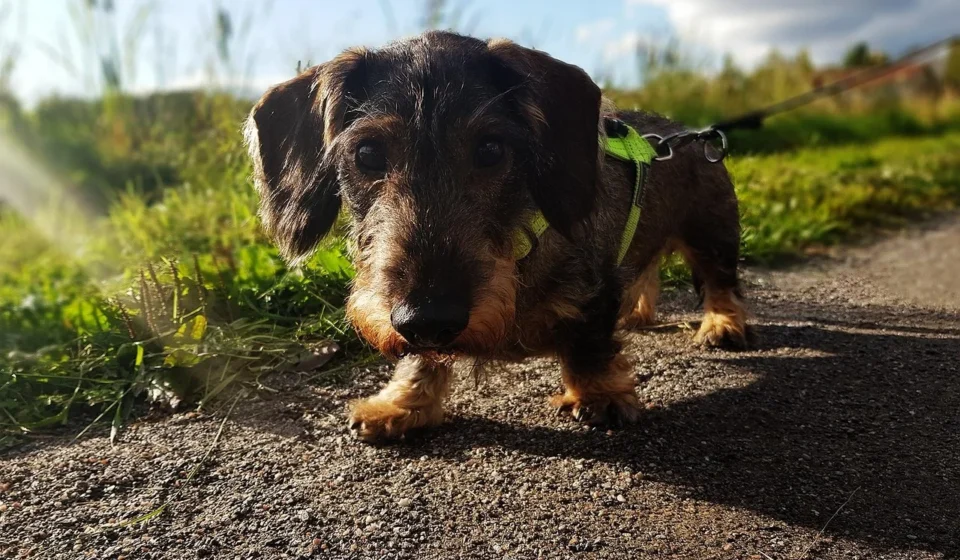
Dachshunds have a unique body shape – long backs, deep chests, and short legs – which means a standard harness often won’t fit correctly or provide the necessary support. We always advise prioritizing designs that protect their vulnerable spine and prevent escape artistry.
Why a Harness is Important for Dachshunds (and Why Collars Are Not)
For dachshunds, a harness isn’t just a preference; it’s a necessity for their health. Their distinctive long backs make them highly susceptible to spinal injuries, particularly Intervertebral Disc Disease (IVDD). A traditional collar, even for ID tags, can put dangerous pressure on their neck and spine during walks. This is especially true if your dachshund pulls or lunges.
A well-designed harness, however, redirects any pulling force away from the neck and onto the stronger chest and shoulders. This significantly reduces the risk of aggravating existing spinal issues or contributing to new ones. It also makes walks more comfortable for your dog and gives you better control.
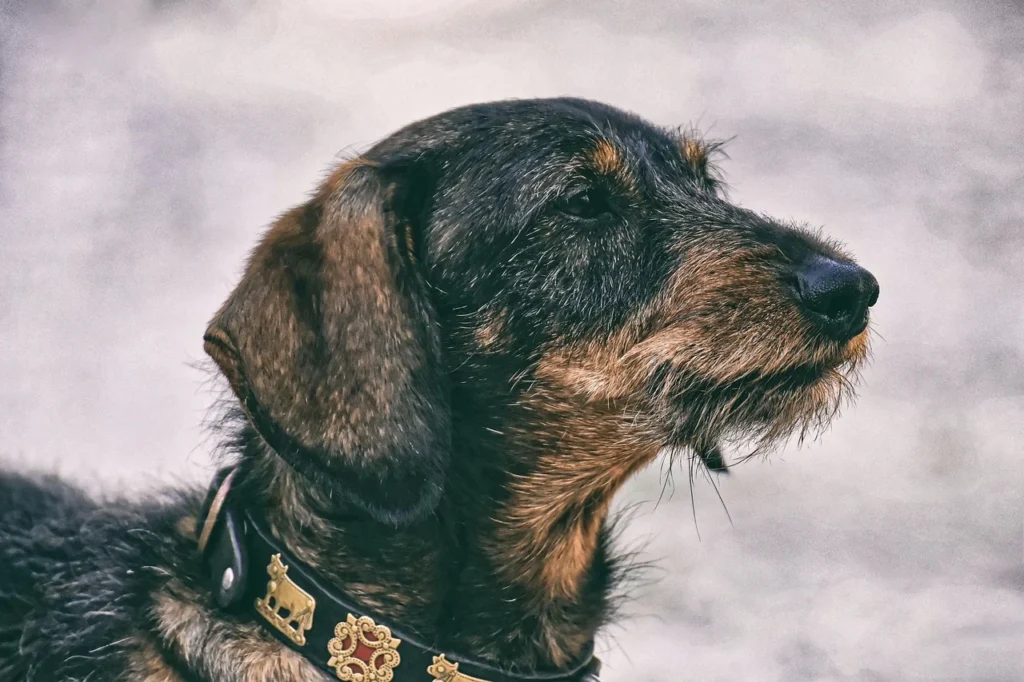
Beyond spinal protection, harnesses are generally more secure. Dachshunds can be surprisingly adept at slipping out of collars due to their flexible necks and deep chests. A properly fitted harness minimizes this escape risk, keeping them safe during walks in busy UK environments.
Key Features of the Best Harness for Dachshunds
When searching for the best harness for your dachshund in the UK, certain features stand out as non-negotiable for their unique anatomy and well-being. Focusing on these ensures you choose a harness that offers both comfort and critical spinal support.
Y-Front or H-Style Design
This is arguably the most important feature. A Y-front (or ‘Y-shaped’) harness has a strap that goes between your dog’s front legs and then splits into two, running up each side of their chest to meet the back strap. An H-style harness has a similar configuration, creating an ‘H’ shape when viewed from above. Both designs avoid pressure on the neck and windpipe, distributing force across the chest and shoulders instead. This is vital for protecting a dachshund’s vulnerable spine, making it the best harness for dachshund UK owners can choose.
Adjustability is Essential
Dachshunds have deep chests and relatively narrow bodies. This means a harness needs multiple adjustment points to achieve a snug, secure fit. Look for harnesses with adjustable straps around the neck, chest, and sometimes even the belly. This allows you to tailor the fit precisely. It also prevents chafing and ensures your dachshund can’t slip out.
Comfortable, Non-Chafing Materials
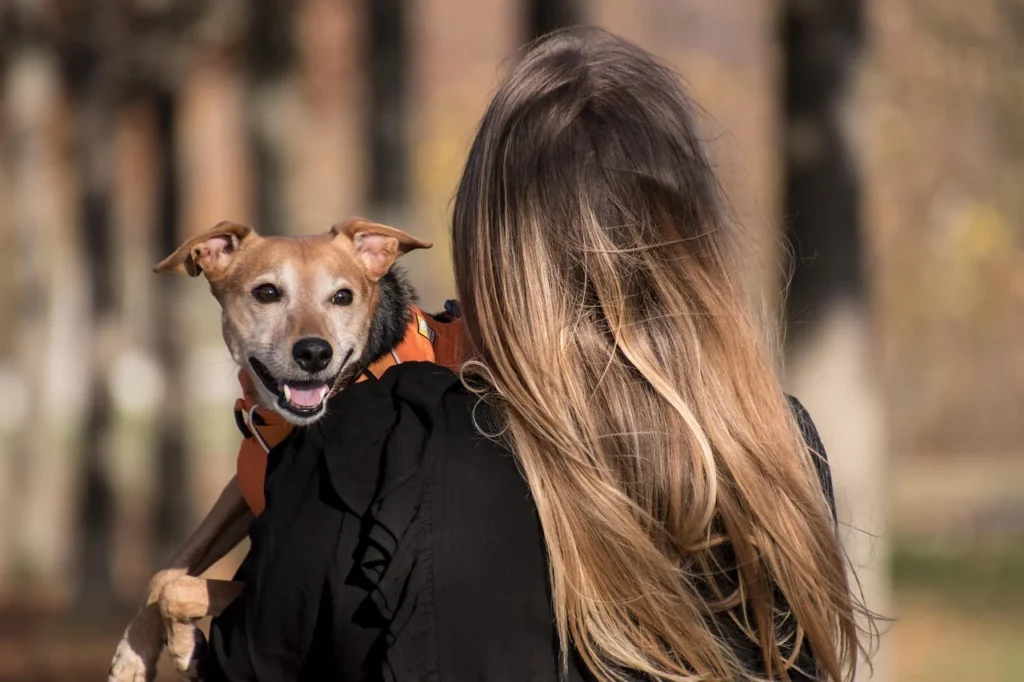
The material of the harness matters for your dog’s comfort. Soft, breathable fabrics like neoprene, padded nylon, or fleece lining can prevent rubbing and irritation, especially under the armpits and around the chest. Avoid thin, stiff straps that can dig into their skin. The harness should feel comfortable even on longer walks.
Front and Back Lead Attachments
Many modern harnesses offer both a front (chest) and a back (between the shoulder blades) lead attachment point. A back attachment is standard for casual walking, while a front attachment can be very useful for managing pulling. When the lead is attached to the front, any pulling by your dachshund gently redirects them to face you. This discourages the behaviour without causing discomfort. These factors are especially helpful when fitting the best harness for a dachshund in the UK during training.
Reflective Elements for Safety
Given the UK’s often grey weather and shorter daylight hours in winter, reflective stitching or strips on a harness are a significant safety feature. They increase your dachshund’s visibility to motorists and cyclists during early morning or evening walks, adding an extra layer of protection.
Sizing Your Dachshund for the Perfect Harness Fit
Getting the right size is paramount for a harness to be effective and comfortable. A harness that is too loose can allow your dachshund to escape. One that is too tight can cause chafing, restrict movement, or put pressure on the wrong areas. We recommend taking accurate measurements before looking at any sizing charts.
How to Measure Your Dachshund
-
- Neck Girth: Measure around the widest part of their neck, where a collar would naturally sit, but slightly lower towards the shoulders.
- Chest Girth: This is the most critical measurement. Measure around the deepest part of their chest, just behind their front legs. This area is typically very broad on dachshunds.
- Back Length (Optional but helpful): Measure from the base of their neck (between the shoulder blades) to the base of their tail. While not directly for harness sizing, it helps visualize how a harness will sit on their long body.
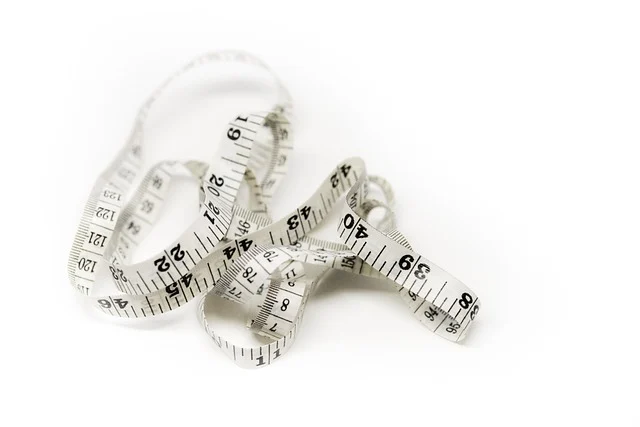
Always use a soft tape measure and ensure it’s snug but not tight. You should be able to fit two fingers comfortably under the tape measure once taken. This ensures there’s enough room for comfort without being too loose.
Understanding Sizing Charts
Every brand has its own sizing chart, so never assume a ‘small’ from one brand is the same as another. Compare your dachshund’s measurements directly against the chart for the best harness for a dachshund in the UK. If your dog is between sizes, we generally advise going larger, especially if the harness has multiple adjustment points. This allows for a more comfortable fit and accommodates any slight growth or changes.
Checking the Fit Once On
Once you fit the best harness for dachshund UK, perform the ‘two-finger rule’ again. You should be able to comfortably slide two fingers under all straps (neck, chest, and belly). The harness should not restrict shoulder movement, nor should it rub against their armpits. The chest strap should sit well behind the front legs, not too close, to prevent chafing. If it’s a Y-front, ensure the ‘Y’ sits centrally on their chest and doesn’t ride up towards their throat.
Best Harness for Miniature Dachshund UK
Miniature dachshunds, while smaller, share the same unique body shape and spinal vulnerabilities as their standard counterparts. Therefore, the same principles for harness selection apply. The best harness for a miniature dachshund in the UK will still be a Y-front or H-style design. It should focus on excellent adjustability to cater to their smaller frame.
For miniature dachshunds, brands offering a wider range of smaller sizes with precise adjustment points are often the most suitable. Look for harnesses specifically designed for small breeds or those with very fine-tuned straps. The material should be lightweight and non-bulky, as heavy harnesses can overwhelm their delicate structure. Padded nylon or soft mesh options are usually a good choice.
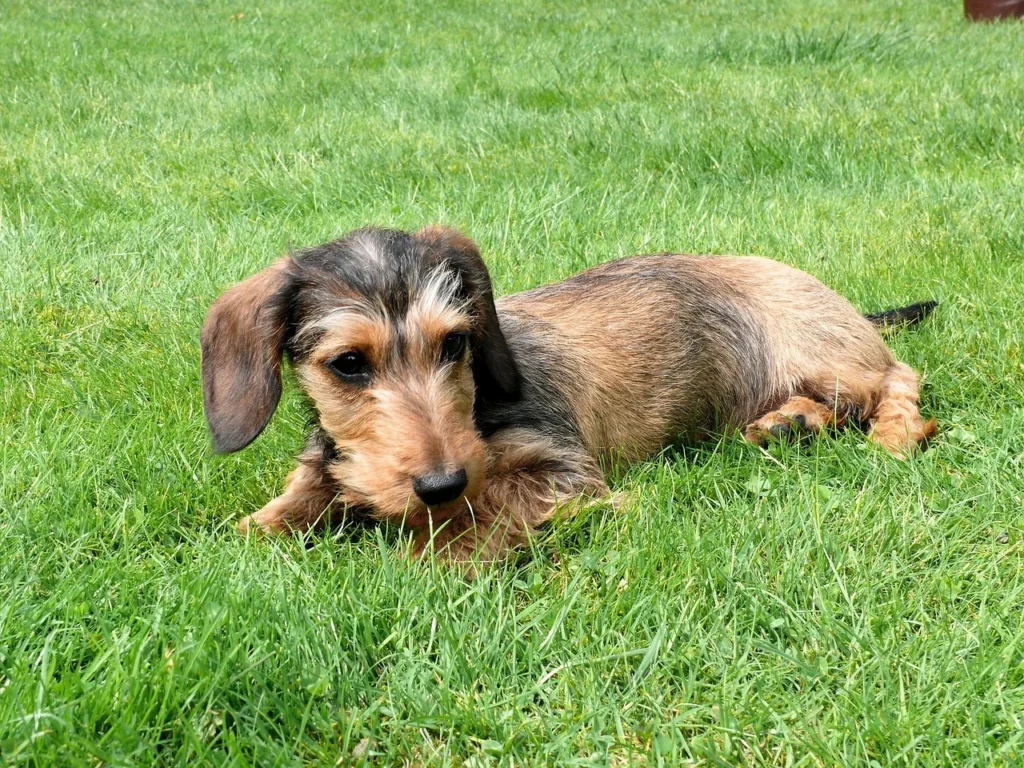
Ensure the harness doesn’t restrict their shoulder movement, as miniature dachshunds are often very active. The chest strap must sit far enough back from their armpits to prevent chafing, which can be more pronounced on smaller dogs due to their shorter legs and close-set joints.
Best Harness for Standard Dachshund UK
Standard dachshunds, being larger and often stronger than miniatures, also require a harness that prioritizes spinal health and security. The best harness for a standard dachshund in the UK will feature the same Y-front or H-style design but will need to be made from more solid materials and have stronger buckles and D-rings to withstand their greater strength.
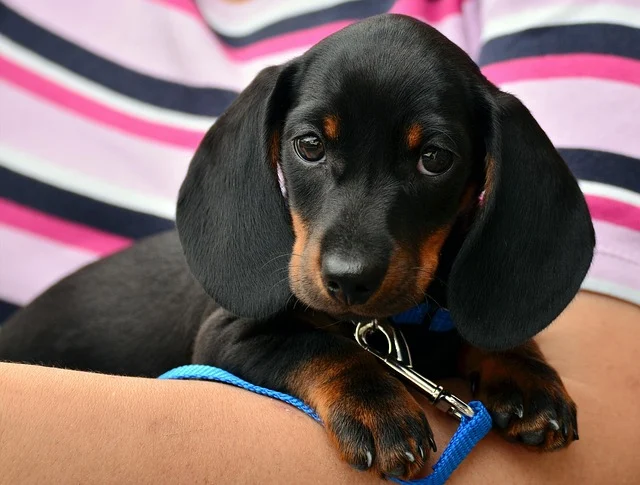
Durability is a key consideration here. While comfort remains important, the harness must be able to withstand more significant pulling forces without stretching or breaking. Look for strong, tightly woven nylon webbing, secure metal D-rings, and reliable plastic or metal buckles. Padded options are still excellent, providing comfort without adding excessive bulk.
Adjustability is equally critical for standard dachshunds to ensure a snug fit that prevents escapes. Their deep chests mean the chest strap needs careful positioning to avoid chafing and to sit securely. A harness with both front and back lead attachments can be particularly beneficial for standard dachshunds, offering more control during walks, especially if they tend to pull.
Best Harness for Dachshund Puppy UK
Choosing a harness for a dachshund puppy requires a balance of comfort, safety, and the understanding that they will grow. The best harness for a dachshund puppy in the UK should be lightweight, highly adjustable, and designed with soft, non-irritating materials. We always recommend a Y-front or H-style design from the very beginning to establish good habits and protect their developing spines.
Puppies are still growing, so investing in a harness with significant adjustability is wise, allowing it to grow with them for a period. However, be prepared to purchase a larger size as they mature. Avoid anything too bulky or heavy, as it can hinder their natural movement and play. Soft mesh or padded nylon harnesses are often excellent choices for puppies.
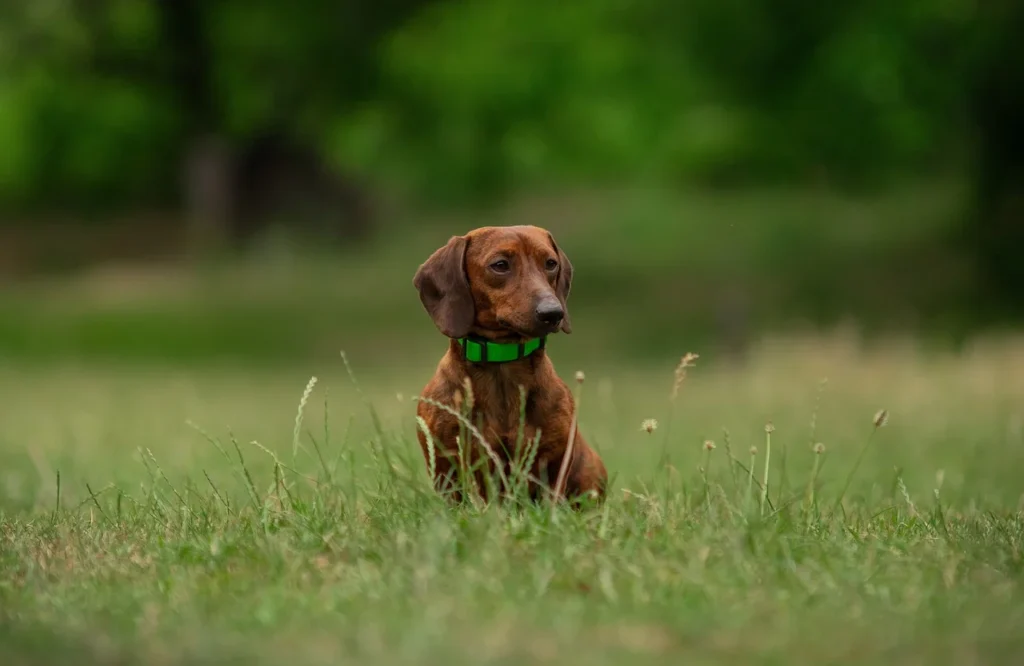
Focus on introducing the harness positively, making it a comfortable and enjoyable experience. Let them wear it for short periods around the house before attaching a lead. This early positive association will make walks much smoother as they get older. As Dogster’s 2026 update on essential dachshund supplies notes, starting with the right equipment from puppyhood sets them up for a healthier life.
Common Mistakes to Avoid When Buying a Dachshund Harness
Even with the best intentions, it’s easy to make mistakes when choosing a harness for a dachshund. Avoiding these common pitfalls will save you frustration and, more importantly, protect your dog’s health.
-
-
- Choosing a Step-In Harness: While popular for some breeds, many step-in harnesses (where the dog steps into two leg holes) lack the important Y-front or H-style chest strap. They often put more pressure on the shoulders and can ride up, potentially irritating the throat or putting strain on the spine. We generally advise against these for dachshunds.
- Ignoring the Two-Finger Rule: A common error is a harness that’s too loose or too tight. Always check that you can slide two fingers comfortably under all straps. Too loose, and your dachshund can escape; too tight, and it will chafe and restrict movement.
- Buying Based on Breed Alone: While the ‘dachshund’ label is a good starting point, individual dogs within the breed can vary significantly in size and shape. Always measure your specific dog and compare it to the brand’s sizing chart.
- Prioritizing Style Over Function: Attractive colours and patterns are fun, but they should never come before the harness’s ability to provide proper support and comfort. Functionality, especially spinal protection, must be the top priority for a dachshund.
- Not Considering Material Comfort: Stiff, rough, or poorly padded materials can cause painful chafing, especially under the armpits or across the chest. Always opt for soft, breathable, and well-padded options, particularly if your dachshund has sensitive skin.
-
Maintaining Your Dachshund’s Harness
Once you’ve found the perfect harness, proper maintenance ensures its longevity and continues effectiveness. Regularly inspect the harness for any signs of wear and tear, such as frayed straps, loose stitching, or damaged buckles and D-rings. A damaged harness can compromise your dog’s safety.
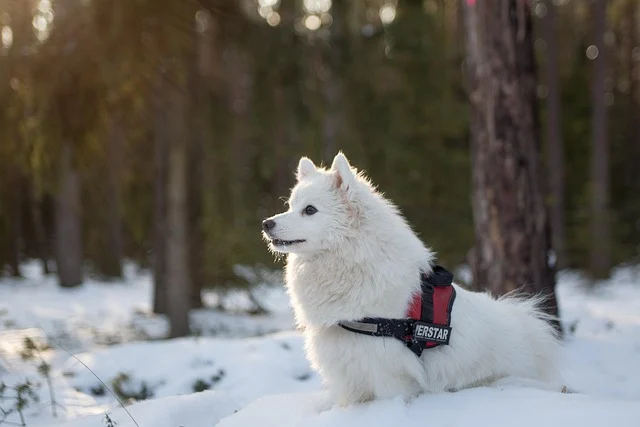
Cleaning your dachshund’s harness is also important for hygiene and comfort. Most harnesses can be hand-washed with mild soap and water or gently machine-washed on a delicate cycle in a laundry bag. Always check the manufacturer’s cleaning instructions. Allow the harness to air dry completely to prevent mold or mildew, which can cause skin irritation.
Frequently asked questions
Can a harness hurt a dachshund’s back?
A poorly fitting harness or one that puts pressure on the neck and spine can indeed hurt a dachshund’s back. It’s important to choose a Y-front or H-style harness that distributes pressure across the chest and shoulders, away from their delicate spine.
What is the best type of harness for a miniature dachshund?
For a miniature dachshund, the best type of harness is a lightweight Y-front or H-style design with multiple adjustment points. This ensures a snug, secure fit that protects their spine without being bulky or restricting movement.
Should a dachshund wear a harness all the time?
No, a dachshund should only wear a harness during walks or when supervised. Wearing a harness constantly can cause skin irritation, matting, or discomfort. It should be removed when they are relaxing at home.
How do I know if my dachshund’s harness fits correctly?
A correctly fitting harness allows you to comfortably slide two fingers under all straps. It should sit snugly without restricting shoulder movement, and the chest strap should be well behind the front legs to prevent chafing, with no pressure on the throat.
Are front-clip harnesses good for dachshunds?
Yes, front-clip harnesses can be very good for dachshunds, especially if they tend to pull. The front attachment gently redirects their momentum, offering better control without putting strain on their neck or back, which is beneficial for their spinal health.