Why Even Indoor Cats Might Need a Collar
A common question is whether indoor-only cats truly need a collar. While the risks of snagging are lower than for outdoor adventurers, a collar can be a lifesaver in unexpected situations. If your feline friend is a master escape artist and slips out the door, or if you’re considering adoption and want to be prepared, a collar with identification is paramount.
According to the ASPCA, identification is key to reuniting lost pets with their families, and a collar is the most common way to attach this vital information. For instance, a cat that darts out an open window or door might be found by a neighbour. Without a collar and tag, identifying its owner can be incredibly difficult.
The type of collar is just as important as the decision to use one. For indoor cats, the primary concern is safety, especially regarding entanglement. This is where the concept of a ‘breakaway’ or ‘quick-release’ collar becomes essential.
These collars are designed to snap open under a certain amount of pressure, preventing a cat from getting caught on furniture, fences, or other objects and sustaining injury. Even for a pampered house cat, unforeseen hazards can arise, making a breakaway collar a wise precautionary measure.
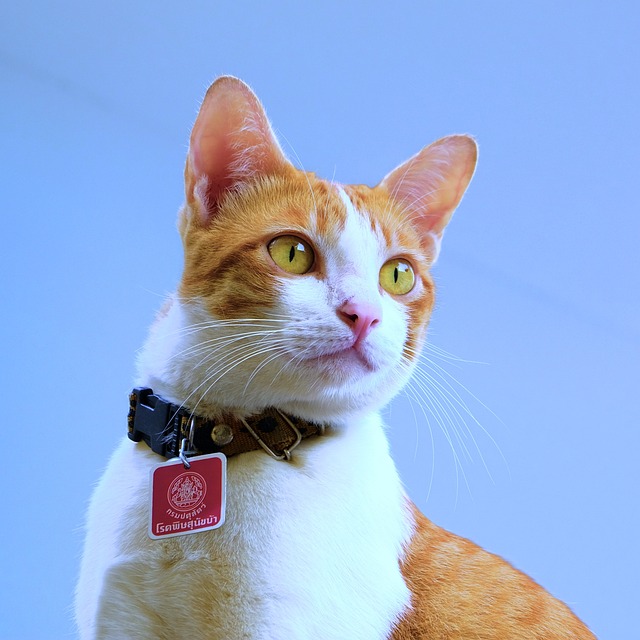
Breakaway Collars: The Gold Standard for Safety
When we talk about cat collar safety, the ‘breakaway’ feature is non-negotiable. These collars feature a special buckle mechanism that’s engineered to release when subjected to a specific tension, typically if the cat becomes snagged on something. This is a critical distinction from standard buckle collars, which can pose a serious strangulation risk if they get caught.
Consider a scenario where a curious cat decides to climb a bookshelf. If its collar catches on a protruding edge, a standard buckle might hold firm, potentially causing distress or injury. A breakaway collar, however, would likely snap open, freeing the cat.
This feature is so important that many veterinary professionals and animal welfare organisations, including the RSPCA, strongly recommend breakaway collars for all cats, regardless of whether they go outdoors. The peace of mind that comes with knowing your cat has an extra layer of protection against accidental entanglement is invaluable.
The mechanism itself is quite ingenious. It relies on a spring-loaded buckle that requires a pull in a specific direction (usually downwards or sideways) to disengage. While this is effective against accidental snags, it’s generally secure enough that it won’t open during normal play or from the cat scratching at it. The tension required is calibrated to be safely released by common household hazards but not so light that it detaches during normal wear.

Choosing the Right Collar: Material, Fit, and Comfort
Beyond the crucial breakaway feature, the material and fit of a cat collar significantly impact your cat’s comfort and acceptance. Collars come in a variety of materials, with nylon being a popular choice due to its durability, affordability, and wide range of colours and patterns. However, some cats may develop skin irritation from nylon, especially if the collar is not kept clean or if the cat has sensitive skin.
In such cases, softer materials like fabric or even leather (though less common and potentially less safe if not breakaway) might be considered. Always check the material for rough edges or stitching that could chafe your cat’s neck.
Getting the fit right is paramount. A collar that’s too tight can cause discomfort, restrict breathing, or lead to skin abrasions. Too loose, and it could easily slip off or, worse, get caught.
The general rule of thumb is that you should be able to fit two fingers comfortably between the collar and your cat’s neck. Cat collar allows for movement without being so loose that it becomes a hazard. When fitting, ensure the buckle is positioned at the front or side of the neck, not directly under the chin, for maximum safety and comfort.
It’s also worth noting that some collars include bells. While a bell can alert prey animals (like birds or rodents) to your cat’s presence, potentially reducing hunting, it can also be a constant annoyance to the cat, and even to you. Some cats become accustomed to the sound, while others find it highly distracting.
If you choose a collar with a bell, ensure it’s not so large or heavy that it bothers your cat. Alternatively, many excellent collars are available without bells for those who prefer a quieter approach.
Identification: Beyond the Collar Tag
While a collar is the perfect place to attach an ID tag, it’s not the only method of identification. Microchipping is a permanent form of identification that’s highly recommended by veterinarians. A tiny chip, about the size of a grain of rice, is implanted under the cat’s skin and contains a unique identification number. This number is linked to your contact information in a national database.
Even with a microchip, a collar with an up-to-date ID tag remains crucial. If your cat is found by a rescuer or vet who doesn’t immediately have a scanner for microchips, a visible tag provides instant contact information. Ensure the tag is made of durable material, such as engraved metal, and that the engraving is clear and resistant to wear.
It should include your cat’s name and your phone number. Many services offer personalized tags, allowing you to choose fonts, colours, and even add a second phone number or address. As of August 2026, the cost of engraved metal ID tags typically ranges from £5 to £15, depending on size and complexity.
Regularly check that the information on the ID tag is legible and that your contact details in the microchip registry are current. Life changes, such as moving house or changing phone numbers, mean the registry needs updating. This proactive approach significantly increases the chances of a swift reunion if your cat ever goes missing.

Specialty Collars and Their Uses
Beyond basic identification and safety, various specialty collars cater to specific needs. Flea and tick collars are common, designed to release insecticides that protect your cat from parasites. However, it’s essential to use these with caution.
Some flea collars can cause skin irritation or allergic reactions, and certain types might contain chemicals that are harmful if ingested by the cat or other pets. Always consult your veterinarian before using any medicated collar to ensure it’s appropriate and safe for your cat’s health and lifestyle. They can often recommend prescription-strength treatments that are both effective and safer.
There are also decorative or ‘designer’ cat collars, offering a touch of flair. These can range from simple, stylish fabric bands to elaborate creations with embellishments. While aesthetics are fun, they should never compromise safety.
Ensure any decorative collar still features a breakaway buckle and is made from comfortable, non-irritating materials. A cat that’s uncomfortable or restricted by its collar is unlikely to wear it for long and might even try to remove it, which could lead to it being lost or becoming a hazard itself.
For kittens, a special kitten collar is often recommended. These are typically smaller, lighter, and narrower than adult cat collars, designed to fit their developing necks comfortably. Introducing a collar to a kitten from a young age can help them get accustomed to wearing one, making the transition to an adult collar smoother. The same safety principles apply: a breakaway buckle is crucial even for the smallest felines.
Common Mistakes When Choosing and Using Cat Collars
One of the most frequent errors pet owners make is choosing a collar that’s too tight or too loose. As mentioned, the two-finger rule is a simple yet effective way to gauge the correct fit. Another mistake is failing to check the collar regularly for signs of wear and tear. Clasps can weaken, fabric can fray, and bells can fall off, rendering the collar less effective or even unsafe. A quick weekly check can prevent potential problems.
Using a non-breakaway collar on any cat is a significant oversight. While they might look more secure, the risk of serious injury outweighs any perceived benefit. Similarly, neglecting to update identification tags or microchip information is a common pitfall. If your cat goes missing and your contact details are outdated, the collar becomes a symbol of lost connection rather than a bridge to reunion.
Finally, some owners mistakenly believe collars are only for outdoor cats. As we’ve discussed, even indoor cats can benefit from identification and the safety features a breakaway collar provides in case of an escape or accidental snagging. Being proactive about your cat’s safety, regardless of its environment, is key.

How to Introduce a Collar to Your Cat
Introducing a collar to a cat, especially one that has never worn one before, requires patience and positive reinforcement. Start by letting your cat sniff and explore the collar for a few days without trying to put it on. Then, try placing it around their neck for short periods, perhaps 5–10 minutes, while you supervise them closely and offer treats or praise. If your cat seems distressed or tries to remove it aggressively, take it off and try again later for a shorter duration.
The goal is to associate the collar with positive experiences. You can try putting the collar on just before meal times or during play sessions. This helps your cat associate the collar with enjoyable activities.
Most cats will eventually become accustomed to wearing a collar, but some may always find it a bit bothersome. If your cat shows persistent signs of stress, such as constant scratching, hiding, or changes in eating habits, it might be best to reconsider the collar or consult your veterinarian.
Frequently Asked Questions
Should my indoor cat wear a collar?
Yes, it’s generally recommended for indoor cats to wear a breakaway collar. Cat collar provides identification if they escape and offers protection against accidental entanglement on household items.
What is the safest type of cat collar?
The safest type of cat collar is a breakaway or quick-release collar. It’s designed to snap open under a certain amount of pressure, preventing strangulation if it gets caught.
How tight should a cat collar be?
A cat collar should be snug but comfortable. You should be able to comfortably fit two fingers between the collar and your cat’s neck. It should not be so loose that it can slip over the head.
When should a kitten get a collar?
Kittens can typically start wearing a collar from around 3–4 months of age, once they are more stable and less prone to getting into tight spaces. Always use a kitten-specific, lightweight breakaway collar.
Do cat collars with bells deter hunting?
A bell on a cat collar can alert prey animals to the cat’s presence, potentially reducing hunting success. However, some cats find the constant jingling annoying, and it may not be effective for all cats.
How do I clean a cat collar?
Most fabric or nylon collars can be hand-washed with mild soap and water. Ensure the collar is thoroughly rinsed and completely dry before placing it back on your cat to prevent skin irritation.
Conclusion: Prioritising Your Cat’s Safety and Well-being
Choosing the right cat collar is a small but significant act of care for your feline companion. Prioritising safety with a breakaway design, ensuring a comfortable and correct fit, and keeping identification up-to-date are the cornerstones of responsible collar use. Whether your cat enjoys outdoor adventures or lives a pampered indoor life, a well-chosen collar provides an essential layer of security and peace of mind. Remember to regularly check its condition and fit, and consult your vet if you have any concerns about its use or any associated treatments.
Source: Britannica.