
Finding a Cocker Spaniel for sale requires deciding between an American or English variety—and choosing between show and working lines—before vetting breeders for essential health screenings like PRA eye tests and hip scoring. Expect to pay between £1,500 and £3,000 for a healthy puppy from a responsible breeder, or £150 to £400 through a recognized rescue organisation.
Whether you are searching for a traditional family companion or an active dog for field sports, finding the right dog means understanding the distinct strains within the breed, recognizing health testing standards, and setting up a realistic budget for lifetime care.
How do American and English Cocker Spaniels differ?
Both breeds started as gundogs. They flushed game birds from thick cover. The American Cocker Spaniel and English Cocker Spaniel are now distinct. They have different builds, energy, and coat needs. English Cockers also have two types. Breeders maintain show-bred and working-bred lines. Sometimes you can find a cocker spaniel for sale in either line.
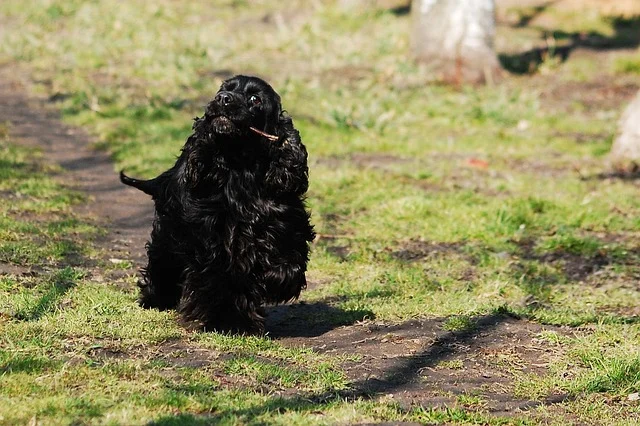
American Cocker Spaniels are the smallest of the gundog group. They are identifiable by their rounded, domed skull, pronounced stop, shorter muzzle, and an abundant, silky coat. This coat often touches the ground if left uncut. However, these dogs tend to have a sensitive temperament and suit quieter households that can commit to intensive coat maintenance.
English Cocker Spaniels are taller, longer in the muzzle, and built for stamina. Show-bred English Cockers possess longer ears, heavier feathering, and a square muzzle. Working-bred English Cockers (often called Working Cockers) are bred specifically for field performance. They have shorter ears, a flatter skull, far less coat feathering, and an intense drive to hunt and retrieve.

| Trait | American Cocker Spaniel | English Cocker Spaniel (Show Strain) | English Cocker Spaniel (Working Strain) |
|---|---|---|---|
| Average Weight | 10–14 kg | 13–15.5 kg | 11–14 kg |
| Coat & Grooming | High maintenance; daily brushing, clipping every 4–6 weeks | Moderate–High maintenance; regular stripping or clipping | Low–Moderate maintenance; tight coat, occasional trimming |
| Daily Exercise Need | 45–60 minutes | 60–90 minutes | 90+ minutes with intense mental work |
| Energy & Drive | Moderate energy; soft, gentle nature | Moderate-high energy; merry, adaptable | High energy; intense prey drive and working focus |
| Best Suited For | Families wanting a gentle, trainable indoor companion | Active families wanting a traditional spaniel look | Agility competitors, working handlers, extremely active homes |
Who is a Cocker Spaniel right for (and who should avoid one)?
Cocker Spaniels are affectionate, social dogs. They bond strongly with human families. Households wanting a highly trainable companion will find a cocker spaniel for sale ideal. These dogs love spending time outdoors. Their cooperative nature makes them great for obedience, agility, and scent games.
However, a Cocker Spaniel is not the right choice for every household. You should consider another breed if any of the following apply to your situation:
- You are away from home for long work shifts: Cockers are companion dogs prone to separation anxiety. Leaving them alone for more than four hours regularly can trigger destructive chewing and excessive barking.
- You want a low-maintenance coat: Show Cockers require line brushing several times a week to prevent severe matting, along with professional grooming fees every six to eight weeks.
- You prefer a relaxed, low-energy dog: Even show-line Cockers require at least an hour of active exercise daily. Working Cockers need significant physical activity alongside mental challenges to prevent frustration.
- You dislike handling high prey drive: Working strains will actively pursue wildlife, birds, and small animals outdoors. This requires strict lead discipline and ongoing recall work.
How to find a responsible Cocker Spaniel breeder
Finding a healthy puppy requires looking past simple classified listings and evaluating the breeder’s standards. For example, a reputable Cocker Spaniel breeder prioritizes health, temperament, and welfare above production volume.

Essential health tests to ask for
Cocker Spaniels are prone to inherited genetic conditions. Ethical breeders screen both parents before mating. Always ask for official test certificates. Look for certifications from the British Veterinary Association (BVA) or Kennel Club. Recognized DNA testing laboratories also provide certificates. This is important when looking for a cocker spaniel for sale.
- Progressive Retinal Atrophy (prcd-PRA): A genetic disease that leads to progressive blindness. Parents should be DNA tested clear or carrier status verified so no puppy develops the condition.
- Familial Nephropathy (FN): A fatal kidney disease affecting young Cockers. DNA testing ensures parents do not pass on the mutant gene.
- Acral Mutilation Syndrome (AMS): Important for working lines; a neurological disorder affecting pain sensitivity in the feet.
- Adult Onset Neuropathy (AON): A progressive neurological condition affecting older English Cockers.
- BVA/KC Eye Scheme Certificate: Annual eye examinations for parents screen for hereditary cataracts and goniodysgenesis. This condition can predispose dogs to glaucoma.
- Hip Scoring: X-rays evaluated by BVA panel inspectors to ensure parent dogs have healthy hip joints free from severe dysplasia.
Red flags when looking for a Cocker Spaniel for sale
To avoid supporting commercial puppy farms or irresponsible back-street breeders, walk away if you spot any of these warning signs:
- The seller offers to meet you in a public car park or deliver the puppy directly without you visiting their home.
- You are not permitted to see the puppy interacting naturally with its mother in the home environment.
- The puppies are ready to leave before eight weeks of age.
- Next, the seller offers multiple different breeds or several litters born at the same time.
- The seller cannot produce official BVA or DNA health certificates for both parents.
- Also, the puppy lacks microchip documentation. This is a legal requirement before sale.
Step-by-step process for buying a puppy
- Research breed clubs: Contact breed organizations such as The Cocker Spaniel Club or regional breed clubs for recommended breeder directories.
- Initial contact and vetting: Expect responsible breeders to ask detailed questions about your garden, home setup, working hours, and experience with dogs.
- Home visit: Visit the premises when the puppies are at least four weeks old. You can view their living conditions, check mother and pup interactions, and inspect health certificates.
- Contract and deposit: Review the sales contract carefully. It should include a health guarantee, registration papers, microchip transfer details, and a clause stating the breeder will take the dog back if you ever cannot keep it.
- Collection at 8+ weeks: Collect your puppy with its worming history, initial vaccination records, microchip card, and a small supply of its current food.
Adopting a Cocker Spaniel through a rescue organisation
Rescue organizations are an excellent path. Prefer adopting an adult dog? Give a second chance to a dog in need. Adopting allows you to work with staff. These staff understand temperament and house-training status. They know exercise requirements too. You can find a cocker spaniel for sale or other companion animal. Staff will help with your choice.

Specialist breed rescues, such as English Cocker Spaniel Welfare, operate alongside national animal welfare charities like the Dogs Trust and RSPCA. Rehoming fees generally fall between £150 and £400. This fee usually covers full health checks, microchipping, initial or booster vaccinations, parasite treatments, and neutering or spaying procedures.
The adoption process typically involves completing an application form, undergoing a home assessment (or virtual home inspection), and visiting the dog multiple times to ensure compatibility with your household before final approval.
Understanding the true cost of Cocker Spaniel ownership
When searching for a Cocker Spaniel for sale, the purchase price is only the starting point. Budgeting for lifetime care ensures you can meet your dog’s medical, dietary, and grooming needs without financial stress.

| Expense Category | Estimated Initial Cost | Estimated Ongoing Annual Cost |
|---|---|---|
| Purchase or Adoption Fee | £1,500 – £3,000 (Breeder) / £150 – £400 (Rescue) | £0 |
| Initial Equipment (Crate, bed, lead, harness, bowls) | £150 – £300 | £50 – £100 (replacements) |
| High-Quality Dog Food | £40 – £60 (first month) | £450 – £700 |
| Professional Grooming (Every 6–8 weeks) | £50 – £80 | £350 – £600 |
| Routine Vet Care (Vaccines, flea/worming) | £100 – £200 | £200 – £350 |
| Pet Insurance | £25 – £60 (first month) | £300 – £720 |
| Training Classes & Enrichment Toys | £100 – £200 | £100 – £150 |
| Total Estimated Costs | £1,965 – £4,440 | £1,450 – £2,620 |
Training, exercise, and daily care requirements
Cocker Spaniels are intelligent, working-origin dogs that thrive when given structured daily activity and consistent training routines. Using positive reinforcement techniques builds confidence and speeds up learning Tibetan Spaniel: A Joyful Companion for Active Homes.

Exercise demands by age and type
Puppies need short, controlled exercise. This protects their growing joints. A general guideline is five minutes of structured walking. This is per month of age, twice daily. Continue until fully grown. For example, a four-month-old puppy needs 20 minutes per session. If considering a cocker spaniel for sale, remember these exercise needs.
Adult show Cockers need 60 minutes of active exercise daily. However, working Cockers often require 90 minutes or more. Physical exercise pairs with mental stimulation. For example, scent games, hidden food puzzles, and retrieving drills engage their natural hunting instincts. This prevents problem behaviors like destructive chewing or excessive barking. So, looking for a cocker spaniel for sale? Remember these exercise needs.
Managing separation anxiety and recall
Cocker Spaniels bond closely with owners. Introduce short periods of alone time gradually. Do this during puppyhood. Crate training helps build independence. Use long-lasting chew treats too. Early recall training is critical. Outdoor scent trails can tempt a young dog. A for sale cocker spaniel may stray if recall is not established. Use high-value rewards for training.
Grooming routines and ear health maintenance
Maintaining a Cocker Spaniel’s coat and ears requires commitment. Without regular care, their dense coat mats quickly, causing discomfort and skin inflammation.

Weekly grooming steps
- Line brushing: Section the coat and brush down to the skin with a slicker brush, paying extra attention to the feathering behind the ears, armpits, and underbelly.
- Combing through: Follow with a metal comb to detect small tangles before they develop into tight mats.
- Trimming paws: Keep footpad hair trimmed flush with the pads to prevent mud, ice, and seeds (such as grass awns) from embedding.
- Professional clipping or hand-stripping: Schedule grooming visits every six to eight weeks. Show coats benefit from hand-stripping, while companion pets are usually clipped for easy maintenance.
Ear care and infection prevention
A Cocker Spaniel’s long, heavy leather ear traps moisture. It limits airflow to the canal. This moist environment causes ear infections. Yeast and bacteria are common culprits. Inspect ears weekly for redness. Watch for unusual odor or dark discharge. Clean the outer ear flap. Use a vet-recommended pH-balanced ear cleaner. Dry the ear thoroughly afterward. Never insert cotton buds into the ear canal. This advice is important for a “for sale cocker spaniel” or any pet owner.
Frequently asked questions
How much does a Cocker Spaniel puppy cost?
Purchasing a health-tested Cocker Spaniel puppy from a reputable breeder costs between £1,500 and £3,000. In contrast, adoption fees through breed rescues usually range from £150 to £400.
Are American or English Cocker Spaniels better for first-time owners?
English Cocker Spaniels from show lines are often considered slightly easier for first-time owners due to their sturdy build and adaptable nature. Working-line Cockers require significant exercise and working outlets, which can overwhelm beginner dog owners.
How much exercise does an adult Cocker Spaniel need?
An adult show Cocker needs 60 minutes of daily exercise, while a working Cocker requires 90 minutes or more of active walking, scent work, and field training.
How often should a Cocker Spaniel be groomed?
They require coat brushing three to four times a week at home, along with professional grooming or clipping every six to eight weeks to prevent severe matting.