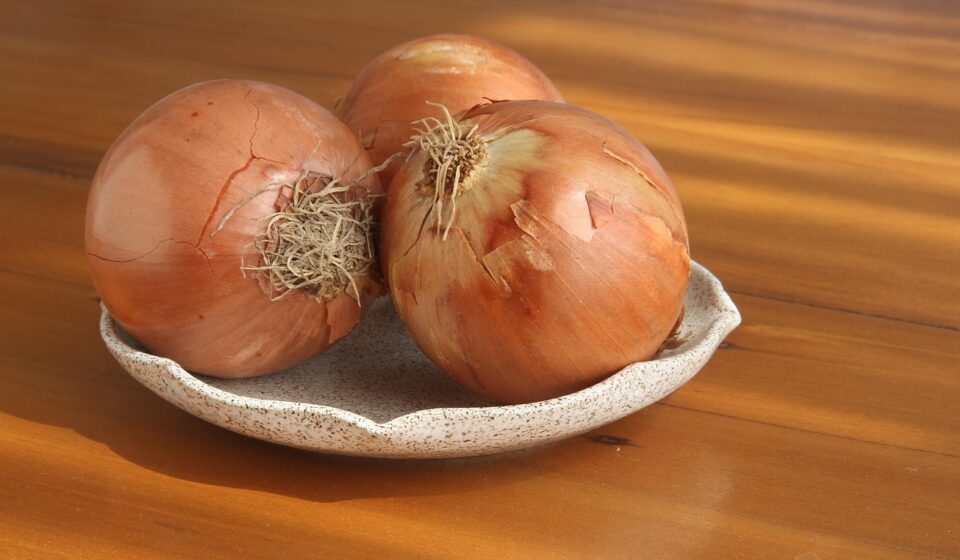
y”>
Onion toxicity in dogs isn’t caused by a single event, but rather by the cumulative effect of these organosulfur compounds on their red blood cells. When these compounds are ingested, they cause oxidative stress on the cells. This stress leads to the formation of Heinz bodies, which are clumps of denatured haemoglobin on the surface of red blood cells. These damaged cells are then prematurely destroyed by the spleen, a process known as haemolysis.
The symptoms of onion toxicity don’t always appear immediately. They can manifest anywhere from 24 hours to several days after ingestion, making it tricky to pinpoint the cause if you’re unaware of the exposure. The effects are dose-dependent, meaning a small nibble might cause mild symptoms, while a larger amount can be life-threatening. Even dehydrated or powdered onion forms, which are more concentrated, pose a significant risk.
Keep in mind that different dog breeds may have varying sensitivities. Some research suggests certain breeds might be more predisposed to onion toxicity, though this is not definitively proven across the board. Regardless of breed, any onion ingestion should be treated with caution. The ASPCA Animal Poison Control Center (2026) consistently lists onions among the top toxic foods for pets, highlighting the widespread nature of this risk.
How Much Onion is Too Much for Your Dog?
Determining an exact ‘safe’ amount of onion for dogs is impossible, as individual tolerance varies greatly. However, veterinary guidelines often cite a general toxicity threshold. According to the Pet Poison Helpline (2026), as little as 0.5% of a dog’s body weight in onions can cause significant toxicity. For a 20-pound (approximately 9 kg) dog, this would equate to just over 1.5 ounces (about 45 grams) of onion – roughly one-tenth of a medium-sized onion.
This means that even a small amount, like a piece of dropped onion from your plate or a lick of gravy containing onion powder, could potentially be harmful, especially for smaller breeds. For larger dogs, the amount needed to cause toxicity is higher, but the risk remains. It’s not just about the quantity; the frequency of exposure also plays a role. Regular, even small, exposures can lead to chronic anaemia.

Recognising the Signs of Onion Poisoning
Spotting onion toxicity requires vigilance, as the symptoms can mimic other common canine ailments. Early signs often include gastrointestinal upset. Your dog might experience vomiting, diarrhoea, lethargy, and a decreased appetite. These symptoms can occur within the first 24-48 hours after ingestion.
As the haemolytic anaemia progresses, you might notice more concerning signs. These include pale gums, increased heart rate, rapid breathing, and weakness. Your dog may seem unusually tired or reluctant to exercise.
In severe cases, you might observe jaundice (a yellowing of the skin and gums) and even blood in the urine, indicating significant red blood cell destruction. A veterinary examination, often including a blood test to check red blood cell counts, is crucial for diagnosis.
The Veterinary Information Network (VIN) (2026) highlights that it’s essential to inform your veterinarian about any suspected onion ingestion, even if symptoms are mild, as the damage to red blood cells can continue for days after the initial exposure.
What to Do If Your Dog Eats Onion
If you suspect your dog has ingested onions, the first and most critical step is to contact your veterinarian or an emergency animal hospital immediately. Don’t wait for symptoms to appear. Your vet will need to know the approximate amount of onion consumed, the form (raw, cooked, powdered), and your dog’s approximate weight. This information is vital for assessing the risk.
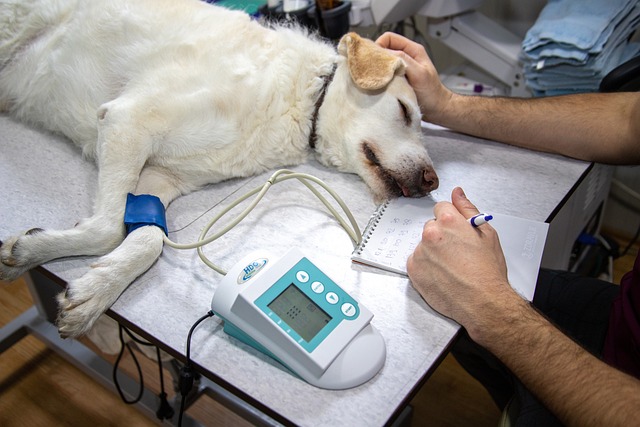
Depending on the time since ingestion and the amount eaten, your vet may recommend inducing vomiting to remove the onion from your dog’s system. They might also administer activated charcoal to help bind any remaining toxins in the digestive tract. For dogs showing signs of anaemia, supportive care is essential. This can include intravenous fluids to maintain hydration and blood transfusions in severe cases.
The recovery period can vary. Mild cases might resolve with minimal intervention, while severe anaemia can require hospitalisation and weeks of monitoring. Regular blood tests will be necessary to ensure red blood cell counts return to normal. Prevention is, therefore, the best strategy – keeping onions and onion-containing foods securely out of your dog’s reach.
Preventing Onion Exposure in Dogs
The simplest way to prevent onion toxicity is to be mindful of what your dog has access to. Keep all onions, onion powder, and foods containing onion (like sauces, gravies, seasoned meats, and even some baby foods) stored securely in the pantry or refrigerator, well out of your dog’s reach. Be vigilant about food scraps, especially during holidays or when preparing large meals.
Educate everyone in the household, including children, about the dangers of feeding onions to dogs. Even a small, seemingly harmless piece can cause harm. When dining out or ordering takeaway, be sure to ask about ingredients if there’s any chance onion might be present in the food you plan to share with your dog. Many commercial dog foods are formulated to be safe, but always double-check ingredients if you have concerns.
Consider setting up a ‘dog-safe’ zone in your kitchen when preparing meals that involve onions. This could involve a baby gate or confining your dog to another room with their own safe toys and treats. By being proactive and informed, you can ensure your furry friend remains safe and healthy, enjoying a diet free from the dangers of onion toxicity.
Frequently Asked Questions
Can dogs eat raw onions?
No, dogs should not eat raw onions. Raw onions contain the same toxic compounds as cooked onions, and even small amounts can be dangerous, potentially leading to haemolytic anaemia.
Are cooked onions bad for dogs?
Yes, cooked onions are also bad for dogs. Cooking doesn’t remove the toxic organosulfur compounds; in fact, concentrated forms like onion powder are particularly dangerous.
What are the symptoms of onion poisoning in dogs?
Symptoms can include vomiting, diarrhoea, lethargy, decreased appetite, pale gums, increased heart rate, rapid breathing, weakness, and in severe cases, jaundice or blood in the urine.
How quickly do onion poisoning symptoms appear?
Symptoms typically appear between 24 hours and several days after ingestion, as the toxic compounds damage red blood cells and lead to haemolytic anaemia.
Can a small amount of onion hurt my dog?
Even small amounts can be harmful, especially for smaller dogs, as the toxicity is dose-dependent. It’s best to avoid giving your dog any amount of onion or onion-containing products.
What should I do if my dog ate onion powder?
Contact your veterinarian or an emergency animal hospital immediately. Onion powder is concentrated and highly toxic, so prompt professional veterinary care is essential.
Are green onions or chives toxic to dogs?
Yes, all members of the Allium family, including green onions, chives, leeks, and shallots, are toxic to dogs and should be avoided.