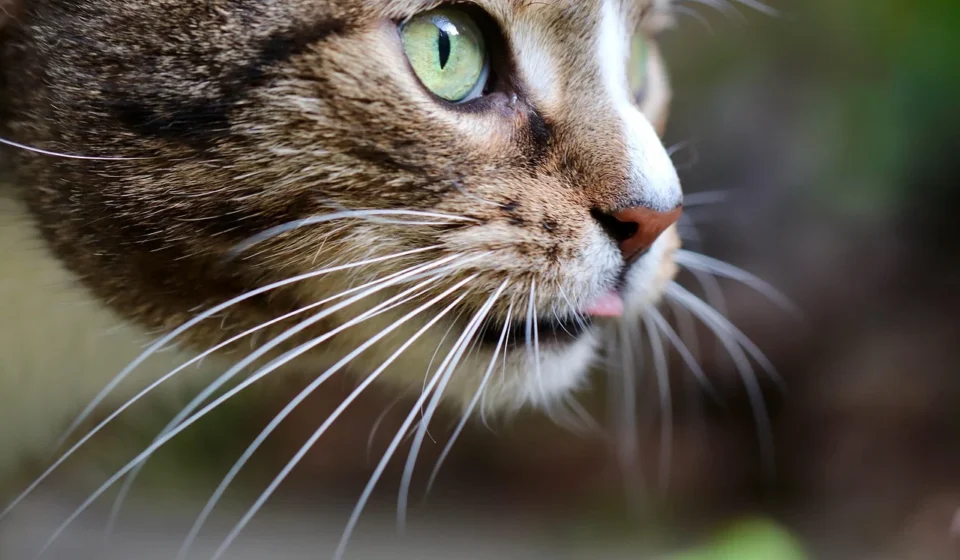
Many owners often see their cat sticking tongue out, a cute habit known as a “blep”. This relaxed behaviour is usually harmless, but it can sometimes signal health issues. Knowing the difference between a normal blep and a real medical concern matters.
A cat sticking its tongue out is often a normal behaviour. This is particularly true when they are deeply relaxed or have been grooming. However, if other symptoms like panting, drooling, or changes in eating habits accompany it, it could be a sign of a health issue. You should seek immediate veterinary consultation.
What Does it Mean if a Cat Bleps?
The term ‘blepping’ describes when a cat leaves its tongue poking out slightly, often appearing to have forgotten to retract it. This is generally a common and normal behaviour in cats, according to current veterinary understanding. It is one of those charming quirks that make cats so unique.
Cats often stick their tongue out when they are deeply relaxed or sleeping. Their jaw muscles loosen. This can cause the tongue to loll out a little. Similarly, the behaviour can occur during or after grooming. If you interrupt a cat or it simply forgets to pull its tongue back in, you might catch them in a blep.
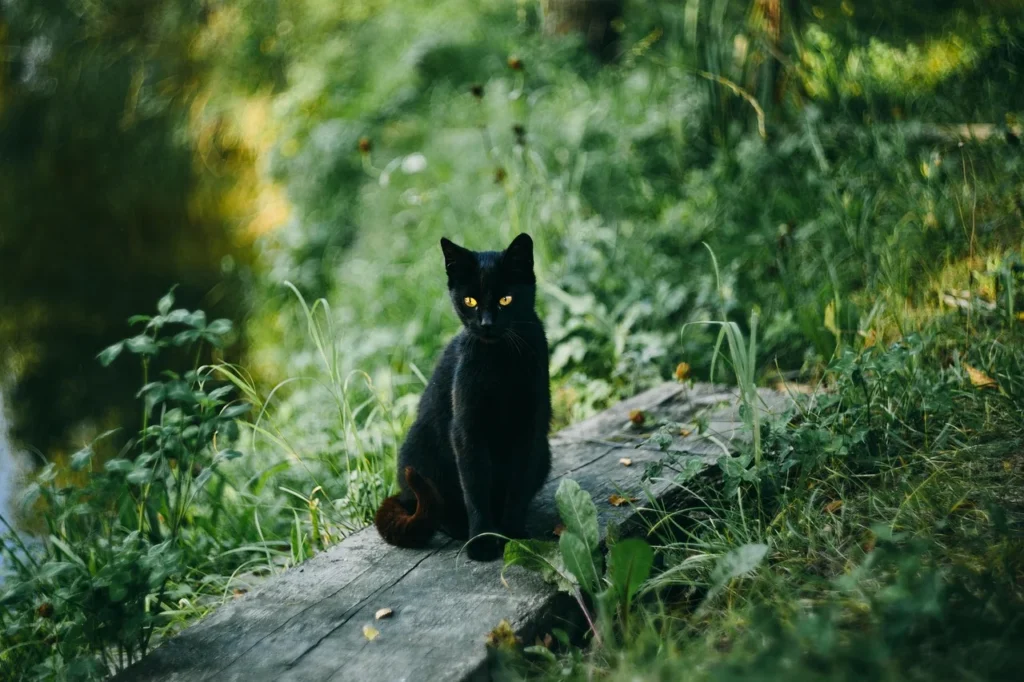
Beyond simple relaxation or forgetfulness, cats also use a ‘Flehmen response’ where they stick out their tongue and curl their lips to draw scents into a specialized organ on the roof of their mouth. This oronasal organ, or Jacobson’s organ, allows them to analyze complex smells, particularly pheromones, in great detail. It looks a bit like a blep, but is usually more intentional, with the cat’s mouth slightly open and lips curled back.
Certain breeds, such as Persians with their distinctive flat faces, may be more prone to blepping. Their facial structure can make it harder for them to keep their tongue fully retracted. Observations also show that older cats might blep more frequently. We will discuss this in more detail later.
Do Cats Stick Their Tongue Out When Sick?
While often benign, a cat sticking its tongue out can indeed be a sign of illness. This is especially true if other symptoms accompany it. It does not always indicate health problems, but you should always consider other symptoms.
One of the most concerning scenarios is if a cat is sticking its tongue out and panting. This could be a sign of being too hot or experiencing breathing difficulties, both of which warrant immediate veterinary attention. Cats do not pant like dogs to cool down, so panting is almost always a red flag.
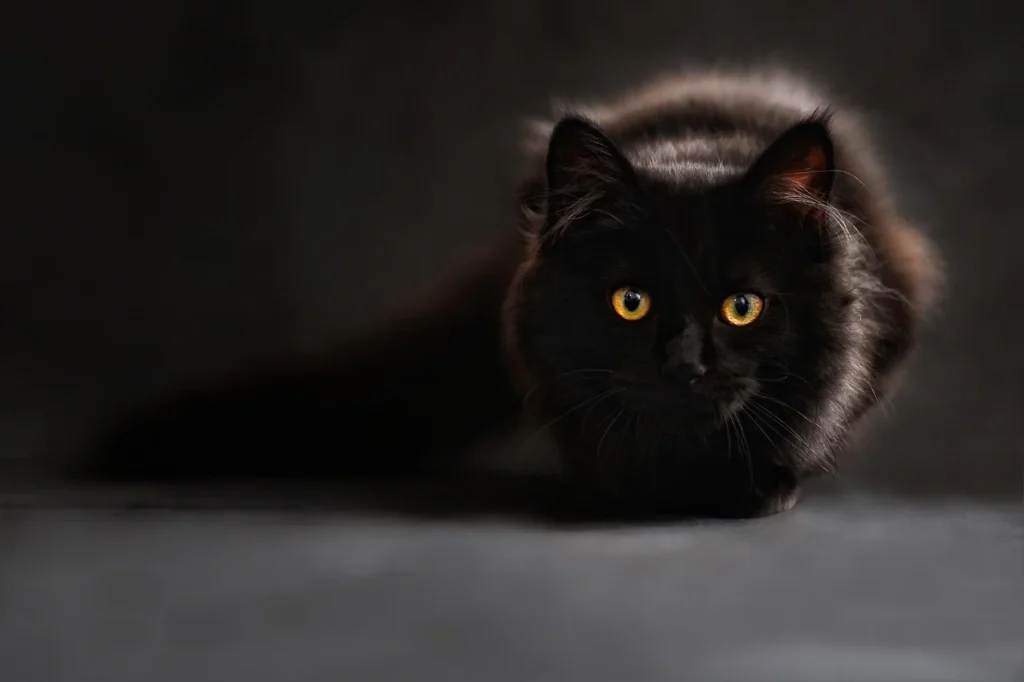
Dental problems are another significant cause. Conditions such as gum disease, tooth decay, or mouth pain can cause a cat to hold its tongue out in an unusual way. This relieves discomfort. If you see a cat with a persistently protruding tongue, especially if it also struggles to eat, you would certainly suspect a dental issue.
Frequent or sudden blepping, particularly if it’s a new behaviour for your cat and is accompanied by other symptoms like drooling, bad breath, vomiting, or changes in behaviour (such as lethargy or hiding), could indicate underlying health issues. These might include nausea, kidney disease, or even neurological problems. It’s important not to dismiss these combined symptoms.
Keep in mind some common misconceptions too. A cat sticking its tongue out is generally not mocking or mimicking its owner. It also does not always mean the cat is thirsty; cats signal thirst differently than dogs. It’s also usually not a sign of defiance or a bad mood. Owners sometimes project human emotions onto their pets. However, with cats, these behaviors often have more straightforward physiological or behavioral explanations.
My Cat Is Sticking Its Tongue Out and Panting. Should I Be Worried?
Yes, if your cat sticks its tongue out and pants, you should be worried. Seek veterinary attention immediately. As mentioned, panting is not a normal cooling mechanism for cats as it is for dogs. It almost always indicates a problem. You should consider this a veterinary emergency.
Panting in cats can signify several serious conditions:
- Overheating (Heatstroke): Cats can suffer from heatstroke. This is especially true in warm environments or if you leave them in enclosed spaces without adequate ventilation. Symptoms include panting, rapid breathing, lethargy, drooling, and a body temperature above 39.2°C (102.5°F).
- Respiratory Distress: Conditions affecting the lungs or airways, such as asthma, pneumonia, heart failure, or fluid accumulation in the chest (pleural effusion), can cause a cat to pant. They may also show open-mouthed breathing, coughing, or blue-tinged gums.
- Pain or Stress: While the tongue is less commonly out with stress, severe pain or extreme stress can sometimes lead to panting in cats. Other signs of distress usually accompany this. These signs include hiding, vocalisation, or aggression.
- Systemic Illness: Certain metabolic diseases or other severe illnesses can also manifest with panting as a symptom.
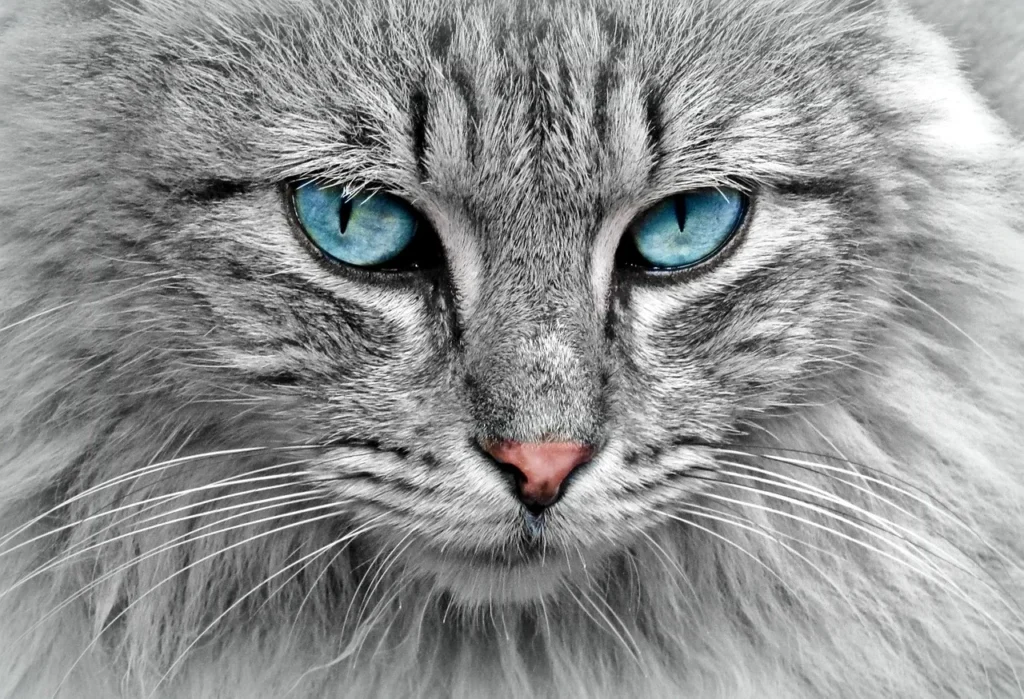
If you observe your cat panting with its tongue out, we strongly advise you to contact your veterinary practice without delay. Keep your cat calm, avoid stressing them further, and do not attempt to force water or food. Your vet will need to perform a thorough examination to diagnose the underlying cause and provide appropriate treatment.
What Does It Mean If an Old Cat Is Sticking Its Tongue Out?
Older cats may indeed stick their tongue out more frequently than their younger counterparts. While it can still be a normal sign of relaxation, there are specific age-related factors to consider when an older cat exhibits this behaviour.
One primary reason is missing teeth. As cats age, they are more prone to dental disease, which can lead to tooth loss. When teeth are missing, especially in the front of the mouth, there’s less structure to hold the tongue fully inside, making it more likely to protrude slightly. This is often harmless if the cat is otherwise healthy and eating normally.
Another factor is the natural relaxation of facial muscles. This can occur with age. Just like in humans, muscles can lose some tone over time. This might contribute to the tongue resting outside the mouth more often. If your older cat is generally healthy, eating well, and not showing any other signs of discomfort, a persistent blep might simply be a charming sign of their seniority.
However, you must also be vigilant. Older cats are more susceptible to various health conditions. These include kidney disease, hyperthyroidism, and oral cancers. If an older cat suddenly starts sticking its tongue out more, or if it’s accompanied by drooling, difficulty eating, bad breath, weight loss, or changes in behavior, you should seek a veterinary check-up to rule out any underlying medical issues. A vet can assess dental health and overall well-being. This ensures that what appears to be a harmless blep isn’t masking a more serious problem.
What if My Cat is Sticking Its Tongue Out, Drooling, and Not Eating?
If your cat is sticking its tongue out, drooling, and not eating, you should view this as a serious combination of symptoms. It requires immediate veterinary attention. This cluster of signs strongly suggests an underlying health problem that is causing significant discomfort or illness.
Here are some potential causes to be concerned about:
- Severe Dental Disease or Oral Pain: This is a very common cause. Abscesses, advanced gum disease, fractured teeth, or even oral tumors can be extremely painful, leading to drooling (ptyalism), reluctance to eat, and the tongue protruding as the cat tries to find a comfortable position.
- Nausea or Gastrointestinal Upset: Cats with severe nausea from conditions like kidney disease, liver problems, pancreatitis, or even ingesting something toxic, may drool excessively, refuse food, and appear to have their tongue out due to discomfort.
- Foreign Body in the Mouth or Throat: A piece of string, a bone shard, or other foreign object lodged in the mouth, between teeth, or in the throat can cause acute pain, drooling, and an inability or unwillingness to eat.
- Systemic Illness: Conditions such as advanced kidney failure, certain infections, or other severe systemic diseases can lead to a general feeling of malaise, nausea, drooling, and anorexia.
- Neurological Issues: In rarer cases, neurological problems affecting the ability to swallow or control facial muscles could also present with these symptoms.
Do not attempt to self-diagnose or wait for these symptoms to resolve on their own. A cat refusing to eat for even 24–48 hours can develop serious complications, such as hepatic lipidosis (fatty liver disease), particularly if they are overweight. We cannot stress enough the importance of contacting your vet straight away if you observe these symptoms in your cat.
What Are the Signs That Your Cat Is Going to Pass Away?
The question of a cat’s final moments is a very sensitive one. While a cat sticking its tongue out is not a primary or direct sign that a cat is going to pass away, if it’s accompanied by a severe decline in health and other critical symptoms, it contributes to a picture of a very unwell animal. It is important for owners to recognise the broader signs of a cat nearing the end of its life, which often include:
- Significant Lethargy and Weakness: A profound decrease in energy, spending most of the time sleeping or unresponsive, and an inability to stand or move easily.
- Refusal to Eat or Drink: A complete lack of interest in food and water, leading to dehydration and weight loss.
- Isolation and Hiding: Many cats will seek solitude and hide in quiet, secluded places.
- Changes in Breathing: Labored breathing, shallow breaths, panting (as discussed), or irregular breathing patterns.
- Changes in Body Temperature: A noticeable drop in body temperature, with paws and ears feeling cold.
- Loss of Bladder and Bowel Control: Involuntary urination or defecation, or accidents outside the litter tray due to weakness or disorientation.
- Vocalization Changes: Unusual cries, moans, or a lack of vocalisation if they were typically chatty.
If your cat is exhibiting a combination of these severe symptoms, including a persistently protruding tongue along with panting, drooling, and not eating, it indicates a critical health crisis. At this point, the kindest and most responsible action to recommend is to seek immediate veterinary assessment. A vet can provide an accurate diagnosis, offer palliative care, or discuss humane euthanasia options to prevent further suffering. This is a difficult decision, but one that ensures your beloved companion’s comfort and dignity.
Sources: Tongue
Frequently asked questions
What is Tarzan Syndrome in cats?
Tarzan Syndrome is not a recognized medical condition in cats. Some individuals may use the term informally. However, it does not refer to any specific feline illness or behaviour described in veterinary medicine. We advise caution against using non-medical terms to describe symptoms. It can lead to confusion and misdiagnosis.
Why is my cat sticking his tongue out like a dog?
While a dog often sticks its tongue out and pants to cool down, cats do not typically use this mechanism. If your cat is sticking its tongue out and panting, it’s a sign of distress, overheating, or a respiratory issue, and requires immediate veterinary attention. It is not a normal behaviour for cats to pant like dogs.
Are there any home remedies for a cat sticking its tongue out?
There are no specific home remedies for a cat sticking its tongue out. The behaviour itself is either harmless or a symptom of an underlying issue. If it’s a normal blep, no intervention is needed. If concerning symptoms like panting, drooling, or not eating accompany it, immediate veterinary care is essential, not home remedies.