
When you are enjoying a spiced treat or using cinnamon in your cooking, it is natural to wonder if this popular spice is safe for your feline friend. The straightforward answer is that cinnamon can indeed be bad for cats. It ranges from mild irritation to serious toxicity depending on the form, concentration, and amount of exposure. Cats are particularly susceptible to the harmful effects of cinnamon compounds due to their unique physiology.
As a pet owner, you must understand the specific risks associated with cinnamon. This is crucial for ensuring your cat’s safety. While a tiny, incidental exposure might not always lead to severe issues, we advise caution and proactive measures. You can prevent your cat from ingesting or coming into significant contact with cinnamon in any form.
Why Is Cinnamon Bad for Cats?
Cinnamon is bad for cats primarily because they lack specific liver enzymes. These include glucuronyl transferase, which is essential for metabolizing certain compounds found in the spice. This deficiency means that harmful substances accumulate in their system. It leads to toxicity rather than being safely processed and eliminated.

The main culprits in cinnamon are compounds like cinnamaldehyde, coumarin, and phenol. Cinnamaldehyde is responsible for cinnamon’s distinct flavor and aroma. However, it can cause irritation to the skin, mouth, and digestive tract. Coumarin, particularly abundant in Cassia cinnamon, is known to cause liver damage and blood-clotting issues in higher concentrations. In fact, manufacturers use it in some rodenticides for its anticoagulant properties. Phenol is another compound that cats struggle to metabolize. This contributes to the overall toxic load.
Unlike humans, cats do not receive the same health benefits from cinnamon, such as antioxidant or anti-inflammatory properties. Their bodies cannot properly digest and utilize these compounds. Instead, these substances act as toxins within their system. This makes even small amounts potentially problematic over time, and is cinnamon bad for cats in concentrated doses?
How Much Cinnamon Is Toxic for Cats?
Determining an exact toxic dose of cinnamon for cats is complex, as it depends heavily on the form of cinnamon, its concentration of harmful compounds, and the individual cat’s sensitivity and size. However, it is clear that even small amounts, especially of certain types or forms, can pose a risk.
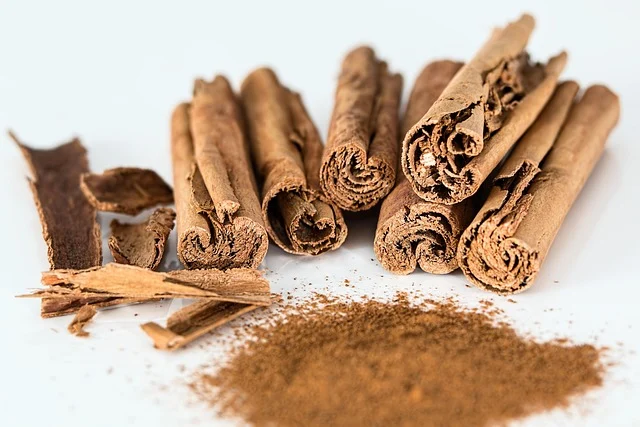
The two main types of cinnamon are Cassia cinnamon (often labelled simply as ‘cinnamon’ in grocery stores) and Ceylon cinnamon (sometimes called ‘true cinnamon’). Current facts show Cassia cinnamon contains significantly higher coumarin levels than Ceylon cinnamon. This makes Cassia cinnamon a greater concern for cat owners. While Ceylon cinnamon is considered less toxic due to its lower coumarin content, the question of whether is cinnamon bad for cats still makes it not considered safe due to other irritating compounds.
Cinnamon powder, often found in kitchens, can contain a dangerous dose for a cat even in quantities as small as approximately one teaspoon, which is roughly the amount in a cinnamon stick. However, the most significant risk comes from highly concentrated forms. Cinnamon essential oils pose the highest risk of toxicity to cats due to their extreme concentration of harmful compounds. Even a tiny amount, perhaps just a few drops, can lead to severe poisoning through ingestion, inhalation, or skin exposure.
Because cats are meticulous groomers, they can ingest any cinnamon powder or oil that gets on their fur when they lick themselves. Their thin skin also allows for easy absorption of cinnamon compounds from essential oils. This makes topical exposure particularly dangerous. We strongly advise you to keep all forms of cinnamon, especially essential oils, well out of reach of your cat.
Is Smelling Cinnamon Toxic to Cats?
Yes, smelling cinnamon can be toxic to cats, especially when it involves inhaling cinnamon powder or airborne particles from essential oil diffusers. Cats have highly sensitive respiratory systems, and inhaling cinnamon powder can lead to irritation of the airways.
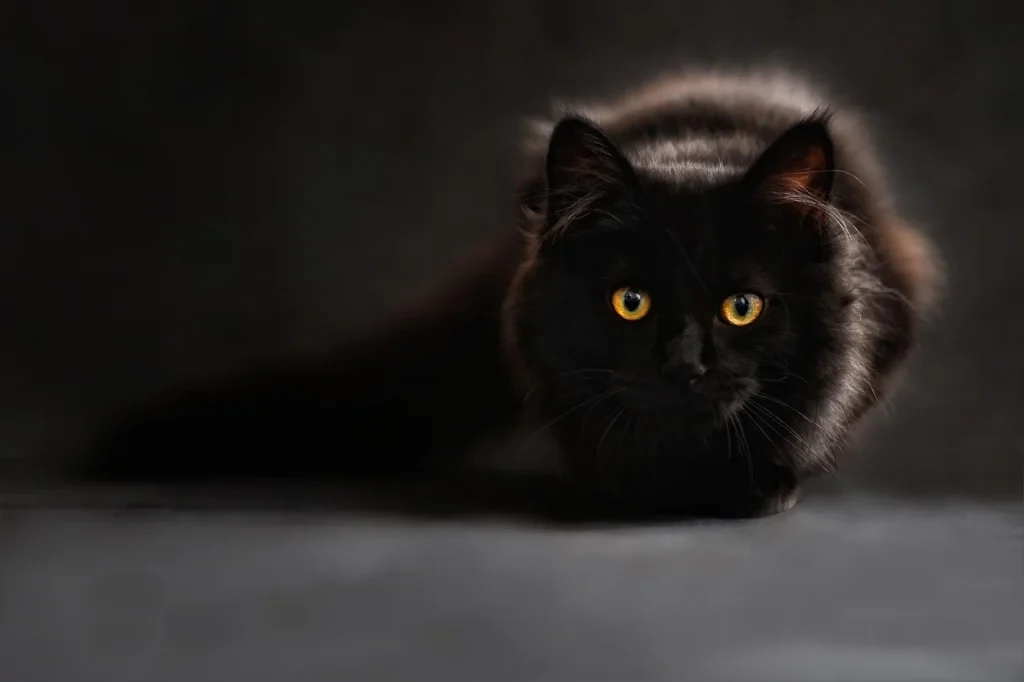
Symptoms of respiratory irritation can include coughing, wheezing, sneezing, and difficulty breathing. For cats with pre-existing respiratory conditions like asthma, exposure to cinnamon dust or vapors could trigger a more severe attack. The fine particles can irritate the mucous membranes in their nose and throat, causing discomfort and inflammation.
Also, if a cat inhales cinnamon powder, some particles might settle on their fur. This leads to ingestion later during grooming. The same applies to essential oil diffusers. The airborne oil particles can settle on surfaces and fur, or a cat can directly inhale them. Given these risks, we recommend avoiding the use of cinnamon essential oil diffusers in homes with cats. Be extremely careful when handling cinnamon powder to prevent accidental inhalation.
What Happens if a Cat Eats a Little Bit of Cinnamon?
If a cat eats a little bit of cinnamon, symptoms can vary depending on the amount ingested, the type of cinnamon, and the cat’s individual sensitivity. Mild exposure might lead to irritation of the mouth and digestive tract. Larger or more concentrated doses can result in more severe systemic effects.

Common signs of cinnamon toxicity or an allergic reaction in cats include:
- Oral irritation: Redness, burning sensation, drooling, pawing at the mouth.
- Gastrointestinal upset: Vomiting, diarrhoea.
- Skin irritation: If topically exposed, redness, rash, or burns on the skin.
- Changes in heart rate: Either an increase or decrease.
- Low blood sugar (hypoglycaemia): Can manifest as lethargy, weakness, or even seizures in severe cases.
- Respiratory issues: Breathlessness, coughing, wheezing (if inhaled).
- Liver damage: A more serious long-term effect, particularly from coumarin.
- Organ failure: In extreme cases of high concentration or prolonged exposure.
Even small amounts of cinnamon, especially Cassia cinnamon, can contribute to a cumulative toxic effect on the liver over time. Immediate symptoms may not be apparent. A cinnamon stick contains approximately one teaspoon of cinnamon. The question of whether is cinnamon bad for cats also highlights a choking hazard in addition to its toxic compounds.
When to Seek Veterinary Care After Cinnamon Exposure
If you suspect your cat has ingested cinnamon or been significantly exposed to it, seeking veterinary care promptly is crucial. Early intervention can make a significant difference in the outcome, especially when considering if cinnamon is bad for cats.
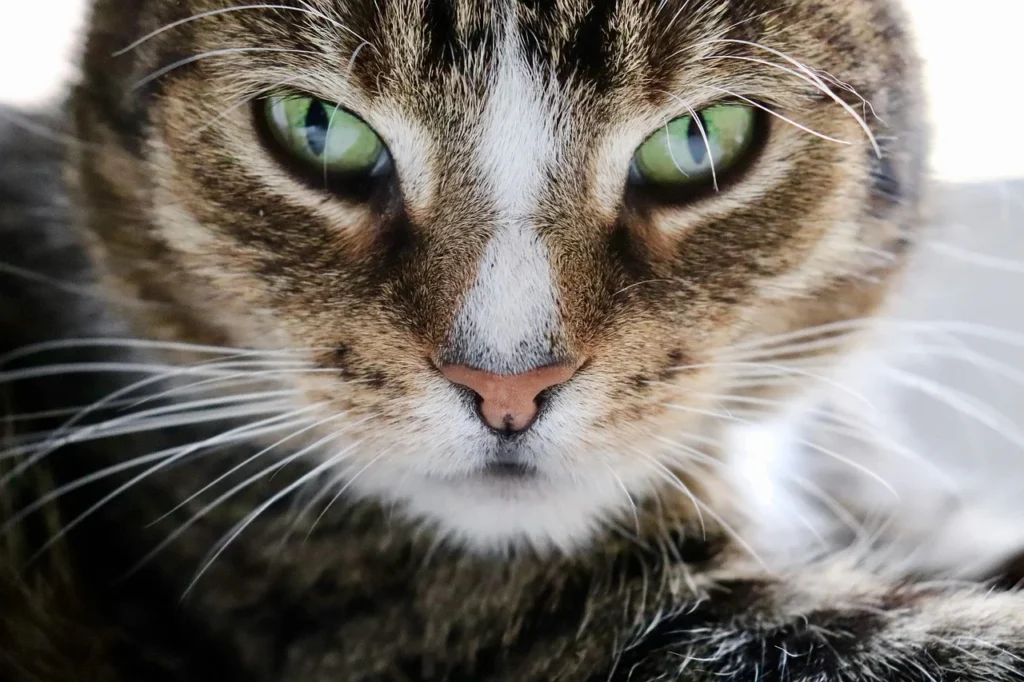
We advise you to contact your veterinarian immediately if you observe any of the symptoms mentioned above, such as excessive drooling, vomiting, diarrhoea, lethargy, difficulty breathing, or any signs of oral or skin irritation. Even if the amount seems small, you should always err on the side of caution. This is especially true given cats’ inability to properly metabolise the compounds.
When you contact your vet, be prepared to provide as much information as possible: what form of cinnamon your cat was exposed to (powder, oil, stick, baked good), the estimated amount, and when the exposure occurred. This information is for determining if cinnamon is bad for cats, and will help your vet determine the best course of action, which might include inducing vomiting, administering activated charcoal to absorb toxins, or providing supportive care such as intravenous fluids to protect the liver and kidneys.
Preventing Your Cat from Eating or Being Around Cinnamon
The best approach to protecting your cat from cinnamon toxicity is prevention. Given the potential risks, we recommend taking proactive steps to ensure your cat cannot access cinnamon in any form.
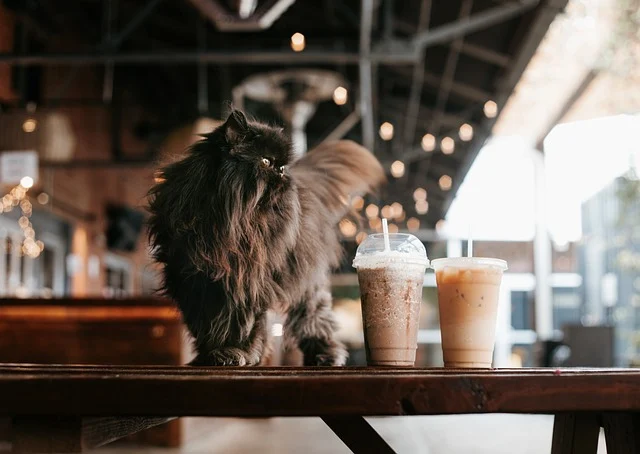
Here are some practical tips to help prevent cinnamon exposure:
- Store cinnamon securely: Keep all cinnamon products – powder, sticks, essential oils, and even cinnamon-flavored foods – in sealed containers in cupboards or pantries that your cat cannot open or access.
- Be mindful during cooking and baking: When using cinnamon in the kitchen, keep your cat out of the area to prevent them from jumping onto counters or investigating dropped ingredients. Clean up any spills immediately and thoroughly.
- Avoid cinnamon essential oils: Do not use cinnamon essential oils in diffusers, humidifiers, or directly on your cat’s skin. The concentrated nature of these oils makes them highly dangerous.
- Check food labels: People once misunderstood that cinnamon was never used in commercial cat food. However, manufacturers occasionally include it in small quantities for flavoring in some specific formulations. There is no evidence to suggest that this small amount causes harm. If you are concerned, check the ingredient list of your cat’s food. The primary concern remains human food and pure spice forms.
- Educate household members: Ensure everyone in your home, including children and guests, understands the dangers of cinnamon for cats and knows not to offer them any cinnamon-containing treats or allow access to the spice.
- Secure decorative items: If you use cinnamon sticks or cinnamon-scented items for decoration, ensure they are well out of your cat’s reach to prevent chewing or ingestion.
- Consider other household spices: While this article focuses on cinnamon, many other common household spices and herbs can also be toxic to cats. Always research the safety of any spice before allowing your cat access to it.
By implementing these preventive measures, you can significantly reduce the risk of your cat encountering and being harmed by cinnamon. A safe home environment is a happy home environment for your feline companion.
Is Cinnamon Bad for Cats and Dogs?
While this article focuses on cats, remember that cinnamon can also be problematic for dogs. Their susceptibility and symptoms might differ slightly. Dogs, like cats, can experience gastrointestinal upset, irritation, and potentially liver damage from cinnamon. This is especially true in large amounts or concentrated forms like essential oils.

However, the lack of specific liver enzymes that makes cats so uniquely vulnerable to certain cinnamon compounds means that cats generally face a higher risk of severe toxicity than dogs for equivalent exposure. Both species should be kept away from cinnamon, but the danger is often more acute and immediate for felines. We advise treating cinnamon as a substance to be kept away from all pets to ensure their safety.
Frequently asked questions
What are the immediate signs of cinnamon poisoning in cats?
Immediate signs of cinnamon poisoning in cats can include excessive drooling, pawing at the mouth, vomiting, diarrhoea, and signs of oral irritation like redness. If inhaled, you might observe coughing, wheezing, or difficulty breathing.
Can cats get sick from smelling a cinnamon broom?
Yes, cats can get sick from smelling a cinnamon broom. The strong scent comes from concentrated cinnamon oils, which can release airborne particles that irritate a cat’s sensitive respiratory system if inhaled. Direct contact might also lead to skin irritation or ingestion during grooming.
Is it safe if my cat ate a very small amount of cinnamon from a baked good?
While a very tiny amount of cinnamon in a baked good might not cause immediate severe symptoms, it is not entirely safe. Cats still struggle to metabolise cinnamon compounds, and even small exposures can contribute to irritation or cumulative effects. Regarding if cinnamon is bad for cats, we would still recommend monitoring your cat closely for any signs of discomfort and contacting your vet if you have concerns.
Do cats like the smell of cinnamon?
Generally, no, cats do not like the smell of cinnamon. Their sense of smell is far more acute than a human’s, and the strong, pungent aroma of cinnamon is often overwhelming and unpleasant for them, frequently causing them to avoid it.