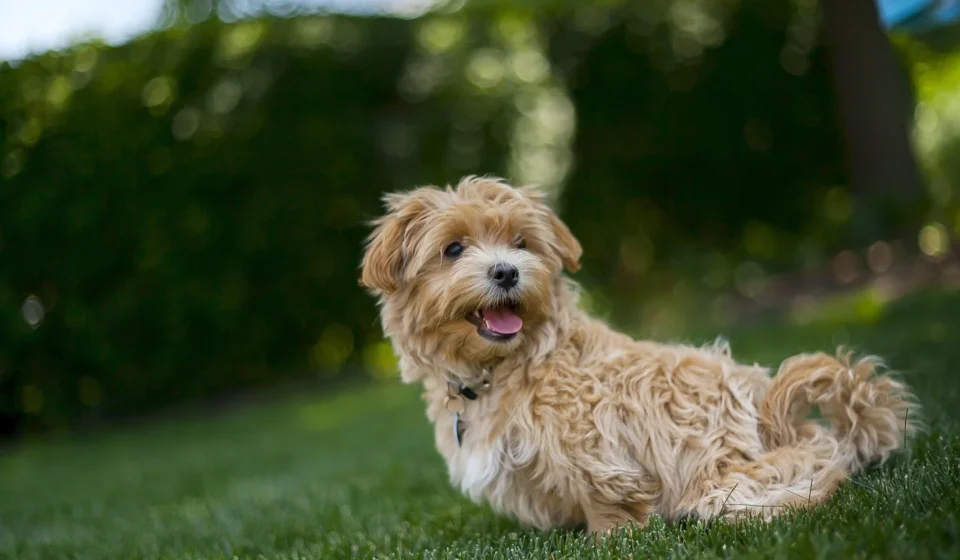
How big do Maltipoos get and when do they stop growing?
Maltipoos typically weigh between five and fifteen pounds and stand eight to fourteen inches tall once they reach adulthood. You must look closely at the size of the Poodle parent to predict adult dimensions accurately, because Toy Poodle crosses stay much smaller than those bred with Miniature Poodles.

Growth usually slows down significantly by six months of age, with most dogs reaching their full adult height and weight between ten and twelve months. Teacup Maltipoos, which weigh under five pounds as adults, require extra vigilance regarding their blood sugar levels during this rapid early growth phase. You should track your puppy weight monthly to ensure steady development without sudden surges that indicate overfeeding.
To monitor your puppy growth effectively, follow these concrete steps:
- Use a digital kitchen scale for puppies under ten pounds to record precise weekly weight changes.
- Consult your veterinarian if weight gain stalls completely before the six-month mark.
- Adjust food portions strictly according to current weight rather than generic package guidelines.
When do Maltipoos stop growing and reach full size?
Physical maturity arrives in distinct stages depending on the specific lineage of your dog. Standard Toy-mix Maltipoos finish vertical bone growth around eight months, while muscle fill-out continues up to twelve months. Miniature-mix Maltipoos may take up to fourteen months to reach their absolute maximum mass.

You can identify the transition from puppyhood to adulthood by checking these physical milestones:
- Adult teeth replace all deciduous milk teeth by seven months of age.
- Growth plates in the long bones close entirely, as confirmed by veterinary imaging if needed. [petmd.com]
- Coat texture shifts from soft puppy fluff to the adult wiry, wavy, or curly hair.
How long do Maltipoos live?
The average lifespan for a Maltipoo spans twelve to sixteen years, provided they receive consistent veterinary care, high-grade nutrition, and daily physical activity. Investing in quality preventive care during their early years yields a much longer, healthier life.

Small breeds often enjoy extended lifespans compared to giant dogs, but they remain susceptible to specific hereditary conditions passed down from their Maltese and Poodle ancestors. Regular dental check-ups, appropriate weight management, and prompt veterinary attention for minor illnesses help your dog reach the upper end of that sixteen-year window.
You can maximize your dog longevity by implementing these daily practices:
- Brush teeth daily with dog-safe enzymatic toothpaste to prevent periodontal disease from spreading bacteria to internal organs.
- Keep your dog at a lean body condition score to minimize joint stress on delicate patellas.
- Schedule bi-annual wellness exams once your dog passes the seven-year mark.
What do Maltipoos eat and what can they eat?
Maltipoos require high-quality small-breed dog food formulated to meet high energy needs and fit tiny jaw structures. You should divide the daily food allowance into two or three smaller meals to prevent dangerous drops in blood sugar, particularly when managing young puppies.

Commercial diets must list a quality meat source as the primary ingredient. Avoid feeding them table scraps, especially items containing onions, garlic, or grapes, which cause severe toxicity in dogs. If you introduce fresh food or specific commercial formulations, transition your dog gradually over seven days to prevent digestive upset.
Safe foods and toxic items
You can safely offer small, bite-sized portions of plain cooked chicken, pumpkin purée, or plain white rice as occasional treats or meal toppers. Never feed your Maltipoo any of the following items:
- Chocolate, caffeine, and products containing xylitol sweetener.
- Macadamia nuts, raw yeast dough, and avocado pits.
- Cooked chicken bones that splinter easily and cause internal punctures.
What are the grooming requirements and popular Maltipoo haircuts?
Maltipoos require daily brushing to prevent matting and tangles, alongside professional grooming every four to eight weeks. Their curly or wavy coats do not shed heavily. This makes them a frequent choice for people with mild allergies, but neglected coats quickly turn into painful pelts.

Popular haircuts include the puppy cut, which keeps the fur an even, manageable length all over the body, and the teddy bear cut, which leaves the face rounded and fluffy. You must clean the area around their eyes regularly to prevent tear staining, a common trait inherited from the Maltese side of the family.
To maintain a mat-free coat at home, execute this daily brushing routine:
- Mist the coat lightly with a water and conditioner spray to reduce static and hair breakage.
- Work a slicker brush gently through the hair from the skin outward, using small strokes.
- Pass a metal greyhound comb through the fur afterward to catch any hidden tangles behind the ears or under the legs.
Why are Maltipoos expensive and how much do they cost?
Quality Maltipoo puppies from reputable breeders typically range from one thousand five hundred to three thousand five hundred dollars. High demand and intensive breeding care drive these costs. Prices significantly under one thousand dollars often signal backyard breeders or puppy mills cutting corners on genetic health testing.

Beyond the initial purchase price, you must budget for ongoing expenses including grooming supplies, premium food, pet insurance, and routine veterinary visits. Small adult dogs generally cost less to feed annually than large breeds, but grooming upkeep remains a steady recurring investment.
Why Maltipoos are the best dogs for certain owners (and who they do not suit)
Maltipoos earn high praise for their cheerful dispositions, adaptability to apartment living, and affectionate bonds with family members. They excel as companions for retirees, work-from-home professionals, and families with gentle older children who respect small animals.

However, this breed does not suit every household. You should avoid getting a Maltipoo if:
- Next, you work long hours outside the home and leave the dog alone for eight to ten hours daily. Such isolation triggers severe separation anxiety.
- You have toddlers or rough-handling children who might accidentally injure a fragile toy breed.
- Also, you dislike daily brushing, detangling, and budgeting for professional haircuts every month.
How do you manage Maltipoo temperament and exercise needs?
Maltipoos need daily physical and mental exercise despite their small size. A common misconception is that small dogs require very little activity. A daily walk combined with indoor interactive play sessions prevents boredom and destructive chewing behaviors.
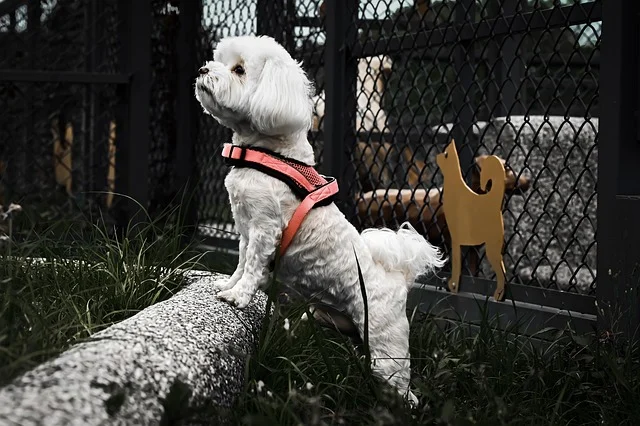
They form strong bonds with their families and can be prone to separation anxiety if left alone for long periods. Use crate training and practice gradual departures from an early age to build your dog confidence when home alone.
Frequently asked questions
How much does a Maltipoo cost?
Quality puppies from reputable breeders generally cost between one thousand five hundred and three thousand five hundred dollars, with rare colours or teacup sizes commanding higher prices.
What is a common problem with Maltipoo?
Maltipoos are prone to separation anxiety due to intense attachment to their owners. These dogs require regular daily grooming to prevent severe coat matting.
Is a Maltipoo a yappy dog?
While they can be vocal when alerted to strangers or unusual noises, proper early socialization and training significantly reduce excessive barking.
When do Maltipoos stop growing?
Most Maltipoos reach their full adult height and weight between ten and twelve months of age. Smaller teacup sizes may finish growing slightly earlier.
What can Maltipoos eat?
Maltipoos thrive on high-quality commercial small-breed dog food and safe plain treats like cooked chicken or pumpkin. Owners must strictly avoid toxic foods like chocolate, onions, and grapes.
Can Chickens Eat Celery? Safe Feeding Guide
Sources