y. While their exact lineage is debated, it’s widely accepted that they were developed in the United States from large birds imported from the port of Shanghai. These imports, sometimes referred to as “Shanghai” or “Chittagong” fowl, were bred selectively to create the large, feathered-legged Brahmas we recognise today. They quickly gained popularity as a premier meat breed, dominating the market from the 1850s until the early 20th century. Their resilience and substantial size made them ideal for colder climates, contributing to their widespread adoption. The American Poultry Association recognised the breed in 1874.
Last updated: July 26, 2026
Majestic Appearance: Size, Colour, and Feathering
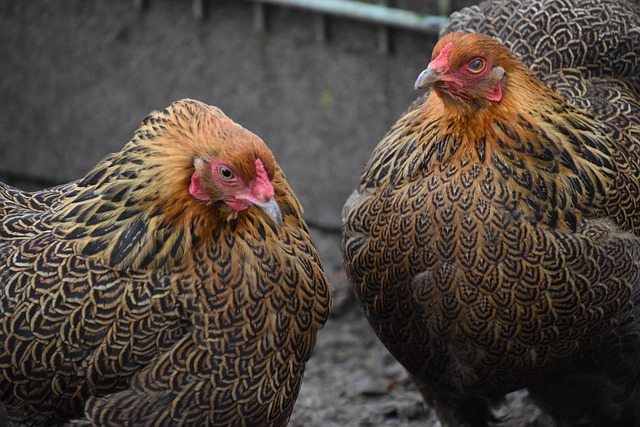
Brahmas are truly a sight to behold. They are one of the largest chicken breeds, with mature roosters weighing around 5.4 kg (12 lbs) and hens around 4 kg (9 lbs). Their bodies are deep, broad, and well-feathered, giving them a ‘cushion-like’ appearance. A defining characteristic is their feathered legs and feet, which require some attention in muddy conditions. According to the American Poultry Association breed standard, they should have a ‘full-sized’ appearance. As of July 2026, the most recognised varieties are:
- Light Brahmas: These are the most common, featuring a silver-grey body with black or dark grey barring on the hackle, saddle, and tail feathers.
- Dark Brahmas: Similar to Light Brahmas, but with distinct black barring on a slate-grey background, creating a more contrasting pattern.
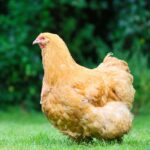
- Buff Brahmas: These birds exhibit a rich, golden buff coloration with black markings.
Beyond these recognised colours, ‘white’ and ‘partridge’ varieties also exist, though they are less common. The sheer size and fluffy feathering contribute to their imposing yet cuddly presence.
The Gentle Giant: Temperament and Behaviour
One of the most cherished traits of the Brahmas chicken breed is their exceptionally gentle and docile temperament. Often described as “gentle giants,” they are known for being placid, friendly, and tolerant, making them excellent companions for families, including those with children. They tend to be curious rather than flighty, and many individuals become quite tame, enjoying interaction with their keepers. This calm disposition also means they generally coexist peacefully with other chickens, provided they are introduced properly. While roosters can be protective, they are typically not aggressive. Their noise level is also relatively low compared to some more excitable breeds, making them a good choice for suburban backyards.
Egg Laying Habits of the Brahma
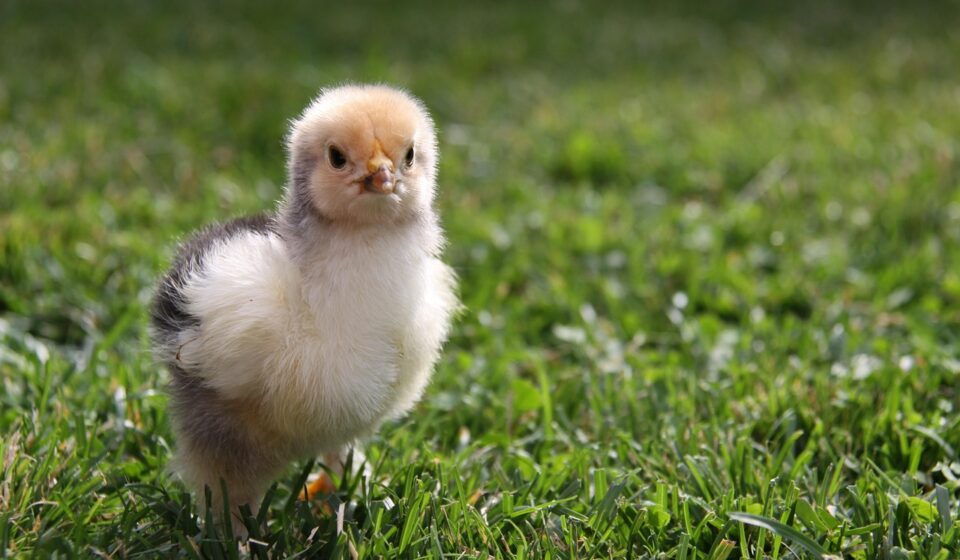
While Brahmas are not prolific egg layers like some of the more specialised breeds, they offer a respectable output of good-sized eggs. Hens typically lay medium to large brown or tinted eggs, averaging around 2 to 4 eggs per week. This translates to roughly 150–200 eggs per year, depending on factors like diet, season, and individual hen. Production tends to decrease during the coldest winter months, a common trait in many larger, slower-maturing breeds. Brahmas are also known to be quite broody, meaning they are inclined to sit on and hatch eggs. This makes them excellent mothers, capable of raising chicks successfully if allowed to go broody.
Caring for Your Brahmas: Practical Tips
Caring for Brahmas is straightforward, but their size and feathering require specific considerations. As of July 2026, their needs are well-understood by poultry keepers.
- Space: Due to their large size, Brahmas require more space in the coop and run than smaller breeds. A general guideline is to provide at least 4 square feet of coop space per bird and ample room in their outdoor run.
- Diet: A balanced diet is crucial. Young chicks should receive a high-protein starter feed (around 20-22% protein). As they mature, they can transition to a grower feed and then a layer feed (around 16-18% protein) once they begin laying. Brahmas, being large birds, can consume more feed than smaller breeds, so ensure they always have access to adequate nourishment. Consider supplementing with calcium for good eggshell quality.
- Climate: Brahmas are exceptionally cold-hardy, thanks to their dense feathering and large size, which helps them retain heat. They generally tolerate cold weather well, but need protection from extreme wind and dampness. In very hot climates, they can be susceptible to heat stress, so providing shade and plenty of cool water is essential.
- Feathered Legs: Their feathered legs can be prone to mud and frostbite. In wet or freezing conditions, it’s advisable to provide dry, deep litter in the coop and consider restricting their free-ranging time to avoid excessively muddy areas. Regular checks for mites or parasites on the legs are also recommended.
- Roosting: Brahmas need strong, low roosting bars. Their size makes high roosts impractical and potentially dangerous for them. Ensure the bars are wide and stable enough to support their weight comfortably.
Health Aspects of the Brahma Breed
Brahmas are generally a hardy and solid breed, with a lifespan typically ranging from 5 to 8 years, and sometimes longer with excellent care. However, like all breeds, they can be susceptible to certain health issues. Their large size and feathered legs require attention.
- Leg and Foot Issues: Frostbite on the feathered feet in winter, or bumblefoot (a bacterial infection in the footpad) can occur, especially if coop conditions are damp or unsanitary.
- Mites and Lice: Their dense feathering can provide a haven for external parasites. Regular checks and appropriate treatments are necessary.
- Heat Stress: While cold-hardy, their dense feathering makes them vulnerable to overheating. Ensure ample shade and water during hot weather.
- Obesity: Overfeeding, especially with treats, can lead to obesity in Brahmas. Monitor their diet and provide opportunities for exercise.
A good diet, clean living conditions, and regular observation are key to keeping your Brahmas healthy. According to the American Veterinary Medical Association (AVMA) guidelines as of 2026, regular flock health checks are paramount for early detection of any issues.
Brahmas in Comparison: What Sets Them Apart?
When comparing Brahmas to other popular breeds, several distinctions emerge. Compared to smaller, more active breeds like Leghorns or Anconas, Brahmas are significantly larger, calmer, and less prone to flightiness. While Leghorns are bred for maximum egg production (often 250-300+ eggs annually), Brahmas offer a more moderate yield but with a more substantial carcass for meat. Breeds like Orpingtons share Brahmas’ docile nature and dual-purpose utility but are generally not as massive. Brahmas’ heavy feathering makes them exceptionally suited for colder climates, often outperforming breeds with less feathering in frigid temperatures. Their slow maturation rate also means they reach full size and laying potential later than faster-growing breeds.
Pros and Cons: Is a Brahma Right for You?
Brahmas offer a unique set of advantages and disadvantages for backyard keepers. Weighing these points is crucial before adding them to your flock.
Pros
- Temperament: Exceptionally calm, friendly, and gentle, making them ideal for families and mixed flocks.
- Cold Hardiness: Their heavy feathering and large size make them one of the most cold-tolerant breeds available.
- Appearance: Majestic and imposing, they are visually striking and a talking point in any flock.
- Broodiness: They are often reliable setters and good mothers, making them suitable for natural chick hatching.
- Dual-Purpose: Provide a good amount of meat and a steady supply of medium-to-large brown eggs.
Cons
- Size: Their large size requires more coop space and feed.
- Feathered Legs: Can attract mites and can be problematic in muddy or freezing conditions.
- Egg Production: Lower than specialised laying breeds; typically 150–200 eggs per year.
- Slow Maturation: They take longer to reach full size and maturity compared to lighter breeds.
- Heat Sensitivity: Can suffer in extreme heat due to their dense feathering.
Frequently Asked Questions About Brahmas
What is the typical lifespan of a Brahma chicken?
Brahma chickens are known for their longevity, typically living between 5 to 8 years. With optimal care, nutrition, and protection from predators and extreme conditions, some individuals can live even longer, potentially reaching 10 years or more.
Are Brahma chickens noisy?
Generally, Brahmas are not considered a noisy breed. Their vocalizations are usually lower in pitch and less frequent than those of smaller, more excitable chicken breeds. They are a good choice for areas where noise might be a concern.
How many eggs do Brahma hens lay annually?
Brahma hens are moderate layers, typically producing between 150 to 200 medium to large brown eggs per year. Their laying rate may decrease during the winter months.
Do Brahma chickens need special housing?
Due to their large size, Brahmas require more spacious coop accommodations than smaller breeds. They need ample floor space and sturdy, low roosting bars. Protection from extreme weather, especially dampness and heat, is also important.
Are Light Brahmas different from Dark Brahmas?
Yes, while both are Brahmas, Light and Dark Brahmas differ mainly in their feather coloration and pattern. Light Brahmas have a silver-grey base with black barring, while Dark Brahmas have a slate-grey base with distinct black barring, creating a more contrasting appearance.
Can Brahmas be kept with smaller chicken breeds?
Brahmas’ gentle temperament generally allows them to coexist peacefully with smaller breeds, provided there’s enough space for all birds and they are introduced carefully. Their sheer size means smaller birds should not be bullied, and adequate food and roosting space must be available for everyone.
Information current as of July 2026; pricing and product details may change.
Related read: Brahma Chickens: Gentle Giants for Your Flock in 2026 Knowing how to address brahmas chicken breed early makes the rest of your plan easier to keep on track.