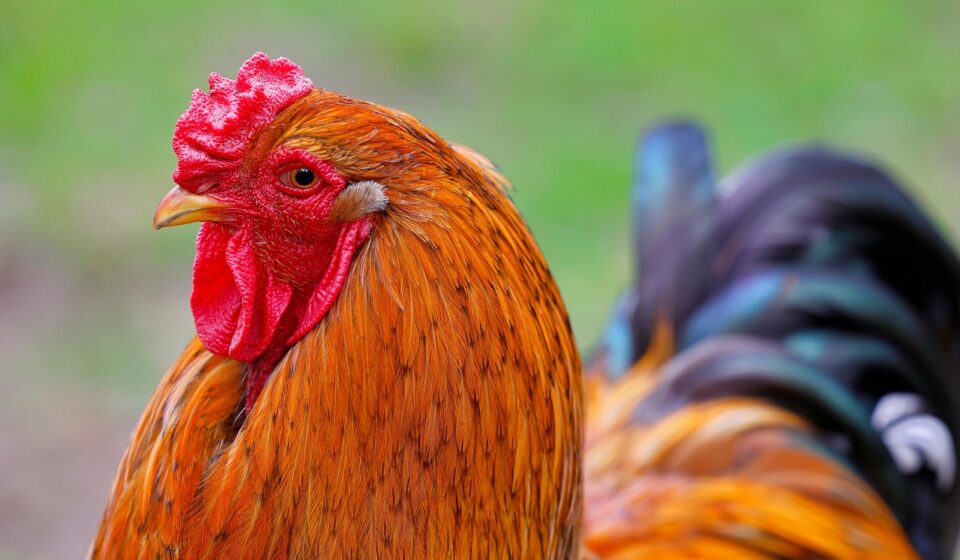
Brahma Chicken Overview: The Gentle Giants of the Flock
The Brahma chicken, often dubbed the “King of All Poultry,” is a heritage breed renowned for its stately presence, placid temperament,, and remarkable hardiness. As of July 2026, these large fowl continue to captivate backyard keepers and commercial farmers alike, offering a unique blend of utility and companionship. Their impressive size, coupled with a gentle disposition, makes them an appealing choice for those seeking a solid yet docile addition to their flock.
Last updated: July 26, 2026
Unlike some more skittish breeds, Brahmas tend to be calm, friendly, and tolerant, making them excellent for families or novice poultry keepers. Their substantial physique and distinctive “moccasin” feathering on their legs and feet add to their majestic appearance. This guide delves into everything you need to know about this distinguished chicken breed.
Key Takeaways
- Brahma chickens are large, docile heritage birds, often called the “King of Poultry.”
- They are known for their calm temperament, making them suitable for families and beginners.
- Brahmas are dual-purpose, providing both meat and a moderate number of large, brown eggs.
- Their dense feathering makes them very cold-hardy, but they can overheat in extreme summer conditions.
- There are three recognised colour varieties: Light, Dark, and Buff.
A Royal Lineage: History and Origin of the Brahma Chicken
The exact origins of the Brahma chicken are somewhat debated, but most sources agree they emerged in the United States during the mid-1800s. It’s widely believed they were developed from large fowl imported from the Chinese port of Shanghai, possibly from a breed known as the Shanghai or Cochin. These imported birds were crossed with other breeds to refine their characteristics.
The breed was officially recognised in the United States in 1874. Brahmas quickly gained popularity, becoming a principal American meat breed from the 1850s until about 1930, according to Wikipedia. Their impressive size and efficient feed conversion made them ideal for meat production. Their heritage status means they are a valuable part of poultry history, with ongoing efforts to preserve their bloodlines.
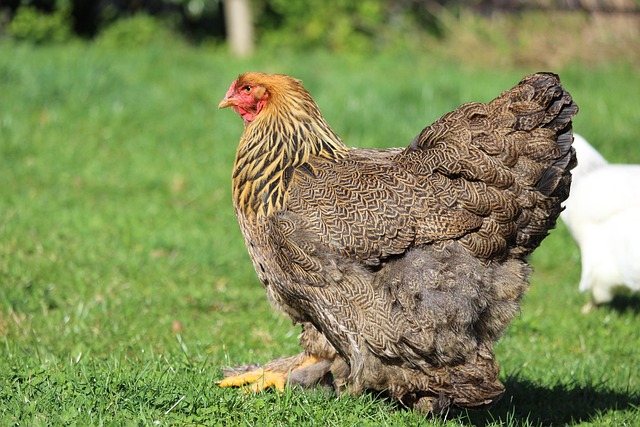
Majestic Appearance: Size, Weight, and Feathering
Brahma chickens are substantial birds, fitting their “gentle giant” moniker. Roosters typically weigh between 8 to 12 pounds (3.6 to 5.4 kg), while hens are slightly smaller, ranging from 6.5 to 9.5 pounds (2.9 to 4.3 kg). Their deep, broad bodies give them a commanding presence. The most distinctive feature is their abundant feathering, particularly the thick “moccasin” or “boot” feathers that cover their legs and feet.
This dense feathering provides excellent insulation, making them exceptionally hardy in cold climates. However, this same trait can make them susceptible to overheating in very hot summer conditions. The comb is typically a small, pea comb, which is less prone to frostbite than a single comb. Their large size means they require more space than smaller breeds; a minimum of 4 square feet per bird in the coop is recommended, with ample outdoor run space.
Colorful Giants: Recognised Varieties
The American Poultry Association (APA) officially recognizes three colour varieties of the Brahma chicken: Light, Dark, and Buff. Each variety possesses its own unique feather pattern and coloration, though the underlying breed characteristics remain consistent.
- Light Brahmas: These are perhaps the most common. They have a silvery-white body with black or very dark grey barring on the neck (hackle), tail, and saddle feathers. The hackle feathering is particularly striking, with a rich black stripe running through it against the white. Hens have a similar pattern but with less distinct barring.
- Dark Brahmas: These exhibit a more complex pattern. The roosters have iridescent black plumage on their neck, saddle, and tail, contrasted with a rich, deep grey body. Hens display a lighter grey base colour with intricate black pencilling and barring, giving them a finely patterned appearance.
- Buff Brahmas: This variety features a rich, golden-buff colour throughout the body, with darker buff or black barring in the hackles and saddle. Their coloration is uniform and warm, providing a distinct visual appeal.
While these are the APA-recognised varieties, breeders have developed other colours, such as White Brahmas, which are less common and may not conform to official breed standards.
A Gentle Giant’s Demeanour: Brahma Temperament
One of the most celebrated traits of the Brahma chicken breed is its exceptionally calm and docile temperament. Often described as “gentle giants,” they are known for their quiet nature and friendly disposition. They are less prone to aggression or pecking order disputes compared to many other breeds, making them ideal companions.
Brahmas are known to be curious and can be quite affectionate. They often enjoy interacting with their keepers, and many will happily allow children to pet them, provided they are supervised and taught how to handle the birds gently. This inherent friendliness extends to other flock members, as they tend to integrate well with other breeds, provided they are introduced gradually. Their quiet nature means they are also relatively low-noise, which is a bonus for backyard flocks in residential areas.
Egg Laying Habits: Production and Broodiness
While Brahmas are primarily considered a dual-purpose breed, valued for both their meat and eggs, their egg production is moderate rather than prolific. Hens typically lay large, brown or tinted eggs. As of July 2026, keepers can generally expect between 2 to 4 eggs per week, or approximately 150 to 200 eggs per year, depending on factors like diet, age, season, and individual genetics.
They tend to lay more consistently during spring and summer months and may reduce production in the cold winter. Brahmas are also known for being quite broody. This means they are inclined to sit on their eggs and hatch them, making them excellent mothers. If you are looking for a breed that can reliably hatch its own chicks, the Brahma is a strong candidate. Their broodiness, however, can lead to periods of no egg-laying when they are sitting.
Caring for Your Brahma Chickens
Raising Brahma chickens involves standard poultry care but with considerations for their size and feathering. Providing adequate space is crucial due to their large stature. A coop that’s at least 4×4 feet for a pair of Brahmas, with a spacious outdoor run, is a good starting point. Ensure roosting bars are strong and low to the ground, as Brahmas may not jump high due to their weight.
Their dense feathering requires attention. Keep their coop clean and dry to prevent parasites and respiratory issues. While they are cold-hardy, in extremely hot climates, ensure they have access to shade and plenty of fresh water to prevent heatstroke. A balanced diet of quality layer feed (once they reach laying age) supplemented with grains and occasional treats will support their health and productivity. For chicks, a high-quality starter feed is essential, and care must be taken to keep them warm and dry, as they are more vulnerable to dampness and cold.
Brahma vs. Other Breeds: A Comparison
When considering the Brahma chicken breed, it’s helpful to compare them to other popular large fowl. Orpingtons, for instance, share Brahmas’ gentle temperament and dual-purpose nature, but Orpingtons are generally more prolific layers. Wyandottes are also dual-purpose but are typically more active and less docile than Brahmas.
Cochins, which share a similar ancestry, are even larger and more heavily feathered than Brahmas, often with a more broody disposition but less efficient egg production. For keepers prioritising egg numbers above all else, breeds like Leghorns or Rhode Island Reds will far outproduce Brahmas, but they lack the Brahmas’ calm demeanor and impressive size.
Brahma vs. Orpington vs. Leghorn Comparison
| Feature | Brahma | Orpington | Leghorn |
|---|---|---|---|
| Size | Very Large | Large | Small |
| Temperament | Very Docile, Gentle | Docile, Friendly | Active, Flighty |
| Egg Production | Moderate (150-200/yr) | Good (175-200/yr) | Excellent (250-300/yr) |
| Cold Hardiness | Excellent | Good | Moderate |
| Broodiness | High | Moderate to High | Rare |
Common Mistakes When Raising Brahmas
One frequent mistake is underestimating the space requirements for Brahmas. Their large size means they need more room in the coop and run than smaller breeds. Insufficient space can lead to stress, feather picking, and increased susceptibility to illness. Ensure ample roosting space and floor area per bird.
Another common pitfall is failing to manage their feathering appropriately in extreme weather. While their feathers protect them in the cold, they can overheat in summer. Always provide ample shade, ventilation, and cool water. For chicks, ensure their brooding area is kept meticulously dry, as their down is not waterproof and they can easily become chilled if it becomes damp.
Expert Tips for Brahma Keepers
When selecting Brahma chicks or adult birds, look for well-developed individuals with bright eyes and clean vents. As their feathering develops, pay attention to leg and foot feathering for signs of pests like scaly leg mites, which can thrive in dense feathering. Regular checks can help prevent infestations.
For those looking to breed Brahmas, remember their tendency towards broodiness. This can be an advantage for natural hatching. However, ensure your breeding stock is solid, well-fed, and free from genetic defects. According to the American Brahma Club, selective breeding focuses on maintaining the breed standard for size, colour, and temperament, while also ensuring good health and egg-laying capabilities.
Frequently Asked Questions About Brahma Chickens
How many eggs do Brahma chickens lay?
Brahma hens typically lay between 150 to 200 large, brown or tinted eggs per year. Production can vary based on season, diet, and the individual bird’s age and health.
Are Brahma chickens noisy?
No, Brahma chickens are known for being one of the quieter chicken breeds. They have a gentle, soft cluck and are not prone to loud or frequent vocalizations, making them suitable for residential areas.
How much do Brahma chickens cost?
The cost of Brahma chickens can vary widely. Chicks might range from $5 to $15 each, while well-bred adults can cost $50 to $150 or more, depending on the breeder’s reputation, colour variety, and show quality.
Do Brahma chickens tolerate cold weather well?
Yes, Brahmas are exceptionally cold-hardy due to their large size and dense feathering, including their distinctive leg and foot feathers, which act like built-in boots.
Are Brahma chickens aggressive?
Brahma chickens are renowned for their docile and gentle temperament. They are considered one of the least aggressive breeds, making them excellent for families and mixed flocks.
What is the lifespan of a Brahma chicken?
With good care, Brahma chickens typically have a lifespan of 8 to 10 years, though some can live longer.
Information current as of July 2026; pricing and product details may change.