
Can Dogs Eat Salami? Understanding the Risks in 2026
A common question among devoted pet parents is, “Can dogs eat salami?” The allure of sharing a tasty treat with our furry companions is strong, especially when they give us those pleading eyes. However, as of May 2026, the consensus among veterinary professionals remains clear: salami isn’t generally a suitable food for dogs.
Last updated: May 17, 2026
While a tiny sliver might not cause immediate harm, the ingredients and processing methods of salami present several significant health risks to canines. Understanding these dangers is crucial for ensuring your dog’s long-term well-being. This article looks at why salami is best avoided, the potential symptoms of consumption, and safer alternatives to satisfy your dog’s treat cravings.
Key Takeaways
- Salami is typically high in salt, fat, and spices, all of which can be detrimental to a dog’s health.
- Feeding dogs salami can lead to serious health issues such as dehydration, pancreatitis, and gastrointestinal upset.
- Puppies and dogs with pre-existing health conditions are particularly vulnerable to the negative effects of salami.
- Small, infrequent, and plain offerings of specific meat products are safer alternatives than processed meats like salami.
- Always consult your veterinarian before introducing new human foods into your dog’s diet.
What Exactly Is Salami, and Why Is It Risky for Dogs?
Salami is a cured, fermented sausage typically made from pork, beef, or a combination of both. It undergoes a lengthy curing process that involves salting, seasoning, and often smoking. While these processes enhance flavor and preservation for human consumption, they introduce components that are problematic for dogs.
The primary concerns revolve around three key areas: sodium, fat, and spices. According to the American Kennel Club (AKC) guidelines, processed meats like salami are high in sodium, which can lead to dehydration and even sodium ion poisoning in dogs if consumed in large quantities.
The high fat content is another major red flag. Salami is often very fatty, and a sudden intake of rich, fatty food can trigger pancreatitis, a painful and potentially life-threatening inflammation of the pancreas. For dogs prone to digestive issues, it can simply lead to an upset stomach.
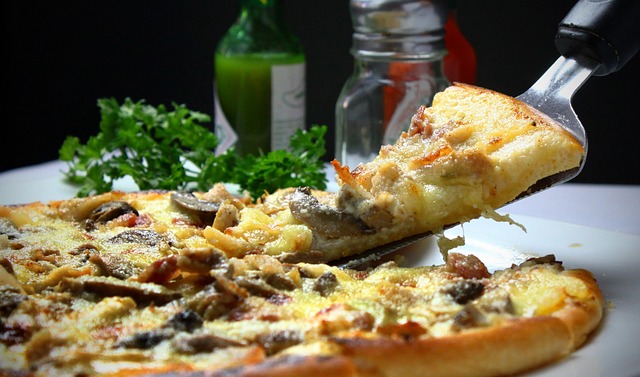
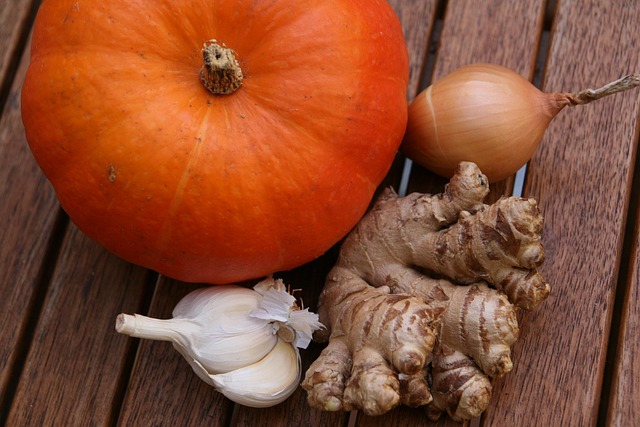
Plus, the spices used in salami, such as garlic powder, onion powder, and black pepper, can be toxic or irritating to a dog’s digestive system. Garlic and onion, in particular, are known to damage a dog’s red blood cells, leading to anemia.
Sodium Overload: The Hidden Danger in Salami
Salt is a necessary nutrient for dogs in small amounts, but the levels found in processed meats like salami are far beyond what a dog needs or can safely metabolize. A single slice of salami can contain a significant portion of a dog’s daily recommended sodium intake, and often much more.
When dogs consume too much salt, their bodies try to compensate by increasing thirst, which is why dehydration is a primary concern. If a dog drinks enough water, they can often excrete the excess sodium. However, if they don’t drink enough, or if the intake is extremely high, it can lead to serious health issues.
Symptoms of sodium ion poisoning can include excessive thirst and urination, vomiting, diarrhea, lethargy, tremors, seizures, and even death in severe cases. The American Veterinary Medical Association (AVMA) warns that even moderate amounts of high-sodium foods can be problematic for dogs with underlying health conditions like heart disease or kidney problems.
High Fat Content: Triggering Pancreatitis and Digestive Distress
Salami is typically rich in fats, both saturated and unsaturated. This high fat content is not only calorically dense, contributing to weight gain, but it’s also a significant trigger for gastrointestinal upset in dogs.
One of the most serious risks associated with high-fat foods is pancreatitis, which occurs when the pancreas becomes inflamed, often due to a sudden intake of fatty food. Symptoms include severe abdominal pain, vomiting, diarrhea, loss of appetite, and lethargy. According to a 2026 review of canine nutrition, fatty foods are a leading dietary cause of pancreatitis in dogs, requiring immediate veterinary attention.
Even if your dog doesn’t develop full-blown pancreatitis, the high fat content can still cause unpleasant digestive issues. This might manifest as vomiting, diarrhea, or general discomfort. For puppies, whose digestive systems are still developing, or older dogs with sensitive stomachs, these effects can be even more pronounced.
Spices and Additives: Toxic Elements in Salami
Beyond salt and fat, the seasoning blend in salami often includes ingredients that are harmful to dogs. Common culprits include garlic and onion powder. Both are members of the Allium family, and even in powdered form, they contain compounds that can damage a dog’s red blood cells, leading to anemia.
Other spices like black pepper, red pepper flakes, or paprika can irritate a dog’s digestive tract, leading to vomiting and diarrhea. While a tiny trace might not be a major issue, the concentrated amounts used in salami can be problematic.
Additionally, some salami varieties contain nitrites and nitrates, which are preservatives. While generally considered safe for humans in moderation, their long-term effects and potential impact on dogs are not fully understood and are best avoided. The World Health Organization (WHO) has noted concerns about processed meats and their link to certain health issues in humans, which may translate to similar concerns for dogs.
Salami Risks for Puppies and Dogs with Health Conditions
While salami is not ideal for any dog, certain groups are particularly vulnerable to its negative effects. Puppies, with their still-developing digestive and metabolic systems, are more susceptible to severe reactions from high-salt, high-fat, and potentially toxic ingredients. A small amount of salami could cause significant gastrointestinal distress or even more serious health complications.
Dogs with pre-existing health conditions are also at higher risk. This includes dogs with heart conditions, kidney disease, or liver issues, as their bodies struggle to process excess sodium and fats. As mentioned, dogs prone to pancreatitis should strictly avoid fatty foods like salami.
Also, overweight or obese dogs are already at increased risk for numerous health problems. Adding calorically dense, nutrient-poor foods like salami into their diet would only exacerbate these issues and contribute to further weight gain.
Symptoms to Watch For If Your Dog Eats Salami
If your dog manages to sneak a piece of salami, it’s important to monitor them closely for any signs of distress. The symptoms will vary depending on the amount consumed, the specific ingredients, and your dog’s individual sensitivity.
Common signs of digestive upset include vomiting, diarrhea, lethargy, loss of appetite, and abdominal discomfort. If you notice excessive thirst and urination, this could indicate a high sodium intake. Tremors, staggering, or seizures are more severe signs that warrant immediate emergency veterinary care, as they could point to sodium ion poisoning.
If your dog has consumed a large amount of salami, or if you notice any concerning symptoms, don’t hesitate to contact your veterinarian or an emergency animal hospital. They can advise you on the best course of action, which may include inducing vomiting, administering activated charcoal, or providing supportive care such as intravenous fluids.
Healthier Alternatives to Salami for Your Dog
The good news is that you don’t need to resort to salami to treat your dog. There are many safe and healthy alternatives that can satisfy their desire for a tasty morsel. The key is to choose options that are low in sodium, fat, and free from harmful spices.
Plain, cooked meats are excellent choices. Small pieces of boiled chicken, turkey, or lean beef (without any seasoning or added fats) can be a safe and appealing treat. Ensure these are cooked thoroughly to eliminate any risk of bacterial contamination.
For a crunchy texture, consider dog-specific biscuits or dental chews. Many brands offer a variety of flavors and textures. You can also find commercially available jerky treats made specifically for dogs, which are typically lower in sodium and free from harmful additives. Always check the ingredient list before purchasing.
If you want to make your own treats, consider simple baked options using dog-friendly ingredients like whole wheat flour, oats, pumpkin purée, or unsweetened applesauce. A recipe for homemade dog biscuits, for instance, could involve mixing these ingredients and baking them into small, firm treats.

Vet Advice: Is Salami Ever OK for Dogs?
Veterinarians universally advise against feeding dogs salami. While the internet may offer anecdotal evidence of dogs occasionally nibbling on salami without apparent immediate ill effects, this is not a recommendation for safe practice. The cumulative effects of high sodium and fat intake, or the potential for a severe reaction from spices or a large quantity, make it a gamble that isn’t worth taking.
In real terms, the risks associated with feeding dogs salami far outweigh any perceived benefits. If you are considering giving your dog any human food, it’s always best practice to consult with your veterinarian first. They can assess your dog’s individual health, age, and breed predispositions to provide tailored dietary advice.
They can also recommend specific, safe treats that align with your dog’s nutritional needs and help manage any existing health concerns. For instance, a dog with kidney issues will have much stricter dietary requirements than a healthy adult dog.
Frequently Asked Questions
Can dogs eat pepperoni?
Pepperoni is similar to salami in its high fat and sodium content, and often contains even more spices. It’s also not recommended for dogs for the same reasons salami is avoided.
What happens if my dog eats a small piece of salami?
A very small piece may not cause significant issues for a healthy adult dog. However, it can still lead to mild digestive upset like vomiting or diarrhea. It’s best to avoid it altogether.
How much salami is dangerous for a dog?
The amount considered dangerous varies greatly depending on the dog’s size, breed, and health status. For a small dog, even a single slice could be problematic, potentially leading to sodium ion poisoning. For larger dogs, it would take a more substantial amount, but pancreatitis remains a risk.
Can puppies eat salami?
No, puppies are especially vulnerable due to their developing systems. Salami can cause severe gastrointestinal distress, dehydration, and other serious health issues in young dogs.
Are there any dog-safe salami products?
There are no commercially produced salami products specifically deemed safe for dogs. Always look for treats formulated and approved for canine consumption.
What should I do if my dog ate a lot of salami?
Contact your veterinarian or an emergency animal hospital immediately. Monitor your dog for symptoms like vomiting, diarrhea, excessive thirst, lethargy, or tremors, and provide them with the details of how much salami your dog consumed.
Last reviewed: May 2026. Information current as of publication; pricing and product details may change.
Related Articles
- American Pitbull Terrier vs. Staffordshire Bull Terrier:
- Brown Dog Names: Finding the Perfect Fit for Your Chocolate Companion in 2026
- Can Dogs Have Olives? Safety, Risks, and Benefits in 2026
Editorial Note: This article was researched and written by the Pet Magazine editorial team. We fact-check our content and update it regularly. For questions or corrections, contact us. For readers asking “Can dogs eat salami”, the answer comes down to the specific factors covered above.