Answering the “King Alsatian” Query
The term “King Alsatian” often surfaces in discussions about large, imposing dog breeds, frequently leading to confusion with the more widely recognised German Shepherd. While sharing some superficial similarities, the King Alsatian, more formerly known as the American Alsatian, is a distinct breed with its own unique history, temperament, and care requirements. Understanding these differences is crucial for anyone considering this magnificent canine companion. Most prospective owners assume “King Alsatian” is simply a grander name for a German Shepherd. However, this breed was specifically developed to embody a distinct set of traits, aiming for a calmer, more family-oriented dog with a wolf-like appearance. This article will explore what truly defines the King Alsatian, separating fact from fiction and providing actionable insights for potential owners.
Key Takeaways
- The King Alsatian, also known as the American Alsatian, is a distinct breed developed for specific traits, not just a larger German Shepherd.
- They possess a calm, stable temperament suitable for family life, contrasting with the higher drive of some German Shepherds.
- Their wolf-like appearance is a deliberate outcome of careful breeding, aiming for a majestic and imposing, yet gentle, presence.
- Proper training and socialization are vital from puppyhood to manage their size and ensure good behaviour.
- Potential owners should expect significant grooming needs, a moderate exercise routine, and a commitment to their well-being.
Defining the “King Alsatian”: More Than Just a Name
The “King Alsatian” is not an officially recognised breed name by major kennel clubs. Instead, it refers to the American Alsatian, a breed developed by the late Jeanette Baker in the United States. Baker’s goal was to create a large, intelligent, and calm companion dog that resembled a wolf in appearance but possessed the steady temperament of a well-bred domestic dog. This involved careful selection and breeding, primarily utilising the Alaskan Malamute, German Shepherd, Great Pyrenees, and English Mastiff. The breed was initially called the ‘Dire Wolf Project’ dog, later renamed the American Alsatian, and now officially the King Shepherd by some registries, though “American Alsatian” remains the most common identifier for the breed’s origins.
A Deliberate Creation: The American Alsatian’s Genesis
The history of the American Alsatian is relatively short and intentional. Jeanette Baker began her project in the late 1980s with a clear vision: to create a gentle giant. She sought to combine the striking looks of a wolf with the reliable disposition of a family pet. Unlike breeds that evolved through natural selection or rudimentary breeding over centuries, the American Alsatian is a product of specific, targeted genetic goals. This deliberate approach means breeders focus on maintaining a consistent set of physical and temperamental characteristics. The breed’s lineage includes dogs known for their size, loyalty, and gentle nature. The German Shepherd contributed intelligence and trainability, while the Alaskan Malamute added size and a wolf-like appearance. The Great Pyrenees brought a calm and protective instinct, and the English Mastiff contributed to the massive bone structure and imposing presence. This careful blend aimed to avoid the potential anxiety or aggression sometimes seen in breeds with high working drives, focusing instead on a stable, affectionate companion.

The King Alsatian’s Temperament: A Gentle Giant
One of the most defining characteristics of the American Alsatian is its temperament. These dogs are bred for a calm, stable, and confident disposition. They are typically good-natured, loyal, and affectionate with their families, often forming strong bonds. Unlike some working breeds that may exhibit high prey drives or intense herding instincts, the American Alsatian is generally more placid and less prone to reactivity. This makes them excellent candidates for family life, even with children, provided proper socialization and supervision occur. However, their size means that early and consistent training is paramount. While generally not aggressive, their sheer physical presence requires a well-mannered dog. They are intelligent and eager to please, making them highly trainable. A key aspect of their temperament is their watchful nature; they are aware of their surroundings and can be protective, but they are not typically prone to excessive barking. According to the American Alsatian Club, they are often described as “thinking” dogs, capable of discerning situations rather than reacting impulsively.
Striking Appearance: The Wolf-Like Look
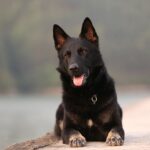
The American Alsatian’s appearance is one of its most striking features, often drawing comparisons to a wolf or a large prehistoric canine. They are large to giant dogs, with males typically standing 26–30 inches at the shoulder and weighing 75–120 pounds, while females are slightly smaller at 24–28 inches and 65–100 pounds. Their build is powerful and muscular, with a deep chest, strong legs, and a broad head. The muzzle is substantial, not pointed like a Greyhound’s, but more blocky, contributing to their imposing yet gentle expression. Their coat is a double layer, medium-long, and comes in various colours, most commonly black, but also sables, greys, and piebald patterns. The texture is dense and weather-resistant. Their ears are medium-sized and erect, and their tail is typically carried in a saber-like fashion. The overall impression is one of strength, elegance, and a touch of wildness, which is precisely what their breeders aimed for. This distinct look sets them apart from many other large breeds.
Caring for Your King Alsatian: Practical Tips
Owning an American Alsatian requires a commitment to their specific care needs. Their size and coat demand attention. Regular grooming is essential to manage their double coat, prevent matting, and reduce shedding. Weekly brushing, with more frequent sessions during shedding seasons, is recommended. Nail trims, ear cleaning, and dental care should also be part of their routine maintenance. Exercise needs are moderate. While they are large dogs, they are not typically hyperactive. Daily walks, playtime in a securely fenced yard, and opportunities for mental stimulation through training or puzzle toys are usually sufficient. Over-exercising a young, growing American Alsatian can be detrimental to their developing joints, so it’s crucial to tailor their activity levels to their age and physical condition. A securely fenced yard is highly advisable due to their size and potential to roam if left unsupervised.
Training and Socialization: The Foundation of a Well-Behaved Alsatian
Early and consistent training is non-negotiable for any large breed, and the American Alsatian is no exception. Puppy socialization classes are invaluable, exposing them to various sights, sounds, people, and other dogs in a controlled environment. This helps them develop into confident, well-adjusted adults. Positive reinforcement methods, such as reward-based training, work exceptionally well with this intelligent breed. Consistency is key. Owners should establish clear rules and boundaries from the outset. Basic obedience commands like “sit,” “stay,” “come,” and “leave it” are essential. Beyond obedience, training should focus on leash manners, as a large dog pulling on the lead can be challenging. Due to their size, they should also be trained not to jump on people, even if their intentions are friendly. Professional guidance from a qualified trainer can be extremely beneficial, particularly for first-time owners of large breeds.
Health Considerations for the King Alsatian
As a breed developed through careful selection, the American Alsatian is generally considered healthy. However, like all breeds, they can be prone to certain genetic health conditions. Responsible breeders screen their dogs for issues such as hip and elbow dysplasia, bloat (gastric dilatation-volvulus), and certain eye conditions. Reputable breeders will be transparent about health testing performed on their breeding stock. The average lifespan for an American Alsatian is typically between 10 to 14 years. This is a respectable lifespan for such a large breed. Ensuring a balanced diet, appropriate exercise, regular veterinary check-ups, and prompt treatment of any health concerns will contribute to a long and healthy life for your companion. Potential owners should research breeders thoroughly to ensure they prioritise the health and well-being of their dogs.
Common Pitfalls for King Alsatian Owners
One of the most common mistakes prospective owners make is underestimating the breed’s size and strength. They might assume a “calm” temperament means a dog that requires minimal management. In reality, their intelligence and size demand an owner who is prepared to invest time in training, socialization, and consistent handling. They are not a breed that can be left to their own devices without supervision or guidance. Another pitfall is underestimating grooming requirements. Their dense double coat, while beautiful, sheds significantly. Owners who are not prepared for regular brushing and the inevitable dog hair around the home may find themselves overwhelmed. Some individuals might be drawn to the “wolf-like” appearance without fully understanding the commitment involved in owning a large, powerful breed. It’s vital to research thoroughly and ensure the breed aligns with your lifestyle, not just your aesthetic preferences.
King Alsatian vs. German Shepherd: Key Differences
While both breeds are large, intelligent, and often grouped under the “Alsatian” umbrella term (particularly in the UK, where German Shepherds were once commonly called Alsatians), they are distinct. The German Shepherd is a highly driven working dog, often used in police and military roles, known for its versatility and energy. They can be more prone to anxiety or nervousness if not properly managed and trained. The American Alsatian, by contrast, was specifically bred for a calmer, more stable temperament, making it generally more suited as a family companion than a working dog in high-stress environments. In terms of appearance, while both are large, the American Alsatian has a more exaggerated wolf-like look with a broader head and muzzle, and a more substantial bone structure. German Shepherds often have a more sloped topline (in show lines) and a more refined head. Training needs also differ; while both require training, the American Alsatian’s calmer disposition may make initial training slightly more straightforward for novice owners, though their size still necessitates diligence. According to the American Kennel Club (AKC), German Shepherds consistently rank among the top five most popular breeds, indicating their widespread appeal, but the American Alsatian occupies a more niche, though growing, following.
Frequently Asked Questions
What is the difference between a King Alsatian and an American Alsatian?
The term “King Alsatian” is often used colloquially to describe the American Alsatian, a breed intentionally developed for a wolf-like appearance and calm temperament. There isn’t an officially recognised breed called “King Alsatian”; it typically refers to the American Alsatian.
Are American Alsatians good with children?
Yes, American Alsatians are generally known for their gentle and patient nature with children. However, their large size necessitates supervision, and early socialization is crucial to ensure they are comfortable and well-behaved around younger family members.
How much exercise does an American Alsatian need?
They require moderate exercise, typically one to two daily walks, along with playtime. Their exercise needs are less intense than many working breeds, but consistent activity is important for their physical and mental well-being.
What is the average lifespan of an American Alsatian?
The American Alsatian typically lives between 10 to 14 years. Responsible breeding practices and good overall care, including diet and veterinary attention, contribute to their longevity.
Are American Alsatians prone to health problems?
While generally healthy, they can be susceptible to conditions common in large breeds, such as hip and elbow dysplasia, bloat, and certain eye issues. Reputable breeders perform health screenings to mitigate these risks.
How large do American Alsatians get?
They are large to giant dogs. Males typically stand 26–30 inches at the shoulder and weigh 75–120 pounds, while females are slightly smaller.
Final Thoughts on the King Alsatian
The “King Alsatian,” or American Alsatian, is a truly remarkable breed for the right owner. They offer a unique combination of imposing beauty, intelligence, and a remarkably stable temperament. Prospective owners must be prepared for their size, grooming needs, and the importance of early, consistent training and socialization. By understanding their origins, temperament, and care requirements, you can determine if this gentle giant is the perfect addition to your family. Information current as of July 2026; pricing and product details may change.