Bright red blood in cat faeces usually indicates lower gastrointestinal bleeding from constipation, colitis, or anal gland irritation. Dark, tarry stool signals upper digestive bleeding. This requires urgent care. You can monitor a single minor spot of fresh blood from straining. But seek immediate veterinary attention if blood persists, appears in large amounts, or accompanies lethargy, vomiting, or appetite loss.
Finding blood in your cat‘s stool is alarming. However, understanding what the blood looks like and how your cat behaves helps determine the urgency. Bleeding can stem from minor, self-limiting issues like a brief bout of constipation or a mild food reaction. It can also point to serious conditions like internal parasites, inflammatory bowel disease, or poisoning.
You can evaluate blood in cat droppings by examining the color, texture, and frequency of the stool alongside your cat’s overall energy and appetite. Observing Blood in cat faeces allows you to provide crucial details to your veterinarian. This makes diagnosis faster and treatment more effective.
What does blood in cat faeces look like?
The appearance of blood in cat faeces reveals where the bleeding is occurring within the digestive tract. Veterinarians classify blood in feline stool into two distinct visual categories: fresh lower-tract bleeding and digested upper-tract bleeding.
Bright red blood (haematochezia)
Bright red, fresh blood in cat faeces is known medically as haematochezia. This color indicates that the blood originated in the lower gastrointestinal tract, specifically the colon, rectum, or anus. The blood has not passed through the stomach or small intestine. Digestive enzymes have not processed it.
You may notice haematochezia in several distinct forms:
- Surface streaks: Thin, bright red lines coating the outside of an otherwise normal, firm stool. This typically occurs when a hard stool tears delicate tissue near the anus.
- Mixed blood and mucus: Bright red blood blended into soft stool or diarrhea, often accompanied by clear or pinkish jelly-like mucus. This pattern points directly to inflammation in the colon (colitis).
- Drips in the litter box: Drops of fresh blood left on top of the cat litter or around the cat’s rear end after defecation.
Dark, tarry stool (melena)
Dark brown, black, or tarry stool is known as melena. This appearance occurs when blood originates higher in the digestive system, such as the mouth, esophagus, stomach, or upper small intestine. As the blood travels down through stomach acids and digestive enzymes, the hemoglobin breaks down. This turns the stool dark, sticky, and tar-like.
Melena can be harder to recognize than bright red blood. Key visual and tactile features include:
- Black color: Stools that appear unusually dark or jet black rather than normal medium-to-dark brown.
- Sticky or tarry texture: Stools that stick stubbornly to the litter box scooper or litter pan.
- Offensive odor: A distinct, metallic, or intensely foul smell caused by digested blood proteins.
Because upper gastrointestinal bleeding often stems from stomach ulcers, severe inflammation, swallowed blood, or internal tumors, melena is generally more urgent than minor haematochezia.
Occult blood and visual false alarms
In some cases, blood in cat faeces is not visible to the naked eye. Microscopic amounts of blood, known as occult blood, are detected using chemical testing during routine veterinary faecal examinations. Occult blood can indicate early-stage intestinal inflammation or mild ulceration before visual signs emerge.
Occasional visual false alarms can occur. Certain dietary pigments, iron supplements, or specific medications can darken feline stool, mimicking melena. However, true bright red blood is rarely mistaken for anything else and warrants close observation.
What causes blood in cat faeces?
Gastrointestinal bleeding in cats can arise from diverse triggers. Identifying the underlying cause requires evaluating your cat’s age, diet, lifestyle, and medical history.
Common causes range from mild dietary disruptions to chronic internal diseases:
Dietary indiscretion, abrupt diet changes, and food intolerances
Cats have sensitive digestive tracts that react poorly to sudden alterations. Eating spoiled food, scavenging non-food items, or switching dry or wet food brands without a gradual transition period can irritate the stomach and intestinal lining. This sudden inflammation leads to acute colitis, producing soft stool with bright red blood and mucus.
Food intolerances or allergies to specific dietary proteins—such as chicken, beef, fish, or soy—can cause chronic gut inflammation. Over time, this response damages the intestinal wall, causing recurrent diarrhea laced with blood.
Intestinal parasites and single-celled organisms
Parasitic infections are among the most frequent causes of bloody stool in kittens and outdoor cats. Microscopic parasites and intestinal worms attach to or invade the mucosal lining of the intestines, damaging blood vessels and causing bleeding.
Common parasitic culprits include:
- Hookworms: Intestinal worms that anchor themselves to the intestinal wall to feed on blood, causing severe anemia and dark or bloody faeces.
- Roundworms: Heavy infestations of roundworms irritate the gut lining, leading to diarrhea, pot-bellied appearance, and intermittent blood streaks.
- Giardia: A single-celled parasite contracted from contaminated water that causes chronic, malodorous diarrhea containing blood and mucus.
- Coccidia and Tritrichomonas foetus: Microscopic protozoa that infect the colon wall, triggering severe, foul-smelling diarrhea with fresh blood, particularly in young cats in multi-pet environments.
Active intestinal parasites can spread quickly between animals and require targeted anti-parasitic treatment.
Infections and inflammatory bowel disease (IBD)
Pathogenic bacterial infections such as Salmonella, Campylobacter, or Clostridium cause severe inflammation of the gut lining, resulting in acute bloody diarrhea, fever, and lethargy. Viral infections like feline panleukopenia (distemper) attack rapidly dividing cells in the intestinal mucosa, leading to life-threatening bloody diarrhea and profound dehydration.
Chronic inflammation of the gastrointestinal tract is known as Inflammatory Bowel Disease (IBD). In cats with IBD, immune cells invade the walls of the stomach or intestines. This impairs nutrient absorption and causes persistent vomiting, weight loss, and chronic bloody stool.
Constipation, mechanical irritation, and anal gland issues
Severe constipation causes dry, hard stool that requires intense straining to pass. As the hard faecal mass moves through the rectum and anus, it tears delicate mucosal surfaces, leaving fresh red blood on the outer surface of the stool. In severe cases, chronic constipation develops into megacolon, where the colon stretches and loses muscle tone.
Additionally, cats have two small anal sacs located near the anus. If these sacs become impacted, infected, or abscessed, defecation becomes painful and can cause localized bleeding. Owners often notice scooting, excessive licking of the anal region, and fresh blood spots around the litter box. For more details on sac issues, see Why Does My Cat Lick Me?.
Toxins, foreign bodies, and systemic diseases
Ingesting foreign objects—such as string, ribbon, hairbands, or sharp bone fragments—can lodge in the stomach or intestines. Linear foreign bodies like string are particularly dangerous because the intestines bunch up around them, slicing through the intestinal mucosa and causing severe bleeding or perforation.
Exposure to rodenticides (rat poison) disrupts blood clotting throughout the body. This leads to life-threatening internal bleeding that presents as melena or frank blood in stool. Systemic diseases such as liver failure, severe pancreatitis, clotting disorders, and gastrointestinal cancers (lymphoma or adenocarcinoma) can also trigger digestive tract bleeding.
When is blood in cat faeces an immediate emergency?
Not every spot of blood in a litter box requires an emergency vet trip, but recognizing critical red flags ensures your cat receives life-saving care when needed.
Use the following guidelines to evaluate your cat’s condition:
| Action Level | Observed Symptoms | Recommended Next Step |
|---|---|---|
| Monitor at Home | Single tiny streak of red blood on normal, firm stool; cat is energetic, eating normally, and not straining. | Monitor litter box for 24 hours; keep a food and stool diary. |
| Schedule Vet Appointment | Recurrent red blood over 24–48 hours; mild soft stool; occasional straining; minor decrease in appetite. | Call your primary veterinarian for a diagnostic check within 24–48 hours. |
| Immediate Emergency Care | Large amounts of blood; dark tarry stool (melena); persistent vomiting; lethargy; pale gums; severe straining or crying; suspected toxin or foreign body ingestion. | Go to the nearest emergency veterinary clinic immediately. |
Key emergency red flags
Seek immediate emergency veterinary care if blood in cat faeces comes with any of these warning signs:
- Profuse bleeding: Stool that consists predominantly of blood or liquid blood pooling in the litter tray.
- Lethargy and weakness: Unresponsiveness, weakness in the hind legs, hiding, or reluctance to stand.
- Pale or white gums: Gums that lose their normal pink color and appear pale, white, or tacky, indicating significant blood loss or shock.
- Persistent vomiting: Inability to keep fluids down, especially if vomit contains digested blood (looks like dark coffee grounds) or fresh blood.
- High vulnerability groups: Young kittens, senior cats, or cats with pre-existing conditions like kidney disease degrade rapidly when bleeding occurs. Kittens can become severely dehydrated and anemic within hours.
How do veterinarians diagnose the source of bleeding?
Because blood in cat faeces stems from many potential causes, veterinarians follow a structured diagnostic process to identify the exact trigger.
Step 1: History taking and physical examination
Your vet will begin by gathering a thorough medical history. Be prepared to answer:
- When did you first notice blood in the stool?
- Is the blood bright red or dark tarry black?
- Has your cat’s diet, environment, or medication schedule changed recently?
- Has your cat been exposed to toxic plants, rodenticides, or small household objects?
- Are there other symptoms like vomiting, lethargy, or changes in thirst?
The physical exam includes palpating the abdomen to check for pain, thickened bowel loops, fluid accumulation, or intestinal masses. The vet will evaluate hydration levels, check gum color, and conduct a rectal exam to assess anal sac health and inspect local tissue tears.
Step 2: Laboratory testing
Diagnostic testing helps pinpoint internal issues quickly:
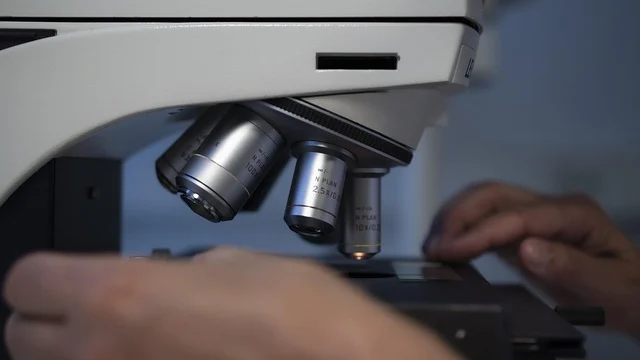
- Faecal examination: Microscopic analysis of a fresh stool sample detects parasitic eggs, Giardia cysts, and bacterial overgrowth. Special PCR panels detect specific viral and protozoal DNA.
- Complete Blood Count (CBC): Measures red blood cell counts to check for anemia resulting from blood loss. Elevated white blood cell counts indicate active infection or systemic inflammation.
- Biochemistry profile: Evaluates kidney and liver function, blood protein levels, and electrolyte balances, helping rule out metabolic diseases.
- Coagulation panels: Your vet checks blood clotting ability if they suspect toxicity or clotting disorders.
Step 3: Diagnostic imaging and advanced procedures
If routine blood and faecal tests do not reveal the cause, your vet may recommend imaging:
- Abdominal X-rays: Helps identify dense foreign objects, bone fragments, severe constipation, or large abdominal masses.
- Abdominal ultrasound: Provides detailed images of intestinal wall thickness, organ structures, lymph nodes, and soft tissue masses that X-rays miss.
- Endoscopy or colonoscopy: Inserting a flexible scope with a camera into the stomach or colon allows direct visualization of mucosal bleeding, ulcers, or tumors, and enables small biopsy collection for laboratory analysis.
How is blood in cat faeces treated?
Treatment for blood in cat faeces depends entirely on the underlying cause identified by your veterinarian. There is no single medication that fixes all causes of gastrointestinal bleeding.
Targeted medical treatments
Veterinarians select treatments based on diagnostic findings:
- Dewormers and antiparasitics: Specific medications like fenbendazole, praziquantel, or metronidazole clear worm infestations or protozoal infections like Giardia.
- Antibiotics: Prescribed only when bacterial enteritis is confirmed, to prevent secondary infections in compromised intestinal linings.
- Anti-inflammatory and immunosuppressive drugs: Corticosteroids like prednisolone manage chronic gut inflammation in cats diagnosed with IBD.
- Gastroprotectants and acid reducers: Medications such as sucralfate, famotidine, or omeprazole protect stomach and intestinal mucosal linings from acid erosion when ulcers are present.
- Probiotics: High-potency veterinary probiotics help restore beneficial gut flora following bouts of colitis or antibiotic therapy.
Dietary intervention
Diet plays a central role in managing gastrointestinal bleeding:
- Bland diets: Short-term feeding of highly digestible, low-fat bland diets (such as prescription GI canned food or boiled chicken breast) gives the intestinal tract time to rest and heal.
- Hydrolyzed or novel protein diets: For cats with suspected food allergies or IBD, feeding a strict hydrolyzed protein diet (where proteins are broken down so the immune system does not react) or a novel protein diet (like rabbit or venison) reduces gut inflammation.
- Fiber adjustment: Adding soluble or insoluble fiber helps resolve both constipation and mild inflammatory colitis by normalizing stool consistency.
Supportive care and emergency treatment
Cats with significant blood loss, severe diarrhea, or dehydration require supportive care in a clinical setting. This includes intravenous (IV) fluid therapy to restore hydration and electrolyte balance, pain management, and nutritional support through feeding tubes if the cat refuses to eat. Severe anemia from blood loss may require blood transfusions.
Emergency surgery is required if imaging reveals an intestinal foreign body obstruction, a perforated bowel wall, an abdominal tumor, or severe anal gland abscesses.
How to collect a stool sample for your vet
Providing your veterinarian with an adequate stool sample speeds up diagnosis. Follow these steps when collecting faeces:
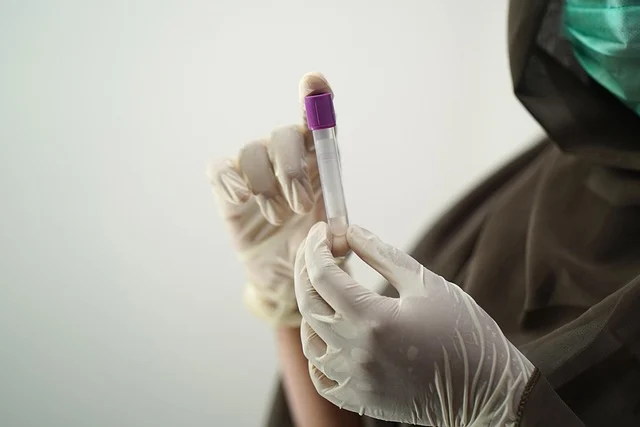
- Use a clean container: Collect the sample using a clean plastic bag or dedicated faecal collection tube from your clinic.
- Select a fresh sample: Choose the freshest stool possible, ideally passed within 12 hours of your appointment.
- Avoid excessive litter contamination: Pick up the stool sample with minimal cat litter attached, though a small amount of clinging litter is acceptable.
- Store properly: If you cannot take the sample to the clinic immediately, seal the container inside a secondary bag and refrigerate it for up to 12–24 hours. Do not freeze the sample.
How can you prevent digestive bleeding in cats?
While not all causes of blood in cat faeces can be prevented, daily preventative steps reduce risks significantly:
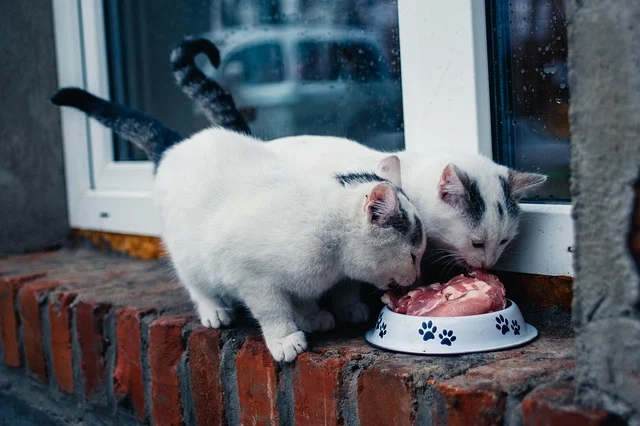
- Transition foods slowly: When changing cat food brands or formulations, mix increasing proportions of the new food with the old food over 7 to 10 days to avoid gastrointestinal upset.
- Maintain parasite control: Keep your cat on year-round, veterinarian-recommended preventative treatments for fleas, roundworms, and hookworms, even if your cat lives indoors.
- Secure household hazards: Keep small toys, string, dental floss, ribbon, toxic houseplants (such as lilies), human medications, and household chemicals completely out of reach.
- Encourage hydration: Promote water intake by providing multiple clean water bowls, pet fountains, or adding warm water to canned food, which helps prevent constipation.
- Reduce environmental stress: Cats are sensitive to changes in routine, new pets, or household moves. Use pheromone diffusers and maintain steady schedules to prevent stress-induced colitis.
- Schedule routine check-ups: Annual or bi-annual veterinary examinations catch underlying health issues, organ changes, or dental problems before they lead to digestive complications.
Frequently asked questions
Is blood in a cat’s stool always serious?
Not always. A single tiny streak of bright red blood on an otherwise normal stool can result from mild straining or a minor tear near the anus, which often resolves on its own. However, persistent blood, dark tarry stool, or bleeding accompanied by lethargy, vomiting, or appetite loss always requires prompt veterinary evaluation.
Can stress cause blood in cat faeces?
Yes, significant stress can trigger acute stress colitis in cats. Stress alters gut motility and intestinal bacterial balance, leading to inflammation, soft stool, mucus, and bright red blood. Managing stress factors and consulting your vet helps resolve stress-related colitis quickly.
What should be done if blood is found in a kitten’s stool?
You should treat any blood in a kitten’s stool as an urgent concern. Kittens have small blood volumes and limited reserves. This makes them highly vulnerable to rapid dehydration, anemia, and decline from parasite infections or viruses. Contact a veterinarian immediately for guidance.
How long does it take for a cat’s stool to return to normal after treatment?
Recovery time depends on the underlying cause and the treatment provided. Mild dietary upsets or minor colitis often improve within 3 to 7 days of starting treatment, whereas severe parasitic infections or chronic conditions like Inflammatory Bowel Disease (IBD) can take several weeks of dietary adjustment and targeted medication to stabilize.
Can a change in diet cause blood in cat faeces?
Yes, sudden changes in food can disrupt the gut microbiome and irritate the stomach and intestinal lining, causing diarrhea and fresh red blood streaks. Introducing new foods gradually over 7 to 10 days prevents this digestive stress.
What does dark, tarry cat stool mean?
Dark, tarry stool (melena) indicates bleeding in the upper gastrointestinal tract, such as the stomach or small intestine, where blood has been digested by stomach acid and enzymes. Melena often signals serious conditions like ulcers, ingested toxins, or internal tumors, requiring urgent veterinary care.