What is a Bengal cat?
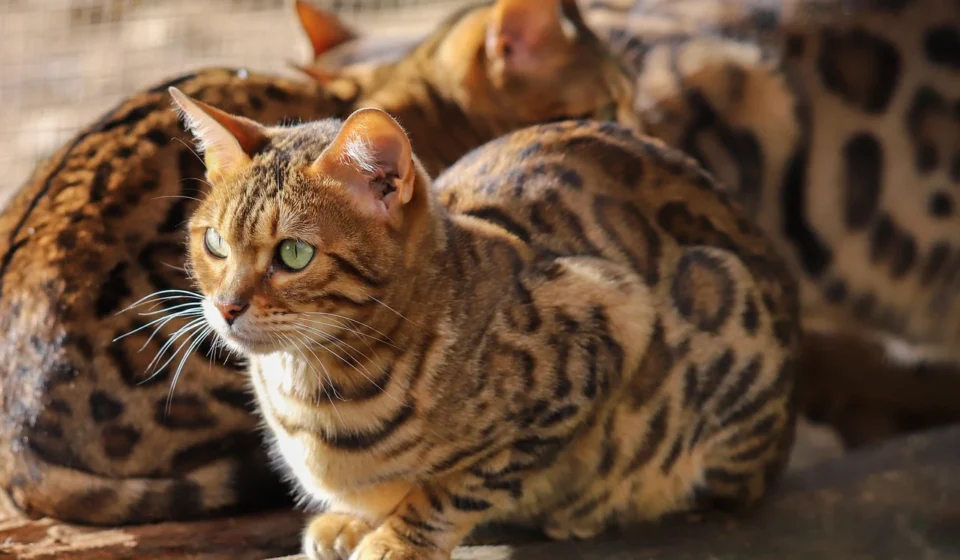
The Bengal cat is a distinct breed developed to combine the exotic coat pattern of a wild feline with the adaptable, affectionate nature of a household companion. The breed traces its roots back to the mid-20th century, when wild Asian leopard cats were bred with domestic shorthairs, particularly Egyptian Maus, Abyssinians, and American Shorthairs. As a result, the breed displays a muscular build, distinct markings, and extraordinary physical agility. (Source: wikipedia.org)
When evaluating a Bengal, lineage is categorised by filial generations, designated by an ‘F’ number that indicates distance from the wild Asian leopard cat ancestor:
- F1 generation: Direct offspring of an Asian leopard cat and a domestic cat (50% wild DNA).
- F2 generation: Grandchildren of the Asian leopard cat (25% wild DNA).
- F3 generation: Great-grandchildren of the Asian leopard cat (12.5% wild DNA).
- F4 and later (SBT): Known as Stud Book Tradition (SBT) Bengals. These are four or more generations removed from wild ancestry and are considered fully domesticated household pets.
Early generations (F1 to F3) often retain wild instincts, skittish temperaments, and unpredictable territorial habits. Because of these challenges, early generation cats are legally restricted or banned in many jurisdictions without specialized permits. Standard domestic pets available from registered breeders are SBT Bengals (F4 or beyond). These possess predictable, companionable temperaments while maintaining wild coat markings.
| Generation Type | Wild Ancestry Percentage | Legal & Ownership Status | Temperament & Pet Suitability |
|---|---|---|---|
| Early Generations (F1–F3) | 12.5% to 50% Asian Leopard Cat | Restricted or illegal in many regions without wildlife permits | Wilder instincts and skittishness; unsuitable for normal households |
| Domestic Bengals (F4+ SBT) | Under 10% wild ancestry | Legal across standard domestic pet laws in most regions | Predictable, affectionate, playful; ideal domestic pet suitability |
What coat patterns and colours do Bengal cats have?
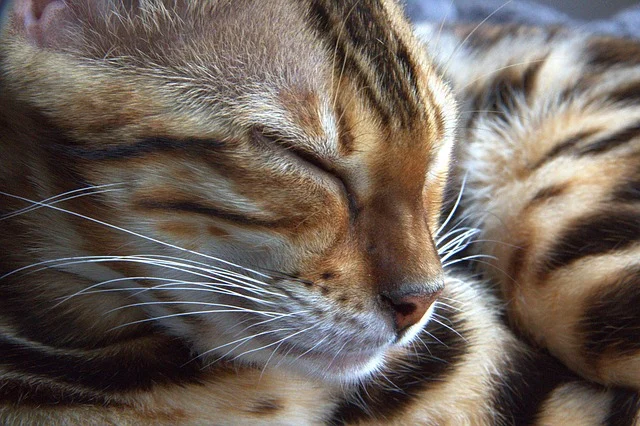
Bengals are famous for coat markings found in no other domestic feline. Also, their coat consists of a short, dense, unusually soft pelt that requires minimal grooming.
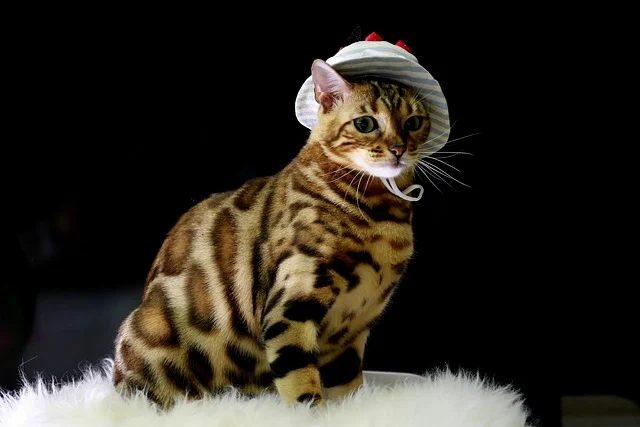
Coat patterns
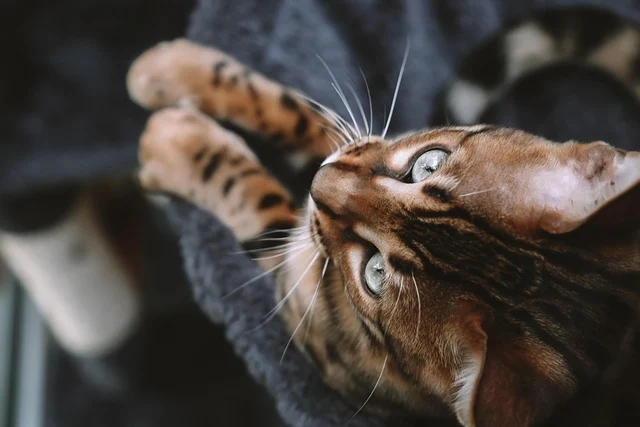
- Spotted (Rosetted): Markings range from simple dark spots to complex rosettes. Rosettes feature two distinct shades—a dark outer outline with a warmer, lighter centre. For example, popular rosette shapes include doughnut rosettes, arrowhead spots, and cluster rosettes.
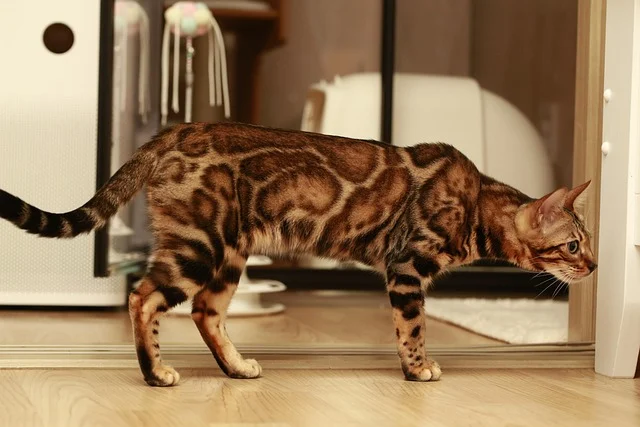
- Marbled: Created by a random swirl of colours flowing horizontally across the body rather than vertical stripes or traditional bullseye patterns. A desirable marble pattern resembles swirling onyx or marble stone.
Coat colours
- Brown Bengal: The classic coat featuring warm yellow, golden, or deep orange background tones with dark brown to jet-black markings.
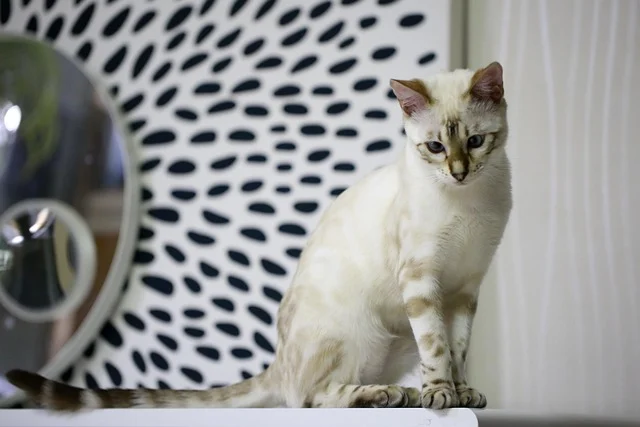
- Snow Bengal: Ivory, cream, or light grey coats with brownish or charcoal contrast. Sub-types include Seal Lynx Point, Seal Sepia, and Seal Mink.
- Silver Bengal: Pure white to icy silver background coat contrasted against dark charcoal or black spots without warm rufous tones.
- Charcoal Bengal: A dark background with a black mask across the face and a dark ‘cape’ running along the spine.
Many Bengals exhibit a unique physical phenomenon called glitter. Translucent hair shafts capture and reflect light, giving the pelt a shimmering, iridescent golden or silver sheen under bright lighting.
What is the Bengal cat temperament and personality?
Bengals are famous for an active, athletic, and intensely curious disposition. They do not behave like low-energy felines who sleep away most of the day in a quiet corner. Instead, Bengals operate with high physical energy and companion traits often described as dog-like.
They frequently follow owners from room to room, learn to play fetch, and can easily be trained to walk outdoors on a harness and leash. Also, Bengals possess a deep fascination with water. For example, it is common for a Bengal cat to play under running faucets, bat at bathwater, or attempt to join their owners in the shower.
Their high intelligence means they process environmental cues quickly. This enables them to open cabinet doors, turn on light switches, and operate door handles. This cleverness requires constructive outlets. Bored Bengals often invent their own games, such as unrolling toilet paper, knocking items off counters, or shredding cardboard boxes. If you are exploring other highly active or companionable breeds, see What Are the Most Popular Pets? Your Guide for guidance on managing high-energy household pets.
Bengals are also remarkably vocal. They express themselves using a distinct vocal repertoire ranging from soft chirps and trills to assertive, raspy meows when demanding attention, food, or interactive play.
Early and consistent socialisation is vital. Exposing a Bengal kitten to diverse household sounds, visitors, handling practices, and gentle interaction ensures they grow into confident, well-adjusted adults.
Who is a Bengal cat suitable for (and who should avoid them)?
Choosing a Bengal requires evaluating whether your household setup and schedule match the breed’s demanding emotional and physical needs.
Ideal owners
- Active households: People who enjoy interactive play sessions and training animals.
- Experienced cat owners: Individuals familiar with cat body language who know how to manage vocal, demanding pets.
- Homes with other pets: Bengals often bond strongly with energetic dogs or active cats that can match their play style.
- Families with older children: Children who understand how to respect animal boundaries thrive alongside high-energy Bengals.
Who should avoid a Bengal cat
- Absentees: People who work 10–12 hours a day away from home, leaving the cat isolated, face severe risk of anxiety and destructive behavior.
- Sedentary home environments: Owners wanting a quiet, passive feline that sleeps quietly on their lap all evening.
- Small prey animal owners: Homes with unmonitored pet rodents, small birds, or open aquariums; Bengals retain an extremely strong hunting drive.
How to care for a Bengal cat: exercise, setup, and diet
Properly managing a Bengal requires environmental enrichment, physical conditioning, and tailored nutrition.
Environmental enrichment and vertical space
Bengals crave elevation and physical challenge. Standard floor space is insufficient; they require vertical territory to jump, climb, and survey their surroundings:
- Floor-to-ceiling cat trees: Heavy, stable structures with thick sisal scratching posts.
- Wall-mounted cat shelves and bridges: Elevated walkways that allow Bengals to traverse rooms without touching the floor.
- Interactive toys and puzzle feeders: Food puzzle mazes and treat balls force Bengals to use their problem-solving intelligence for rewards.
- Exercise wheels: Large running wheels designed specifically for cats allow high-speed running indoors.
Exercise routines
Daily interactive play is non-negotiable. Plan for at least two to three dedicated play sessions of 15–20 minutes every day. Feather wands, laser pointers, and retrieval toys are effective tools to burn physical energy before bedtime.
Diet and nutrition
Bengals require a high-protein diet to fuel their dense muscular build and energetic metabolism. Select commercial wet foods or raw diets formulated with high meat content and minimal carbohydrate fillers.
- Ensure constant access to fresh water. Because Bengals prefer moving water, an electric pet water fountain encourages proper hydration.
- Avoid sudden food transitions, as Bengal digestive systems can be sensitive to rapid dietary changes.
Grooming needs
The short, sleek coat of a Bengal is low-maintenance. Weekly brushing with a rubber curry brush or soft-bristle brush removes loose fur and maintains skin health. Dental care involves brushing teeth with feline-safe toothpaste, alongside regular nail trims every two to three weeks.
What health issues affect Bengal cats?
Bengal cats are generally robust and healthy. Their average lifespan ranges between 12 and 16 years when provided proper care, nutrition, and veterinary attention. However, like all purebred felines, they have genetic predispositions to specific conditions.
- Hypertrophic Cardiomyopathy (HCM): This is a hereditary heart condition where the heart muscle thickens over time, reducing efficiency. Therefore, breeding cats should undergo annual echocardiogram (ultrasound) screenings by a veterinary cardiologist. This ensures they are clear of heart disease before producing litters.
- Progressive Retinal Atrophy (PRA-b): A genetic eye disorder causing gradual deterioration of the retina. This leads to night blindness and eventual vision loss. DNA testing can screen breeding adults for the mutated gene.
- Erythrocyte Pyruvate Kinase Deficiency (PK-Def): An inherited metabolic disorder leading to a deficiency in the pyruvate kinase enzyme, causing hemolytic anaemia. A simple DNA test identifies carriers before breeding.
- Digestive Sensitivities: Bengals have sensitive gastrointestinal tracts compared to other domestic breeds. Diets high in artificial additives or poor-quality fillers can cause chronic digestive upset.
How to buy a Bengal kitten: cost and breeder selection
Purchasing a Bengal kitten from a responsible source is critical. This helps to avoid genetic health defects and behavioural issues stemming from inadequate early care.
Bengal kitten costs
In the UK, well-bred Bengal kittens from registered breeders typically cost between £700 and £2,000. [bengalcat.co.uk] However, price variations depend on coat quality, rosette clarity, bloodline, contrast, and whether the cat is sold as a pet or with breeding or show rights.
Choosing a reputable breeder
When looking for a kitten, evaluate breeders using strict quality guidelines:
- Registry affiliation: Ensure the breeder is registered with recognized bodies such as The Cat Fanciers’ Association (CFA) or The International Cat Association (TICA).
- Health testing guarantees: Demand written proof of HCM screening for parents, along with clear PRA-b and PK-Def genetic test results.
- Socialisation environment: Confirm kittens are raised indoors as family pets, not kept isolated in outdoor cages.
- Vaccinations and microchipping: Reputable breeders release kittens at 12–14 weeks of age, fully vaccinated, wormed, microchipped, and backed by a written health contract.
Avoid online listings offering Bengals at rock-bottom prices. For example, unusually cheap kittens often come from irresponsible sources where health testing and socialisation are ignored.
What are common mistakes Bengal owners make?
- Underestimating mental and physical needs: Treating a Bengal like a low-energy cat leads to severe boredom, resulting in damaged furniture, scratched wallpaper, and persistent vocalizing.
- Leaving open water sources: Bengals will jump into open toilets, filled bathtubs, or unsealed aquariums. Therefore, always keep toilet lids down and secure fish tank covers tightly.
- Skipping early leash and handling training: Waiting until a Bengal is a strong adult to start claw clipping, grooming, or harness training makes management unnecessarily difficult.
- Punishing energetic behavior: Yelling or physical punishment damages your bond and heightens anxiety. Redirect unwanted energy toward appropriate toys and climbing setups instead.
Frequently asked questions
Are Bengal cats hypoallergenic?
No, Bengal cats are not hypoallergenic. While some owners with mild cat allergies experience fewer reactions due to the Bengal’s short, low-shedding coat, Bengals still produce dander and saliva proteins (Fel d 1) that trigger allergic responses.
How much exercise do Bengal cats need?
Bengal cats need at least 30 to 45 minutes of active interactive exercise every day, split across two or three dedicated play sessions. Providing high cat trees, puzzle toys, and exercise wheels helps keep them physically and mentally stimulated.
Can a Bengal cat be left alone for long periods?
It is not recommended to leave a Bengal cat alone for long workdays without companion pets or heavy environmental stimulation. Solitary Bengals quickly grow bored and anxious, often resulting in destructive household habits.
Are Bengal cats aggressive?
Bengal cats are not naturally aggressive, but their high energy, powerful build, and intense prey drive can be mistaken for aggression if play needs are neglected. Proper early socialisation and daily structured play ensure gentle, companionable behaviour.
What is the lifespan of a Bengal cat?
The typical lifespan of a Bengal cat is between 12 and 16 years. Providing high-quality protein nutrition, maintaining an active environment, and scheduling routine veterinary checks contribute to a long, healthy life.