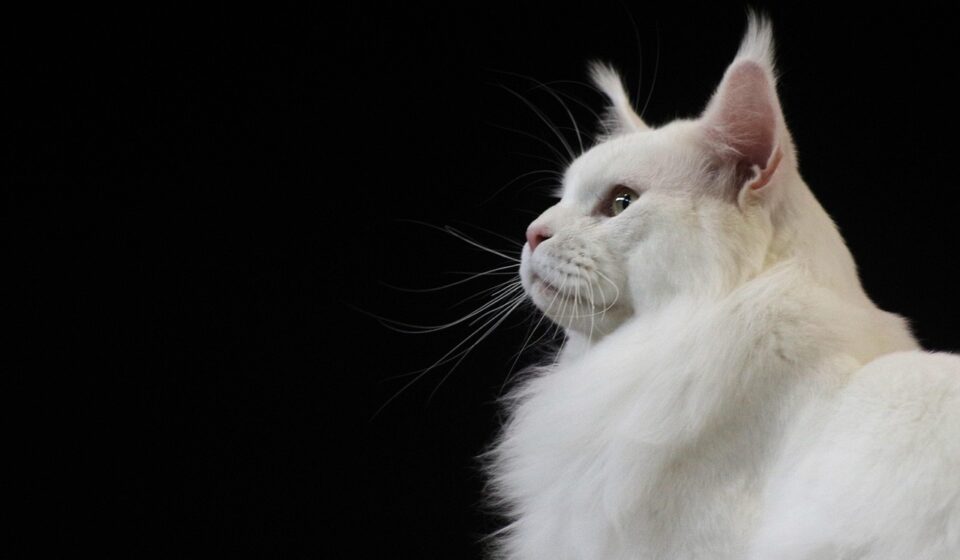
The Maine Coon is a large, highly social domestic cat breed known for its thick water-repellent coat, tufted ears, and friendly, dog-like personality. Weighing between 10 and 25 pounds, these intelligent gentle giants mature slowly over three to five years and thrive in active households that can provide daily companionship and regular grooming.
Originating as working mouser cats on farms and ships in the state of Maine, these felines adapted to severe North American winters through natural selection. Crossbreeding native short-haired working cats with long-haired breeds like the Angora or Persian brought by European sailors gave rise to a resilient feline built for freezing weather. By the late 19th century, the Maine Coon was a well-established breed, winning top prizes at early North American cat shows. However, their popularity waned with the introduction of exotic foreign breeds in the early 20th century. Dedicated breeders revived the breed in the mid-20th century, cementing its place as one of the most beloved domestic cat breeds today.
What physical traits define the Maine Coon?
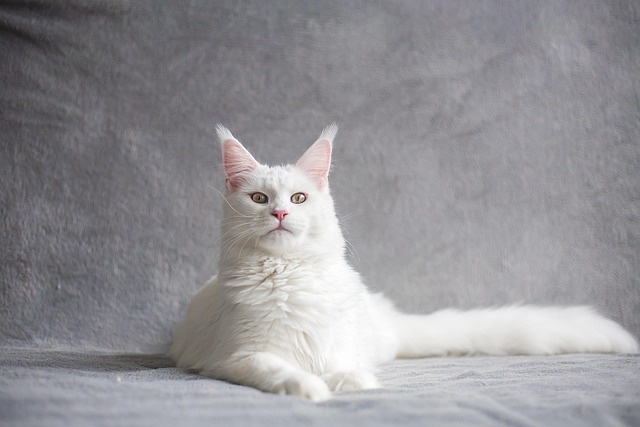
When you observe a Maine Coon, their massive size and muscular build immediately stand out. Males typically weigh between 15 and 25 pounds (7 to 11 kg), while females usually range from 10 to 15 pounds (4.5 to 7 kg), with some individual cats growing even heavier without being overweight. They possess a long, rectangular body structure, a broad chest, and a long, bushy tail that often measures equal to their body length. The tail serves a practical purpose: in freezing conditions, the cat wraps its tail around its body and face for warmth.
Unlike most domestic cat breeds that reach full growth by their first birthday, Maine Coons follow a slow developmental timeline. They continue growing and building bone mass until they are three to five years old.
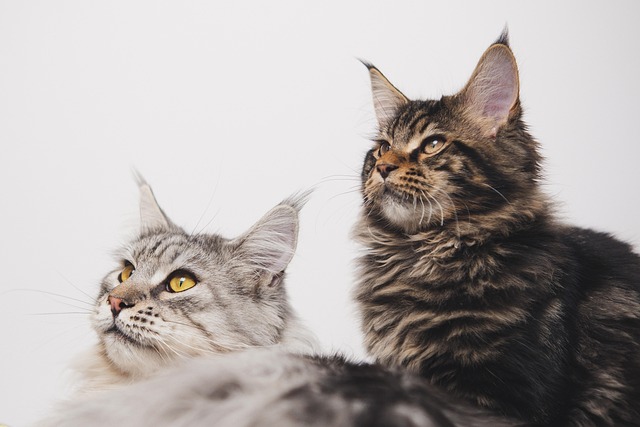
Their coat is another defining feature. It is a semi-long double coat that is water-repellent and uneven in length across the body. Fur is shorter over the head and shoulders, lengthening significantly along the flanks, belly, and hind legs to create protective “breeches.” Around the neck, a heavy ruff or collar of fur provides protection against wind and cold.
Distinctive tufts of fur emerge from between their toes, acting like natural snowshoes to help them move across ice and snow, while large ears feature inner tufts and often display lynx-like tips at the top. While the classic brown tabby pattern remains the best known, Maine Coons occur in a wide variety of colors and patterns, including solid black, solid white, red, cream, silver, smoke, tortoiseshell, calico, and blue. Pointed coat patterns (such as those found on Siamese cats) are not recognized in purebred standards.
What is the Maine Coon’s personality and temperament?
The Maine Coon is frequently referred to as the “gentle giant” of the cat world, a description that fits their balanced, peaceful disposition. They combine high intelligence with an even-tempered, sociable nature, making them engaging companions without being overly clingy.
Many owners notice that Maine Coons display dog-like behaviors. They enjoy following their owners from room to room, greeting visitors at the front door, learning to walk on a leash with a harness, and playing games of fetch with small toys or paper balls. They remain playful throughout their entire lives, maintaining kitten-like enthusiasm well into seniority.
Communication in Maine Coons is equally unique. Rather than making loud, repetitive meows, they speak using soft chirps, trills, squeaks, and quiet purrs. They often use these gentle sounds to greet family members, signal interest in dinner, or respond when you speak to them.
They are exceptionally good with children and other household pets, including dogs, thanks to their patient and laid-back attitude. They enjoy being part of family activities, but they prefer sitting nearby on a sofa cushion or the floor rather than constantly lying on your lap. If you are introducing a large cat into a multi-pet home, see Choosing the Right Cat Carrier for Your Pet for effective pet introduction strategies.
Who is a Maine Coon right for (and who should avoid one)?
Choosing to bring a Maine Coon into your home requires looking at whether your lifestyle fits their social and physical needs.
A Maine Coon is an ideal match for:
- Families with children who know how to interact respectfully with animals.
- Multi-pet households with cat-friendly dogs or other companion cats.
- Owners who spend time at home or work remotely, offering regular daily interaction.
- Interactive owners who enjoy playtime, trick training, and regular coat grooming sessions.
A Maine Coon is not suited for:
- Busy households where the cat will be left entirely alone for 10 to 12 hours every day, as prolonged isolation leads to separation distress.
- People wanting a small cat that requires minimal equipment and minimal grooming space.
- Tight budgets that cannot accommodate higher feeding costs, large accessories, or routine genetic health checks.
- Very tiny apartments without adequate floor space for extra-large litter trays, wide feeding stations, and tall climbing towers.
How to groom and care for a Maine Coon
Maintaining a Maine Coon’s coat requires consistent attention to prevent mats, tangles, and hairballs. While their coat is less prone to severe matting than a Persian’s, their dense undercoat still demands regular combing.
Plan to brush your cat two to three times each week. During spring and autumn, when Maine Coons shed their undercoat heavily, daily brushing is essential. Use a wide-toothed metal comb to work through tangles down to the root, followed by a slicker brush to clear away dead, loose guard hairs. Pay special attention to high-friction areas: under the front legs, behind the ears, along the belly, and through the rear breeches.
Beyond coat care, routine maintenance includes:
- Ear Cleaning: Check ears weekly for wax, dirt, or signs of irritation. Clean the outer ear gently with a vet-approved swab or damp cloth.
- Dental Hygiene: Brush teeth regularly with feline-formulated toothpaste to limit tartar accumulation and prevent gum inflammation.
- Claw Maintenance: Clip nails every two to three weeks using sturdy heavy-duty nail clippers designed for large cats.
What special equipment and environment do Maine Coons require?
Because Maine Coons grow significantly larger than standard house cats, everyday cat supplies must be sized up accordingly. Using standard-sized accessories causes physical discomfort and behavioural frustration.
Litter Tray Size: Standard cat litter boxes are too narrow for a full-grown 20-pound cat. A Maine Coon requires an extra-large litter box or a modified 30-gallon plastic storage container with a low entry doorway cut into one side. The tray should measure at least 1.5 times the length of your cat from nose to tail base.
Scratching Furniture and Climbing Towers: Standard scratching posts capsize under the weight of a leaning Maine Coon. Invest in heavy-duty wooden cat trees with posts at least 4 inches in diameter and thick, weighted bases. Tall climbing trees allow them to stretch their full body length while scratching.

Food and Water Stations: Select broad, shallow bowls to prevent whisker stress during meals. Many Maine Coons enjoy playing with running water or dipping their paws in water dishes, so heavy ceramic water fountains or wide non-tip stainless steel bowls prevent wet mess on floors.
What health issues affect Maine Coons?
While generally hardy, the Maine Coon is prone to a few specific genetic and structural health conditions. Understanding these health risks helps you select a healthy kitten and provide appropriate preventive veterinary care.
Hypertrophic Cardiomyopathy (HCM): HCM is the most common heart disease seen in cats. It causes the muscular walls of the heart to thicken, impairing cardiac function and potentially leading to heart failure or blood clot formation. DNA testing can identify the primary genetic mutation associated with HCM in Maine Coons. VCA Animal Hospitals notes that early detection and active medical management significantly improve a cat’s quality of life.
Hip Dysplasia: Hip dysplasia occurs when the hip joint socket does not form properly, causing the joint to grind and deteriorate. This leads to arthritis, stiffness, and reduced mobility. Because Maine Coons are heavy-boned, joint strain is more common than in smaller breeds. Keeping your cat at a healthy body weight reduces stress on joints.
Spinal Muscular Atrophy (SMA): SMA is a genetic disorder caused by the loss of motor neurons in the lower spinal cord, leading to muscle weakness and wasting in the hindquarters. Symptoms usually appear around 3 to 4 months of age. Genetic DNA tests can identify carrier and affected cats before breeding.
Polycystic Kidney Disease (PKD): PKD is an inherited condition where fluid-filled cysts develop inside the kidneys, gradually multiplying and impairing renal function. While less common in Maine Coons than in Persian breeds, ultrasound screening and genetic evaluation help prevent its spread in breeding lines.
What diet and nutrition do Maine Coons need?
Feeding a Maine Coon requires balancing high protein intake with strict calorie monitoring. Because their growth period lasts between three and five years, their bodies demand consistent quality nutrients throughout extended kittenhood and young adulthood.
Look for high-quality commercial cat food where real meat (such as chicken, turkey, salmon, or beef) is listed as the primary ingredient. Avoid foods loaded with low-quality grain fillers like corn, wheat, or soy. Protein supports heavy muscle development and bone structure, while balanced fats supply energy.
Combine canned wet food with high-quality dry kibble. Wet food provides crucial hydration that protects kidney and urinary tract health, while dry kibble offers chewing exercise for jaw strength. Always ensure clean, fresh water is available around the clock.
Avoid overfeeding during adulthood. Obesity places unnecessary stress on hips and heart tissue. Monitor body condition closely by feeling for ribs through their thick fur, and adjust portion sizes based on your cat’s age and activity level. If you are setting up daily feeding routines for multi-cat households, see How to Find and Choose the Right Dog Sitter for nutritional guidelines.
How to adopt or buy a Maine Coon responsibly
When adding a Maine Coon to your home, you can choose between adopting through a rescue organization or purchasing from a certified breeder.
Adopting from a Shelter or Rescue: Breed-specific rescues and general animal shelters often take in purebred adult Maine Coons or Maine Coon mixes. Adoption fees are significantly lower than breeder purchase costs, and adoption gives a homeless cat a loving family. Rescues also evaluate adult cat personalities, making it easier to match a cat to your home environment.
Buying from a Certified Breeder: If purchasing a kitten, choosing a reputable breeder is critical. In the UK, a purebred Maine Coon kitten from an ethical breeder typically costs between £300 and over £1,000, depending on lineage, health clearances, and location. Reputable breeders invest heavily in health screening, proper veterinary care, and early kitten socialization.
Key Steps When Choosing a Breeder:
- Request written DNA test results showing both parent cats are clear of HCM and SMA mutations.
- Ask for veterinary hip clearance screening documents for parent cats.
- Visit the cattery in person to inspect cleanliness, space, and the physical health of the mother and kittens.
- Confirm kittens remain with their mother until at least 12 to 14 weeks of age with initial vaccinations and microchipping completed.
- Avoid sellers who refuse facility visits, offer instant delivery without vetting, or cannot provide genetic health records.
What common mistakes should new Maine Coon owners avoid?
New Maine Coon owners often encounter preventable issues by failing to account for the breed’s size and grooming demands.
Underestimating Grooming Demands: Waiting until fur looks messy before combing leads to hidden mats tight against the skin. Regular weekly combing prevents painful tangles and reduces hairballs.
Using Standard-Sized Cat Accessories: Equipping your home with small litter trays or lightweight scratching posts causes mess and instability. Buy extra-large, heavy-duty gear from the start.
Overfeeding During Extended Growth: Mistaking fat accumulation for late skeletal growth leads to early obesity. Monitor body condition and feed measured portions rather than leaving food out constantly.
Neglecting Mental Stimulation: Bored Maine Coons can resort to opening cupboards, knocking items off counters, or scratching carpets. Provide interactive toys, puzzle feeders, and high perch points to satisfy their active minds.
Sources: Maine Coon, Maine Coon Cat
Frequently asked questions
Are Maine Coons indoor or outdoor cats?
While their weather-resistant coats enable them to handle cold climates, Maine Coons are safest living indoors or using a secure outdoor catio. Keeping them inside protects them from road accidents, wild predators, parasites, feline diseases, and potential theft.
How much exercise do Maine Coons need?
Maine Coons need about 20 to 30 minutes of interactive play each day to maintain physical muscle tone and mental alertness. Feather wands, laser pointers, ball chases, and sturdy climbing trees satisfy their natural prey drive and keep them physically active.
Do Maine Coons shed a lot?
Yes, Maine Coons have a thick double coat and shed regularly, with heavy seasonal shedding occurring in spring and autumn. Regular brushing two to three times weekly removes loose hair before it settles on furniture or forms mats in the coat.
What is the average lifespan of a Maine Coon?
The average lifespan of a Maine Coon is between 10 and 13 years. With high-quality nutrition, regular preventive veterinary care, genetic health testing, and an indoor lifestyle, many Maine Coons live 15 years or longer.
Are Maine Coons noisy cats?
Maine Coons are not noisy cats and rarely produce loud, persistent meows. Instead, they communicate using soft chirps, trills, squeaks, and quiet purrs to interact gently with family members.