What Exactly Is a Bengal Cat?
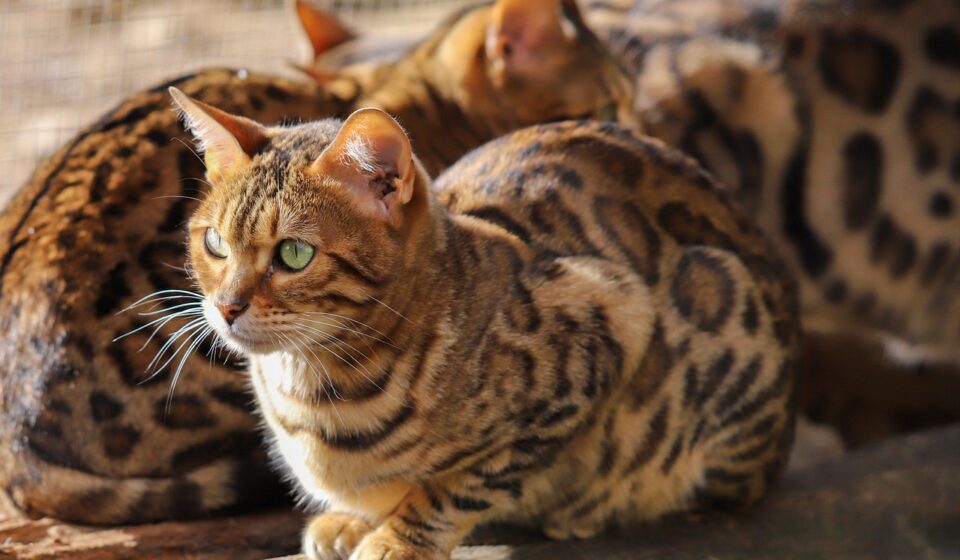
The Bengal cat is a breed that truly captivates with its wild, exotic looks and surprisingly domestic charm. Often mistaken for a miniature leopard, this breed is a unique hybrid, a testament to selective breeding that brings the allure of the wild into our homes. If you’re drawn to their stunning spotted or marbled coats and energetic personalities, understanding what makes a Bengal tick is key to providing them with a fulfilling life.
- Bengal cats are a hybrid breed, a cross between the Asian leopard cat and domestic cats, known for their striking spotted or marbled coats.
- They possess an active, intelligent, and playful temperament, requiring significant mental and physical stimulation.
- Early socialisation is crucial for managing their sometimes strong personalities and ensuring they integrate well into a household.
- Their care involves specific dietary needs, regular grooming, and a stimulating environment to prevent boredom and destructive behaviours.
- Bengal kittens can range in price from £1,000 to £3,000+, depending on lineage, breeder reputation, and generation.
At its heart, the Bengal cat is a fascinating blend of wild and domestic. The breed originated from crossbreeding the Asian leopard cat (Prionailurus bengalensis) with domestic cat breeds, most notably the Egyptian Mau, to introduce domestic traits. This crossbreeding process aimed to retain the wild ancestor’s stunning spotted coat while infusing the companionable nature of a house cat. The result is a breed that’s both visually arresting and, with proper care and socialisation, a devoted companion.
The name ‘Bengal’ itself is derived from the leopard cat’s scientific name. Over generations, these hybrids have been selectively bred to become more domesticated, with most Bengals available today being several generations removed from their wild ancestors, making them far more predictable and suitable as pets. However, it’s crucial to remember their lineage; these are not your typical lap cats. According to Wikipedia, the Bengal cat is considered a medium to large breed, and due to their recent hybridisation, ownership is legally regulated in several countries.
The ‘Wild’ in Their Personality: Bengal Cat Temperament
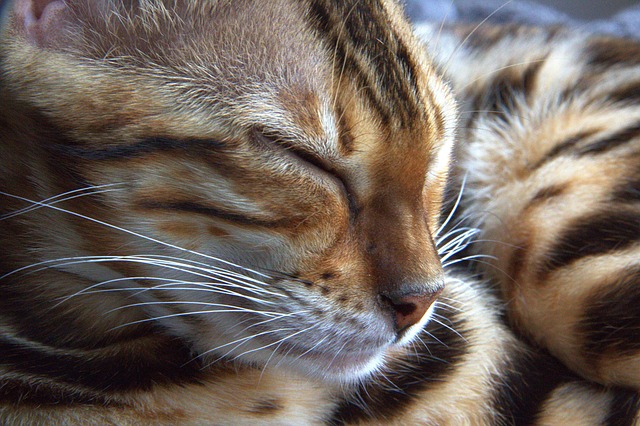
When people ask me about the Bengal cat’s personality, I always start by emphasising their intelligence and energy. These cats are not content to sleep on a sunbeam all day. They are incredibly active, curious, and playful, often described as being ‘dog-like’ in their enthusiasm for interaction and play. You’ll find them leaping to high places, chasing toys with vigour, and often, ‘talking’ to their owners with a range of vocalizations.
Their intelligence means they can be trained. Many Bengal owners report their cats learning tricks, playing fetch, and even enjoying water – a trait unusual for felines. However, this intelligence also means they need mental stimulation. Without it, a bored Bengal can become a destructive Bengal, finding inventive ways to entertain themselves, which might include rearranging your bookshelves or exploring the contents of your kitchen cabinets.
Early and consistent socialisation is key. Introducing a Bengal kitten to various people, sounds, and gentle handling from a young age will help them develop into well-adjusted adults. While they can be affectionate, their independence and high energy levels mean they might not be the best fit for households with very young children who might not understand their need for personal space, or for owners who are rarely home.
Caring for Your Exotic Companion: Bengal Cat Care Essentials
Caring for a Bengal cat involves understanding their unique needs, which go beyond basic cat care. Their active nature means they require more than just a litter box and a food bowl. Providing an environment rich in stimulation is paramount. This includes plenty of vertical space, such as tall cat trees or shelves, where they can climb and observe their surroundings. Interactive toys, puzzle feeders, and regular play sessions are essential to keep their minds and bodies engaged.
Diet is another crucial aspect. Due to their hybrid heritage, Bengals often thrive on a high-quality diet rich in protein. Many owners opt for raw or high-quality grain-free wet food. Always consult with your veterinarian or a reputable breeder about the best dietary options for your Bengal, as individual needs can vary. Ensure they always have access to fresh, clean water; some Bengals even enjoy drinking from running water sources, so a pet fountain might be a good investment.
Grooming for a Bengal is generally straightforward. Their short, dense coats are relatively low-maintenance, typically requiring a weekly brush to help manage shedding and keep their fur sleek and healthy. The coat texture can vary, with some possessing a unique ‘glitter’ effect due to translucent guard hairs. Regular nail trimming and dental care are also part of standard feline hygiene practices.
Health and Lifespan: What to Expect
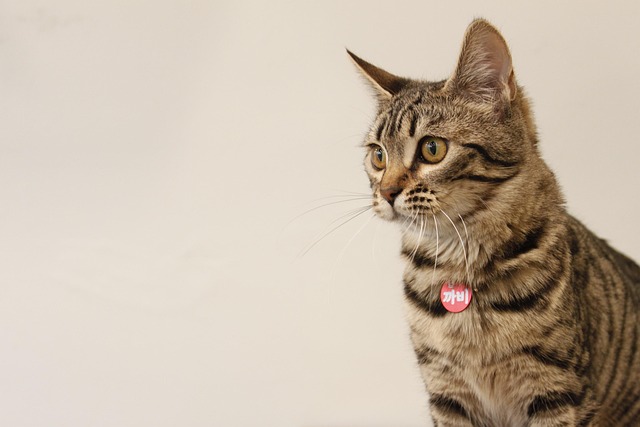
Bengal cats are generally a solid breed with a lifespan typically ranging from 12 to 16 years, sometimes longer with excellent care. However, like all breeds, they can be predisposed to certain health conditions. One notable concern is Hypertrophic Cardiomyopathy (HCM), a common heart disease in cats that can affect Bengals. Responsible breeders screen for this, and regular veterinary check-ups are vital for early detection and management.
Another condition to be aware of is Progressive Retinal Atrophy (PRA), which can affect vision. According to veterinary resources, responsible breeders will screen their breeding cats for these genetic conditions. Some Bengals may experience issues related to their digestive systems, potentially stemming from their hybrid diet. Ensuring a high-quality, appropriate diet and monitoring for any signs of digestive upset, such as vomiting or diarrhoea, is important. Early identification and consultation with a vet are always recommended for any health concerns.
Finding Your Bengal Companion: Breeders and Costs
Bringing a Bengal cat into your home is a commitment, and the cost is a significant factor to consider. Prices can vary widely depending on several factors: the breeder’s reputation, the cat’s generation (how far removed it’s from the Asian leopard cat ancestor), the quality of its markings and conformation to breed standards, and whether it comes with breeding rights. Generally, you can expect to pay anywhere from £1,000 to £3,000 or more for a well-bred Bengal kitten from a reputable breeder, as noted by various breed guides.
It’s essential to research breeders thoroughly. A responsible breeder will be transparent about their cats’ health history, provide pedigree papers, offer a health guarantee, and be willing to answer all your questions. They should also be invested in finding the right home for their kittens, not just making a sale. Be wary of prices that seem too good to be true, as these may indicate a kitten from a less reputable source, potentially with health or socialisation issues. The Cat Fanciers’ Association (CFA) and The International Cat Association (TICA) are good places to start researching registered breeders.
Common Mistakes When Owning a Bengal Cat
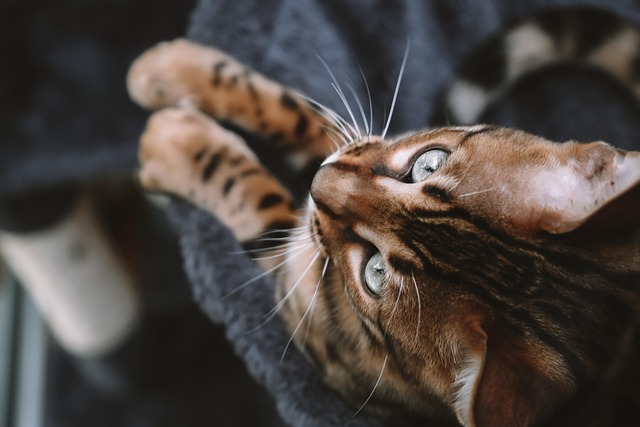
One of the most frequent mistakes I see prospective owners make is underestimating the Bengal’s energy levels and need for stimulation. Expecting them to be content with minimal interaction can lead to boredom, anxiety, and destructive behaviours. Providing ample opportunities for play, climbing, and mental engagement is not optional; it’s fundamental to their well-being.
Another common pitfall is neglecting early socialisation. While Bengals are intelligent, they can also be quite opinionated and sometimes aloof if not properly exposed to different stimuli and people from a young age. This can lead to a cat that’s fearful or reactive in new situations. Investing time in socialisation during kittenhood pays dividends in a more confident, adaptable adult cat.
Finally, some owners may not fully appreciate the ‘talking’ nature of Bengals. They are often more vocal than other breeds, and their vocalizations can range from soft chirps to more insistent meows. Understanding that this is their way of communicating, rather than an annoyance, is important for building a strong bond.
Tips for a Happy Bengal Home
To ensure your Bengal cat thrives, focus on creating an enriching environment. This means providing a variety of toys – think feather wands, laser pointers (used responsibly), and puzzle feeders that dispense treats. Rotate toys regularly to keep them novel and exciting. Consider an outdoor enclosure or ‘caticio’ if space allows, so they can safely experience the outdoors.
Invest in vertical space. Cat trees, wall-mounted shelves, or even strategically placed sturdy furniture can give your Bengal the elevated perches they crave. This not only provides exercise but also satisfies their natural instinct to survey their territory from a high vantage point. For owners who travel or are away for extended periods, consider a cat sitter who understands the breed’s needs for interaction and play.
Finally, embrace their unique quirks. Bengals often love water, so don’t be surprised if yours tries to join you in the shower or plays with water bowls. They are also highly intelligent and can learn routines. Understanding and working with their natural inclinations will lead to a more harmonious and rewarding relationship.
Frequently Asked Questions About Bengal Cats
Are Bengal cats hypoallergenic?
No, Bengal cats are not considered hypoallergenic. While some people with mild cat allergies find they react less severely to Bengals than to other breeds due to their coat texture, they still produce allergens and are not a suitable choice for individuals with significant cat allergies.
How much exercise do Bengal cats need?
Bengal cats are highly energetic and require a significant amount of daily exercise. Aim for at least two to three dedicated play sessions of 15-20 minutes each day to help them burn off energy and prevent boredom.
Can a Bengal cat be left alone for long periods?
It’s generally not recommended to leave a Bengal cat alone for extended periods, especially if they are young or have not been adequately socialised. Their need for interaction and stimulation means they can develop anxiety or destructive behaviours if left isolated for too long.
What is the average lifespan of a Bengal cat?
The average lifespan for a Bengal cat is typically between 12 to 16 years. With good care, a healthy diet, and regular veterinary attention, many Bengals can live well into their late teens or even early twenties.
Are Bengal cats aggressive?
Bengal cats are not inherently aggressive. However, their intelligence, energy, and strong personality mean that improper socialisation or lack of stimulation can lead to behavioural issues. When well-raised and socialised, they are typically playful, curious, and affectionate companions.
What is the difference between a Bengal cat and an Asian leopard cat?
The Asian leopard cat is the wild ancestor, while the Bengal cat is a hybrid breed developed by crossing Asian leopard cats with domestic cats. Bengals have been selectively bred over many generations to have more domestic traits and are legal to own in most places, unlike their wild counterparts.
Conclusion: Is a Bengal Cat Right for You?
The Bengal cat is a truly magnificent breed, offering a unique combination of exotic beauty and engaging personality. They are not a low-maintenance pet; they demand attention, stimulation, and an owner who appreciates their intelligence and energy. If you’re prepared to provide an enriched environment, consistent interaction, and understand their specific needs, a Bengal cat can be an incredibly rewarding and captivating addition to your family. They offer a glimpse into the wild, tempered with the warmth of domestic companionship.