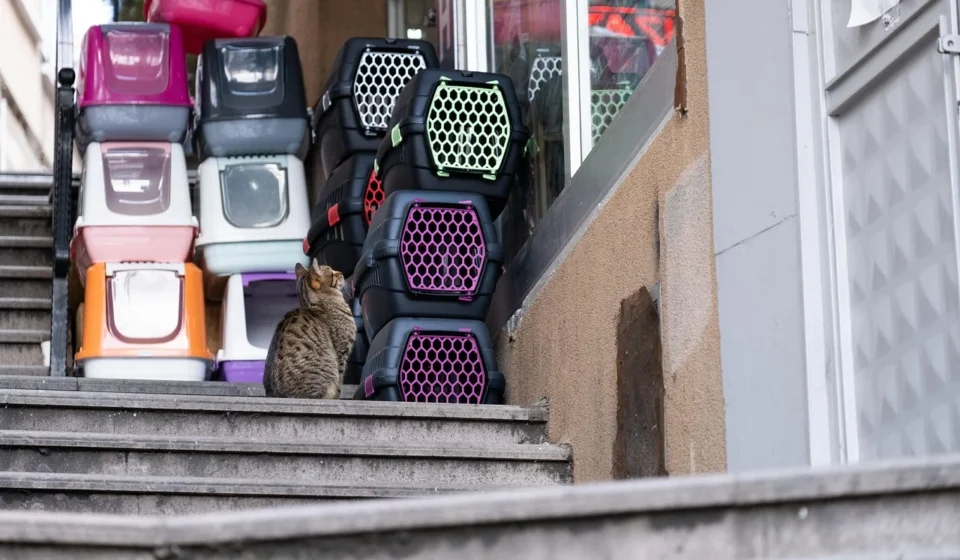
A good cat carrier provides a secure, well-ventilated, and easy-to-clean space. Your cat can stand up and turn around safely in it. Hard-sided plastic carriers offer maximum protection and easy cleaning for vet trips. Soft-sided fabric carriers suit light travel and airline cabins, provided the closures lock securely. Transporting your feline friend requires balancing their specific physical build and stress responses against your primary mode of transit. Selecting the right model prevents escape attempts, reduces car sickness, and eliminates the panic often associated with routine travel.
Which cat carrier type best fits your needs?
Different carrier designs serve distinct travel scenarios and feline temperaments. Understanding how materials, access points, and structural rigidity affect safety helps you select the right format.
Hard-sided carriers
Constructed from heavy-duty polypropylene plastic with steel or wire mesh doors, hard-sided carriers offer maximum impact protection and structural stability. They are the gold standard for routine veterinary visits, aggressive cats, and long car journeys.
- Strengths: Exceptionally durable, easy to sanitize after motion sickness or bathroom accidents, and resistant to persistent scratching or chewing. Many feature top-opening doors or quick-release side snaps. This allows a veterinarian to disassemble the shell without pulling a fearful cat out.
- Drawbacks: Heavy, bulky to carry, and non-collapsible, requiring permanent storage space in your home.
- Who it does not suit: Air travelers requiring an under-seat cabin enclosure, or pet owners who lack storage space.
Soft-sided carriers
Made from heavy-gauge nylon, polyester, or canvas supported by flexible wire frames, soft-sided carriers prioritize lightweight comfort and portability.
- Strengths: Padded interiors, shoulder straps for easier carrying, and collapsible frames that store flat. Most models feature multiple zippered entry points (top, front, and sides) and comply with airline under-seat height restrictions.
- Drawbacks: Difficult to clean thoroughly if soiled by fluids, susceptible to heavy clawing, and vulnerable to escapes if zippers lack locking clips.
- Who it does not suit: Highly anxious, panicky, or aggressive cats who chew through mesh panels or force open unclipped zippers.
Backpack carriers
Backpack-style carriers distribute weight across both shoulders, keeping your hands free for foot travel, public transport, or walking.
- Strengths: Excellent ergonomic balance for urban commuters walking to the vet or through train stations. Many include interior tether clips to attach to a harness.
- Drawbacks: Vertical designs offer less horizontal floor space for a cat to stretch out during long rides. Rigid acrylic “bubble” windows trap heat in direct sunlight and offer poor airflow unless paired with extensive mesh paneling.
- Who it does not suit: Large cat breeds, cats prone to severe motion sickness, or journeys lasting longer than an hour.
Top-loading two-door carriers
Available in both hard plastic and soft fabric, top-loading carriers allow you to lower your cat vertically into the enclosure. This is better than pushing them through a narrow front doorway.
- Strengths: Dramatically reduces stress during loading, as cats resist horizontal shoving much more than being gently lowered feet-first.
- Drawbacks: Top doors on plastic carriers can weaken structural integrity if cheap latches are used, so dual-latch systems are essential.
| Carrier Type | Best For | Main Strengths | Trade-offs & Limitations |
|---|---|---|---|
| Hard-Sided Plastic | Vet visits, car travel, aggressive scratchers | Impact protection, easily washed, rigid structure | Heavy, non-collapsible, awkward to store |
| Soft-Sided Fabric | In-cabin airline flights, quiet adult cats | Lightweight, shoulder strap, fits under seats | Stains from accidents, mesh can tear under heavy claws |
| Cat Backpack | Pedestrian urban travel, public transport | Hands-free carrying, weight balance across shoulders | Restricted horizontal space, prone to overheating if plastic |
| Top-Loading Carrier | Reluctant or anxious cats | Easy vertical loading, reduced resistance | Requires sturdy overhead latching systems |
How do you choose the correct cat carrier size?
A carrier must balance adequate room for movement with enough containment to protect your cat during unexpected car stops or shifting loads. A common mistake is choosing a carrier that is too small, which can cause significant distress, while buying one that is far too large leaves your pet sliding around during sharp turns.

How to measure your cat for a carrier
To find the ideal interior dimensions, take two precise measurements using a soft tape measure while your cat is standing naturally:
- Length: Measure from the tip of the nose to the base of the tail (excluding the tail length). Add 3 to 4 inches to this total.
- Height: Measure from the floor to the tip of the ears or highest point of the shoulders. Add 3 inches to ensure head clearance.
The resulting numbers represent the minimum interior length and height your carrier should provide. Your cat must be able to stand on all four paws without crouching. They should turn around fully without jamming their tail, and lie down extended flat. For most average adult cats, a carrier around 19 inches long is standard. Always measure individual dimensions.
Sizing for kittens, large breeds, and multi-cat households
- Kittens: Do not buy a full-sized adult carrier for a small kitten without modifying the space. Excessive room allows a kitten to slide into walls during braking. Place folded towels inside to snuggly pad an adult-sized carrier until they grow into it.
- Large Breeds: Breeds like Maine Coons or Norwegian Forest Cats require extra length and reinforced frame weight capacities. See Maine Coon: The Gentle Giant’s Complete Guide for sizing large breeds properly. A standard 19-inch carrier is often too small for these cats. They require an extra-large 24-inch hard shell crate. Note that heavy builds can make standard fabric carriers sag down in the center.
- Multi-Cat Travel: Avoid placing two adult cats in a single carrier, even if they are closely bonded housemates. Stress from car noise or vet visits can trigger redirection aggression. This causes cats to fight fiercely inside an enclosed space where neither can escape. Place each cat in an individual carrier.
What key features ensure cat safety and travel comfort?
Locking mechanisms and escape prevention
Cats can work zippers open with their paws or squeeze through small openings when panicked. Look for self-locking zippers, carabiner safety clips that lock zipper pulls together, or dual-squeeze spring latches on hard plastic doors. Never rely on basic velcro closures or unlatched zippers.
Ventilation and airflow standards
Continuous airflow prevents hyperthermia and reduces anxiety. A safe carrier features ventilation on at least three sides. Hard-sided units require slotted grates along the sides and back, while soft carriers should feature high-density claw-resistant nylon mesh. Avoid fine rubberized mesh that easily rips under sharp nails.
Base stability and accident containment
A flimsy base that bows under your cat’s weight creates panic because the cat loses sure footing. Choose a model with a reinforced, solid bottom plate. The floor material must be non-porous or backed with a waterproof lining. This will prevent urine or vomit from leaking onto car seats or your clothing.
Car seatbelt integration and luggage straps
When traveling by car, an unsecured carrier becomes a dangerous projectile during sudden braking. Look for heavy-duty seatbelt loops built directly into the exterior fabric or plastic casing. These allow you to thread the vehicle lap-and-shoulder belt through the frame, locking the carrier securely against the seat back.
How do you get a nervous cat into a carrier without stress?
Forcing a terrified cat into a carrier creates negative associations that compound over time. A structured training process transforms the carrier from a terrifying crate into a safe den.

Crate training steps for long-term comfort
- Leave the carrier open in a high-traffic living area: Place the carrier in a quiet corner of your living room or bedroom with the door permanently open or removed. Place a soft fleece blanket inside.
- Associate the interior with positive rewards: Drop high-value treats, catnip, or favorite toys near the entrance. Gradually move them deeper inside over several days.
- Feed daily meals inside: Place your cat’s food bowl right outside the entrance. Move it inside once they step in comfortably.
- Practice brief door closures: Once your cat enters willingly, gently latch the door for 5 seconds. Reward with a treat, and re-open. Gradually build duration up to several minutes while remaining in the room.
- Conduct short trial runs: Pick up the loaded carrier gently, walk around the house, reward, and set it down. Progress to brief car rides around the block before any actual veterinary appointment.
Emergency or fast loading techniques
When you must load a reluctant cat immediately without training time, use these two safe methods to avoid scratches and panic:
- The Top-Down Method: Set a top-loading carrier on its end with the opening facing the ceiling. Lift your cat firmly by supporting their chest and hindquarters, then lower them tail-first into the opening. Lowering tail-first prevents them from seeing the opening and splaying their legs to block entry.
- The Towel Wrap Method: Gently wrap your cat in a bath towel, tucking their legs against their body. Slide the wrapped cat rear-first into a front-loading carrier. The towel keeps their limbs contained and provides immediate comfort during transit.
What should you put inside the carrier during travel?
Equipping the interior thoughtfully prevents injuries, manages motion sickness accidents, and maintains a soothing scent environment.

Recommended interior items
- Absorbent washable pads: Place a waterproof puppy training pad or washable microfiber bath mat on the bottom. This will absorb unexpected urine or motion sickness fluids.
- Scented bedding: Include a worn t-shirt or blanket smelling like home to comfort your cat with familiar scents during stressful journeys.
- Calming pheromones: Apply synthetic feline facial pheromones onto the interior bedding 15 minutes before placing your cat inside. Never spray pheromones while the cat is in the carrier or directly on their skin.
- Breathable exterior cover: Drape a light cotton towel over the outside of the carrier during car rides. Blocking visual stimulation from passing headlights or scenery significantly reduces motion distress.
Items to keep out of the carrier
- Heavy food or water bowls: Unsecured ceramic or stainless steel dishes tip over, spilling liquid and knocking against your cat during vehicle turns.
- Hard plastic or sharp toys: Sudden braking can hurl hard objects into your cat, causing injury.
- Tight collars or long leashes: Leashes attached inside an enclosed carrier pose severe strangulation risks if your cat turns around or thrashes. Always detach leashes before closing the door.
How do you manage specific travel scenarios?
Car trips and vet visits
Place the carrier on the rear floorboard behind the front driver or passenger seat whenever possible. This location offers high structural protection and minimizes vehicle sway compared to elevated car seats. If placing on a rear seat, lock it tightly using the vehicle seatbelt through built-in harness loops. Keep cabin temperatures comfortable and avoid loud audio speakers.

In-cabin airline flights
Airlines enforce strict carrier height limits (typically between 8.5 and 11 inches) to fit under the seat in front of you.
- Choose a soft-sided carrier with pliable wire framing that compresses slightly under seat frames without collapsing on your cat.
- Verify that your carrier features leak-proof flooring and mesh on three sides as mandated by aviation regulations.
- Never place a cat in checked cargo; always reserve an in-cabin pet ticket well in advance.
Public transit and pedestrian walking
When walking through noisy transit hubs or riding buses, use a shoulder strap or backpack carrier to absorb impact. Keep the carrier close to your body to prevent jostling, and ensure all zippers feature locked safety clips so unexpected crowds or sudden noises cannot result in an accidental escape.
Sources: Pet carrier
Frequently asked questions
Is a hard or soft cat carrier better for vet visits?
A hard plastic carrier is generally better for vet visits because the removable top allows veterinarians to examine fearful cats directly inside the bottom shell. Hard carriers are also faster to sanitize if a cat gets sick or soils the bed from stress.
Can two cats travel in the same cat carrier?
No, two cats should not share a single carrier during travel, even if they get along well at home. The confinement and anxiety of travel can trigger redirected aggression, leading to fights in a space where neither cat can escape.
How far in advance should I leave a cat carrier out before a trip?
Leave the carrier open in a living space at least one to two weeks before a scheduled trip, or keep it out permanently as a sleeping den. Leaving it out continuously removes the negative association between the carrier appearing and immediate trips to the vet.
Should a cat carrier be covered with a towel while driving?
Covering the carrier with a light, breathable towel or sheet reduces travel stress by blocking visual triggers like passing cars or shifting lights. Ensure the sides remain loosely draped so airflow through the mesh or ventilation holes is not restricted.