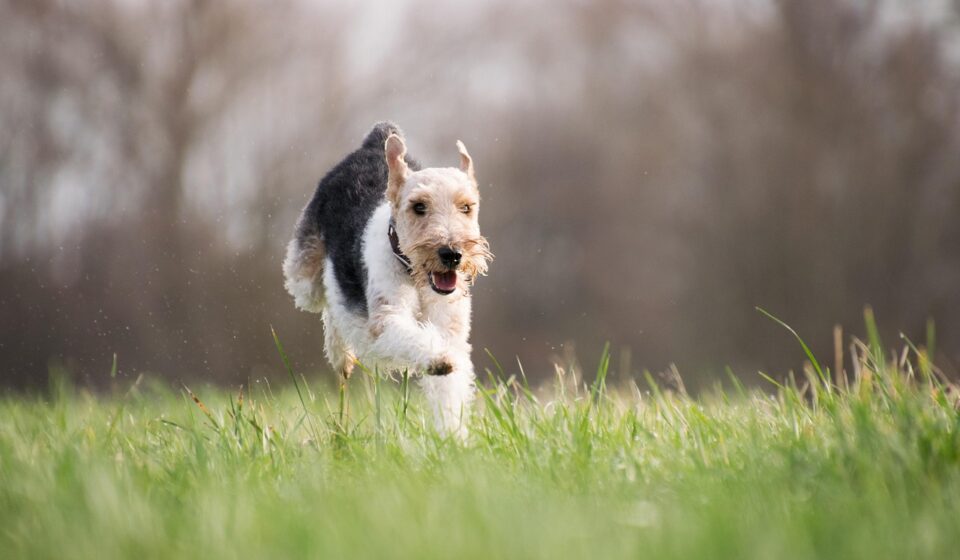
Meet the Patterdale Terrier
The Patterdale Terrier is a hardy, determined dog breed with roots in the rugged world of England’s Lake District. Originally bred for hunting vermin and working small game, these terriers are known for their courage, stamina, and spirited nature. If you’re considering bringing one of these energetic dogs into your home, understanding their unique traits is key. I’ve found that the Patterdale Terrier is not a breed for the faint of heart or the novice owner. They are intelligent and capable dogs, but their strong working instincts mean they require a specific type of environment and consistent training to thrive.
History and Origins of the Patterdale Terrier
The Patterdale Terrier‘s story begins in the early 18th century in the Patterdale valley, nestled within the Lake District. This region, known for its challenging terrain and abundant wildlife, demanded a dog that could work independently, brave harsh conditions, and effectively hunt quarry like foxes and badgers. They were developed from older Northern terrier breeds, selected for their tenacity, agility, and dark coat, which aided in camouflage. These dogs were primarily bred for function, not show, meaning their development focused on working ability. This heritage is crucial to understanding their temperament and needs today.
What Does a Patterdale Terrier Look Like?
Patterdale Terriers are typically small to medium-sized dogs, standing around 12 to 15 inches tall at the shoulder. They possess a strong, muscular build packed into a compact frame, giving them a solid appearance. Their head is usually wedge-shaped with keen, intelligent eyes that are often dark in colour. Ears are typically V-shaped and can be set high on the head, folding forward. Their coat can come in several variations: smooth, coarse, or wire-haired. The most common colour is black, which earned them the nickname “Black Fell Terrier,” but they can also be found in red, liver, or grizzle. Regardless of coat type, it’s generally dense and weather-resistant, reflecting their working heritage.
Temperament and Personality
The Patterdale Terrier is known for its bold, confident, and tenacious personality. They are intelligent and alert dogs, always eager to explore and investigate their surroundings. Their strong prey drive is a defining characteristic; they were bred to hunt, and this instinct remains deeply ingrained. While they can be affectionate and loyal to their families, their independent nature and strong will mean they are not always the easiest dogs to manage. They can be quite vocal and are not afraid to stand their ground. I’ve observed that their energy levels are high, and they need plenty of stimulation to prevent boredom, which can lead to destructive behaviour.
Are Patterdale Terriers Good with Children and Other Pets?
This is where careful consideration is essential. Due to their strong prey drive and terrier tenacity, Patterdale Terriers may not be the best fit for households with very young children or smaller pets like cats or rabbits, especially if not socialized from a very young age. Their playful energy can sometimes be overwhelming for little ones, and their instinct to chase can pose a risk to smaller animals. With proper socialisation from puppyhood and consistent, positive reinforcement training, some Patterdales can learn to coexist peacefully with older, respectful children and other dogs. However, it’s crucial for supervision and for owners to understand their dog’s individual temperament and triggers.
Training Your Patterdale Terrier
Training a Patterdale Terrier requires patience, consistency, and a firm but fair approach. Their intelligence means they learn quickly, but their independent streak means they’ll often try to bend the rules if they don’t see the point. Positive reinforcement methods, such as using treats, praise, and play, tend to be the most effective. Start socialisation and basic obedience training as early as possible. Expose your puppy to a variety of sights, sounds, people, and other well-behaved dogs. This will help them grow into a well-adjusted adult. Consistency in commands and expectations is vital, as is understanding that they may not always respond to commands with the same eagerness as some other breeds.
Managing Prey Drive
One of the biggest training challenges with a Patterdale is managing their intense prey drive. It’s essential to keep them on a lead during walks in unfenced areas and to ensure your garden is securely fenced to prevent escapes. Never assume they will ignore small animals; their instinct is to chase. I recommend teaching a strong recall command from a young age, but always have a backup plan. This breed is not one where you can completely switch off their hunting instinct.
Exercise and Mental Stimulation
Patterdale Terriers are active dogs that need a significant amount of daily exercise. A short walk around the block is unlikely to be enough to satisfy their energy needs. Aim for at least an hour of vigorous activity each day, which can include brisk walks, runs, playing fetch, or participating in dog sports. Beyond physical exercise, mental stimulation is equally important. Puzzle toys, training sessions, and scent work can help keep their sharp minds engaged. A bored Patterdale is often a mischievous Patterdale, so providing outlets for their intelligence and energy is crucial for a happy and well-behaved companion.
Health Considerations
The Patterdale Terrier is generally a solid and healthy breed with a lifespan typically ranging from 10 to 15 years. However, like all breeds, they can be prone to certain health conditions. Some issues that may be seen include:
- Eye conditions: Such as cataracts or glaucoma.
- Skin allergies: Some Patterdales can be prone to skin sensitivities.
- Hip dysplasia: A condition affecting the hip joint.
Responsible breeders will screen their dogs for common health issues, so it’s important to ask about health clearances when looking for a puppy. Regular veterinary check-ups are also vital for monitoring their health and catching any potential problems early.
Is a Patterdale Terrier the Right Dog for You?
The Patterdale Terrier is a fantastic companion for the right owner. They are loyal, intelligent, and courageous dogs that can bring a lot of character and life to a home. However, they are best suited for active individuals or families who can provide consistent training, ample exercise, and a secure environment. If you have experience with terriers, understand their strong instincts, and are prepared to commit to training and socialisation, a Patterdale Terrier could be a rewarding addition to your life. If you are seeking a low-energy dog or a pet that can be left unsupervised for long periods, this breed might not be the best choice.