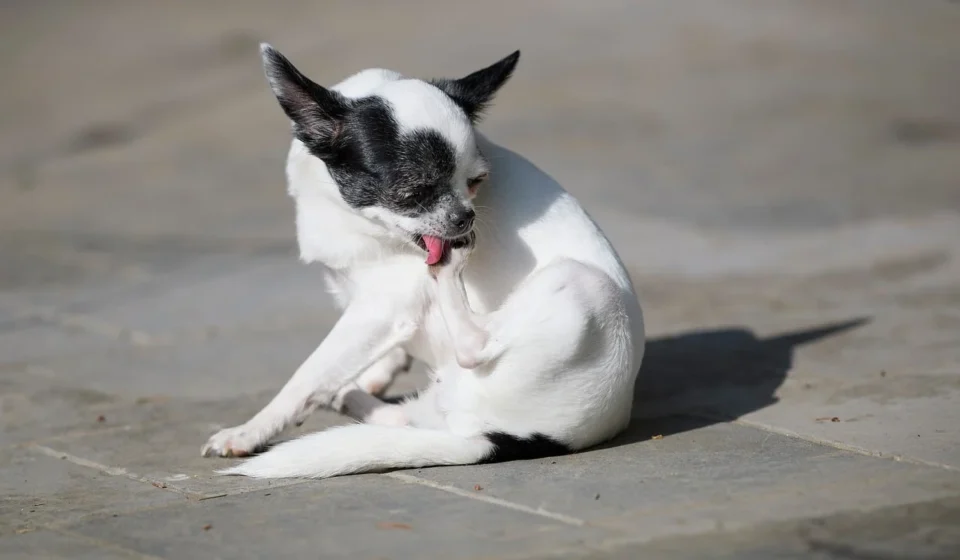
When your dog is licking their paws raw, it indicates significant discomfort or an underlying health issue that requires your attention. The most common reasons for a dog to lick their paws raw include allergies, pain, anxiety, parasites, fungal infections, or environmental irritants.
Addressing the issue promptly is crucial to prevent further infection and alleviate your dog’s distress. We always advise starting with a thorough check of their paws at home, but a visit to the vet is often necessary to pinpoint the exact cause and get the right treatment.
Why Do Dogs Lick Their Paws Raw?
Dogs lick their paws for many reasons, but when it escalates to the point of causing rawness, it’s a clear signal that something is wrong. This persistent licking often stems from irritation or pain, which can be internal or external. Understanding the ‘why’ is the first step towards effective treatment.
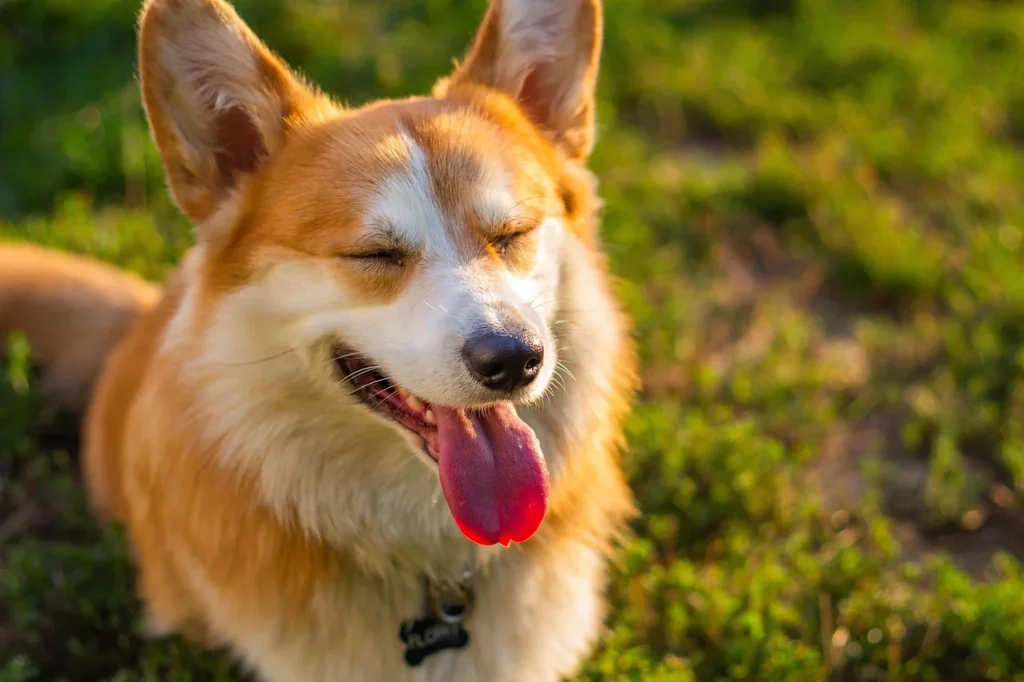
Persistent licking can quickly turn a mild irritation into a raw, painful area.
Allergies: A Common Culprit
Allergies are one of the most frequent reasons I see dogs licking their paws raw. Just like humans, dogs can suffer from environmental allergies (atopy) to pollen, dust mites, or mold, or food allergies to certain proteins or grains. The skin on their paws becomes itchy, leading to obsessive licking and chewing.
- Environmental Allergies: These often present seasonally, with flare-ups during spring or autumn. Your dog might also show other symptoms like itchy ears, skin rashes, or rubbing their face.
- Food Allergies: These tend to be year-round and can also cause gastrointestinal upset, ear infections, and general itchiness beyond the paws. Identifying food allergies usually involves a strict elimination diet, which your vet can guide you through.
The constant moisture from licking, combined with saliva, can create a warm, damp environment perfect for secondary bacterial or yeast infections, making the problem even worse. This is why you often see inflamed, red, and sometimes smelly paws.
Pain and Injury
Pain in the paw is another significant driver for obsessive licking. Dogs will instinctively try to soothe a painful area by licking it. This pain could be due to a visible injury or something less obvious.
- Foreign Objects: A thorn, a small piece of glass, a burr, or even a tiny stone can get lodged between their paw pads or toes, causing immense irritation.
- Cuts and Abrasions: Walking on rough surfaces, hot pavements, or sharp objects can cause cuts, scrapes, or blisters.
- Broken Claws: A cracked or torn nail is incredibly painful and often leads to intense licking.
- Insect Bites or Stings: A bee sting or spider bite on the paw can cause localized pain and swelling.
- Arthritis or Orthopaedic Issues: Older dogs, or those with underlying joint problems, might lick a paw if the pain radiates to that limb. For example, hip or elbow dysplasia can sometimes manifest as excessive paw licking on the affected side.
Anxiety and Behavioural Issues
Sometimes, the licking isn’t purely physical; it can be a behavioural response to stress, boredom, or anxiety. This is often termed an ‘obsessive-compulsive disorder’ (OCD) in dogs, where licking becomes a self-soothing mechanism.
- Separation Anxiety: Dogs left alone for long periods might develop compulsive behaviours, including paw licking.
- Boredom: A lack of mental and physical stimulation can lead dogs to find their own ‘entertainment’ through repetitive actions.
- Stress: Changes in routine, new environments, loud noises, or the introduction of a new pet can all trigger anxiety.
- Learned Behaviour: If a dog licked their paw due to an initial irritation and received attention (even negative attention), they might learn to repeat the behaviour.
If the licking is primarily behavioural, you might notice it increases during specific stressful situations or when your dog is under-stimulated. It’s often accompanied by other anxious behaviours like pacing, whining, or destructive chewing.
Parasites and Fungal Infections
Unwanted guests or microscopic invaders can also make your dog’s paws incredibly itchy.
- Mites: Mange mites (like Demodex or Sarcoptes) can cause intense itching and hair loss, often affecting paws.
- Fleas: While fleas typically prefer areas like the base of the tail, some dogs are highly allergic to flea saliva, and a single bite can cause widespread itching, including on the paws.
- Yeast Infections (Malassezia): These are very common, especially in dogs with allergies or compromised immune systems. They thrive in warm, moist areas like between paw pads and nail beds, producing a distinctive ‘yeasty’ or ‘cheesy’ smell. The skin often appears red, greasy, and thickened.
- Ringworm: A fungal infection that can cause circular patches of hair loss and itchiness, sometimes on the paws.
Environmental Irritants
What your dog walks on can directly irritate their paws, leading to licking.
- Chemicals: De-icing salts, fertilizers, pesticides, or even household cleaning products on floors can cause chemical burns or irritation.
- Rough Surfaces: Prolonged walking on concrete, gravel, or very hot/cold surfaces can damage paw pads.
- Moisture: Constantly wet paws (from rain, dew, or swimming) can lead to maceration and skin infections.
Can Dogs Lick Their Paws Raw?
Absolutely, yes, dogs can and often do lick their paws raw. What starts as a minor itch or irritation can quickly escalate. The constant abrasive action of the tongue, combined with saliva, breaks down the skin’s protective barrier. This leads to redness, inflammation, hair loss, and eventually open sores or ‘raw’ skin. Once the skin is raw, it’s highly susceptible to secondary bacterial and yeast infections, which then cause even more itching and pain, creating a vicious cycle.
How to Help a Dog Licking Paws Raw: Treatment and Prevention
Helping your dog when they’re licking their paws raw involves a multi-pronged approach: identifying the root cause, treating any infections, managing discomfort, and preventing recurrence. We always recommend starting with a vet visit, but there are steps you can take at home to provide immediate relief and support.
When to See the Vet
You should see your vet as soon as possible if you notice any of the following:
- The paw is visibly raw, bleeding, or has open sores.
- There’s swelling, warmth, or a foul smell, indicating infection.
- Your dog is limping or unwilling to put weight on the paw.
- The licking is persistent, severe, and not responding to basic home care.
- There are other concerning symptoms like lethargy, loss of appetite, or widespread itching.
Your vet will perform a thorough physical examination, looking for foreign objects, injuries, or signs of infection. They may take skin scrapings, cytology samples (to look for yeast or bacteria), or recommend allergy testing or a food trial.
Immediate Home Care for Raw Paws
While waiting for your vet appointment, or if the issue is very mild, you can take some immediate steps to help:
- Clean the Paws: Gently clean your dog’s paws with a mild antiseptic solution recommended by your vet or a dilute povidone-iodine solution (to the colour of weak tea). Pat dry thoroughly with a clean towel, especially between the toes.
- Prevent Further Licking: This is critical. An Elizabethan collar (cone) is often the most effective way to stop your dog from reaching their paws. Alternatively, special paw bandages or socks can offer protection, but ensure they don’t trap moisture.
- Apply a Protective Balm: Once clean and dry, you can apply a pet-safe paw balm or a thin layer of unmedicated petroleum jelly to soothe the raw skin and create a barrier. Avoid anything with strong scents or active ingredients unless specifically advised by your vet.
- Cool Compresses: For swelling or inflammation, a cool, damp cloth applied for 5–10 minutes a few times a day can offer some relief.
Treating Underlying Causes
Effective long-term treatment depends entirely on the diagnosis:
-
- Allergies:
- Environmental: Your vet might prescribe antihistamines, corticosteroids (oral or topical), or newer allergy medications like Apoquel or Cytopoint. Regular paw washes with hypoallergenic shampoo, especially after walks, can help remove allergens.
- Food: A strict elimination diet for 8-12 weeks, under vet guidance, is necessary. Once the allergen is identified, avoiding that ingredient in their food is the solution.
- Infections:
- Bacterial: Antibiotics (oral or topical) will be prescribed.
- Yeast: Antifungal medications (oral or topical) are used. Also, medicated shampoos or paw soaks are often a key part of treatment.
- Pain/Injury:
- Foreign objects will be removed.
- Cuts may need cleaning and bandaging.
- Broken nails might need trimming or removal under sedation.
- Pain relief medication (NSAIDs) may be prescribed by your vet.
- Anxiety/Behavioural:
- Environmental Enrichment: Provide more toys, puzzles, regular walks, and playtime. Consider a dog walker or daycare if you’re out for long periods.
- Training and Desensitisation: Work with a professional dog trainer or veterinary behaviorist to address underlying anxiety.
- Medication: In severe cases, your vet might suggest anti-anxiety medication in conjunction with behavioural therapy.
- Allergies:
Preventative Measures
Prevention is always better than cure. Here are some steps we recommend minimising the risk of your dog licking their paws raw:
-
-
- Regular Paw Checks: After walks, especially in areas with rough terrain, inspect your dog’s paws for foreign objects, cuts, or irritation.
- Paw Hygiene: Clean paws regularly, especially after walking on potentially irritating surfaces (like pavements treated with de-icing salt). Use a dog-specific paw wipe or a bowl of warm water.
- Moisturise: During dry weather, consider using a paw balm to keep pads supple and prevent cracking.
- Manage Allergies: If your dog has known allergies, stick to their prescribed diet, administer medications as directed, and reduce allergen exposure where possible (e.g., wiping paws after outdoor excursions).
- Mental and Physical Stimulation: Ensure your dog gets enough exercise and mental engagement to prevent boredom and anxiety.
- Proper Grooming: Keep the fur between paw pads trimmed to prevent matting, which can trap moisture and debris.
- Protective Footwear: Consider dog boots for walks on very hot or cold surfaces, or in areas with harsh chemicals.
-
My Dog is Licking Paws Raw and Bleeding Between Toes
If your dog is licking their paws raw and bleeding, especially between the toes, it’s a clear sign of significant irritation, injury, or severe infection. The skin between the toes is delicate and prone to trapping moisture, foreign objects, and allergens, making it a common site for problems. Bleeding indicates that the skin barrier is completely compromised, potentially exposing deeper tissues and increasing the risk of serious infection.
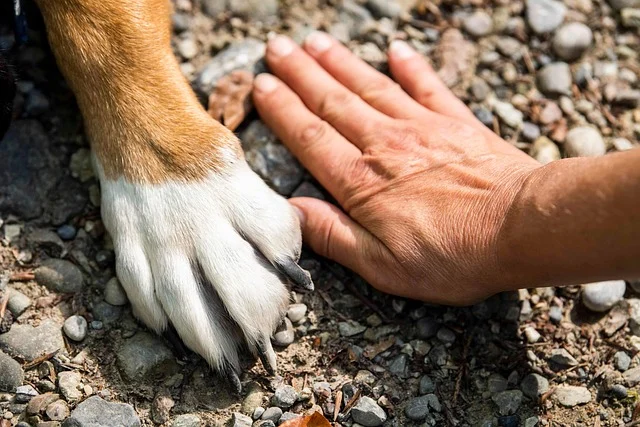
This situation warrants an immediate veterinary visit. Do not try to treat severe bleeding or open wounds at home beyond very gentle cleaning with warm water and applying light pressure with a clean cloth to stop the bleeding. Your vet will need to thoroughly clean the wound, assess for foreign bodies, prescribe antibiotics or antifungals if an infection is present, and potentially bandage the paw to allow it to heal without further licking.
Dog Licking Paws Raw and Swollen
When your dog’s paw is not only raw but also swollen, it strongly suggests inflammation, infection, or a significant injury. Swelling indicates fluid accumulation in the tissues, which can be a response to trauma, an allergic reaction, an insect bite, or a bacterial/fungal infection. If the paw is also warm to the touch or your dog is limping, an infection is highly probable.
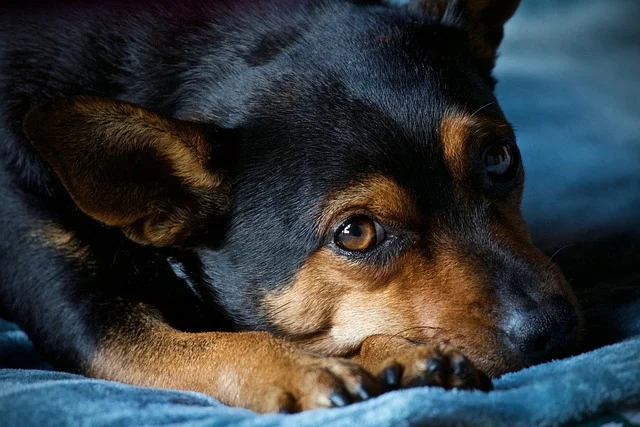
A vet visit is essential to diagnose the cause of the swelling. They may need to perform an X-ray to rule out fractures or foreign bodies, or take samples to identify the type of infection. Treatment will focus on reducing inflammation (often with anti-inflammatory medications), combating any infection with appropriate antibiotics or antifungals, and preventing further self-trauma with an Elizabethan collar.
Sources: Boxer (dog breed)
Frequently asked questions
How can I stop my dog from licking their paws immediately?
To immediately stop your dog from licking their paws, the most effective method is to use an Elizabethan collar (cone). This prevents them from reaching the affected area. You can also try applying a bitter-tasting deterrent spray designed for pets, but these are not always effective for determined lickers.
Are there any home remedies for raw dog paws?
For very mild irritation, you can gently clean the paw with warm water and pat it dry, then apply a thin layer of pet-safe paw balm or unmedicated petroleum jelly. However, if the paw is truly raw, bleeding, swollen, or infected, home remedies are insufficient, and a vet visit is crucial.
How long does it take for raw dog paws to heal?
The healing time for raw dog paws varies significantly depending on the underlying cause, the severity of the damage, and how quickly treatment begins. Minor irritations might heal within a few days with proper care, while severe infections, deep wounds, or chronic allergies could take several weeks or even months to fully resolve.
Can diet changes help with a dog licking paws raw due to allergies?
Yes, if your dog’s paw licking is due to a food allergy, a strict elimination diet prescribed and supervised by your vet is often the most effective treatment. This involves feeding a novel protein or hydrolyzed protein diet for 8-12 weeks to identify and then eliminate the allergen from their regular food.