While easily mistaken for choking, reverse sneezing is a different condition. This article explains why dogs reverse sneeze, how to distinguish it from actual choking, what to do when your dog experiences an episode, and when to seek veterinary attention. It also covers which dogs are more prone to reverse sneezing and how to prevent episodes.
What Does Dog Reverse Sneezing Sound Like?
A dog reverse sneezing sound is a distinctive, often alarming noise. You can easily mistake it for choking, gasping, or even a seizure. It’s characterized by a sudden, forceful inhalation through the nose, producing a loud snorting, honking, or gagging sound. Some compare it to a pig snorting or a goose honking. This involuntary reflex, medically known as paroxysmal respiration, is generally harmless. However, it’s understandable why it causes concern for many dog owners.
When your dog experiences a reverse sneeze, they typically stand still, extend their neck, and pull air rapidly and repeatedly into their nose and throat. This action can make it seem as though they are struggling to breathe or have something stuck in their throat. Many people describe the dog reverse sneezing sound as being similar to choking or gagging. However, unlike choking, which involves difficulty exhaling, reverse sneezing is all about forceful inhalation.
Why Does My Dog Make a Reverse Sneezing Sound?
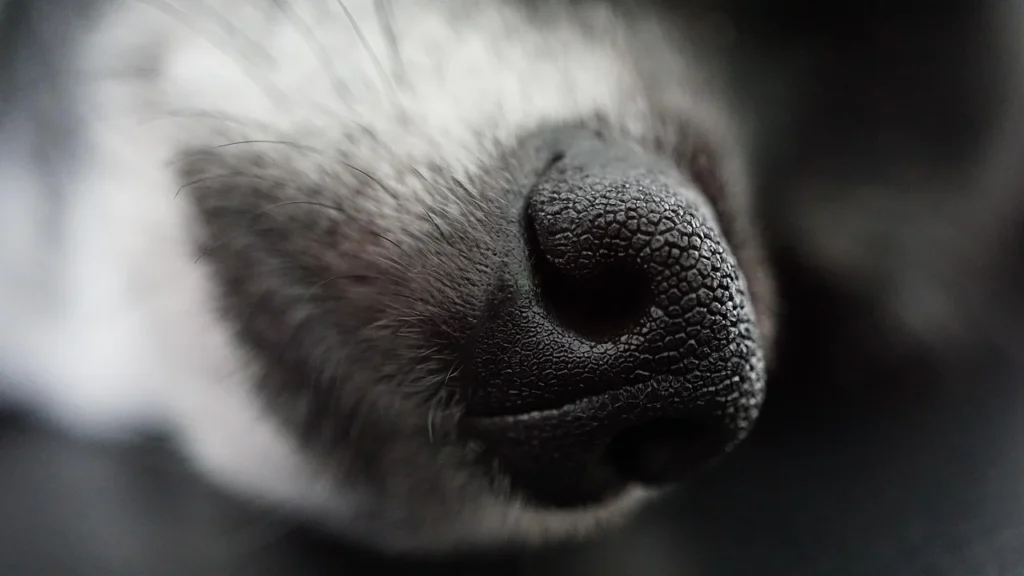
Dogs make a reverse sneezing sound primarily due to an irritation in their nasal passages, pharynx (throat), or larynx (voice box). This irritation triggers a spasm of the soft palate and throat. It causes the dog to inhale sharply and repeatedly in an attempt to dislodge whatever is bothering them. It’s essentially the opposite of a regular sneeze; you forcefully expel air during a regular sneeze.
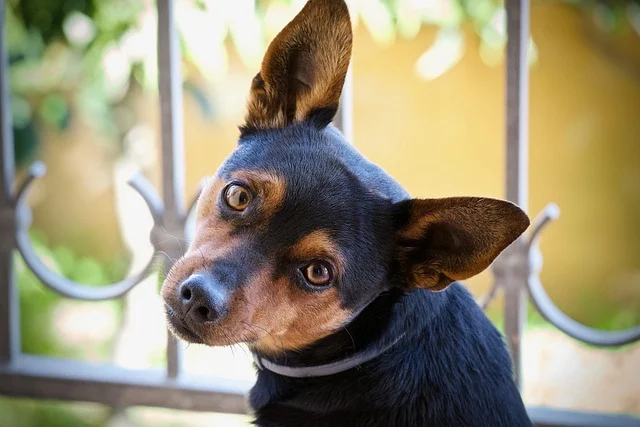
Several factors can lead to this irritation. Common culprits include environmental allergens like pollen, dust mites, or mold, which can cause inflammation in the respiratory tract. Inhaled irritants such as smoke, strong perfumes, cleaning products, or even sudden changes in temperature can also trigger an episode. Excitement or pulling on the lead, which puts pressure on the throat, are also known triggers. For some dogs, particularly those with brachycephalic (short-nosed) breeds, their unique anatomy can predispose them to reverse sneezing due to elongated soft palates or narrow nostrils.
How to Tell if It’s Reverse Sneezing or Choking
Distinguishing between dog reverse sneezing sounds like choking and actual choking is important for your dog’s safety. While both can be frightening, there are key differences. During a reverse sneeze, your dog actively tries to inhale, creating a snorting or honking sound. Their chest will move inwards with each gasp. They are usually still conscious and aware of their surroundings, even if they appear distressed. The episode typically lasts for a few seconds to a minute. Then your dog returns to normal as if nothing happened.
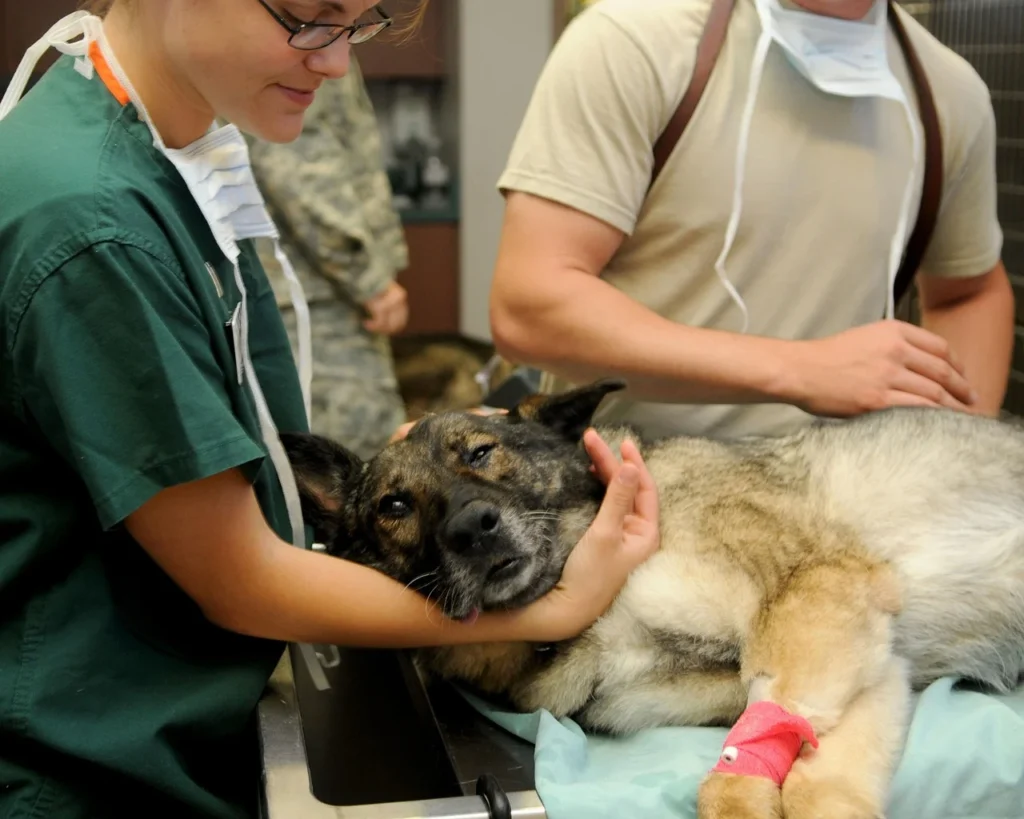
True choking, on the other hand, means your dog cannot get air in or out effectively. They might paw at their mouth, cough silently, have blue-tinged gums or tongue, or collapse. They will struggle to breathe in any direction, not just inwards. If your dog is genuinely choking, this is a life-threatening emergency. It requires immediate action. If you’re ever unsure, we always advise erring on the side of caution. Seek veterinary attention straight away, especially if the episode is prolonged or your dog shows other signs of distress.
What to Do When Your Dog Is Reverse Sneezing
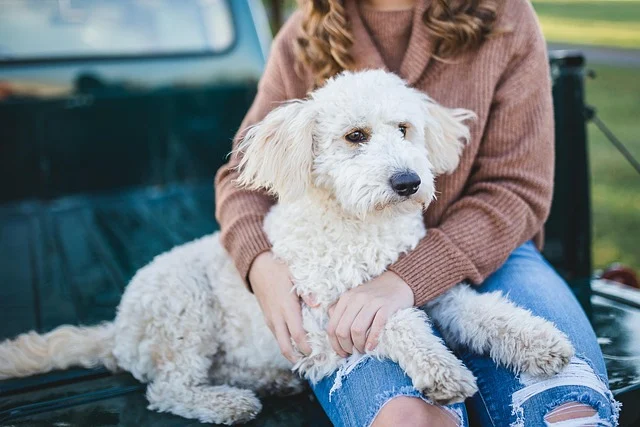
While most reverse sneezing episodes resolve on their own, there are a few things you can do to help your dog if they’re experiencing one. The goal is to interrupt the spasm gently. Here’s what we recommend:
-
- Stay Calm: Your dog can pick up on your anxiety. A calm demeanour helps keep them from becoming more agitated.
- Gently Massage Their Throat: Lightly stroking or massaging their throat can sometimes help to relax the muscles. It can stop the spasm.
- Cover Their Nostrils Briefly: For a second or two, you can gently cover their nostrils. This encourages them to swallow, which can help clear the irritant or reset the reflex. Do not do this for long, and ensure they can breathe immediately afterwards.
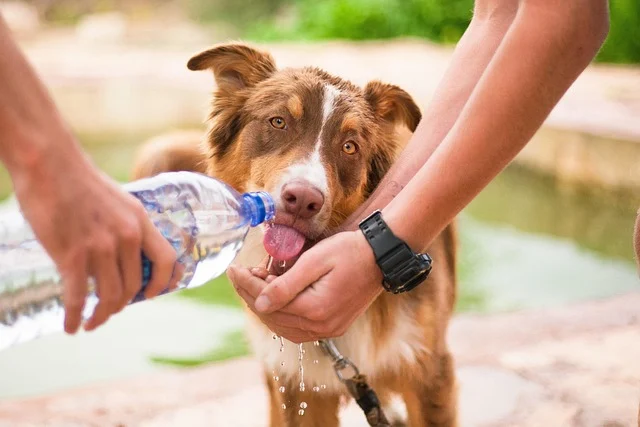
- Offer a Treat or Water: Swallowing can often stop a reverse sneeze. Offering a small treat or a sip of water might encourage them to swallow and clear their throat.
- Walk Them into Fresh Air: If an irritant indoors triggered the episode, you might help them by moving them to a different room or outside to fresh air.
Remember, these are gentle interventions. Avoid anything that might cause further distress or injury. Most importantly, do not try to pull their tongue or forcefully open their mouth, as this could cause harm.
When to Be Concerned About Reverse Sneezing
While often harmless, there are specific situations where dog reverse sneezing sounds warrant a visit to the vet. If your dog’s reverse sneezing episodes become more frequent, last longer than a minute or two, or are accompanied by other symptoms, it’s time for a professional check-up. These accompanying symptoms might include nasal discharge (especially if it’s bloody or discoloured), coughing, wheezing, lethargy, loss of appetite, or any changes in their normal breathing patterns.
Persistent reverse sneezing could indicate an underlying issue. This includes allergies, an upper respiratory infection, nasal mites, or a foreign object lodged in the nasal passages. It could also indicate more serious conditions like polyps or tumors. Brachycephalic breeds, with their unique airway structures, might experience reverse sneezing more often. However, even for them, you should investigate a sudden increase in frequency or severity. We always advise documenting when these episodes occur and any other symptoms you observe. This will give your vet the most comprehensive picture.
Which Dogs Are More Prone to Reverse Sneezing?
While any dog can experience reverse sneezing, some breeds are more predisposed due to their anatomy. Brachycephalic, or short-nosed, breeds are particularly susceptible. These include Pugs, Bulldogs, Boxers, Shih Tzus, and French Bulldogs. Their flattened faces often come with elongated soft palates and narrowed nostrils. These can easily become irritated or vibrate during inhalation. They trigger a reverse sneeze.
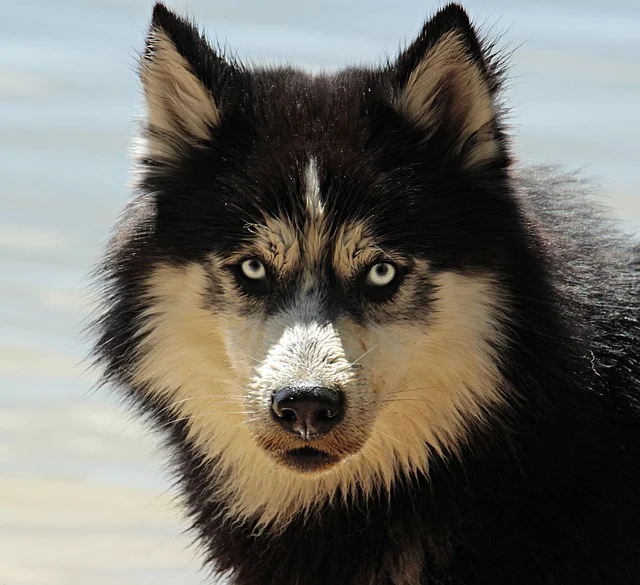
Small dog breeds, regardless of snout length, also seem to experience reverse sneezing more frequently. Breeds like Chihuahuas, Yorkshire Terriers, and Miniature Poodles often have smaller airways. These airways are more sensitive to irritants. Their smaller size also means they are closer to the ground. They may inhale more dust, pollen, or other irritants during walks. Age can also play a role. Some dogs develop more frequent episodes as they get older. This is possibly due to changes in tissue elasticity or increased sensitivity to allergens.
Preventing Reverse Sneezing Episodes
While you might not be able to eliminate reverse sneezing entirely, there are several steps you can take to reduce the frequency and severity of episodes for your dog. Prevention often focuses on identifying and minimizing exposure to potential triggers:
-
-
- Identify and Avoid Allergens: If you suspect allergies, try to pinpoint what triggers your dog. This might involve using air purifiers, vacuuming regularly with a HEPA filter, washing bedding frequently, and avoiding strong chemical cleaners or air fresheners.
- Manage Excitement: For dogs triggered by excitement, try to keep greetings calm. If they reverse sneeze during walks, consider a harness instead of a collar to reduce pressure on their throat.
- Maintain a Clean Environment: Regular dusting and cleaning can reduce airborne irritants like dust and dander in your home.
- Humidify Dry Air: In drier climates or during winter months with indoor heating, humidifiers can help keep nasal passages moist and less prone to irritation.
- Consult Your Vet About Allergies: If environmental changes don’t help, your vet might suggest allergy testing or medication to manage underlying allergic reactions.
-
By taking these preventative measures, you can often make a significant difference in your dog’s comfort and reduce the occurrence of these startling episodes.
Sources: Reverse sneezing
Frequently asked questions
Is a dog reverse sneeze sound normal?
Yes, a dog reverse sneeze sound is generally considered normal and harmless. It’s an involuntary reflex. An irritation in the nasal passages or throat usually triggers it. It typically resolves on its own within seconds to a minute.
Can a dog be given anything for reverse sneezing?
For occasional, harmless reverse sneezing, you usually need no specific medication. If allergies or other underlying conditions cause frequent or severe episodes, your vet might prescribe antihistamines or other treatments.
How long does a dog reverse sneezing episode last?
A typical dog reverse sneezing episode is quite brief, usually lasting anywhere from a few seconds to about a minute. If an episode persists for several minutes or occurs very frequently, it’s advisable to consult your vet.