This article covers the main styles of dog drying coats including robes and bags, key features to look for such as material absorbency and sizing, when to use them, and proper care guidelines to ensure longevity.
Why the best dog drying coat UK options are essential
For any dog owner in the UK, the best dog drying coat is more than just a luxury. It’s an essential piece of kit. Whether your companion loves a splash in a muddy puddle, a dip in the sea, or simply gets caught in a sudden downpour, a good drying coat can make a significant difference to their comfort and your home’s cleanliness. It works by wicking moisture away from their fur. It then traps it within the coat’s fibres, and speeds up the natural drying process.
The best dog drying coat in the UK not only helps prevent that ‘wet dog’ smell from permeating your house or car but also protects your dog from getting chilled, especially important for breeds with short coats or older dogs. It’s about combining practicality with care, ensuring your dog stays healthy and happy, no matter the weather.
Understanding the Different Types: Coats, Robes, and Bags
When you’re looking for the best dog drying coat in the UK, you’ll primarily encounter three main styles: coats, robes, and bags. Each offers distinct advantages and suits different situations or dog temperaments.
Dog Drying Robe UK: The Most Common Choice
The term ‘drying coat’ and ‘drying robe’ are often used interchangeably. They refer to a garment that wraps around your dog’s body. It typically secures with Velcro or buckles around the belly and neck. These are the best dog drying coat options in the UK for ease of use and effective coverage. Most designs include a collar that you can pull up to dry the neck and ears. Some even have leg straps for a more secure fit, though these can sometimes restrict movement for very active dogs.
The robe style is excellent for post-walk or post-bath drying. It allows your dog to move freely while the coat does its work. It’s less intrusive than a full bag. Most dogs generally tolerate it very well.
Dog Drying Bag UK: For Maximum Containment and Drying
A dog drying bag, sometimes called a ‘drying sack’, is a more encompassing option. Your dog steps into the bag. It then zips up around them, often leaving only their head exposed. These bags are particularly effective for very wet or muddy dogs. They contain all the moisture and dirt within the bag itself, preventing it from spreading to your car or home. They also dry highly efficiently. The enclosed space creates a warmer environment, speeding up evaporation.
We recommend a drying bag for dogs who are particularly prone to rolling in mud, enjoy swimming, or for use in the boot of a car after an adventurous outing. Some dogs might initially be wary of the enclosed feeling. You should introduce it gradually with positive reinforcement.
Specialised Drying Mitts and Towels
While not a ‘coat’ in the traditional sense, dedicated drying mitts and highly absorbent towels are often used. You can use them in conjunction with or as an alternative to drying coats, especially for specific areas. Mitts allow you to get a good grip and thoroughly dry paws and legs. These can often be the muddiest parts. Super-absorbent towels, often made from microfibre, are useful for an initial rub-down before you put on a coat or for dogs who only need a quick dry.
Key Features to Look for in the Best Dog Drying Coat
To truly find the best dog drying coat in the UK, you need to consider several key features. These features impact its effectiveness, comfort, and durability. People should think about how and where they will use the coat most often.
Material Matters: Absorbency and Quick-Drying Properties
The material is arguably the most important aspect of a drying coat. Most high-quality drying coats are made from microfibre, bamboo, or a blend of cotton and synthetic fibres. Each has its benefits:
- Microfiber: Known for its exceptional absorbency and quick-drying capabilities. It’s lightweight and often feels soft against the dog’s fur. Microfibre coats are very efficient at wicking away moisture.
- Bamboo: A more natural, sustainable option. Bamboo fibres are naturally absorbent, breathable, and have antibacterial properties, which can help reduce odours. They tend to be very soft.
- Cotton Blends: Often thicker and very absorbent, offering good warmth. However, they can take longer to dry themselves compared to microfibre.
Look for materials that are specifically designed for high absorbency. A coat that feels plush and thick generally indicates good absorption capacity.
Achieving the Perfect Fit: Sizing and Adjustability
Next, a drying coat needs to fit well to be effective and comfortable. A coat that’s too loose won’t make proper contact with the fur to wick away moisture, and one that’s too tight will be uncomfortable or restrict movement.
- Measure your dog: The most important measurement is usually the back length, from the base of the neck to the base of the tail. Many brands also require chest girth and neck circumference. Always check the specific brand’s sizing chart, as sizes can vary significantly.
- Adjustability: Look for features like adjustable neck openings, belly straps, and sometimes even leg loops. Velcro fastenings are common and offer good flexibility in fit. Coats with wide, strong Velcro strips that won’t come undone easily are preferred.
If your dog is between sizes, we generally advise going for the larger size to ensure comfort, especially if they have a deep chest or thick fur, but always double-check the brand’s recommendations.
Design and Practicality: Fastenings, Collars, and Leg Coverage
Beyond material and fit, the design elements contribute to the overall practicality:
- Fastenings: Velcro is common and easy to use. Buckles or clips offer a more secure fastening, which can be better for very active dogs or those who tend to try and wriggle out of things.
- Collar type: Many coats have a high collar. You can pull it up to dry the neck and ears. Some even feature a hood. This can be great for dogs with long, floppy ears.
- Leg coverage: Some drying robes include integrated leg sections or loops to help dry the legs and paws. While effective, these can sometimes make the coat harder to put on and take off, and might not suit all dogs.
- Hanging loop: A small but useful feature for drying the coat itself after use.
When to Use a Dog Drying Coat
Knowing when to use a drying coat helps maximise its benefits and prolong its life. It’s not just for after a swim; there are many situations where it proves invaluable.
After a Walk in the Rain or Mud
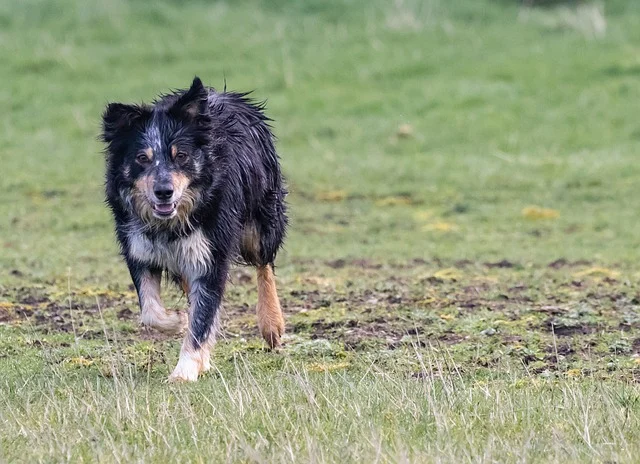
This is perhaps the most common scenario for UK dog owners. After a soggy walk, the best dog drying coat in the UK instantly starts absorbing moisture and containing mud. It prevents it from being shaken all over your car or home. It also helps your dog warm up faster if they’ve been out in cold, wet conditions. Keeping one ready by the door during autumn and winter months is always useful.
Post-Swim Drying
For dogs who love to swim, whether in the sea, a lake, or a hydrotherapy pool, a drying coat is indispensable. It quickly removes large amounts of water. This helps prevent skin irritations caused by prolonged dampness. It also reduces the risk of your dog getting a chill, especially after cold water dips. The highly absorbent materials really shine here.
After a Bath at Home
Bathing your dog at home often results in a very wet dog and an even wetter bathroom. A drying coat can significantly cut down on towel-drying time and reduce the amount of water flung around during the post-bath shakes. It allows you to get on with other tasks while your dog dries off comfortably.
In the Car or Crate
Using a drying coat in the car or a crate after a wet outing keeps your vehicle cleaner and your dog comfortable. The best dog drying coat in the UK acts as a barrier. It absorbs water and dirt, protecting upholstery, and keeping your dog warm during the journey home. For long car rides, it’s particularly useful.
Caring for Your Dog Drying Coat
To ensure your drying coat remains effective and hygienic, proper care is essential. We always recommend following the manufacturer’s washing instructions, as materials can vary.
Washing and Drying Guidelines
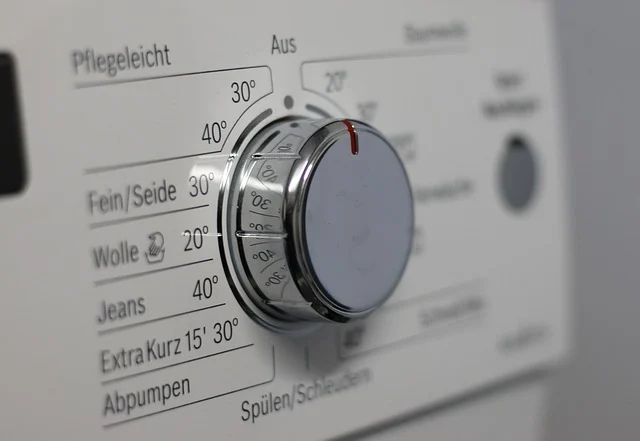
You can machine wash the best dog drying coat in the UK at a low temperature, typically 30°C or 40°C. It’s usually best to avoid fabric softeners, as these can reduce the absorbency of the material over time. Air drying is often recommended over tumble drying, especially for microfibre. This maintains the integrity of the fibres and prevents shrinking or damage to fastenings. Ensure the coat is completely dry before storing it to prevent mildew and odours.
Longevity and Maintenance
Regular washing will help remove trapped dirt, dog hair, and odours, keeping the coat fresh and effective. Check fastenings periodically for wear and tear, especially Velcro, which can lose its grip over time if not kept clean. By taking good care of your best dog drying coat in the UK, it will last longer and continue to serve its purpose effectively for many seasons of wet weather.
Choosing Between a Drying Coat and a Drying Bag: Who is it For?
Deciding between a drying coat and a drying bag often comes down to your dog’s specific needs, your lifestyle, and the type of mess you’re dealing with. It comes down to containment versus freedom.
Drying Coat Suitability
We generally recommend a drying coat for:
- Dogs who need to move freely while drying, such as walking around the house.
- Those who are only moderately wet or muddy, perhaps after a rainy walk rather than a full swim.
- Dogs who might be anxious about enclosed spaces.
- Owners who prefer a simpler, quicker garment to put on and take off.
Drying Bag Suitability
A drying bag is often the better choice for:
- Very muddy or extremely wet dogs, such as those who’ve been swimming in murky water or rolled in significant mud.
- Use in the car boot or a dedicated utility area where maximum containment of dirt and water is important.
- Dogs who are comfortable with being enclosed for a period, or can be trained to accept it positively.
- Owners who prioritise minimal mess and highly efficient drying.
Ultimately, some owners find having both can be beneficial – a bag for the car after a swim, and a coat for general dampness around the house.
Frequently asked questions
How do dog drying coats work?
Dog drying coats work by using highly absorbent materials, typically microfibre or bamboo, that draw moisture away from your dog’s fur through capillary action. The fabric traps the water, speeding up drying and preventing the spread of wetness and dirt.
Are dog drying coats worth it?
Yes, dog drying coats are definitely worth it for many UK dog owners. They save time and effort in drying your dog, reduce the amount of wet fur and mud around your home and car, and help keep your dog warm and comfortable after being wet.
Can a dog wear a drying coat overnight?
We would not recommend leaving a dog drying coat on overnight. While they are designed to absorb moisture, leaving a damp coat on for an extended period could potentially lead to skin irritation or matting of the fur, especially if the dog is still considerably wet.
How do I choose the right size drying coat for my dog?
To choose the right size, measure your dog’s back length from the base of their neck to the base of their tail. Then, consult the specific brand’s sizing chart for the best dog drying coat UK, as measurements can vary. Also consider their chest girth and neck circumference for a comfortable fit.