
A Rewarding Responsibility: Understanding Turtle Care
Learning how to take care of a turtle is a deeply rewarding endeavor, offering a unique connection with fascinating ancient creatures. However, it’s a commitment that requires diligent research and understanding of their specific needs, which vary significantly by species. Unlike the common perception of a low-maintenance pet, turtles demand precise environmental conditions, a balanced diet, and attentive health monitoring to truly thrive for their considerable lifespans. Most new turtle owners underestimate the complexity involved, often leading to health issues and a reduced quality of life for their pets. This guide aims to demystify turtle husbandry, providing actionable advice for both aquatic and terrestrial species, ensuring you can offer your shelled companion the best possible environment and care.
- Creating the correct habitat with precise temperature gradients, adequate space, and appropriate substrate is paramount for turtle well-being.
- A balanced diet, tailored to the species, must include a variety of proteins, vegetables, and calcium supplements, avoiding overfeeding.
- Proper UVB lighting and heat sources are non-negotiable for shell health, calcium metabolism, and overall activity levels.
- Regular tank maintenance and health checks are crucial for preventing common diseases and ensuring a long, healthy life for your turtle.
Selecting the Right Turtle Companion
The first step in proper turtle care is choosing the right species for your lifestyle and environment. Many popular pet turtles, such as Red-Eared Sliders and Painted Turtles, are aquatic and require large, specialised tanks. Others, like Box Turtles, are terrestrial and need different enclosure setups. It’s vital to research the specific needs of any species you are considering, including their adult size, dietary habits, temperature requirements, and temperament. For instance, an adult Red-Eared Slider can grow up to 12 inches in shell length, necessitating a tank of at least 75 gallons. Conversely, a common Box Turtle needs a spacious outdoor enclosure, or a large indoor terrarium with deep substrate for burrowing. Purchasing from a reputable breeder or rescue organisation is always recommended to ensure the turtle is healthy and legally obtained. Avoid impulse buys, as many turtles sold in pet shops are already suffering from inadequate care.

Aquatic Turtle Habitat: More Than Just Water
Setting up an appropriate habitat is the cornerstone of aquatic turtle care. The tank size must be significantly larger than commonly recommended. A general rule of thumb is 10 gallons of water per inch of shell length for adult turtles, but more is always better to allow for swimming space and to dilute waste. The water itself requires careful management. A powerful external filter, rated for a much larger tank than you have, is essential to maintain water quality. Turtle waste is highly concentrated, and poor water conditions are a leading cause of shell rot and other infections. Regular water changes, typically 25-50% weekly, are also vital. The water temperature should be maintained between 75-80°F (24-27°C) for most common species, using a submersible aquarium heater with a guard to prevent burns.
The Basking Zone: A Turtle’s Sunning Sanctuary
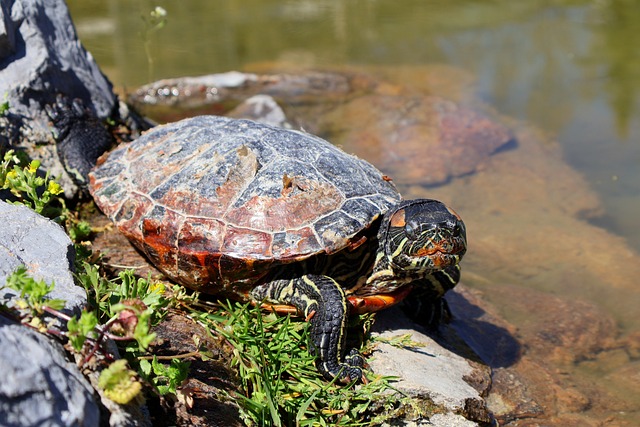
Crucially, aquatic turtles need a dry basking area where they can completely emerge from the water to dry off and regulate their body temperature. This basking spot should be easily accessible and large enough for the turtle to fit entirely. It must be heated by a basking lamp to a temperature of 85-95°F (29-35°C) directly on the basking surface. This gradient is vital for their digestion and immune system function. Beyond heat, the basking area is where UVB lighting is essential. Turtles require UVB rays to synthesize Vitamin D3, which is critical for calcium absorption and preventing metabolic bone disease (MBD). A dedicated UVB bulb, such as a mercury vapor bulb or a fluorescent tube specifically designed for reptiles, should be positioned over the basking area. These bulbs need replacing every 6–12 months, as their UVB output degrades over time, even if they still emit visible light. Without adequate UVB, a turtle’s shell will soften and deform, and its bones will weaken.
Terrestrial Turtle Enclosures: Space to Explore
For land-dwelling turtles, such as Box Turtles or tortoises, the enclosure needs are different but equally critical. A spacious terrarium, or ideally an outdoor enclosure in suitable climates, is necessary. For indoor setups, a minimum of a 4×2 foot enclosure is recommended for a single adult, with larger being preferable. The substrate should be deep and able to hold some moisture without becoming waterlogged; a mix of organic topsoil, coco coir, and sphagnum moss works well. How to take care of a turtle allows for natural burrowing behaviour, which is essential for their comfort and thermoregulation. Terrestrial turtles also require a temperature gradient within their enclosure, with a warm basking spot (around 85-90°F or 29-32°C) and cooler areas (around 70-75°F or 21-24°C). Similar to aquatic species, UVB lighting is indispensable for their health, promoting calcium absorption and preventing MBD. Humidity levels must also be monitored and maintained according to the specific species’ needs, which can range from arid to tropical.
Feeding Your Turtle: A Balanced Diet is Key
Diet is another critical aspect of turtle care. Most common pet turtles are omnivores, but their dietary needs change as they mature. Young turtles typically require more protein for growth, while adults consume a higher proportion of plant matter. For aquatic turtles, a high-quality commercial turtle pellet should form the base of their diet, supplemented with leafy greens like romaine lettuce, dandelion greens, and kale. Occasional treats can include earthworms, crickets, or small amounts of fish (avoiding those high in thiaminase like goldfish). Overfeeding is a common mistake and can lead to obesity, liver disease, and pyramiding (abnormal shell growth). Feed juveniles daily, offering only what they can consume in 5–10 minutes, and reduce feeding to every other day or even three times a week for adults. Terrestrial turtles, particularly Box Turtles, often benefit from a diet rich in insects, earthworms, slugs, and a variety of vegetables. Fruits can be offered sparingly as treats due to their high sugar content. Providing a cuttlebone in the enclosure offers a readily available source of calcium, which is vital for shell development and overall health. Ensure fresh water is always available in a shallow dish that can be easily cleaned.

Keeping an Eye on Health: Common Turtle Ailments
Regular observation is your best defense against turtle health problems. Look for changes in appetite, activity level, basking habits, and the appearance of the shell, eyes, and skin. Swollen or closed eyes can indicate Vitamin A deficiency, a common issue related to poor diet and inadequate husbandry. She’ll rot, a serious bacterial infection, often appears as soft, discoloured, or foul-smelling patches on the shell. It’s usually a consequence of poor water quality or an injury. Respiratory infections can manifest as bubbles from the nose or mouth, wheezing, or gaping. These often occur in turtles kept in too-cool or too-humid environments. Prompt veterinary care from a reptile-specialist veterinarian is crucial for any signs of illness. According to the Merck Veterinary Manual, many common turtle diseases stem from husbandry errors, highlighting the importance of correct environmental parameters. Regularly check your turtle’s shell for signs of pyramiding, which is abnormal growth where scutes become raised. This is often linked to a diet too high in protein and insufficient UVB. It’s irreversible but can be managed with dietary adjustments and improved husbandry.
Common Mistakes New Turtle Owners Make
Several common errors can severely impact a turtle’s health and longevity. One of the most frequent is providing an aquarium that’s too small. Turtles need ample swimming space, and a cramped tank leads to stress, poor water quality, and stunted growth. Another mistake is inadequate lighting and heating. Without the correct temperatures and UVB exposure, turtles can’t digest food properly, absorb calcium, or maintain a healthy immune system. Underestimating water filtration and maintenance for aquatic species is also a major pitfall. Turtle waste is highly toxic, and a filter designed for fish is often insufficient. Finally, feeding an unbalanced diet, often too much protein or insufficient calcium and Vitamin D3, leads to severe metabolic bone disease and other health issues. Understanding that turtles are not low-maintenance pets is the first step to avoiding these common but dangerous mistakes.
Enrichment and Understanding Turtle Behaviour
While turtles may not display the complex social behaviours of mammals, they still benefit from environmental enrichment. For aquatic turtles, this can include adding smooth rocks, driftwood, or floating plants (ensure they are non-toxic and safe for consumption if eaten) to their tank to provide hiding places and encourage exploration. For terrestrial turtles, varying the terrain with different safe substrates, providing shallow water dishes for soaking, and offering opportunities for foraging can make their environment more stimulating. Observe your turtle’s naturabehaviorsrs. Are they basking regularly? Are they eating with enthusiasm? Are they swimming or exploring their enclosure? Understanding these baseline behaviours will help you identify any deviations that might signal stress or illness. For example, constant gaping in an aquatic turtle might indicate a respiratory issue, while excessive hiding could suggest the enclosure is too cool or they feel insecure.
When to Seek Professional Help: Turtle Veterinary Care
Finding a veterinarian experienced with reptiles is crucial for turtle owners. Not all vets are equipped to handle exotic pets, and a specialist can diagnose and treat species-specific ailments effectively. Schedule an initial check-up when you first acquire your turtle to establish a baseline of health. Follow-up visits should occur annually or if you notice any concerning symptoms. Reputable organisations like the Association of Reptile and Amphibian Veterinarians can help you locate a qualified vet in your area. Early detection of issues like shell rot, respiratory infections, or metabolic bone disease, often linked to husbandry, can significantly improve the prognosis and reduce long-term suffering for your pet.
Frequently Asked Questions About Turtle Care
Can I keep a turtle in a small fish tank?
No, most pet turtles require significantly larger tanks than small fish tanks. A general guideline is 10 gallons of water per inch of shell length for aquatic species, with ample space for basking. Overcrowding leads to stress and health problems.
How often should I feed my turtle?
Young turtles generally need to be fed daily, while adult turtles can be fed every other day or even three times a week, depending on the species and their metabolism. Offer only what they can consume in about 5–10 minutes to avoid overfeeding.
Do turtles need special lights?
Yes, turtles require both heat and UVB lighting. A basking lamp provides heat for a dry area, and a UVB bulb is essential for calcium absorption and shell health. These must be replaced regularly as their effectiveness diminishes.
What kind of water should I use for my aquatic turtle?
Tap water is generally acceptable for aquatic turtles, but it should be treated with a chlorinator to remove chlorine and chloramines, which are harmful to reptiles. Ensure the water is filtered constantly and changed regularly.
Can turtles be handled frequently?
Turtles are not typically pets that enjoy frequent handling. Excessive handling can cause them stress. Always wash your hands thoroughly before and after handling a turtle or its habitat to prevent the spread of salmonella.
How long do pet turtles live?
Pet turtles have long lifespans. Depending on the species, they can live anywhere from 20 to over 50 years in captivity with proper care, making them a significant long-term commitment. Information current as of July 2026; pricing and product details may change.
Related Articles
- When Do Puppies Open Their Eyes? A Guide to Puppy Vision
- Brahma Chickens: The Gentle Giants for Your Flock in 2026
- Rottie Cross Pitbull: Understanding the Rottweiler-Pitbull Mix