Understanding their unique coat types and grooming needs is key to managing any shedding they do experience.
Why Does My Cockapoo Malt? Understanding Coat Genetics
Your Cockapoo’s genetic inheritance from the Poodle and Cocker Spaniel deeply roots the reason they malt, and how much. Poodles are known for their continuously growing, curly coats that shed minimally. Loose hairs typically get caught within the curls rather than falling out. Cocker Spaniels, on the other hand, have a double coat that sheds more noticeably, especially seasonally.
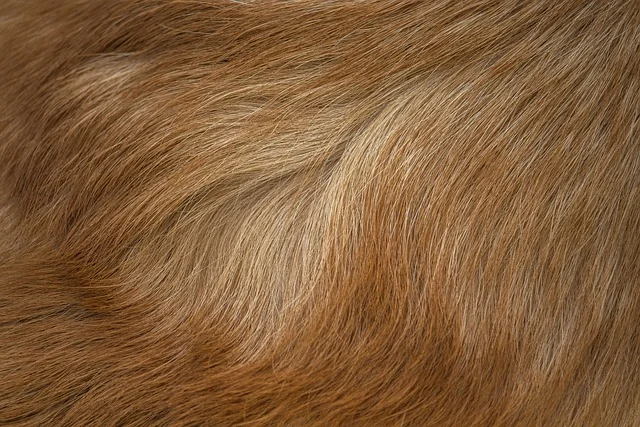
Cockapoo coat types and shedding
A Cockapoo’s coat can manifest in several ways:
- Curly Coat (Poodle-dominant): This is often the most desired coat type for those seeking minimal shedding. These coats are dense, curly, and feel like wool. They tend to hold onto loose hair, requiring regular brushing to remove it and prevent matting. This coat type is considered to be the closest you’ll get to a truly low-shedding Cockapoo.
- Wavy Coat (Mixed): This is a common and often appealing coat, combining characteristics of both parents. It can range from loose curls to a more shaggy, wavy texture. These coats will shed more than a curly coat but generally less than a straight coat. They still require consistent grooming to prevent tangles and mats.
- Straight Coat (Cocker Spaniel-dominant): This coat type is less common in Cockapoos bred for low shedding. However, it does occur. It’s softer, flatter, and more closely resembles a Cocker Spaniel’s coat. Dogs with a straight coat will typically shed the most among Cockapoos. You will notice their hair more around the house.
The specific generation of your Cockapoo also plays a role. An F1 Cockapoo is a direct cross between a purebred Poodle and a purebred Cocker Spaniel. It has a 50/50 genetic split. You can breed subsequent generations (F1b, F2, etc.) to favour more Poodle genetics. This potentially results in even lower shedding, but it’s never a guarantee.
Do F1 Cockapoos Malt?
Yes, F1 Cockapoos do malt, but the extent varies. An F1 Cockapoo is the first generation cross between a purebred Poodle and a purebred Cocker Spaniel.
Some F1 Cockapoos will inherit the Poodle’s low-shedding, curly coat. Others might lean more towards the Cocker Spaniel’s shedding tendencies, resulting in a wavier or straighter coat that sheds more. We advise anyone considering an F1 Cockapoo to be prepared for a range of shedding possibilities. This is less predictable than later generations specifically bred for hypoallergenic traits.
When Do Cockapoos Shed Their Puppy Coat?
Cockapoo puppies typically shed their soft ‘puppy coat’ as they transition to their adult fur. This usually happens between four and eight months of age. People can sometimes mistake this period for excessive malting. During this time, you might notice more loose hairs around the house or on your clothes than usual.
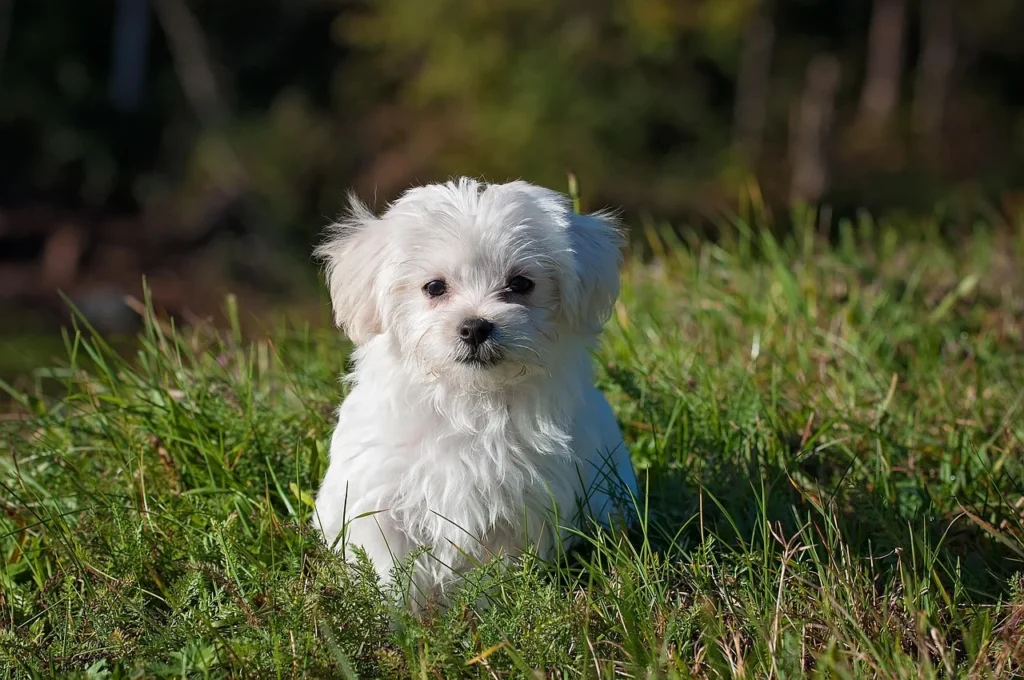
The puppy coat is often very soft and fine. The coarser, denser adult coat comes in, and this naturally pushes out the puppy fur. This transition is a normal part of their development. It doesn’t necessarily indicate that your adult Cockapoo will be a heavy shedder. Regular gentle brushing during this phase can help you manage the loose hair and prevent tangles.
Do Cockapoos Malt a Lot?
Generally, Cockapoos do not malt a lot compared to many other dog breeds, especially those with double coats. However, the perception of ‘a lot’ can be subjective, and it’s important to have realistic expectations.
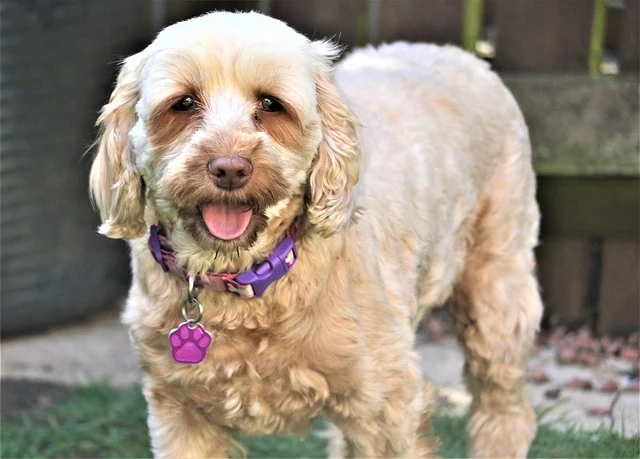
For Cockapoos with a curly, Poodle-like coat, shedding is typically minimal. Their dense curls tend to trap loose hairs. These hairs fall out only when you brush or groom them. This means you might find very little hair on your furniture or floors. However, you’ll certainly collect a good amount during brushing sessions.
Cockapoos with wavier or straighter coats will shed more noticeably. Hair might be found on clothes, furniture, and floors, particularly during seasonal changes in spring and autumn. Even with these coats, their shedding wouldn’t be classified as ‘heavy’ in the same way you’d describe a Labrador or a German Shepherd, but it’s certainly more apparent than with their curly-coated counterparts.
Practical Tips for Managing Cockapoo Shedding
Even though Cockapoos are considered low-shedding, effective grooming is still important for maintaining their coat health and minimising any malting. Ignoring their coat can lead to uncomfortable matting, regardless of how much they shed.
Regular Brushing is Key
This is the most important step in managing your Cockapoo’s coat. We recommend brushing your Cockapoo at least 3-4 times a week. Brush daily for those with very curly or long coats. This helps remove loose hair before it falls out onto your furniture. It also prevents mats from forming.
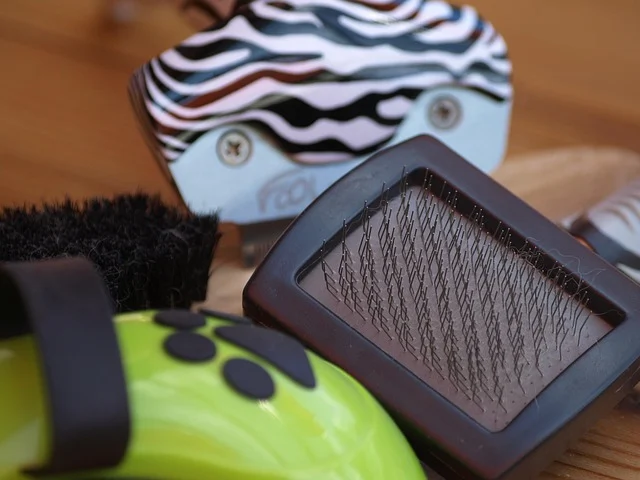
- Slicker Brush: Excellent for removing loose hair and preventing mats, especially on curly or wavy coats. Brush in sections, getting down to the skin.
- Metal Comb: Essential for checking for mats after brushing, particularly behind the ears, in the armpits, and on the legs. A wide-toothed comb is good for initial detangling, followed by a finer-toothed comb.
- Pin Brush: Useful for longer, wavier coats to gently detangle and remove debris.
The goal is to remove the hair that has already shed but is trapped in the coat. This prevents it from ending up on your floors. If you skip brushing, these trapped hairs will eventually form mats. These can be painful for your dog and difficult to remove.
Professional Grooming Schedule
Regular professional grooming every 6–8 weeks is vital for most Cockapoos, especially those with curly or wavy coats. A professional groomer can trim their coat to a manageable length, preventing matting and keeping them comfortable. They also have the tools and expertise to thoroughly de-shed and demat your dog.
Neglecting professional grooming is a common mistake that leads to severe matting. This often requires shaving the dog down. That can be stressful for both the dog and owner.
Bathing Routines
Bathing your Cockapoo every 3-4 weeks, or as needed, can help remove loose hair. It also keeps their coat clean and healthy. Always use a dog-specific shampoo and conditioner to avoid skin irritation. Ensure you thoroughly rinse out all products to prevent residue buildup.
After bathing, gently towel dry your dog. Then use a hairdryer on a cool setting while brushing to prevent mats from forming as the coat dries. Never let a Cockapoo’s curly coat air dry completely without brushing. This almost guarantees matting.
Nutrition and Supplements
A high-quality diet plays a significant role in coat health. Owners wondering do cockapoos malt look for dog foods rich in omega-3 and omega-6 fatty acids. These contribute to a healthy skin and coat, potentially reducing excessive shedding caused by poor coat condition. Some owners add a fish oil supplement to improve coat luster and reduce dry skin. This can sometimes exacerbate shedding.
When Does a Cockapoo Shed? Seasonal Considerations
While Cockapoos are not typically heavy seasonal shedders like many double-coated breeds, you might notice a slight increase in malting during spring and autumn. This is a natural process where their coat adjusts to the changing temperatures. They shed some of the denser winter coat or prepare for a thicker winter one.
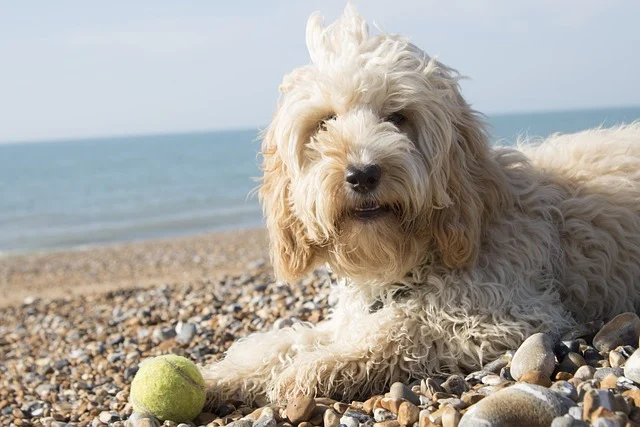
During these periods, we suggest increasing your brushing frequency to daily, even for dogs with generally low-shedding coats. This proactive approach will help manage any extra loose hair and keep their coat in top condition.
Who is a Cockapoo Not Suitable For (Regarding Shedding)?
Despite their reputation, a Cockapoo might not be the ideal choice for everyone, especially if you have very severe allergies or are unwilling to commit to regular grooming.
- Severe Allergy Sufferers: They produce dander, saliva, and urine, all of which can trigger allergies. A curly-coated Cockapoo might be a better fit than a heavily shedding breed, but they are not a guaranteed solution for severe allergy sufferers. We advise spending time with a specific Cockapoo to test for reactions before committing.
- Those Unwilling to Groom: If you’re looking for a dog that requires minimal grooming and you can leave to its own devices, a Cockapoo is not for you. Their coats, particularly the curly and wavy types, demand consistent brushing and professional trims to prevent painful matting. Neglecting grooming will not only lead to discomfort for your dog. It will also potentially lead to expensive vet visits to have mats removed.
For those who understand and commit to their grooming needs, a Cockapoo can be a wonderful, low-shedding companion.
Frequently asked questions
Why is my Cockapoo malting more than usual?
Increased malting in a Cockapoo can be due to several factors, including seasonal changes (spring/autumn), dietary deficiencies, stress, underlying health issues, or a natural shift from puppy to adult coat. If the shedding is sudden, excessive, or accompanied by skin irritation, we recommend consulting a vet.
Can Cockapoos malt hair if they have a Poodle-like coat?
Yes, even Cockapoos with a Poodle-like curly coat will shed hair. However, their curly texture tends to trap the loose hairs within the coat rather than letting them fall out onto surfaces. Regular brushing is essential to remove these trapped hairs and prevent matting.
What is the best way to clean Cockapoo hair from furniture?
For removing Cockapoo hair from furniture, a damp rubber glove or a lint roller can be highly effective. Specialised pet hair removal tools, often with rubber bristles, are also very good at gathering embedded hair from upholstery.