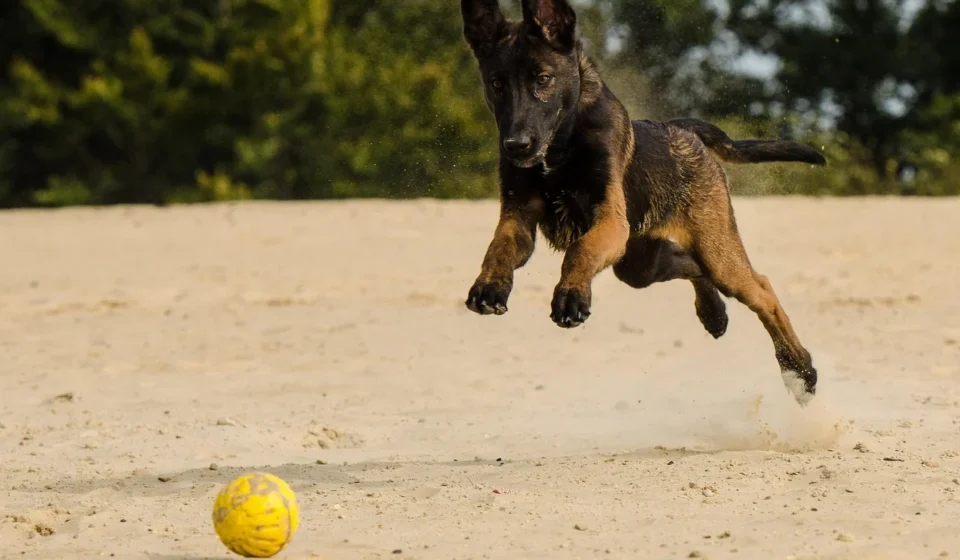
The Belgian Malinois is a medium-to-large herding dog weighing 40 to 80 pounds, bred originally in Belgium for intense livestock management and protection work. [malinoisclub.com] You get an exceptionally athletic, highly intelligent working partner with an unmatched drive to perform complex tasks.
What’s a Belgian Malinois?
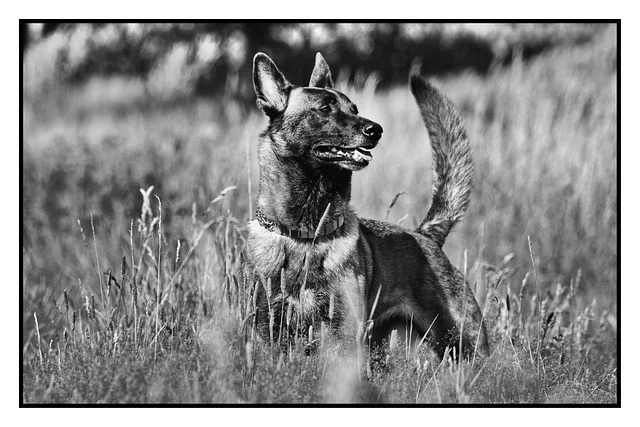
You find in the Belgian Malinois a purebred working dog characterized by a square build, high energy, and intense focus. Breeders developed the dog for endurance, agility, and absolute obedience in demanding field conditions. Unlike companion breeds that tolerate hours of inactivity, you manage a dog whose baseline mental state requires constant engagement.
How Belgian Malinois was created
Fanciers and professors at the Cureghem Veterinary School in Belgium gathered local herding dogs in the late 1800s. They sought to establish a standardized national breed. You trace the specific lineage of the Malinois to the region around the city of Mechelen. Local drovers and farmers favored short-coated, fawn-colored dogs for driving livestock. Breeders selected exclusively for working capability, intelligence, and stamina rather than aesthetic traits, which shaped the modern dog’s formidable drive.
What Belgian Shepherd varieties exist?
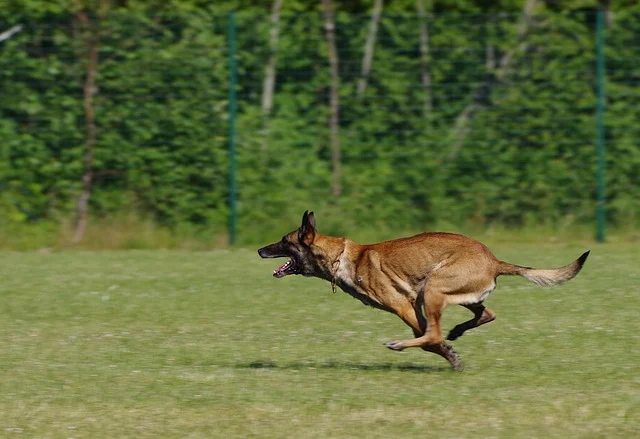
The Belgian Malinois is one of four distinct varieties of the Belgian Shepherd Dog, which also includes the long-haired black Groenendael, the rough-haired fawn Laekenois, and the long-haired fawn Tervueren, according to the Wikipedia entry on the Belgian Shepherd. While some kennel clubs view them as a single breed with different coat types, the American Kennel Club considers the four varieties to be separate breeds. Each variety shares a common herding ancestry in Western Europe but differs primarily in coat texture and colour.
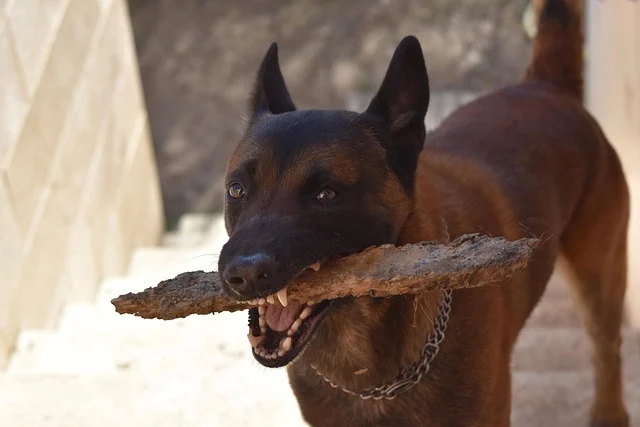
Why Belgian Malinois are the best dog for working roles
You choose a Belgian Malinois for professional roles. The breed outperforms almost every other canine in problem-solving speed, environmental stability, and physical resilience. Handlers in police, military, and search-and-rescue units rely on these dogs. Their prey and defense drives translate directly into tireless tracking, apprehension, and detection capabilities. Their intense desire to work for a human partner means something special. You harness a level of focus that casual pets simply do not possess.
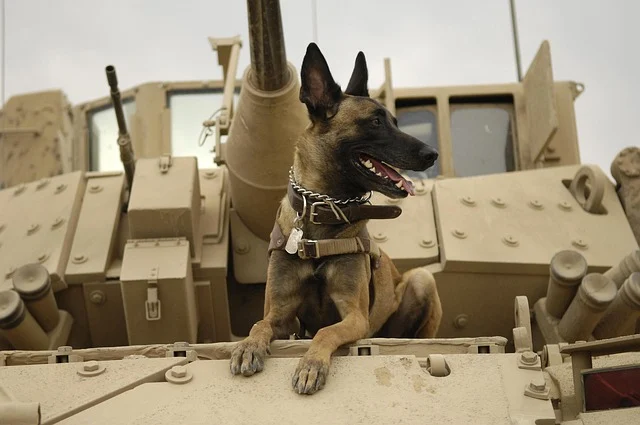
Why do Navy SEALs use Belgian Malinois?
Military forces and elite units like the Navy SEALs use Belgian Malinois because their exceptional speed, incredible agility, courage, and intense focus allow them to perform high-risk tactical operations in difficult environments. Their compact size relative to German Shepherds makes them easier to handle in close quarters and parachute into deployment zones. Also, their high drive to work means they stay focused under extreme stress.
Belgian Malinois price and puppy considerations
The cost of a Belgian Malinois puppy from a reputable breeder typically ranges from $1,000 to $3,500. Specialized working-line puppies can reach $4,000 to $8,000, and adopting an older dog from a rescue usually costs $300 to $600. Beyond the initial purchase price, owners must budget for long-term expenses. The estimated lifetime cost of owning a Belgian Malinois over a lifespan of 12 to 14 years ranges from $25,000 to $45,000. This covers high-quality food, veterinary care, and training equipment.
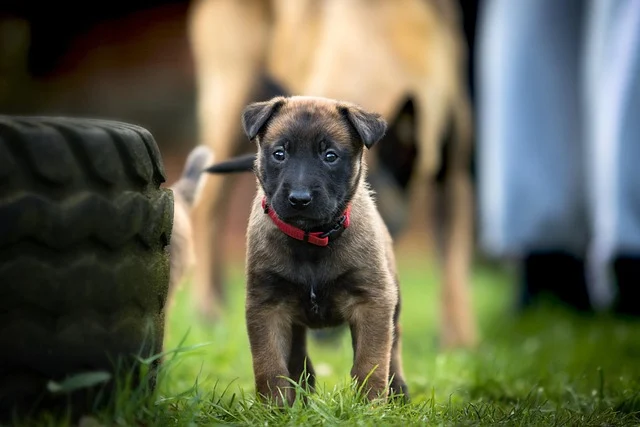
When you evaluate a puppy, you look for stable nerves and clear social engagement. Moderate play drive matters more than fear or over-reactivity. Breeders often produce variants or mixes, such as the Belgian Malinois German Shepherd mix. Buyers must verify health clearances for hip and elbow dysplasia regardless of pedigree.
Belgian Malinois vs German Shepherd
While people often mistake the Belgian Malinois for a smaller or slimmer version of the German Shepherd, the two breeds possess distinct physical and behavioral differences. You can review the core differences below to understand which dog matches your lifestyle.
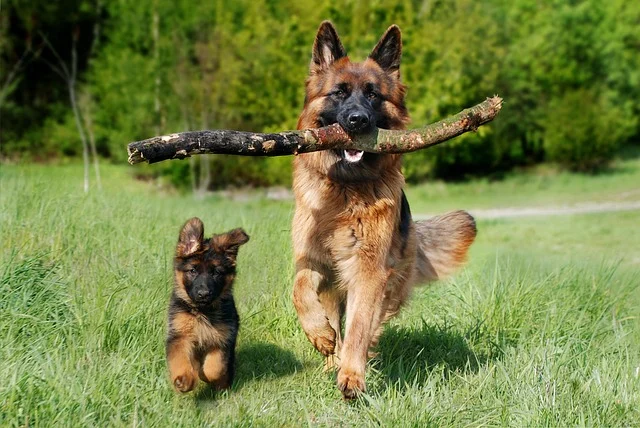
| Feature | Belgian Malinois | German Shepherd |
|---|---|---|
| Size (Males) | 22–26 inches, 45–65 pounds | 24–26 inches, 45–65 pounds |
| Build | Square, lighter, and faster | Slightly longer, heavier bone structure |
| Drive Level | Extremely high, reactive baseline | High, but generally calmer baseline |
| Primary Role | Military, police, and elite sports | Versatile guarding, herding, and family companion |
Choose the Belgian Malinois if you want an intense, high-drive working partner for advanced obedience or agility sports. Choose the German Shepherd if you need a slightly more adaptable family guardian with a lower baseline arousal level.
When do Belgian Malinois attack?
You witness a Belgian Malinois attack or show biting behavior when the dog experiences severe fear, improper socialization, or unmanaged territorial and protective drives. Because the breed possesses a powerful bite and a low threshold for action, you must provide rigorous obedience training and early socialization to prevent defensive biting. Untrained dogs placed in high-stress environments without an outlet for their intensity frequently misinterpret normal guest movements as threats.
When do Belgian Malinois stop growing?
A Belgian Malinois typically reaches its full physical height between 12 and 18 months of age. Muscle mass and mental maturity continue to develop until the dog is around two to three years old. Males generally stand 24 to 26 inches at the shoulder and weigh 60 to 80 pounds, whereas females stand 22 to 24 inches. [malinoisclub.com] You should manage their high-impact exercise carefully during their first year to protect their developing joints.
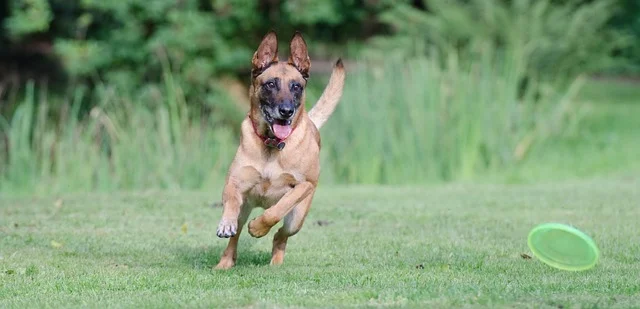
Is a Belgian Malinois a good house dog?
The Belgian Malinois is rarely a suitable pet for a standard, low-activity household because daily casual walks are entirely insufficient for their immense physical and mental needs. You must provide hours of rigorous exercise, obedience work, and problem-solving tasks every single day. If you do not channel their energy into productive jobs like tracking, agility, or advanced herding drills, you will likely face severe behavioral issues such as destructive chewing and compulsive herding of family members.
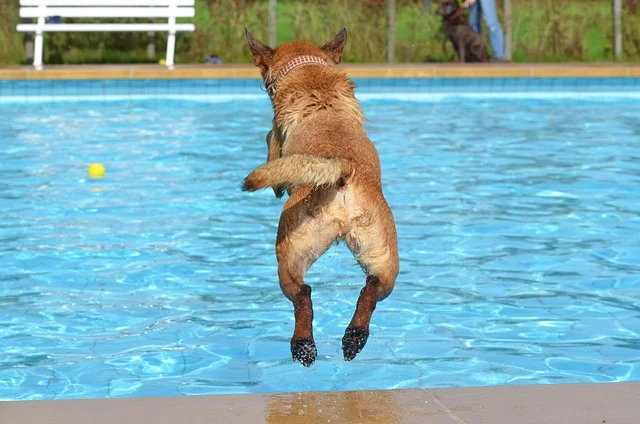
Common problems and practical fixes for owners
- Destructive chewing: Provide heavy-duty rubber chew toys and rotate them daily to maintain novelty.
- Leash reactivity: Train engagement commands in low-distraction areas before attempting walks near heavy traffic or other dogs.
- Herding children: Interrupt chasing behavior immediately and redirect the dog to a structured retrieve game.
Who this advice does not suit
You should skip this breed entirely if you work long hours away from home, live in a sedentary apartment setting without access to secure exercise areas, or prefer a low-maintenance pet that requires minimal training.
Frequently asked questions
Why do Belgian Malinois have a black mask?
The black mask and black-tipped hairs are defining genetic characteristics of the Malinois variety of the Belgian Shepherd. The breed standard requires a pronounced dark mask that extends to the ears.
Are Belgian Malinois aggressive?
A well-bred and properly socialized Belgian Malinois is alert and confident rather than inherently aggressive. Professional and police roles require immense self-control and stability.
How much exercise does a Belgian Malinois need?
This breed requires multiple hours of vigorous physical activity and mental stimulation daily. Running in a standard back garden is not enough to tire out their working mind.
What is the bite force of a Belgian Malinois?
The breed possesses significant jaw strength driven by working-line genetics. Exact pound-per-square-inch measurements vary widely by individual dog and testing method. You manage this power through strict obedience and structured bite-work training.
Sources