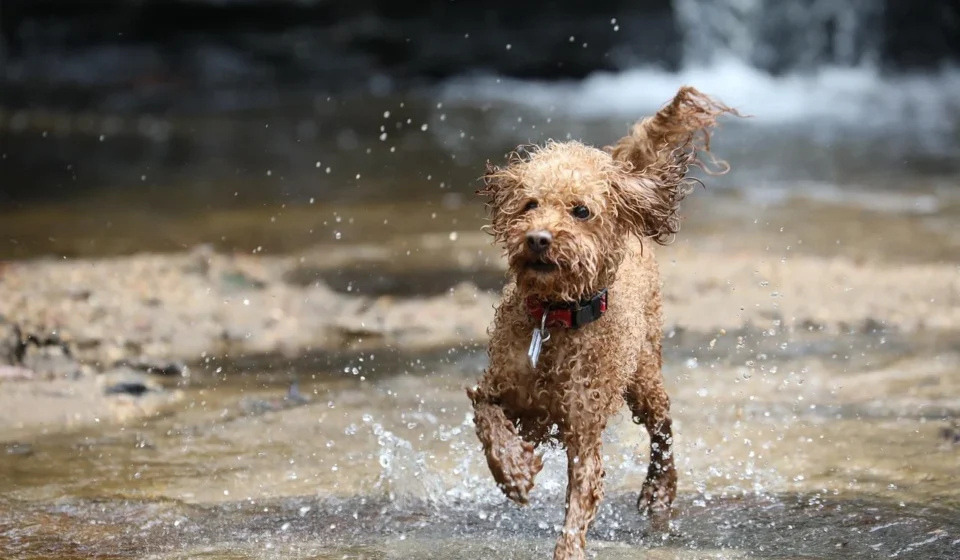
This guide covers essential details about the breed, including pricing, growth timelines, daily care requirements, and common drawbacks like grooming needs and separation anxiety.
Toy Poodle: Complete Guide to Prices, Growth, Care, and Cons
A Toy Poodle is the smallest of the three recognized Poodle varieties, characterized as an active, intelligent, and elegant-appearing dog with a square build. According to the American Kennel Club standard, a Toy Poodle must stand 10 inches or under at the highest point of the shoulders.
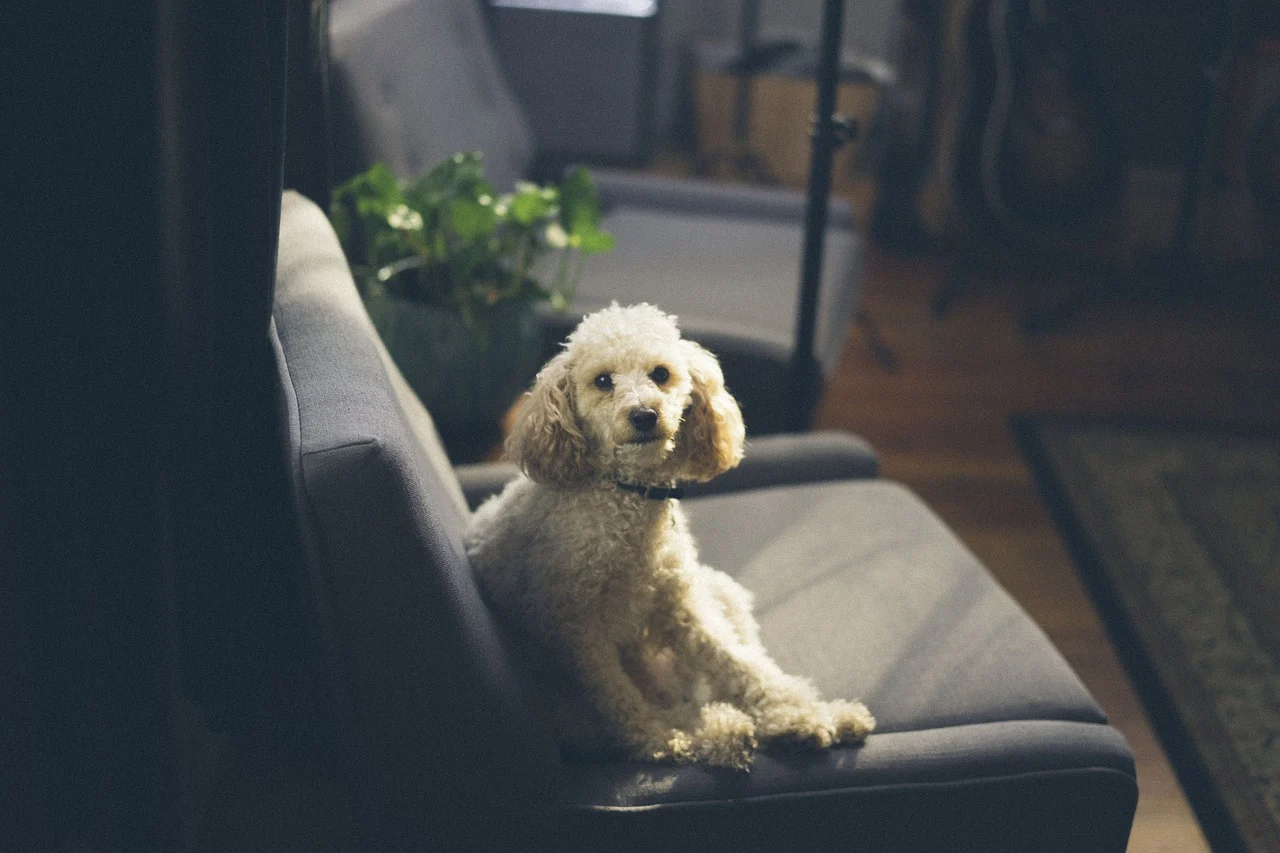
When you look into this breed, you quickly notice that they possess a unique combination of agility and miniature stature. Unlike larger working retrievers in the Poodle family, this smaller version was bred primarily for companionship and entertainment. Many owners appreciate their compact form. Remember that their diminutive size makes them physically delicate compared to standard or miniature variants.
You will find that their history involves circus performing and lapdog duties rather than water-fowl retrieving. This background shapes their eagerness to interact with people and master tricks quickly. If you want a dog that bonds intensely with household members, consider their traits. Staying alert to every movement around the house, this breed fits that profile.
How toy poodles were bred
Breeders created the Toy Poodle by selectively breeding down the larger Standard Poodle specifically for palace life and indoor companionship in royal European courts. You trace their lineage back through centuries where merchants and performers favored the smartest small dogs for traveling acts. Over generations, humans crossed the smallest specimens until they locked in the miniature stature and distinctive non-shedding coat. When you study their heritage, you see a working retriever spirit compressed into a miniature frame. This explains why they still love to retrieve tiny balls and solve complex puzzle toys today.
How much will a Toy Poodle cost?
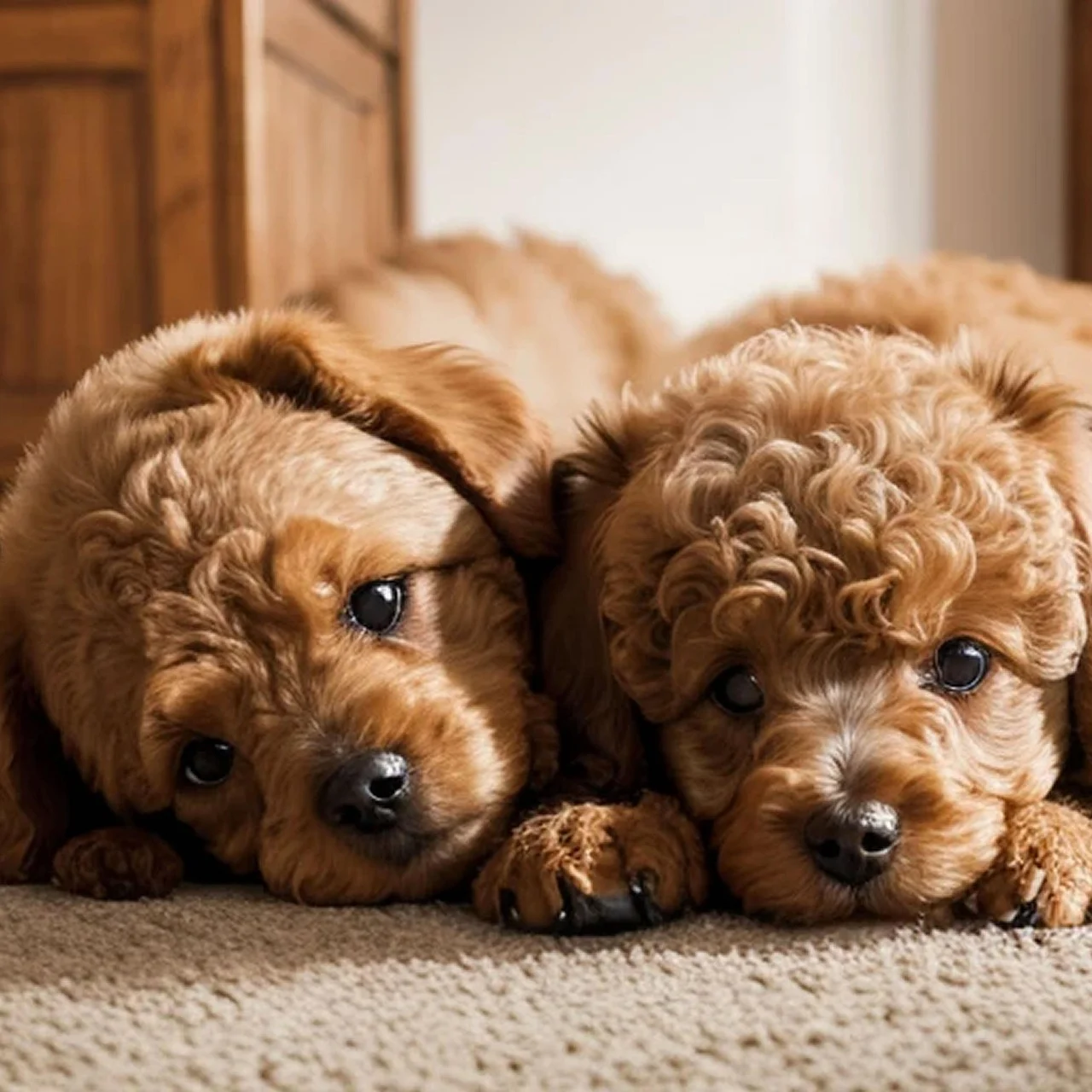
The average price for a Toy Poodle puppy from reputable breeders in the U.S. ranges from two thousand to five thousand dollars or more, while data from Lancaster Puppies shows an average price of one thousand four hundred fifty-two dollars. [lancasterpuppies.com] You must also budget for ongoing expenses like professional grooming and veterinary care.
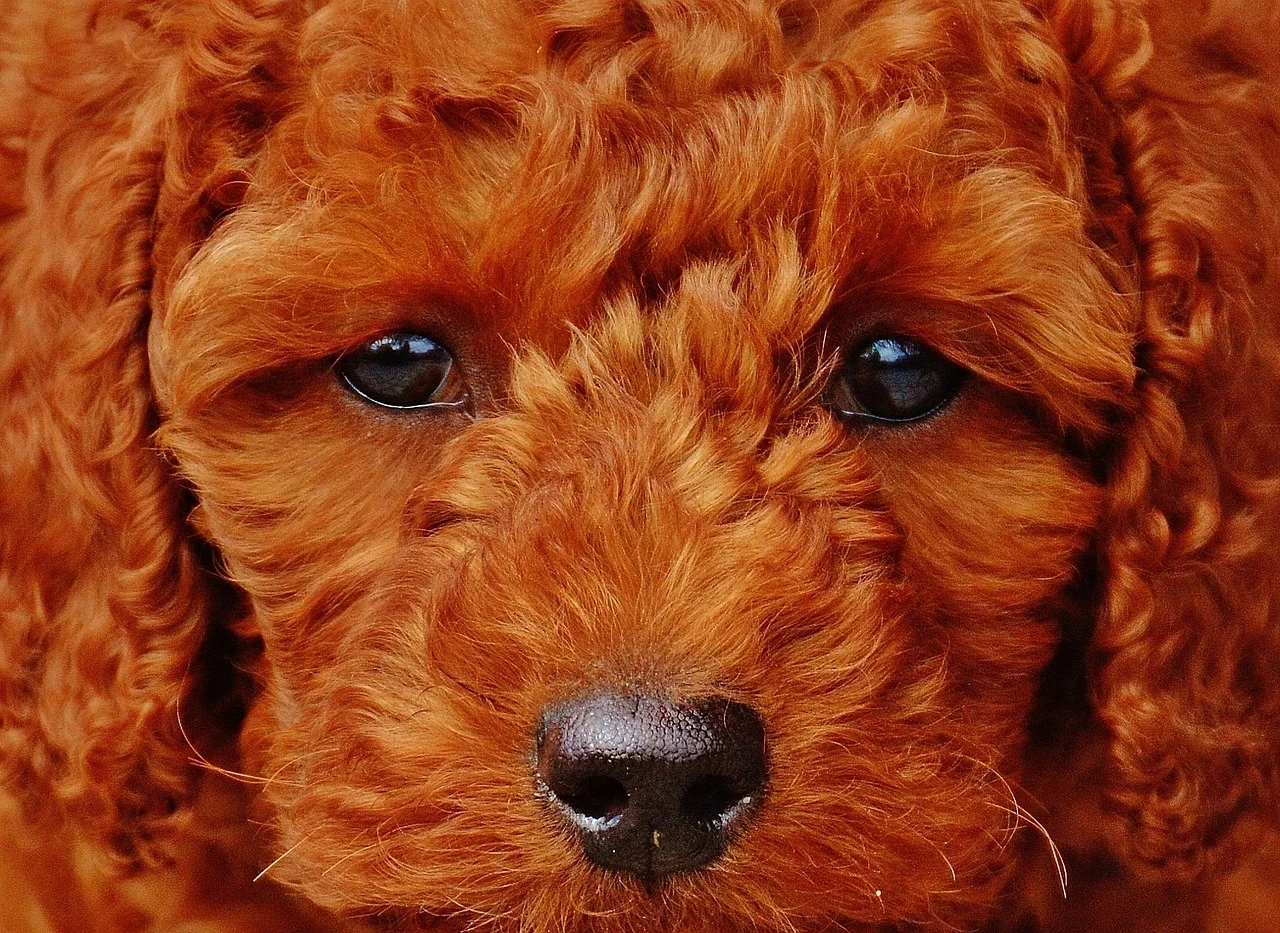
When examining the total cost of ownership, the initial purchase price is only the starting point. According to listing data, prices vary significantly depending on pedigree and location, with most puppies selling between £950 and £1,950. [pets4homes.co.uk] You need to factor in monthly food costs, parasite control, and regular veterinary check-ups.
Beware of extremely cheap puppies or marketing terms like teacup poodles, which usually indicate backyard breeding practices that disregard health testing. We always advise prospective owners to verify that breeders screen for genetic conditions such as progressive retinal atrophy before handing over any money.
When does a Toy Poodle stop growing?
A Toy Poodle typically reaches its full adult height by six to eight months of age. It finishes filling out its chest and weight by one-year-old. You can expect your puppy to stop gaining height relatively early compared to larger breeds.
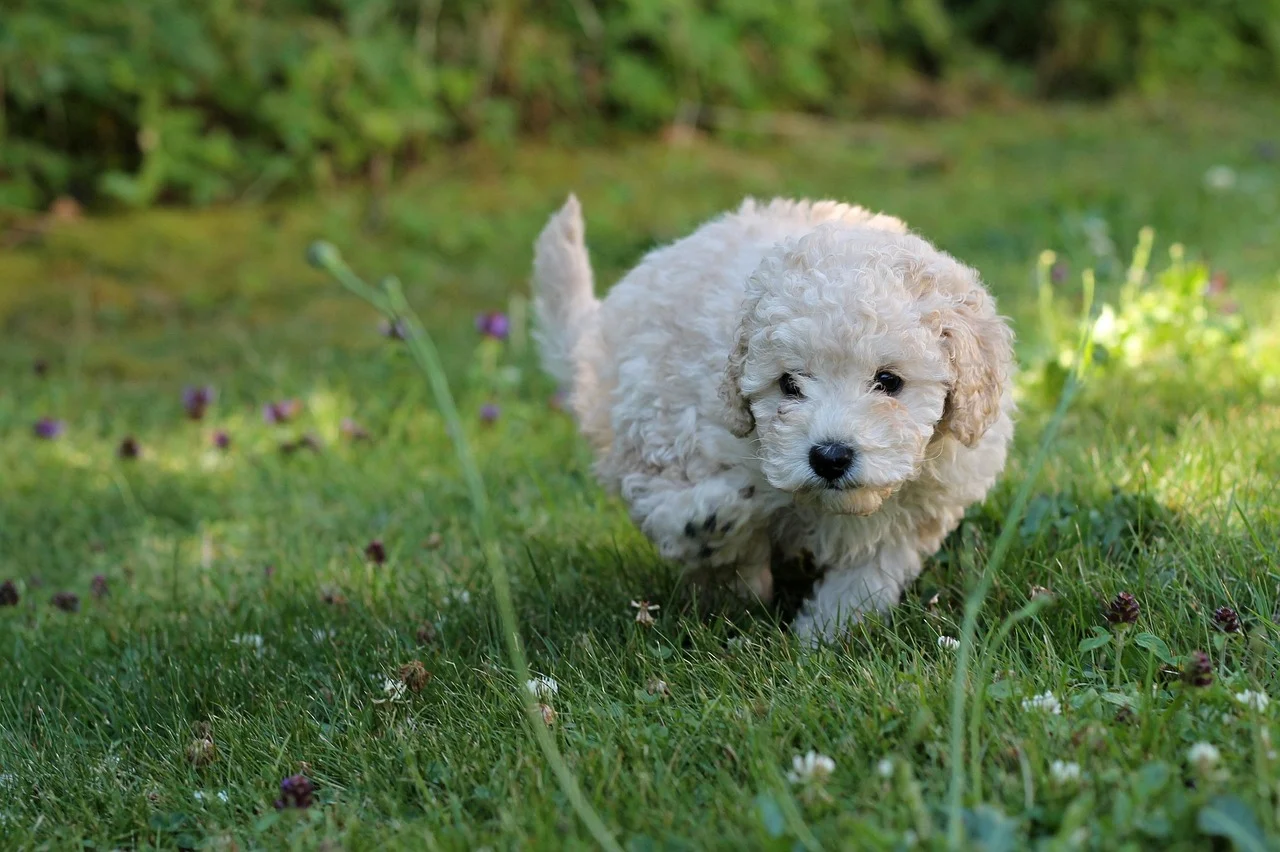
Monitoring your puppy’s growth provides a good baseline for health. Toy Poodles typically weigh between 3 to 6 kg (approximately 6.6 to 13.2 pounds) when fully grown, though some sources indicate a range up to 8.8 pounds (4 kg). [pets4homes.co.uk] If your puppy exceeds the ten-inch height limit at the shoulders, it technically crosses out of the toy category according to kennel club standards.
You should consult your veterinarian if growth stalls unexpectedly or if your puppy appears lethargic during these important developmental months. We recommend weighing your dog monthly during its first year to track healthy weight gain.
- Month 1 to 3: Rapid bone growth and socialization window.
- Next, Month 4 to 6: Height reaches near-maximum levels.
- Month 7 to 12: Muscle mass and coat density develop fully.
What are the cons of Toy Poodles?
The main drawbacks of owning a Toy Poodle include high-maintenance grooming requirements and vulnerability to specific health issues. They also have a tendency to develop separation anxiety if left alone too long. You must commit to daily brushing and regular professional appointments to keep their coats healthy.
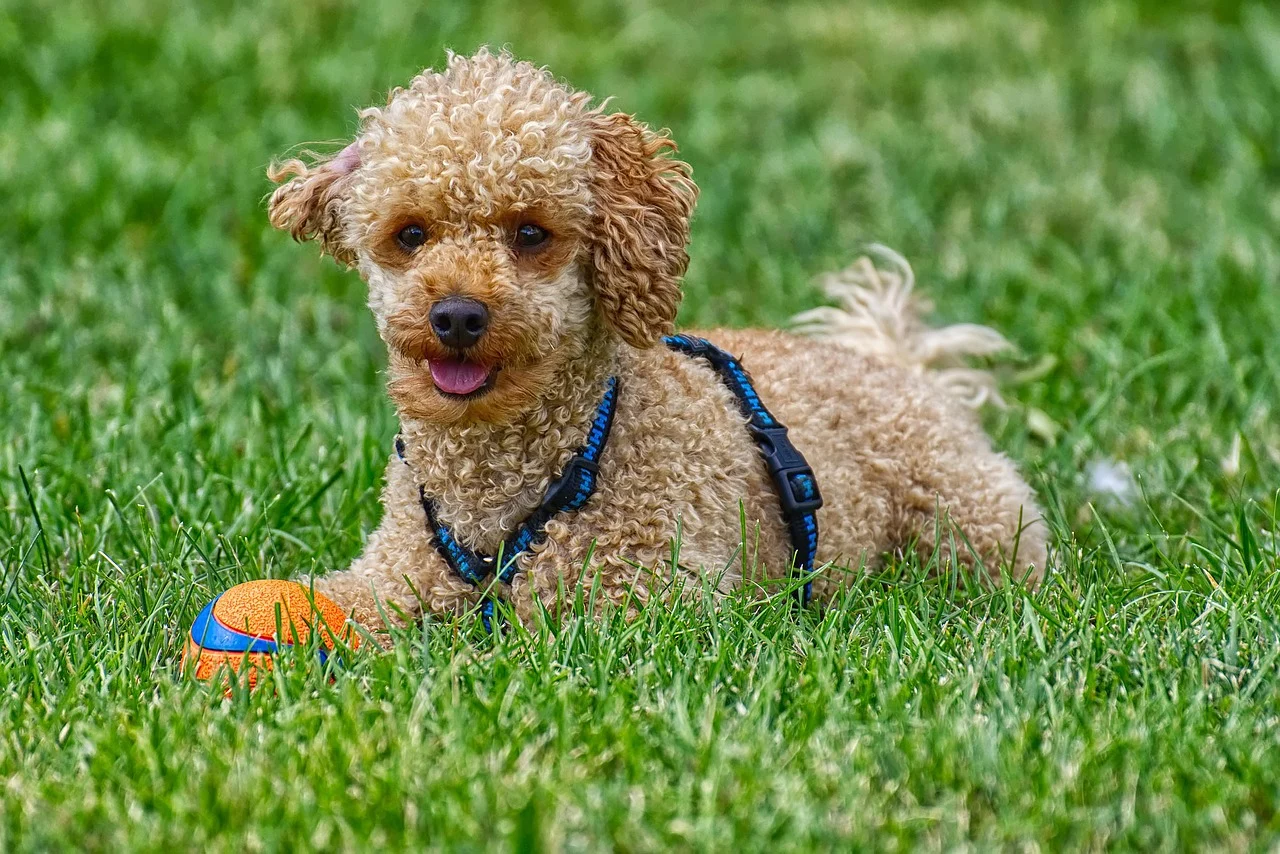
While their low-shedding coats appeal to many allergy sufferers, that continuous hair growth demands relentless upkeep. You cannot skip grooming sessions without risking severe matting that requires shaving down. Also, their tiny frames make them susceptible to injuries from accidental drops or rough play with children.
You should also consider their vocal nature. Toy Poodles often alert-bark at unfamiliar noises or visitors. This can cause friction if you live in an apartment with thin walls. If you spend long hours away from home every day, this breed will struggle with the solitude.
Why toy poodles are the worst (according to frustrated owners)
Owners who struggle with this breed usually point to extreme clinginess and chronic nuisance barking. Fragile bones also require constant supervision. You face a dog that tracks your every step and demands mental stimulation. Such pets react vocally to every passing sound in the hallway. If you want an independent pet that ignores you while you work, a Toy Poodle will drive you crazy. Persistent demands for attention define their daily behavior.

Why toy poodle not eating
Medical issues, dental pain, pickiness, or stress cause a Toy Poodle to refuse food. Because their mouths are so tiny, they suffer from crowded teeth and gum disease that makes chewing kibble painful. You must inspect your dog’s teeth for redness or tartar buildup. Afterwards, rule out underlying illness with a vet, and avoid constantly switching foods, which only rewards and reinforces picky behavior.
What toy poodle can eat
Also, you feed a Toy Poodle high-quality commercial small-breed kibble or wet food that meets Association of American Feed Control Officials standards. You can supplement their diet with safe whole foods like plain cooked chicken, pumpkin, or small carrot pieces in strict moderation. You strictly avoid toxic foods like chocolate, grapes, onions, garlic, and cooked bones that splinter easily in their delicate digestive tracts.
Frequently asked questions
Is a Toy Poodle a good house dog?
Yes, Toy Poodles make excellent house dogs because they adapt easily to small spaces like apartments. These pets thrive on indoor companionship. However, you must supervise them closely around young children to prevent accidental injuries due to their small size.
What can a Toy Poodle eat?
Toy Poodles require high-quality commercial dog food formulated for small breeds, with strict portion control to prevent obesity. Always avoid recalled brands and consult your veterinarian before introducing human foods or raw diets.
What is the lifespan of a Toy Poodle?
Toy Poodles typically live between 12 and 15 years, with some sources indicating a range of 10 to 18 years or even exceeding 20 years. [purina.co.uk] Regular veterinary care and preventive health screenings help maximize their years.
When is a toy poodle full grown?
A Toy Poodle is full grown in height by eight months. Growth concludes with final adult weight and chest depth by twelve months old.
Sources