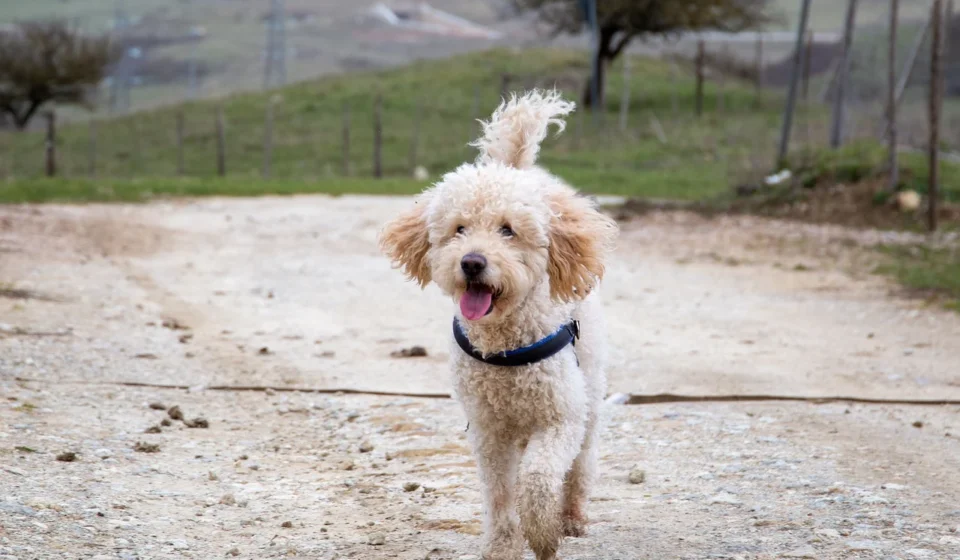
This complete breed guide details Goldendoodle sizes, purchasing and adoption costs, growth timelines, grooming requirements, and potential downsides like separation anxiety to help you determine if this social companion fits your lifestyle.
Goldendoodle Guide: Sizes, Prices, Grooming, and Growth Timelines
What is a Goldendoodle and what two breeds make one?
A Goldendoodle is a hybrid dog breed created by crossbreeding a purebred Golden Retriever with a purebred Poodle. This combines the intuitive nature of the retriever with the intelligence and coat characteristics of the poodle. Wikipedia notes that they were first widely bred in the 1990s as companion dogs. They have since gained widespread popularity due to their friendly disposition.

When you look into this crossbreed, you will find that they are not recognized as a distinct breed by major kennel clubs like the UK Kennel Club or the American Kennel Club. They lack recognition because they are a mixed breed. Breeders categorize them by generations such as F1, F1B, and multigen. These generations dictate the precise percentage of Poodle and Golden Retriever DNA in the dog.
Why Goldendoodles are the best family companions
You benefit from a remarkably social temperament when you bring a Goldendoodle into your home. They bond quickly with children, adults, and other household pets. Their high emotional intelligence allows them to read human moods accurately, making them exceptional therapy and emotional support animals.
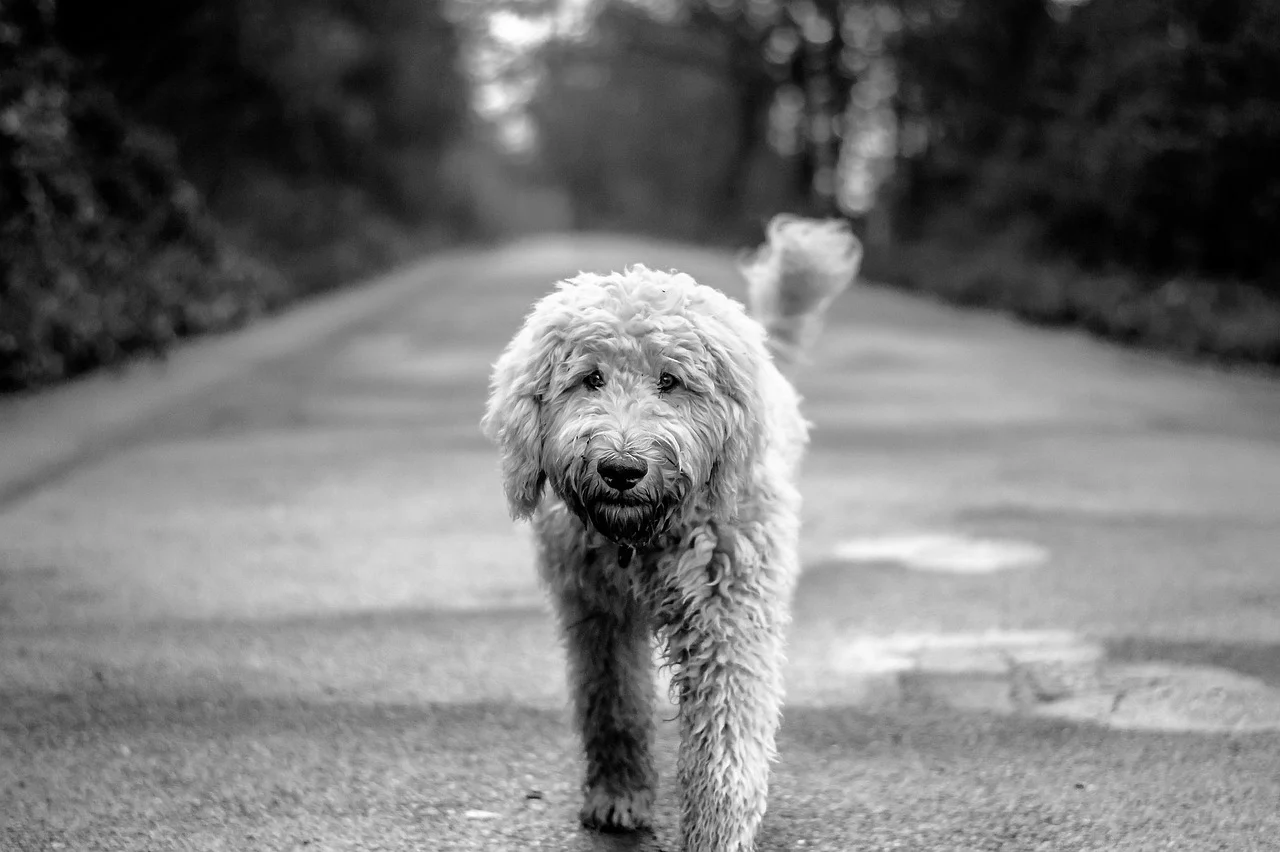
You also gain an active partner for outdoor activities. They inherit stamina and a love for retrieving from their Golden Retriever parentage. Such traits mean they thrive on long walks, hikes, and games of fetch.
Why Goldendoodles are the worst for certain owners
You face significant challenges if you lack time for daily maintenance. Goldendoodles demand constant human companionship and suffer severe separation anxiety when left alone for long workdays. Destructive chewing and excessive barking often result from boredom.

You also struggle if you despise high upkeep costs. Their coats trap dirt easily, and neglecting daily brushing leads rapidly to pelted fur. This pelted fur requires complete shaving by a professional groomer.
What goldendoodles are hypoallergenic and why don’t they shed?
You reduce household allergens by choosing a dog with a higher percentage of Poodle genetics. No dog is completely allergen-free, however. F1B goldendoodles, which result from crossing an F1 goldendoodle back with a purebred Poodle, possess roughly 75 percent Poodle DNA. This specific genetic mix creates a curly coat. The coat traps loose hairs inside the curls rather than dropping them onto your furniture and clothing.
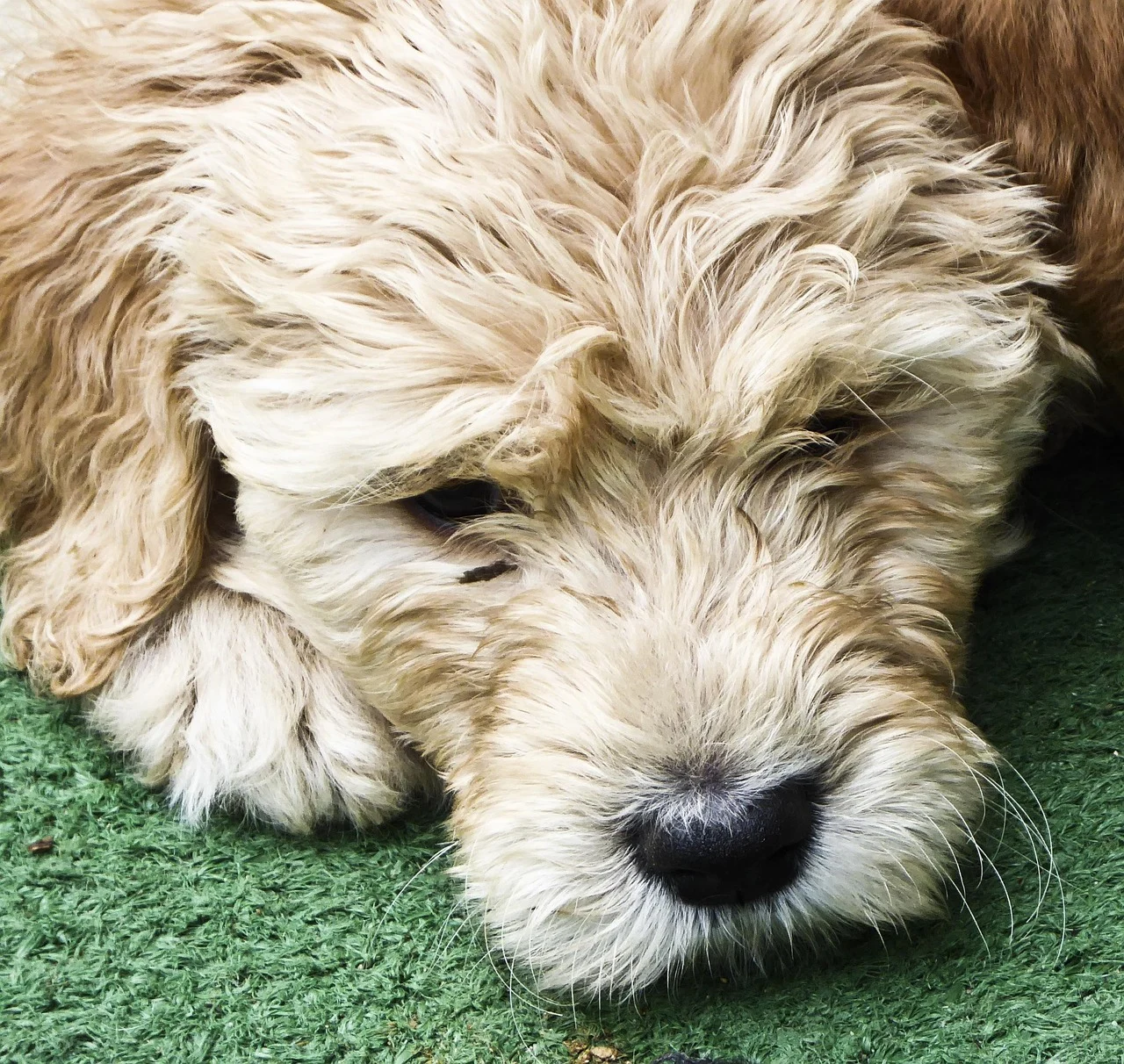
You must inspect the litter’s lineage carefully, because straight-coated F1 goldendoodles inherit more Golden Retriever fur and shed moderately year-round.
How big do Goldendoodles get?
Goldendoodles come in four distinct sizes ranging from petite variants up to standard adults, depending entirely on the size of the Poodle parent used in the breeding process. [goldendoodleassociation.com] You will find micro or toy versions, petite dogs, mini versions, medium dogs, and standard goldendoodles weighing more, sometimes reaching larger sizes.
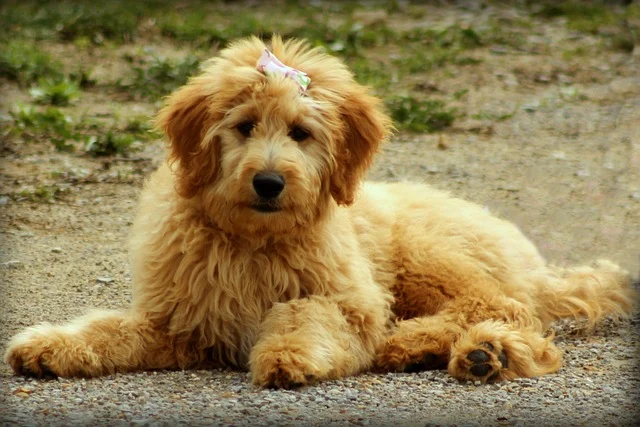
Understanding these size categories helps you choose a dog that fits your living space. If you live in a smaller home or apartment, a mini or petite variant might suit your lifestyle better. Standard dogs require significantly more floor space and vehicle room.
When goldendoodles stop growing and reach full adult size
Smaller goldendoodle sizes usually reach their full adult height and weight by around 10 to 11 months of age, while standard-sized dogs can continue growing until they are roughly 12 to 18 months old.
You track their skeletal growth through regular veterinary weigh-ins. Standard puppies often double their four-month weight to estimate their final adult mass.
How much do Goldendoodles cost?
Goldendoodle puppy prices typically range from £900 to £2,500 from established breeders, while adopting from a rescue or shelter usually costs between £150 and £450. [pets4homes.co.uk] Mini goldendoodles often command higher prices, sometimes reaching £2,500 to £3,000 due to higher demand and more complex breeding requirements. [pets4homes.co.uk]
Beyond the initial purchase price, you must budget for ongoing care. Hill’s Pet notes that nutrition, routine veterinary visits, and professional grooming form a substantial part of ownership costs. The first year alone often incurs additional expenses for supplies, vaccinations, and training.
| Type | Estimated Purchase Price | Key Difference |
|---|---|---|
| Breeder Puppy | £1,500 – £5,000 | Comes with health testing history from specialized breeders. |
| Miniature Breeder Puppy | £3,500 – £5,500+ | Higher demand and smaller litters drive up the cost. |
| Shelter Adoption | £200 – £400 | Older or mixed rescue dogs needing homes. |
We advise calculating these ongoing expenses before bringing a puppy home. Veterinary care and grooming costs persist throughout the dog’s life.
Goldendoodle haircuts and coat maintenance steps
Goldendoodle coats require 10 to 15 minutes of brushing several times a week alongside professional grooming every six to eight weeks to prevent painful matting. Professional grooming sessions generally cost between £64 and £78 per visit across the UK, with prices reaching £90–£110 in London, contributing significantly to annual upkeep costs. [tuftapp.com]
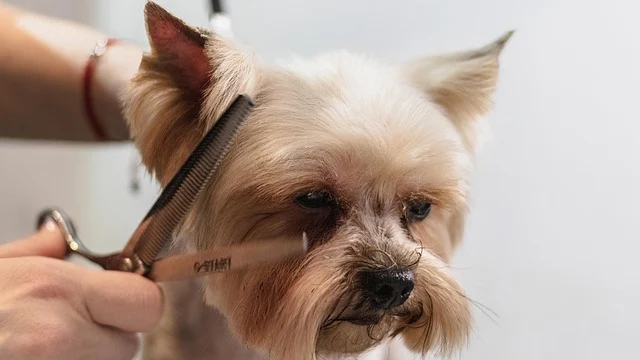
A common misconception is that goldendoodles are entirely non-shedding or hypoallergenic. While some generations, such as F1B dogs with higher Poodle percentages, shed minimally, no dog is truly hypoallergenic, and coat types can vary unpredictably within the same litter.
You choose from popular haircut styles like the teddy bear cut, puppy cut, or kennel cut. These keep their fur manageable while you follow these steps for home maintenance:
- Pin-brush the coat down to the skin to catch tangles at the roots.
- Pass a metal greyhound comb through the fur to locate hidden mats behind the ears and under the legs.
- Clip out small mats carefully with rounded scissors if brushing fails.
- Schedule professional grooming every two months to maintain an even coat length.
Common problems and their fixes
You encounter specific hurdles with this crossbreed, but direct interventions solve them effectively:
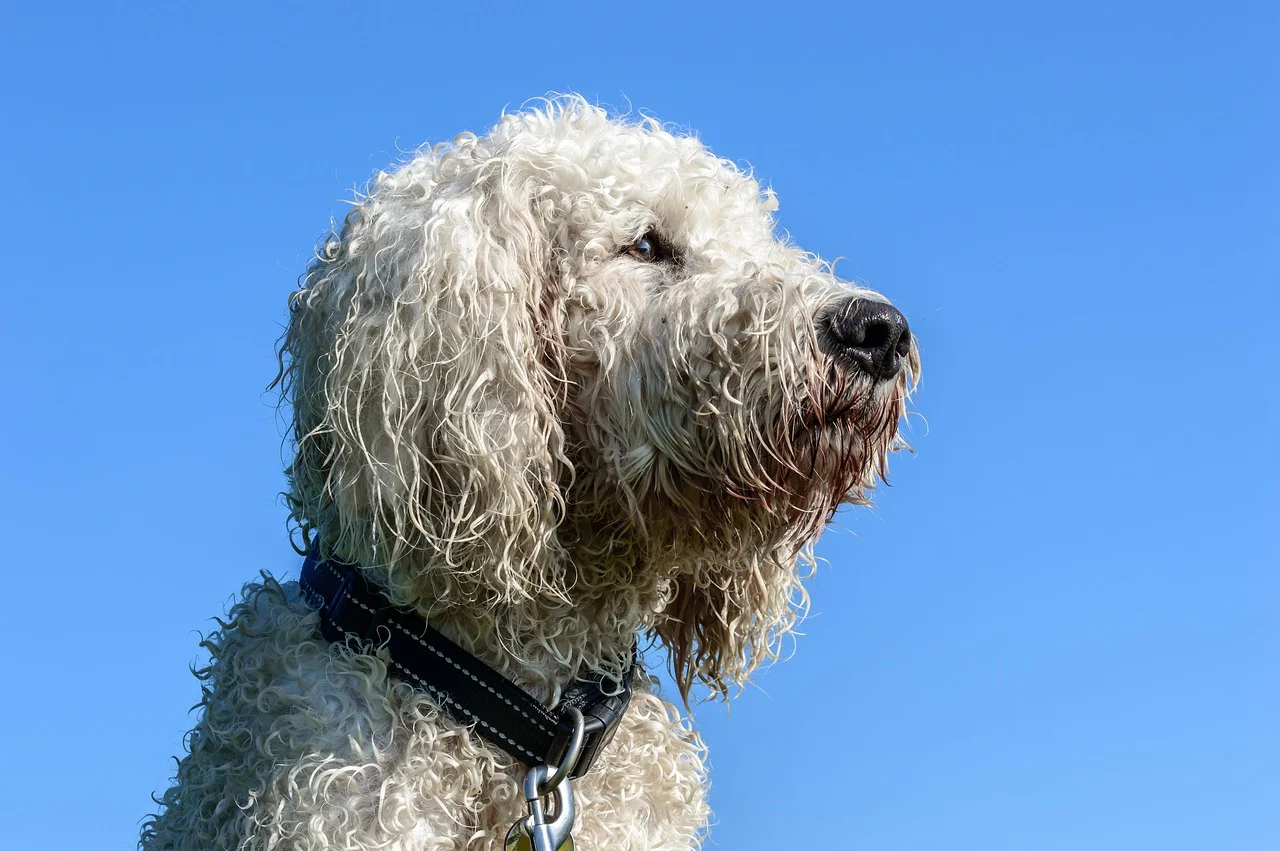
- Matting: Fix this by switching from a surface bristle brush to a slicker brush and metal comb used daily.
- Separation Anxiety: Fix this by practicing short, incremental departures and using puzzle toys to keep the dog occupied.
- High Energy: Fix this by combining physical fetch sessions with mental obedience training daily.
Who this dog does not suit
You should skip getting a Goldendoodle if you work long hours away from home without a dog walker or pet sitter. You should also avoid this crossbreed if you dislike daily brushing, have severe animal allergies, or live a strictly sedentary lifestyle indoors.
Frequently asked questions
What is the downside to a Goldendoodle?
Downsides include high grooming maintenance costs and potential separation anxiety. They also feature a susceptibility to inherited health issues like hip dysplasia and skin allergies derived from both parent breeds.
What is the average lifespan of a Goldendoodle?
The average lifespan of a goldendoodle typically ranges between 10 and 15 years, influenced heavily by size, genetics, and overall wellness care.
When do Goldendoodles stop growing?
Why don’t Goldendoodles shed?
They inherit hair growth traits from the Poodle parent that cause hair to grow continuously in a growth cycle. This traps loose strands inside the coat rather than dropping them onto floors.
Sources