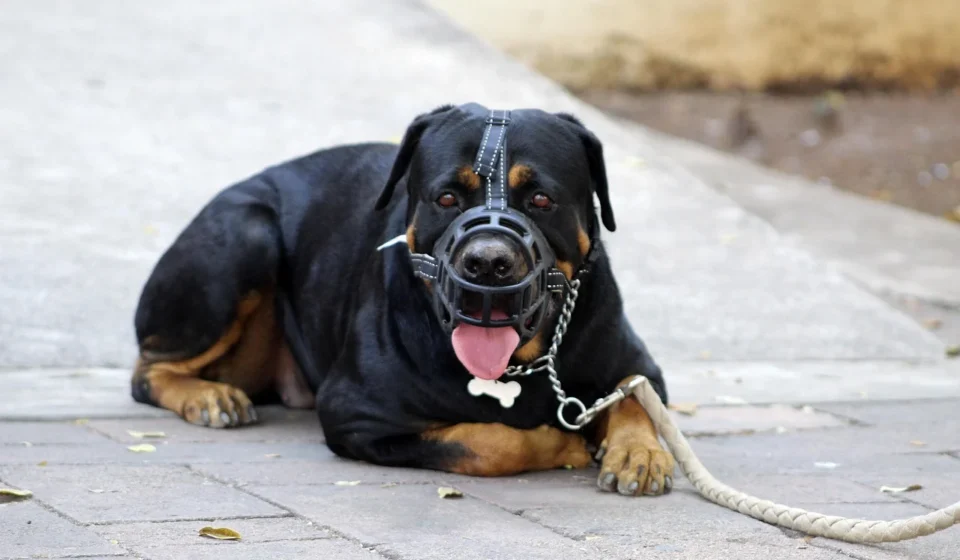
Muzzle training your XL Bully is a crucial aspect of responsible dog ownership. It ensures both their safety and the safety of others, while also complying with legal requirements in the UK. The key to successful muzzle training is a gradual, positive reinforcement approach that helps your dog associate the muzzle with pleasant experiences.
To effectively muzzle train an XL Bully, begin by introducing the muzzle slowly with high-value treats. Allow your dog to sniff and investigate it without pressure. Progress to brief periods of wearing, always pairing the muzzle with positive reinforcement, until your dog is comfortable wearing it for longer durations and in various environments.
Understanding Why Muzzle Training is Essential for Your XL Bully
For XL Bully owners in the UK, muzzle training is not just a recommendation; it is a legal requirement. Since February 2024, XL Bullies must be muzzled and on a lead in public places. Beyond legal compliance, muzzle training offers numerous benefits that contribute to your dog’s overall well-being and your peace of mind. It provides a safety net in unpredictable situations, such as emergency vet visits where your dog might be in pain and react defensively, or during introductions to new dogs or people.
A well-trained dog who is comfortable with a muzzle is less stressed in situations where one is necessary. It prevents accidental nips during grooming, allows for safe exploration in areas where unknown items might be scavenged, and can even facilitate participation in certain dog sports or activities that require muzzling. Starting XL bully muzzle training early establishes a positive association. This makes it a normal part of your dog’s routine rather than a punishment.

Choosing the Right Muzzle for Your XL Bully
Selecting the correct muzzle is paramount for your XL Bully’s comfort, safety, and the effectiveness of your training. A poorly fitting or inappropriate muzzle can cause discomfort, rub sores, obstruct breathing, or even fail to prevent bites. We always recommend a basket muzzle for XL Bullies.

Basket Muzzles: The Gold Standard
Basket muzzles, typically made from plastic, wire, or coated wire, allow your dog to pant, drink water, and receive treats. This is crucial for their well-being, especially during exercise or in warmer weather, as dogs regulate their body temperature through panting. The ability to pant freely prevents overheating and reduces stress.
- Material: Plastic basket muzzles are often lighter and more flexible, suitable for shorter durations or dogs new to muzzles. Wire or coated wire muzzles offer maximum durability and ventilation, ideal for longer wear.
- Fit: A proper fit is essential. The muzzle should be snug enough that your dog cannot paw it off, but loose enough to allow for full panting. There should be about a 1-2 cm gap between the end of your dog’s nose and the front of the muzzle. The straps should sit comfortably behind the ears and not rub against the eyes.
- Measuring: You will need to measure your XL Bully’s snout length (from the tip of the nose to just below the eyes) and snout circumference (around the widest part of the snout when their mouth is closed). Most reputable muzzle brands provide detailed sizing guides.
What to Avoid: Fabric Muzzles
While fabric muzzles (also known as ‘grooming muzzles’) might seem softer, we advise against using them for anything other than very brief, supervised situations, such as quick nail trims at the vet. They hold your dog’s mouth closed, preventing them from panting or drinking. This can quickly lead to overheating and severe stress, especially for a large, powerful dog like an XL Bully. They should never be used for walks or extended periods.
The Step-by-Step Guide to Muzzle Training Your XL Bully
Muzzle training is a gradual process that requires patience and consistency. Remember, the goal is to create a positive association, not to force compliance.
Step 1: Introduction and Positive Association
Start your XL bully muzzle training by simply letting your XL Bully see the muzzle. Place it on the floor and put some high-value treats (like small pieces of chicken or cheese) around it. Let your dog sniff, investigate, and eat the treats. Do not try to put it on yet. Repeat this a few times a day for a couple of days, keeping sessions short and positive.
Step 2: Feeding Treats Through the Muzzle
Hold the muzzle in one hand, add a treat, and let your XL Bully push their nose in. This teaches them that the muzzle is a ‘treat dispenser’. Repeat this for XL bully muzzle training, gradually increasing the depth they need to push. It is helpful to use soft, easily consumable treats for this stage.
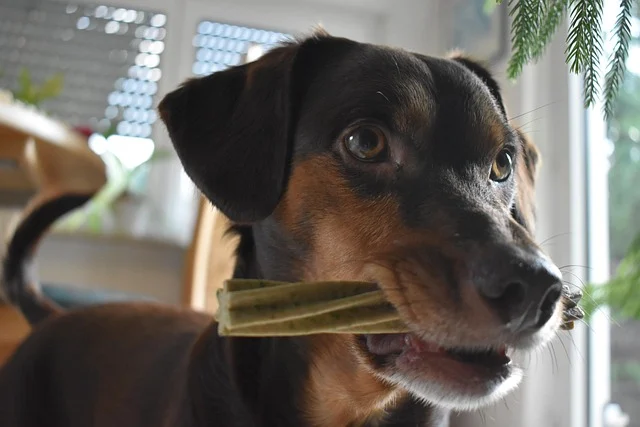
Step 3: Brief Wearing with Distraction
Once your dog is happily pushing their nose into the muzzle for treats, start fastening the straps for just a second or two. Immediately give a stream of treats through the muzzle’s opening, then remove the muzzle. The key to XL bully muzzle training is duration: start with literally one second, then two, then three. Always remove the muzzle before your dog tries to paw it off or shows signs of distress.
Step 4: Gradually Increasing Duration
Slowly increase the time your XL Bully wears the muzzle. Continue to offer treats, praise, or engage them in a favourite game while the muzzle is on. For instance, put the muzzle on, give treats for 10 seconds, take it off. Then put it on, play fetch for 30 seconds, take it off. Build up to a few minutes, always ending the session positively.
Step 5: Incorporating the Muzzle into Daily Routines
When your XL Bully is comfortable wearing the muzzle for 5–10 minutes, start integrating it into pre-existing routines. For example, put the muzzle on just before you offer their meal, or before a short play session in the garden. This helps the muzzle become a normal part of anticipated positive events.
Step 6: Wearing in Different Environments
Once your dog is comfortable wearing the muzzle at home, introduce it during short walks in quiet areas. Continue to reward calm behaviour. Gradually expose them to busier environments, always ensuring they are comfortable and not overwhelmed. This generalization is vital for real-world application.
Common Muzzle Training Mistakes to Avoid
Even with the best intentions, it is easy to make mistakes that can set back your muzzle training progress. Being aware of these pitfalls can help you Handle the process more smoothly.

Forcing the Muzzle On
Never force the muzzle onto your XL Bully’s face or hold them down. This will create a negative association, fear, and resistance, making future training much harder. If your dog is resisting, it means you have progressed too quickly. Go back a step or two in the training process.
Using the Muzzle as Punishment
The muzzle should never be used to punish your dog for unwanted behaviour. If your XL Bully associates the muzzle with negative experiences, they will become fearful and resentful of it.
Not Using High-Value Treats
For a powerful breed like the XL Bully, you need powerful motivators. Dry kibble might not be exciting enough. Use soft, smelly, high-value treats that your dog absolutely loves to make the experience genuinely rewarding.
Progressing Too Quickly
Patience is key. If you try to rush through the steps, your dog might become uncomfortable or anxious. Each dog learns at their own pace. Some might take days, others weeks or even months, to become fully comfortable with their muzzle.
Ignoring the Fit
A muzzle that is too tight will pinch and rub; one that is too loose can be easily removed or allow your dog to bite. Regularly check the fit, especially as your XL Bully grows or if their weight changes.
When to Seek Professional Help
While this guide provides a solid framework for muzzle training, there are situations where professional guidance is invaluable. If your XL Bully displays severe anxiety, aggression, or resistance towards the muzzle despite your positive efforts, we strongly recommend consulting a certified professional dog trainer or a veterinary behaviorist.

These experts can assess your dog’s individual needs, identify underlying behavioural issues, and provide tailored strategies to overcome challenges. They can also help ensure you are using the correct techniques and fitting the muzzle appropriately, offering hands-on assistance that can make a significant difference in your training success.
Who This Advice Suits (and Who it Doesn’t)
This advice is primarily for all XL Bully owners, particularly those who are new to the breed, new to muzzle training, or currently struggling to get their dog comfortable with a muzzle. The positive reinforcement approach is suitable for dogs of all ages, from puppies learning new things to adult dogs needing to adjust to a new routine or requirement.

However, this advice might not be sufficient for XL Bullies with pre-existing severe behavioural issues, such as extreme fear-aggression, where the muzzle is being introduced in a high-stress context. In such cases, the priority should be addressing the underlying behavioural problem with the help of a qualified professional. A muzzle is a management tool, not a cure for aggression, and professional intervention is crucial to ensure both safety and effective behaviour modification.
Sources: XL bully owners take up muzzle training in Milton Keynes
Frequently asked questions
How long does it take to muzzle train an XL Bully?
The duration of muzzle training varies greatly depending on the individual dog’s temperament and previous experiences. Some XL Bullies might become comfortable within a few days. Others may take several weeks or even months of consistent, positive training.
Can I use a fabric muzzle for my XL Bully?
We strongly advise against using fabric muzzles for anything other than very brief, supervised moments like grooming. They prevent your XL Bully from panting or drinking, which can lead to overheating and severe distress, especially during walks or extended wear.
What should I do if my XL Bully tries to remove the muzzle?
If your XL Bully tries to paw off the muzzle, it is a sign that you have progressed too quickly or that the muzzle is uncomfortable. Immediately remove the muzzle. Go back a step in your training, shorten the wearing duration, and ensure the fit is correct. Always end sessions before your dog shows signs of resistance.
What treats are best for muzzle training?
High-value, soft, and easily consumable treats are best for muzzle training. Small pieces of cooked chicken, cheese, hot dogs, or liver paste are often very motivating for XL Bullies and can be easily fed through the basket muzzle openings.