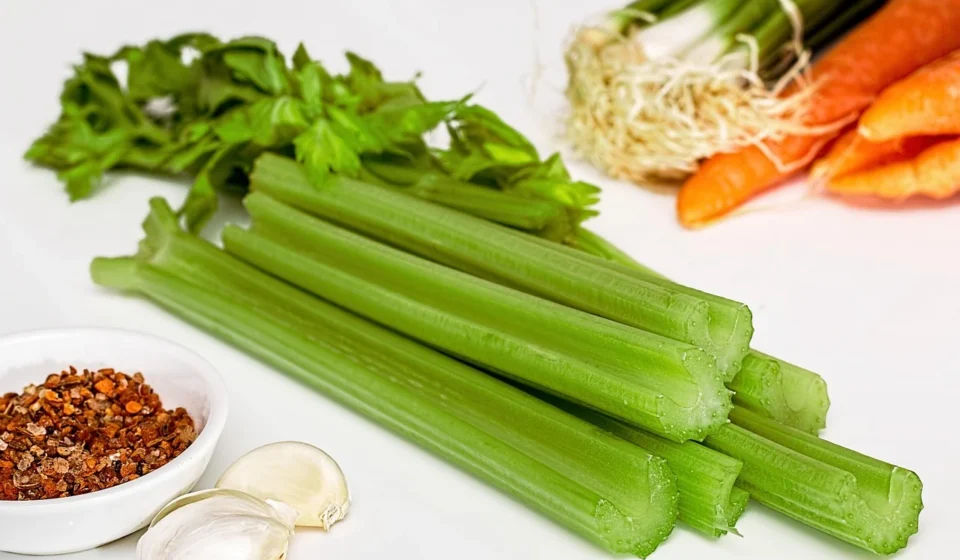
Yes, chickens can eat celery, including the stalks, leaves, and the base, as nothing on the plant is toxic to poultry. However, we always advise ensuring you prepare it correctly to prevent potential health issues, primarily crop impaction.
While celery offers some hydration and modest nutrients, its fibrous nature means that simply tossing a whole stalk into the coop is not a safe practice. Understanding how to prepare and serve it is crucial for your flock’s well-being.
What are the Nutritional Benefits of Celery for Chickens?
Celery offers chickens a hydrating and low-calorie treat rather than a primary nutritional staple. According to current information, 100 grams of raw celery is approximately 95% water, which makes it particularly beneficial as a refreshing snack, especially during warmer weather when hydration is key.
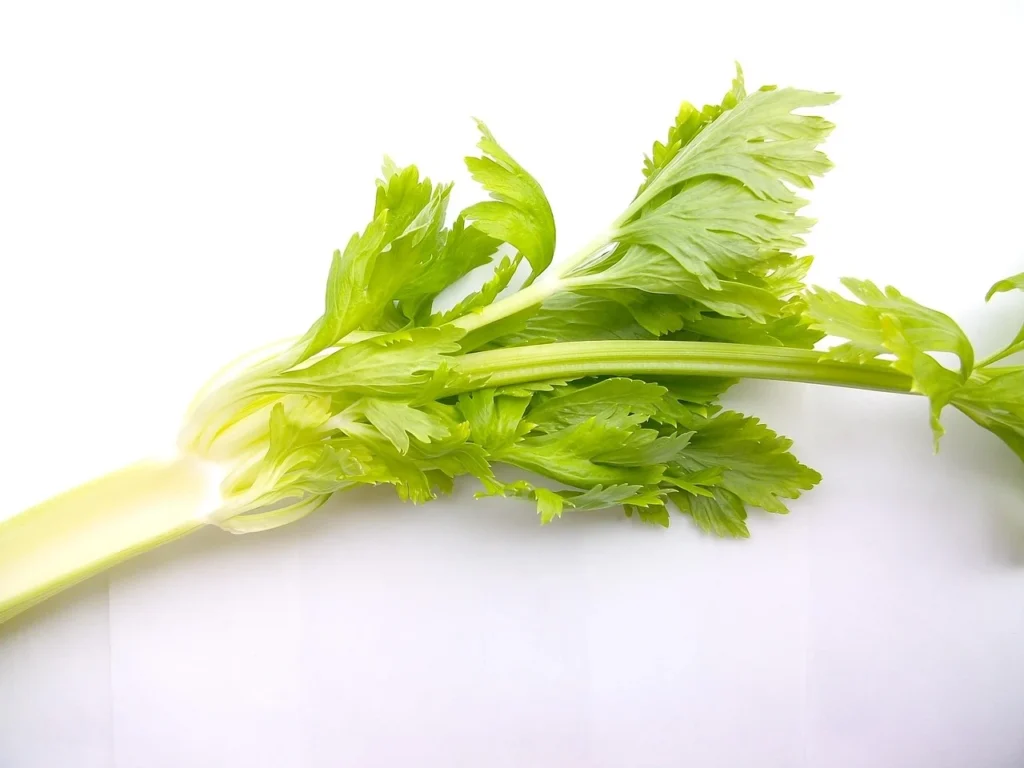
Beyond its water content, celery provides modest amounts of dietary fibre, typically around 1.5 grams per 100g. This fibre can aid in digestion when consumed in appropriate quantities. It also contains small levels of essential vitamins and minerals, including vitamin K, vitamin C, potassium, and calcium. While these contributions are not substantial enough to replace a balanced commercial feed, they can complement a varied diet of treats.
Celery is considered a supplementary food; it should never constitute a significant portion of a chicken’s daily intake. The main benefit, in our view, is its hydrating property and the mental stimulation it provides as a novel treat.
What are the Risks of Feeding Celery to Chickens?
The primary concern with feeding celery to chickens stems from its unique fibrous structure. Celery stalks contain long, tough strings that, if swallowed whole or in large pieces, can pose a significant risk of crop impaction.
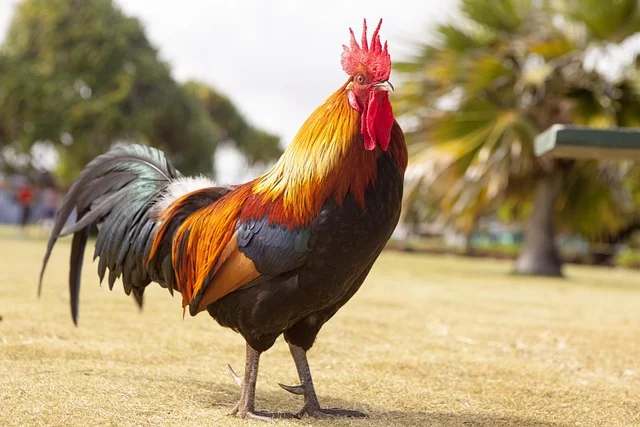
Crop impaction occurs when indigestible material becomes lodged in a chicken’s crop, preventing food from moving down into the digestive system. This can lead to serious health problems, including starvation, dehydration, and even death if not addressed promptly. Chickens tend to gulp their food quickly, and these long strings can easily become tangled or form a blockage.
Beyond impaction, large pieces of celery can also present a choking hazard. Therefore, we cannot stress enough the importance of proper preparation to mitigate these risks. While the plant itself is non-toxic, the physical form in which you offer it can be dangerous.
How to Safely Feed Celery to Chickens
Safely feeding celery to your chickens requires careful preparation to eliminate the risks associated with its fibrous nature. The key is to make it easy for them to digest without forming blockages.
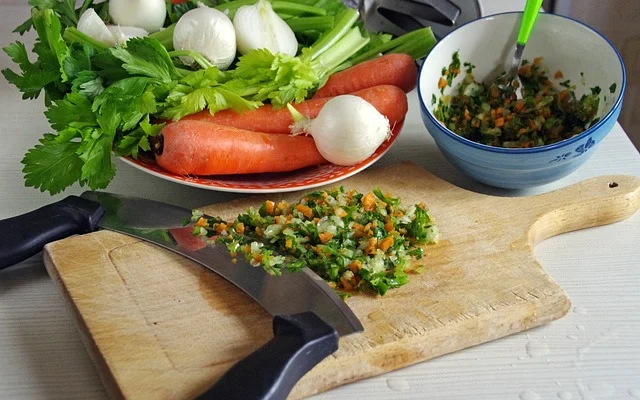
How to Prepare Celery for Chickens
To prepare celery for your flock, we recommend following these specific steps:
-
- Wash Thoroughly: Always wash celery stalks and leaves under cold running water to remove any dirt, pesticides, or other contaminants.
- Chop Crosswise: You must chop the celery crosswise into very small pieces. The goal is to break up those long, tough strings. Aim for pieces no larger than 1/2 inch (approximately 1.25 cm). Ideally, make them even smaller, around 1/4 inch (about 0.6 cm). This is especially important for smaller breeds or hens that gulp food quickly. This crosswise cut severs the problematic strings; you make them much safer.
- Consider Shredding: For an extra layer of safety, you could also finely shred the celery, particularly the tougher stalks, using a food processor or a grater. This completely breaks down the fibers.
- Avoid Harmful Additives: Never feed celery that has been prepared with salt, butter, oil, onion, garlic, or other seasonings. These ingredients are often present in human dishes and can be harmful or upsetting to a chicken’s digestive system.
- Discard Spoiled Celery: Always inspect the celery for any signs of mould or spoilage. Moldy or rotten vegetables can cause serious illness in chickens, so discard anything that isn’t fresh.
By taking these preventative measures, you can offer celery as a safe and enjoyable treat.
Raw vs. Cooked Celery for Chickens
Both raw and plain cooked celery are acceptable for chickens, but cooking can offer an additional safety benefit. Cooking celery softens its fibrous strings considerably, making them even less likely to cause impaction. If you have hens that are particularly enthusiastic eaters or a history of crop issues in your flock, cooking the celery might be a wise choice.
If you choose to cook celery, simply steam or boil it until it is tender. Ensure it is cooled completely before offering it to your chickens. As always, avoid adding any seasonings, fats, or other ingredients during the cooking process.
What Age Can Chickens Eat Celery?
When considering the age at which chickens can eat celery, we advise caution, particularly with very young chicks. Do not give celery to baby chicks, generally those just a few days or weeks old. Their digestive systems are still developing. They require a specialised chick starter feed that provides all the necessary nutrients for growth.
For older chicks, those a few weeks old and beyond, you can introduce very small amounts of finely chopped celery leaves as an occasional treat. At this stage, it is particularly important that chick grit is readily available. Grit aids in digestion by helping to break down food in the gizzard. As they mature into pullets and adult hens, they can handle the finely chopped stalks and leaves. You must always adhere to the preparation guidelines outlined.
How Much Celery Can Chickens Eat?
Celery should always be offered as an occasional treat. It should not be a significant part of a chicken’s regular diet. We recommend that treats, including celery, should make up no more than about 5% of a chicken’s daily food intake. The bulk of their diet should always come from a high-quality, balanced complete feed. This ensures they receive all the necessary protein, vitamins, and minerals for optimal health and egg production.
For a standard hen, a small handful of finely chopped celery, offered a few times a week, is generally considered plenty. Overfeeding treats can lead to nutritional imbalances. Celery is low in protein and other essential nutrients compared to their primary feed. It can also cause them to fill up on treats. They may neglect their more nutritious main meal.
Can Chickens Eat Celery Leaves?
Yes, chickens can eat celery leaves. In fact, chickens often enjoy the leaves as much as, if not more than, the stalks. The leaves are generally softer and less fibrous than the stalks. This reduces the risk of impaction slightly, but proper preparation is still important.
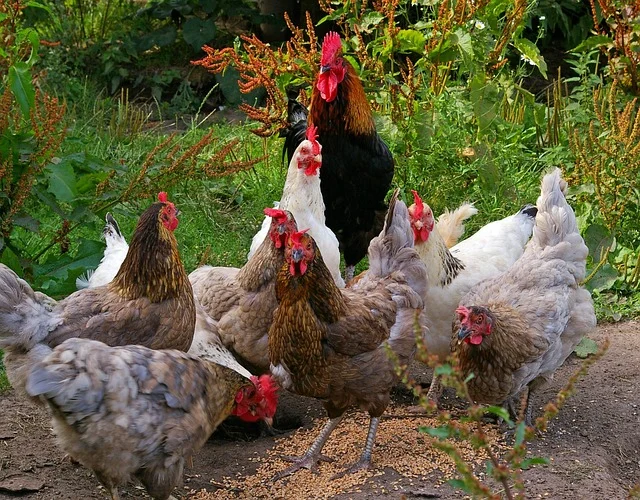
Even though the leaves are less stringy, we still recommend chopping them finely, especially if they are large or if you are feeding them to younger birds. This ensures they are easy to swallow and digest. Just like the stalks, ensure the leaves are clean and free from any pesticides or mould before offering them to the flock.
Can Chickens Eat Celery Stalks and Scraps?
Chickens can certainly eat celery stalks and other celery scraps, provided you prepare them correctly. The stalks are the most common part of the celery plant that people consider feeding. They offer the same hydrating benefits as the leaves.
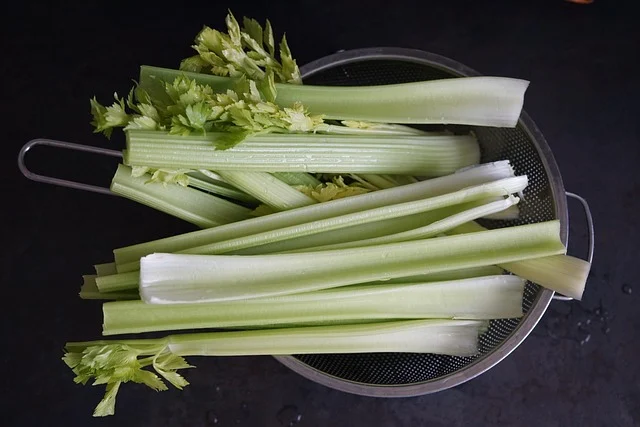
When it comes to celery scraps, such as the tough base or smaller pieces left after human preparation, these are perfectly fine for chickens. However, you must apply the same rule: you must chop all parts, especially the fibrous stalks and bases, into very small, manageable pieces. The base can be particularly tough. You should take extra care to chop it finely or even shred it. Remember to always avoid any scraps that have come into contact with seasonings or other human food ingredients that are unsafe for poultry.
What Other Vegetables Can Chickens Eat Safely?
A varied diet of safe vegetable treats can enrich your chickens’ lives and provide additional nutrients and stimulation. Many common garden vegetables are safe for chickens, often alongside celery.
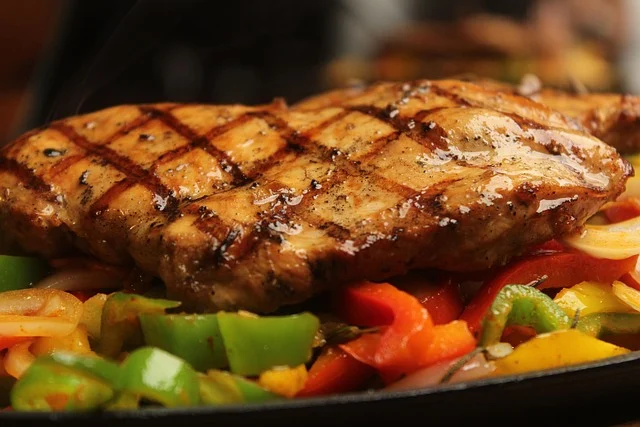
For example, chickens can eat carrots. Carrots are a good source of Vitamin A. Like celery, you should offer carrots in manageable pieces, such as grated or finely chopped, to prevent choking. Similarly, bell peppers (excluding hot varieties), courgettes, pumpkin, and leafy greens like kale and spinach are generally safe and nutritious options. We always advise moderation with all treats. This ensures they do not displace their balanced commercial feed.
Always research any new food before introducing it to your flock to ensure it is safe and appropriately prepared. A good rule of thumb is to avoid anything from the nightshade family (like raw potatoes, tomatoes, or aubergines, especially the leaves and stems), as well as avocado pits and skins, and anything mouldy or excessively processed.
When Should You Avoid Feeding Celery to Your Chickens?
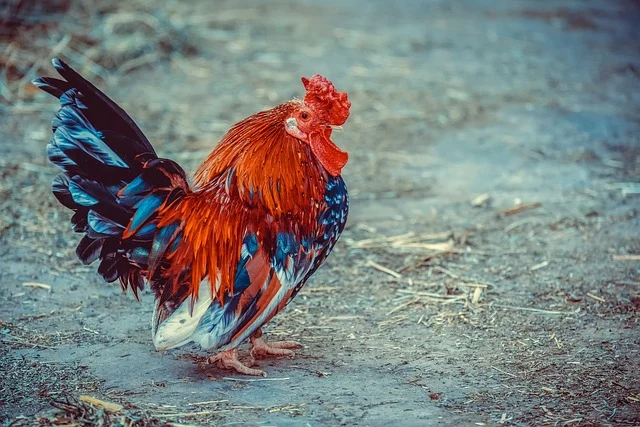
While celery can be a safe treat, there are specific situations where we advise against feeding it to your chickens:
-
-
- If you cannot chop it finely enough: If you are unable to chop the celery into very small, 1/2-inch or 1/4-inch pieces, it is safer to avoid feeding it altogether to prevent the risk of crop impaction.
- For very young chicks: As mentioned, baby chicks require a specialised diet. You should not give them celery until they are a few weeks old and have access to grit.
- If your chicken has known crop issues: If you have a chicken prone to crop impaction or other digestive problems, it would be prudent to err on the side of caution and avoid fibrous treats like celery, even when chopped.
- If the celery is spoiled or seasoned: Never feed mouldy, rotten, or seasoned celery. This includes celery prepared with salt, butter, oils, garlic, or onion, as these ingredients are detrimental to chicken health.
- As a primary food source: Celery is not nutritionally complete for chickens. If you find yourself relying on it too heavily, it indicates a dietary imbalance that needs correction with a proper chicken feed.
-
In all cases, observation is key. If you notice any signs of distress or digestive upset after introducing celery, discontinue feeding it immediately.
Frequently asked questions
Can chickens eat celery and carrots together?
Yes, chickens can safely eat finely chopped celery and carrots together. Both vegetables offer different nutrients and hydration, making them a good combination for an occasional treat. Ensure both are cut into small, digestible pieces to prevent choking or impaction.
Do chickens like celery?
Many chickens do enjoy celery, especially the leaves, but individual preferences vary. Some chickens might eagerly peck at it, while others may show little interest. Offering it finely chopped allows them to try it without risk.
Can chickens eat cooked celery?
Yes, chickens can eat plain cooked celery. Cooking softens the fibrous strings. This can make it even safer for chickens to digest, especially for those prone to gulping their food. Always ensure it is cooled and free from any seasonings before serving.
Is celery good for chickens?
Celery is a hydrating, low-calorie treat for chickens, offering modest amounts of fibre and some vitamins like K and C. While not a nutritional powerhouse, it can contribute to a varied diet when given in moderation and prepared correctly.
Can chickens eat celery seeds?
We advise against feeding celery seeds to chickens. While the stalks and leaves are generally safe when prepared, seeds can be difficult for chickens to digest and may contain concentrated compounds that are not suitable for poultry in larger quantities.