What is a French Bulldog?
A French Bulldog is a small, non-sporting companion breed. It is characterized by its sturdy build, short muzzle, and large, rounded, upright ears. Descended from English Bulldogs, they became popular in France in the 19th century, hence their name. People prize them for their friendly, adaptable temperament and unwavering loyalty.

While people often perceive the French Bulldog as a ‘French’ dog, its roots actually trace back to England. English lace workers brought small Bulldogs to France. There, people selectively bred them to develop the unique features we recognise today. These dogs quickly found favor among Parisian society. This solidified their place as beloved companions. Males typically weigh 9–14 kg and females 8–13 kg. A French Bulldog breed guide shows the AKC standard sets a maximum adult weight of 28 pounds (approximately 12.7 kg).
What are the key characteristics of a French Bulldog?
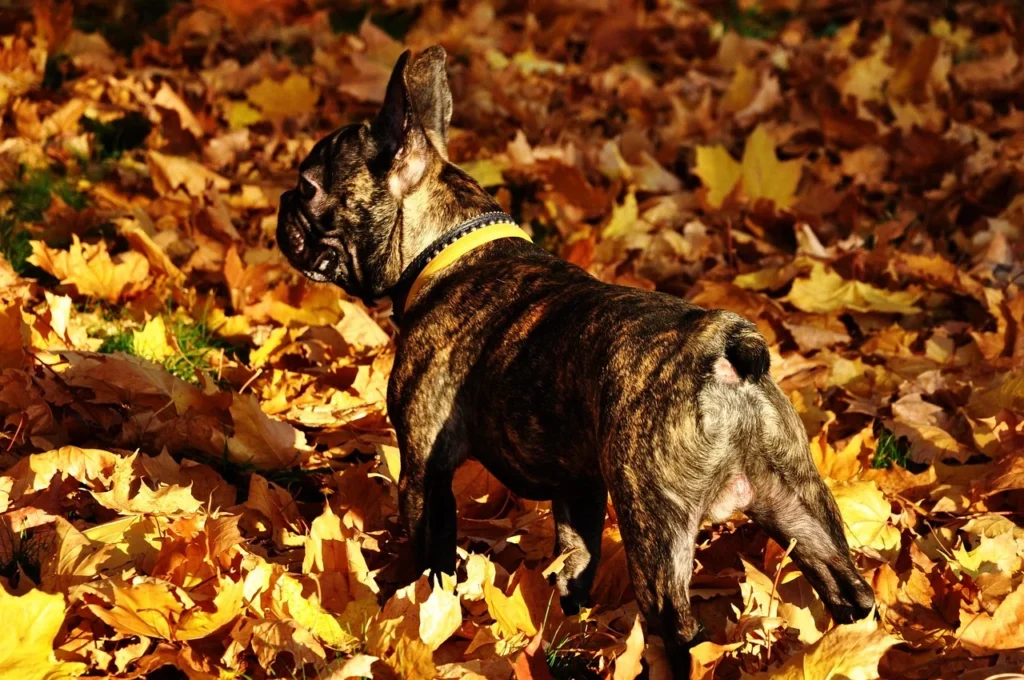
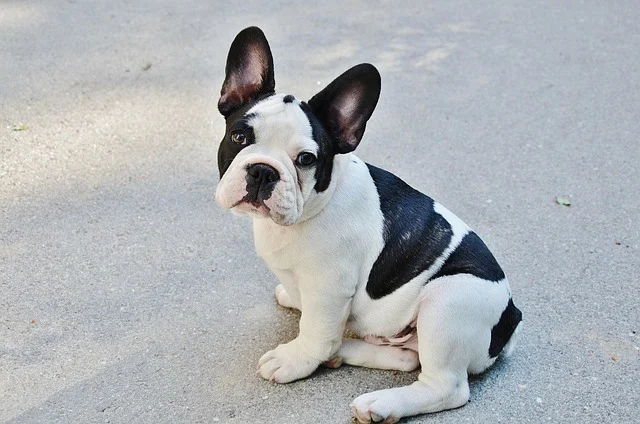
French Bulldogs possess a unique combination of physical traits and a charming temperament. This makes them stand out among dog breeds. Physically, they are compact and muscular. They have a smooth, short coat that comes in various acceptable colours. These colours include white, cream, and fawn. They often have brindle markings or pied patterns. According to the AKC and FBDCA breed standard, solid black, black and tan, blue, liver, and merle colours are disqualifications in the show ring, as detailed in a french bulldog breed guide. This is primarily due to associations with potential health issues.
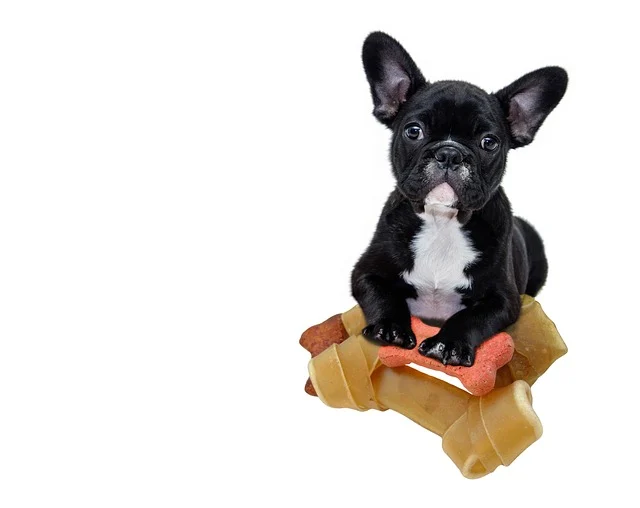
Their most defining features are their large, upright ‘bat ears’ and their brachycephalic, or ‘flat’, face. This facial structure is endearing. However, it is a significant health consideration that we will discuss in more detail. They have a short, fine coat that requires minimal grooming. Their tails are naturally short, either straight or corkscrew in shape.
Temperamentally, French Bulldogs are known for being affectionate, playful, and adaptable. They form strong bonds with their families and thrive on human interaction, often preferring to be close to their owners. They are generally good with children and other pets when properly socialized, making them excellent family companions. While they enjoy naps, it is a misconception that they are lazy; they do require regular, moderate exercise and mental stimulation to stay healthy and happy, as detailed in a French Bulldog breed guide.
What are the common health problems in French Bulldogs?
The health of French Bulldogs is a important consideration due to their unique physical structure, particularly their brachycephalic (flat-faced) nature. Owners must be aware of the specific health challenges this breed faces to provide appropriate care and ensure their well-being.
The most significant health concern is Brachycephalic Obstructive Airway Syndrome (BOAS). This condition results from anatomical abnormalities common in flat-faced breeds. These include narrowed nostrils (stenotic nares), an elongated soft palate, and everted laryngeal saccules. These issues restrict airflow. They lead to noisy breathing, snoring, gagging, and increased heatstroke risk. The severity of BOAS varies greatly. While a significant concern for the breed, it is a misconception that all French Bulldogs struggle to breathe. The Kennel Club (UK) updated its breed standard in December 2021. They emphasized avoiding extreme features. A French Bulldog breed guide now requires a “well-defined muzzle” and “visibly open nostrils” to prioritise health. If your French Bulldog exhibits severe breathing difficulties, consult your vet. Surgical intervention may be necessary to improve their quality of life.
Beyond BOAS, French Bulldogs are also prone to:
- Spinal Issues: Conditions like intervertebral disc disease (IVDD) are common due to their unique spinal structure. Symptoms can range from pain and weakness to paralysis.
- Allergies: Many French Bulldogs suffer from skin allergies, which can manifest as itching, redness, and recurrent skin infections. Identifying and managing allergens, often through diet or medication, is key.
- Eye Conditions: We see cherry eye, ectropion, and corneal ulcers in the breed. Regular eye checks are important.
- Heatstroke: Due to their compromised airways, French Bulldogs are highly susceptible to overheating. We cannot stress enough the importance of avoiding exercise during hot weather and always providing access to shade and fresh water.
A common misconception, as detailed in a french bulldog breed guide, is that French Bulldogs are natural swimmers. Their dense body, short legs, and heavy head make them prone to sinking. Drowning is a leading preventable cause of death. You should never leave a French Bulldog unsupervised near water. We recommend a life vest if they are ever around pools or open water.
What care does a French Bulldog need?
Providing proper care for a French Bulldog involves attention to their unique needs, from exercise and grooming to nutrition and training. Their well-being depends on a consistent routine tailored to their specific breed characteristics.
Exercise and Mental Stimulation
French Bulldogs require moderate exercise to stay healthy and prevent obesity, which can exacerbate breathing issues. Short, regular walks (around 15–20 minutes, once or twice a day) are usually sufficient. We recommend avoiding strenuous activity, especially in warm or humid weather, and always monitoring them for signs of overheating or breathing difficulties. They also benefit from mental stimulation through playtime, puzzle toys, and basic training sessions to keep their intelligent minds engaged.
Grooming
Their short, smooth coat is relatively low maintenance, requiring weekly brushing to remove loose hair and keep it healthy. However, attention to their facial folds is important, as detailed in a french bulldog breed guide. We advise cleaning these wrinkles daily with a damp cloth and drying them thoroughly to prevent skin irritation and infection. Regular nail trims and ear cleaning are also essential for their overall hygiene.
Nutrition
A high-quality, balanced diet appropriate for their age, size, and activity level is vital. Due to their propensity for allergies and weight gain, we recommend consulting your vet for specific dietary advice. Portion control is important to prevent obesity, which can put additional strain on their respiratory system and joints.
Training and Socialisation
French Bulldogs are intelligent and eager to please, making them generally receptive to training. Positive reinforcement methods work best. Early socialisation is key to ensuring they grow into well-adjusted adults, comfortable with various people, places, and other animals. Consistent training from a young age helps manage their sometimes stubborn streak and reinforces good behaviour.
Why natural breeding is difficult for the French Bulldog breed guide
French Bulldogs face significant challenges with natural breeding and whelping, making it a complex and often vet-assisted process. The idea that French Bulldogs are easy to breed is a common misconception; in reality, their unique anatomy often necessitates extensive human intervention.
French Bulldogs cannot breed naturally because of their physical conformation. Males often struggle to mount females effectively due to their compact build and narrow hips. This makes natural mating difficult or impossible. More critically, females typically have narrow birth canals, a key point in any french bulldog breed guide. Their puppies have relatively large heads, which makes natural birth (vaginal delivery) extremely risky. It is often fatal for both the mother and puppies. This combination of factors means that the vast majority of French Bulldog litters are conceived through artificial insemination and delivered via Caesarean section (C-section).
Challenges of breeding french bulldogs
Therefore, answering the question ‘are French Bulldogs easy to breed?’, we would say definitively no. Responsible breeding requires significant veterinary involvement, including:
- Pre-breeding health screening: Both male and female dogs should undergo comprehensive health checks, including genetic testing for hereditary conditions common in the breed, and evaluations for BOAS and spinal health.
- Artificial Insemination: To ensure conception, most breeding occurs through artificial insemination, which requires careful timing and veterinary expertise.
- Planned C-sections: Due to the high risk of complications with natural birth, C-sections are almost always scheduled in advance, requiring a veterinary surgeon. This incurs significant costs and recovery time for the mother.
- Post-natal care: Puppies and mothers require careful monitoring, as brachycephalic puppies can have breathing difficulties from birth.
The financial cost of responsible breeding is substantial. This includes health testing, artificial insemination, and C-sections. This is a significant factor in the average price of a French Bulldog puppy. In the US in 2026, this can range from $2,000 to $6,500 for a pet-quality puppy. Rare colours cost much more, up to $20,000 or beyond. We urge potential owners to seek out breeders who prioritise health and welfare over profit. This ensures all necessary veterinary procedures are undertaken.
What two dogs are bred to make a French Bulldog?
The French Bulldog did not come from breeding two distinct modern dog breeds. It did not develop in the way a ‘designer’ crossbreed might today. Instead, breeders developed the breed from smaller versions of the English Bulldog through selective breeding. English lace workers migrated to France and took their smaller ‘toy’ Bulldogs with them. In France, people further refined these smaller Bulldogs. Breeders likely crossed them with local terriers. This influenced their ‘bat ears’ and overall appearance, as detailed in a French Bulldog breed guide. It eventually led to the distinct French Bulldog breed we recognise now.

How many breeds of French Bulldogs are there?
There is only one recognised breed of French Bulldog. While you might hear terms like ‘miniature French Bulldog’ or references to different ‘types’ based on colour (e.g., ‘blue French Bulldog’, ‘merle French Bulldog’), these are not distinct breeds. They are variations within the single French Bulldog breed. Some of these variations, particularly certain colours like blue, merle, and solid black, are considered disqualifications in official breed standards like those from the AKC and FBDCA because they can be associated with specific health issues or are not part of the traditional french bulldog breed guide lineage.

How can you tell if a French Bulldog is purebred?
To determine if a French Bulldog is purebred, you can check their pedigree papers and registration with a recognised kennel club. This is the most reliable method for a French Bulldog breed guide. Examples include The Kennel Club in the UK or the American Kennel Club (AKC) in the USA. These organizations maintain detailed records of a dog’s lineage. They confirm that both parents and previous generations were also purebred French Bulldogs.
Beyond official documentation, a purebred French Bulldog will closely adhere to the breed standard in terms of physical characteristics. This includes their specific size, compact build, trademark ‘bat ears’, short muzzle, and typical coat colours and patterns. However, it must be cautioned that physical appearance alone, especially in puppies, can sometimes be misleading. Therefore, we always recommend relying on official registration and reputable breeder documentation.
Which colour Frenchie is the healthiest?
When considering French Bulldog colours, it is important to understand that health is primarily linked to genetics and responsible breeding practices, not directly to coat colour itself, as detailed in a French Bulldog breed guide. However, certain ‘rare’ or ‘designer’ colours, such as blue, merle, and lilac, are often associated with genetic conditions and can be controversial within the breed community.

These specific colours are typically linked to dilute genes. They can also be responsible for health issues like Colour Dilution Alopecia (CDA), a condition that causes hair loss and skin problems. Reputable breeders often avoid breeding for these colours due to these potential health risks. They are also considered disqualifications in official breed standards. The AKC and FBDCA breed standard, approved in 2018, accepts white, cream, and fawn colours, along with brindle, piebald, black masks, black shadings, and white markings, as detailed in a french bulldog breed guide.
Therefore, from a health perspective, we advise that traditional and officially recognised colours (fawn, brindle, cream, and pied) are generally associated with fewer known genetic health concerns related to colour dilution. Ultimately, a healthy French Bulldog of any colour comes from health-tested parents and a breeder who prioritizes genetic health over aesthetic novelty.
Is a French Bulldog a restricted breed?
French Bulldogs are generally not considered a restricted breed in the UK or most other countries in terms of breed-specific legislation (BSL) related to aggression. BSL typically targets breeds perceived as dangerous, such as certain types of Pit Bulls or Rottweilers, which does not apply to the French Bulldog’s temperament.

However, it is important to note a growing global concern regarding the welfare of brachycephalic breeds due to their exaggerated physical traits. Several European countries, such as the Netherlands and Norway, have introduced or considered legislation targeting brachycephalic breeds like French Bulldogs on welfare grounds, focusing on health consequences of extreme features. These regulations aim to reduce the breeding of dogs with severe BOAS and other health issues. While not a ‘restricted breed’ in the traditional sense, these welfare-oriented regulations could impact breeding practices and ownership in the future. We recommend staying informed about local and national animal welfare legislation if you own or plan to own a French Bulldog.
Frequently asked questions
How long do French Bulldogs live?
French Bulldogs typically live for 10 to 12 years, though individual lifespans can vary depending on genetics, diet, exercise, and overall health management, particularly regarding their brachycephalic health challenges.
Are French Bulldogs good with children and other pets?
Yes, French Bulldogs can be excellent family companions. With proper socialisation, training, and supervision, they are generally good with children and can coexist peacefully with other pets due to their affectionate and adaptable nature. It’s a misconception that they are poor with children.
Do French Bulldogs need a lot of grooming?
French Bulldogs have a short, smooth coat that requires minimal grooming, typically weekly brushing. However, their facial folds need daily cleaning and drying to prevent skin irritation and infection, which is a important aspect of their routine care.