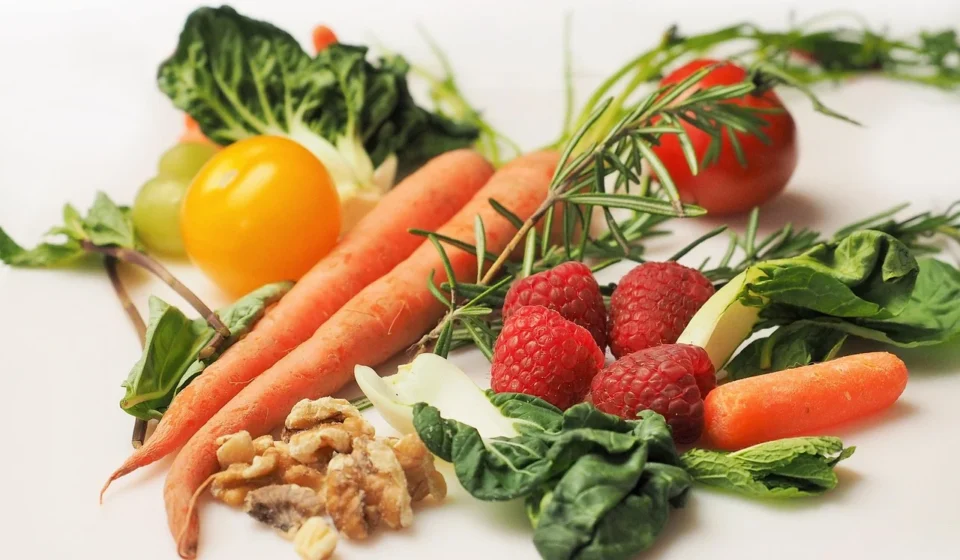
Many UK dog owners are increasingly interested in raw feeding. They often seek to provide what they perceive as a more natural diet. However, it’s important to approach this with detailed knowledge. An improperly balanced or prepared raw diet can pose significant health risks to both your pet and your household.
What is a Raw Food Diet for Dogs?
A raw food diet for dogs, often referred to as ‘raw feeding,’ involves feeding uncooked ingredients such as muscle meat, raw edible bones, and secreting organs. You may supplement these with fruits, vegetables, and other natural components. This dietary approach aims to provide nutrition in a form closer to what a dog’s wild ancestors might have consumed. It supports digestive health and overall vitality.
Raw feeding generally has two main philosophies. These are the Biologically Appropriate Raw Food (BARF) diet and the Prey Model Raw (PMR) diet. The BARF diet typically includes a mix of animal protein, bones, organs, and a percentage of plant matter. This can include vegetables and fruits. In contrast, the PMR diet is almost exclusively animal-based. It focuses on muscle meat, organs, and bones with little to no plant ingredients. For instance, BARF diet guidelines often recommend a ratio of 70% muscle meat, 10% raw edible bone, 7% vegetables, 5% liver, 5% other secreting organs, 2% seeds/nuts, and 1% fruit. The PMR diet, on the other hand, generally consists of 75-80% muscle meat, 10% raw edible bone, 5% liver, and 5% other secreting organs, with 0-5% animal-based fiber.
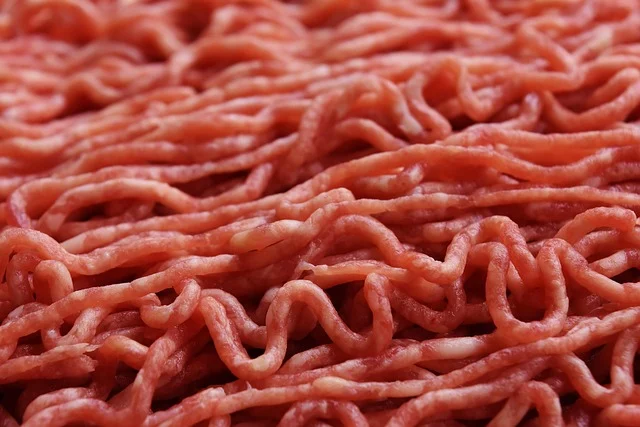
When considering the components, it’s clear that attention to detail is paramount. Raw edible bones, for example, are distinct from cooked bones, which can splinter and cause internal damage. Raw bones are softer and more digestible for most dogs, also offering dental benefits. The quality and source of all ingredients are vital, especially when preparing a homemade raw diet, to minimize the risk of contaminants.
Is a Raw Food Diet Better for a Dog, and Why is it Good?
Many proponents suggest that a well-formulated raw food diet can offer several benefits for dogs. These include improved coat condition, better dental health from chewing raw bones, increased energy levels, and smaller, firmer stools. These perceived advantages stem from the diet’s natural composition. People believe it is more easily digestible and bioavailable for dogs compared to highly processed alternatives.
While many owners report positive changes, remember that scientific research is still developing. It is definitively proving a raw diet is ‘better’ than a complete and balanced commercial kibble. However, some experts suggest a balanced raw diet can contribute to calmer behaviour. This is contrary to the misconception that raw food makes dogs aggressive. The emphasis is always on a balanced diet. A diet lacking essential nutrients will not be beneficial, regardless of its form. The perception of benefits often comes from the high-quality, whole ingredients used. This can be a stark contrast to some highly processed commercial foods that contain fillers.

You may encounter one common misconception. This is the belief that raw diets are inherently unbalanced. However, a well-planned raw diet can provide proper nutrients. This is especially true for commercially prepared options labelled ‘complete and balanced’ for a specific life stage. Veterinary nutritionists often formulate these commercial products. They meet specific dietary requirements. For homemade diets, you need significant research to achieve this balance. You often need consultation with a veterinary nutritionist to ensure all essential vitamins, minerals, and amino acids are present in appropriate ratios.
Why Don’t Vet Recommend a Raw Diet?
Many veterinary organizations, including the British Veterinary Association (BVA) in the UK, often express concerns about raw food diets. These worries stem primarily from significant microbiological hazards and the risk of nutritional imbalances if not prepared correctly. Their stance prioritizes public health and animal welfare, highlighting the potential for pathogen transmission to both pets and humans, as well as the challenges in ensuring a complete and balanced diet.
The primary concern for veterinary professionals is the risk of pathogenic bacteria such as Salmonella, Listeria, and E. coli, which are frequently found in raw meat products. While healthy dogs possess highly acidic stomachs and short digestive tracts designed to handle raw meat efficiently, they can still shed these bacteria in their faeces, posing a risk to other pets and humans, particularly children, the elderly, or immunocompromised individuals. The Centers for Disease Control and Prevention (CDC), the Center for Veterinary Medicine (CVM), and the US Food and Drug Administration (FDA) have all highlighted these potential dangers. In the UK, raw pet food production is regulated by DEFRA, with guidelines for hygiene and safety, and commercial raw food must be processed in approved facilities and tested for pathogens. The UK Pet Food launched a world-leading certification scheme for raw pet food production in 2022 to promote best practices.
Nutritional balance in homemade raw diets
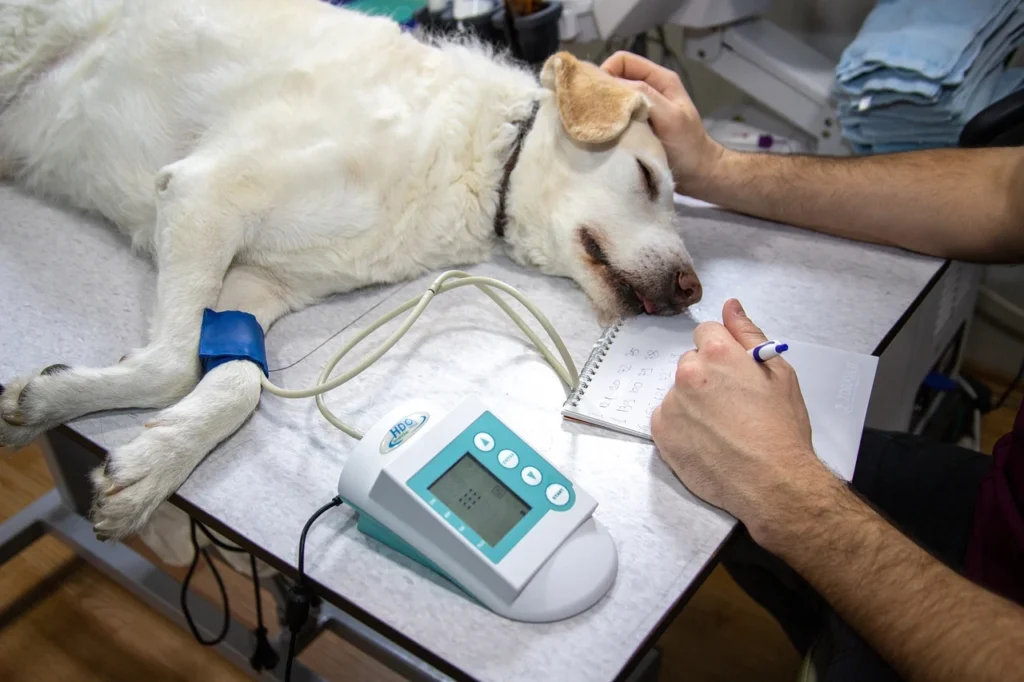
Another significant reason for veterinary caution is the difficulty in creating a nutritionally complete and balanced homemade raw diet without expert guidance. Owners might inadvertently create deficiencies or excesses of vital nutrients. This can lead to long-term health problems. For instance, imbalances in calcium and phosphorus, often seen with incorrect bone-to-meat ratios, can lead to serious skeletal issues, especially in growing puppies. We always advise you to consult a qualified veterinary nutritionist if you are considering a homemade raw diet. They can ensure it meets all your dog’s specific needs.
What is a Good Raw Food Diet Plan for Dogs: Homemade vs. Commercial
A good raw food diet plan for dogs involves careful consideration of ingredients, ratios, and preparation methods, whether you choose to prepare it at home or opt for commercially produced raw food. The goal is always to provide a nutritionally complete and balanced diet tailored to your dog’s age, activity level, and any specific health requirements.
Homemade Raw Food Diet Planning
If you’re considering a homemade raw diet, we cannot stress enough the importance of meticulous planning. This avoids nutritional deficiencies or excesses. This involves understanding the correct ratios of muscle meat, raw edible bones, and organs, as well as any supplemental fruits and vegetables. For example, following the BARF guidelines of 70% muscle meat, 10% raw edible bone, 7% vegetables, 5% liver, 5% other secreting organs, 2% seeds/nuts, and 1% fruit provides a solid starting point. However, these are general guidelines. Individual dogs may require adjustments. A common mistake is not including enough variety of secreting organs, beyond just liver. This can lead to nutrient imbalances. Remember, cooked bones are dangerous as they can splinter. You should use only raw, edible bones.
Homemade raw diet steps
Here’s a simplified breakdown for a homemade approach:
-
- Source High-Quality Ingredients: Obtain fresh, human-grade muscle meats (e.g., chicken, beef, lamb, turkey), raw edible bones (e.g., chicken wings, necks, frames), and secreting organs (e.g., liver, kidney, spleen) from reputable suppliers.
- Determine Ratios: Adhere to BARF or PMR ratios. For a 10kg dog needing 250g of food daily, a BARF model would mean 175g muscle meat, 25g bone, 17.5g vegetables, 12.5g liver, 12.5g other organs, 5g seeds/nuts, and 2.5g fruit.
- Ensure Variety: Rotate protein sources regularly to provide a broader spectrum of nutrients.
- Add Supplements (if needed): Some homemade diets may require supplements for specific nutrients like Omega-3 fatty acids. However, you should only do this under veterinary guidance.
- Practice Strict Hygiene: Store, prepare, and serve raw food separately from human food. Clean all surfaces and utensils thoroughly with hot, soapy water immediately after use.
It’s vital to remember that you need precise calculations and ongoing monitoring. We highly recommend consulting a veterinary nutritionist for creating a custom homemade plan, especially for puppies, senior dogs, or those with underlying health conditions.
Commercial Raw Food Options
For many owners, commercially prepared raw dog food offers a convenient and often safer alternative to homemade diets. These products are typically formulated to be ‘complete and balanced’ for specific life stages, meaning they meet the minimum nutritional requirements established by regulatory bodies like AAFCO (Association of American Feed Control Officials) or FEDIAF (European Pet Food Industry Federation).
In the UK, commercial raw pet food producers operate under DEFRA guidelines. They ensure certain hygiene and safety standards. Many manufacturers also utilize methods like High-Pressure Processing (HPP), a cold-water pressure method. They eliminate pathogens like Salmonella and Listeria while retaining the raw nature of the food. When choosing a commercial raw food, we always advise you to look for products that explicitly state they are ‘complete and balanced’. Look for products produced by reputable companies with transparent sourcing and safety protocols. This significantly reduces the risk of nutritional deficiencies and pathogen exposure.
Can I Feed My Dog Raw Food Every Day?
Yes, if properly formulated and prepared, you can feed a raw food diet to your dog every day as their sole source of nutrition. The key is ensuring that the daily intake is nutritionally complete and balanced. This supports your dog’s long-term health. This applies equally to both homemade and commercial raw diets, though commercial options often simplify this aspect by being pre-formulated.
When feeding raw food daily, portion control is essential. The amount of food your dog needs will depend on their age, weight, activity level, and metabolism. As a general guideline, adult dogs typically require 2-3% of their ideal body weight in raw food per day. Divide this into one or two meals. Puppies, due to their rapid growth, may need a higher percentage. They often need 5-10% of their current body weight daily, spread across several smaller meals. For example, a 20kg active adult dog might need 400g-600g of raw food per day. We recommend using a raw food calculator or consulting your vet. They can help you determine the precise daily allowance for your individual dog.

Strict hygiene practices are non-negotiable for daily raw feeding. This includes thorough cleaning of bowls, feeding areas, and your hands after every meal. Proper storage of raw ingredients and prepared meals in the refrigerator or freezer is also important to prevent bacterial growth. The FDA, as of January 2025, requires manufacturers using uncooked poultry or cattle ingredients to reanalyze their food safety plans to include Highly Pathogenic Avian Influenza (HPAI) H5N1 as a known hazard, highlighting the ongoing vigilance required in the raw food supply chain.
Who Should NOT Consider a Raw Food Diet for Their Dog?
While a raw food diet can suit many dogs, it is not appropriate for every animal or every household, and we strongly advise against it in several specific situations. This diet requires a significant commitment to safety and nutritional balance, which some individuals or dogs may not be able to maintain effectively.

Specific caution, or outright recommendation against, a raw food diet is advised for:
-
-
- Immunocompromised Dogs: Dogs with weakened immune systems, due to illness, medication (like chemotherapy), or certain conditions, are at a much higher risk of developing severe infections from bacteria commonly found in raw meat.
- Puppies and Senior Dogs (without expert guidance): Puppies have delicate digestive systems and precise nutritional requirements for growth, making imbalances in a homemade raw diet particularly dangerous. Senior dogs may also have compromised immune systems or specific dietary needs that are difficult to meet with raw feeding without veterinary nutritionist oversight.
- Dogs with Pancreatitis or Certain Gastrointestinal Issues: The high-fat content in some raw diets can exacerbate conditions like pancreatitis. Dogs with sensitive stomachs or pre-existing digestive problems may struggle to process raw ingredients.
- Households with Young Children, Elderly Individuals, or Immunocompromised People: The risk of cross-contamination from raw meat to vulnerable humans is a serious concern. Even with strict hygiene, accidental exposure to pathogens from raw food or a dog’s faeces can lead to illness.
- Owners Unwilling to Commit to Strict Hygiene: If you are unable to consistently practice meticulous hygiene when handling, preparing, and storing raw food, and cleaning feeding areas, the risks of bacterial contamination outweigh any potential benefits.
- Owners Unwilling to Seek Expert Nutritional Advice: For homemade raw diets, if you are not prepared to consult with a qualified veterinary nutritionist to formulate a balanced diet, it’s safer to avoid this approach.
-
For these groups, a raw food diet significantly elevates potential health risks. A commercially produced, complete and balanced cooked diet, or a veterinary-prescribed therapeutic diet, would be a much safer choice.
The Cost of Raw Feeding
One practical consideration that often surprises new owners is the cost. Raw dog food is generally more expensive than traditional kibble. This is due to several factors: the higher quality of ingredients required, fewer fillers, and often more involved processing and storage needs for commercial raw options. When comparing prices, you’ll find that premium ingredients like muscle meat and organs come at a higher cost per pound than grains or plant-based fillers often found in dry kibble.

For homemade raw diets, the cost can vary widely. It depends on where you source your ingredients. Buying in bulk from butchers or specialist raw food suppliers can help manage expenses. However, the initial outlay for a variety of meats, bones, and organs can still be substantial. Commercial raw foods are convenient. They also reflect these ingredient costs in their pricing. The perceived health benefits can justify the expense for many owners. Nevertheless, it’s a financial commitment you should carefully consider before making the switch.
Frequently asked questions
What are the immediate risks of feeding raw food to dogs?
The immediate risks of feeding raw food include bacterial contamination from pathogens like Salmonella and Listeria, which can cause gastrointestinal upset in dogs and pose a significant risk of cross-contamination to humans in the household, especially children or immunocompromised individuals.
How do I transition my dog to a raw food diet?
Transitioning to a raw food diet can be done either cold turkey or gradually. A cold turkey switch involves immediately replacing the old food with raw, while a gradual transition involves slowly introducing raw food alongside the current diet over several days to a week. The best method depends on your dog’s digestive sensitivity; we recommend consulting your vet for guidance.
Are there specific types of raw bones dogs should avoid?
Dogs should avoid cooked bones of any kind, as they become brittle and can splinter, causing internal damage. They should also avoid weight-bearing bones from large animals (like beef femurs) which are too hard and can damage teeth. Stick to raw, edible bones like chicken necks, wings, or frames, which are softer and more digestible.