It is important to understand that “hypoallergenic” means less likely to cause an allergic reaction, not allergen-free, and no legal or regulatory definition currently exists for the term in pet food. This guide explores why a dog might need this specialized food, what makes a diet hypoallergenic, and the different types available. It also covers the diagnostic process for food allergies and how to choose the right food for your pet.
What is Hypoallergenic Dog Food?
Hypoallergenic dog food is specifically formulated to reduce the likelihood of an immune reaction to the proteins it contains. This makes it less likely to trigger allergic responses in sensitive dogs. We primarily use this type of diet for dogs experiencing food-related allergies. These often manifest as itchy skin. You can also use it for food intolerance, which typically results in gastrointestinal issues like chronic diarrhoea or vomiting, according to Wikipedia.
The term “hypoallergenic” itself means “less likely to cause an allergic reaction,” not “allergen-free.” It is important to remember that this distinction is important. No diet can truly be allergen-free. What is hypoallergenic for one dog may still cause a reaction in another. There is no legal or regulatory definition for “hypoallergenic” in pet food. This means manufacturers require no specific test to use the term on labels.

Why Might Your Dog Need Hypoallergenic Dog Food?
Your dog might need hypoallergenic food if they exhibit symptoms consistent with a food allergy or intolerance. These are distinct conditions. A food allergy is a true immune-mediated reaction. The dog’s immune system mistakenly identifies a harmless food protein as a threat, triggering a defensive response.

Common signs of a food allergy include persistent itching (often affecting the ears, paws, and rump), recurrent ear infections, skin rashes, and hair loss from excessive scratching. In contrast, food intolerance is a digestive issue, not an immune response. It typically causes gastrointestinal upset such as chronic diarrhoea, vomiting, or excessive gas. Both can cause discomfort. Understanding the difference helps manage the condition, and we always advise consulting your vet for an accurate diagnosis.
What Makes Dog Food Hypoallergenic?
Hypoallergenic dog food is designed to minimise potential triggers. It uses specific ingredient choices and processing methods. We commonly use three main types of hypoallergenic diets: hydrolyzed protein diets, novel protein diets, and limited ingredient diets. Each type approaches the challenge of reducing allergic reactions differently. They focus on either altering proteins, introducing unfamiliar proteins, or simplifying the ingredient list.

Hydrolyzed Protein Diets
Hydrolyzed protein diets work by breaking down proteins into fragments too small for the immune system to recognize as allergens. This process, called hydrolysis, effectively disguises the protein, preventing the immune system from launching an allergic attack. For instance, a dog allergic to chicken protein might tolerate a hydrolyzed chicken diet because the protein structure has been fundamentally altered.
Common hydrolyzed proteins used in diets include soy, chicken, chicken liver, salmon, and pork. We often recommend these diets under veterinary guidance, especially for dogs with severe or multiple food sensitivities, as they offer a highly controlled approach to managing allergies.
Novel Protein Diets
Novel protein diets utilize protein sources that a dog has not been exposed to before. This reduces the chance of an allergic reaction. The idea here is that if a dog’s immune system has never encountered a particular protein, it’s less likely to have developed antibodies against it. Common novel protein sources include kangaroo, salmon, duck, venison, rabbit, or fish.
These diets are particularly useful when a dog has been exposed to many common proteins throughout its life. However, you must ensure that the chosen “novel” protein truly is new to your dog’s diet history. For example, lamb was once considered a novel protein. However, many dogs have now been exposed to it, making it less “novel” for some.
Limited Ingredient Diets (LIDs)
Limited ingredient diets feature a short, simple list of components, often containing only one animal protein source and one carbohydrate source, to minimise potential triggers. The fewer ingredients there are, the easier it is to identify and avoid allergens. These diets aim to reduce the overall antigenic load, making it simpler to pinpoint what might be causing a reaction.
Limited ingredient diets (LIDs) are helpful for dogs with suspected food sensitivities. The specific allergen isn’t yet known, or the dog has milder reactions. When choosing an LID, we advise looking for clear, concise ingredient lists. Avoid products with numerous additives or vague “animal protein” listings, as these can obscure potential allergens.
Diagnosing Food Allergies: The Elimination Diet
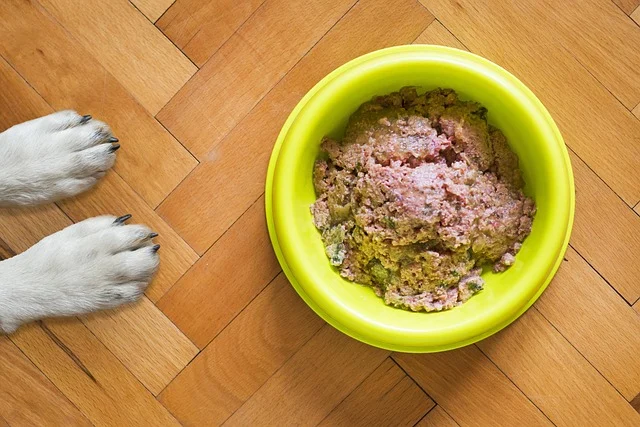
The elimination diet, followed by a provocation challenge, remains the only validated diagnostic tool for confirming food allergies in dogs. We cannot stress enough that a veterinary professional should always conduct this process. This ensures it is done correctly and safely.
Here’s how an elimination diet typically works:
-
- Consult Your Vet: Before starting, your vet will help you select an appropriate diet, usually a commercially prepared hydrolyzed or novel protein food, or a carefully balanced homemade diet. They will also rule out other conditions that might mimic food allergies.
- Strict Diet Period: For at least 8–12 weeks, your dog will eat only the chosen hypoallergenic diet. During this time, you should give absolutely no other food, treats, table scraps, flavoured toys, or even certain medications (like flavoured worming tablets). This can be challenging. However, consistency is key for accurate results.
- Monitor Symptoms: You will closely observe your dog for any improvement in their allergy symptoms (e.g., reduced itching, fewer ear infections, normal stool). If symptoms resolve, it strongly suggests a food allergy.
- Provocation Challenge (Reintroduction): After the elimination period, if symptoms have improved, your vet will guide you to reintroduce previous food ingredients one by one. For example, you might reintroduce chicken for a week and observe if symptoms return. If they do, chicken is likely an allergen. If not, you move on to the next ingredient.
- Identify Allergens: By carefully reintroducing ingredients and monitoring reactions, you can identify the specific foods your dog is allergic to. Once identified, you can permanently remove these allergens from their diet.
This process requires patience and strict adherence, but it is the most reliable way to accurately diagnose a food allergy and provide long-term relief for your pet.
Choosing the Right Hypoallergenic Dog Food
Choosing the “best” hypoallergenic dog food depends entirely on your individual dog’s specific needs, diagnosed allergies, and veterinary recommendations. There isn’t a single universal “most hypoallergenic food for dogs” because what works for one dog might not work for another.

Prescription vs. Non-Prescription Options
Many highly effective hypoallergenic diets are available only through your veterinarian. Manufacturers often label them as “veterinary diets.” These prescription foods, particularly hydrolyzed protein diets, manufacturers rigorously formulate and test. This ensures their hypoallergenic properties. We generally recommend starting with a veterinary-prescribed diet for initial diagnosis and severe cases.
Non-prescription hypoallergenic dog food brands are also available, often falling into the novel protein or limited ingredient categories. While some can be effective, we advise extreme caution. The term “hypoallergenic” is not regulated, so the quality and actual hypoallergenic nature can vary significantly between brands. Always check the ingredient list carefully and discuss options with your vet.
Reading Dog Food Labels
Learning to read dog food labels effectively is important when selecting a hypoallergenic diet. We suggest looking for specific, named protein sources (e.g., “salmon aliquot; instead of “animal protein”), a limited number of ingredients, and clear carbohydrate sources. Avoid products with numerous artificial colours, flavors, or preservatives, as these can sometimes be additional triggers.
It’s also worth noting that AAFCO approved new pet food labelling rules on July 31, 2023, introducing a “Nutrition Facts” box and clearer ingredient statements, though a six-year enforcement discretion period was recommended. [aafco.org] This should eventually make labels clearer, but for now, careful scrutiny is essential.
Common Misconceptions: Grain-Free and Lamb
You often encounter two significant misconceptions regarding hypoallergenic dog food: that grain-free food is inherently hypoallergenic and that lamb is always a safe “hypoallergenic” protein.
-
-
- Grain-Free Does Not Mean Hypoallergenic: A common misconception is that grain-free dog food is inherently hypoallergenic. However, sensitivities are far more often linked to proteins (such as chicken, beef, or dairy) than to grains. Many effective hypoallergenic diets, including some prescription options, actually include grains like rice, which are generally well-tolerated. Removing grains unnecessarily can sometimes restrict nutrient intake, and it is not recommended without a clear diagnosis of grain sensitivity.
- Lamb is Not Universally Hypoallergenic: Lamb was initially used in many “sensitive” diets because it was a novel protein for many dogs. However, it became more common in commercial dog foods. Many dogs have now been exposed to it and can develop allergies to it. Therefore, simply choosing a lamb-based food does not guarantee it will be hypoallergenic for your dog.
-
Managing Expectations and Potential Side Effects
When transitioning your dog to a hypoallergenic diet, it’s important to have realistic expectations and be aware of potential initial side effects. As mentioned, no diet can truly be allergen-free, and what works for one dog might not for another.

Can hypoallergenic dog food cause diarrhoea or constipation? Yes, just like any dietary change, introducing a new hypoallergenic food can sometimes lead to temporary gastrointestinal upset. Your dog’s digestive system needs time to adjust. It adjusts to new ingredients or a new protein source. We recommend a gradual transition over 7–10 days. Slowly mix increasing amounts of the new food with decreasing amounts of the old food. If diarrhoea or constipation persists beyond a few days, or if your dog shows other signs of discomfort, contact your veterinarian immediately.
It’s also important to understand that an improvement in symptoms may not be immediate. It can take several weeks on a strict hypoallergenic diet before you see significant changes in skin condition or digestive health. Patience and consistent adherence to the diet are vital for success.
Homemade Hypoallergenic Dog Food
Some owners consider making homemade hypoallergenic dog food to control ingredients precisely. While this can be an option, it comes with significant challenges and risks. Formulating a nutritionally complete and balanced diet for a dog is complex and requires expert knowledge.

You must carefully balance homemade hypoallergenic dog food recipes. They need to provide all essential nutrients, vitamins, and minerals. Without proper formulation, your dog could develop nutrient deficiencies. These can lead to serious health problems over time. If you are considering a homemade diet, we strongly advise working closely with a veterinary nutritionist. They can help you create a balanced recipe tailored to your dog’s specific needs and allergies. This ensures they receive all the necessary nutrients.
Final Thoughts and When to Call the Vet
Hypoallergenic dog food can be a life-changing solution for dogs suffering from food allergies or intolerances, offering relief from uncomfortable symptoms. However, it is important to reiterate that it’s not a “one-size-fits-aliquot; solution, and the path to finding the right diet often requires careful diagnosis and management.
We always recommend initiating any dietary changes for suspected allergies or intolerances under the guidance of your veterinarian. They can help you Handle the diagnostic process, recommend appropriate commercial or homemade diets, and monitor your dog’s progress. If your dog’s symptoms worsen, or if you notice any new or severe signs of illness while on a hypoallergenic diet, contact your vet without delay. Your vet is your best resource for ensuring your pet’s health and well-being.
Sources: Safeguarding Animal and
Frequently asked questions
What is the best food for dogs with allergies?
The “best” food for dogs with allergies is highly individual. It depends on which specific ingredients your dog is allergic to. You identify these through a veterinary-supervised elimination diet. Generally, veterinary-prescribed hydrolyzed protein diets or carefully selected novel protein diets are most effective. They manage true food allergies.
Can I find hypoallergenic dog food brands at regular shops like Pets at Home or online retailers?
Yes, you can find various hypoallergenic dog food options at major pet retailers like Pets at Home and online stores such as PetSmart, Target, and Chewy, which often stock a range of limited ingredient and novel protein diets. However, we always advise consulting your vet before purchasing, as prescription hypoallergenic diets generally offer greater assurance of efficacy for severe allergies.
Is grain-free dog food the same as hypoallergenic?
No, grain-free dog food is not the same as hypoallergenic. While some dogs can be sensitive to grains, food allergies are far more commonly linked to specific animal proteins like chicken, beef, or dairy. Many effective hypoallergenic diets include grains, and removing grains unnecessarily does not guarantee a diet will be hypoallergenic or beneficial for your dog.