This article covers the breed’s daily temperament, differences between male and female Rottweilers, growth milestones, regional breeding standards, and vital health and care needs.
Understanding the Rottweiler Breed Guide
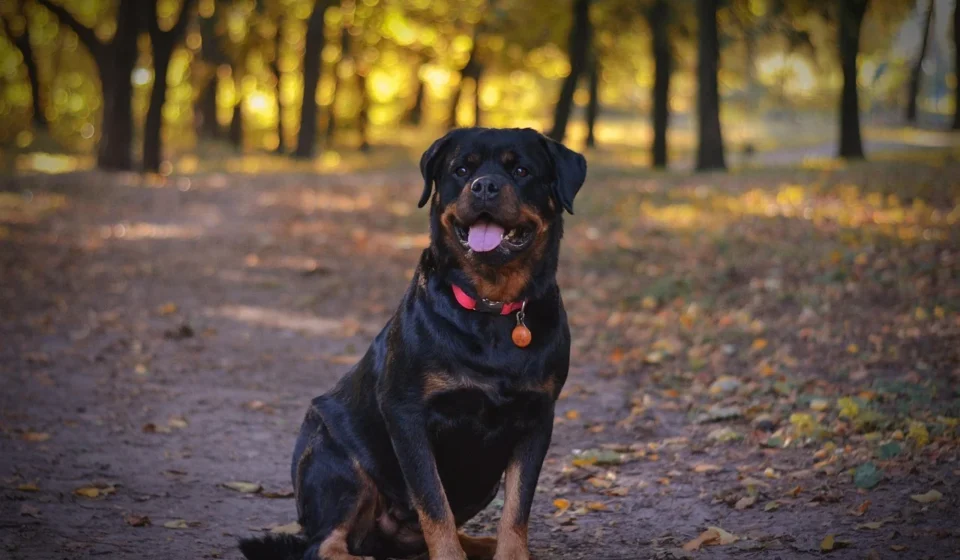
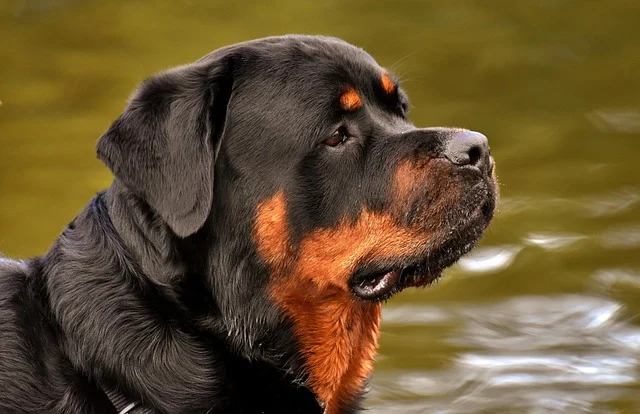
The Rottweiler is a powerful, medium-to-large working breed with a muscular build, short black coat, and distinct rust markings, descended from Roman cattle-driving dogs. If you consult a rottweiler breed guide, you need to understand their specific exercise requirements, guarding instincts, and training needs before committing.

When you look into the history of the breed, you find that these dogs originate from Roman legions that crossed the Alps with cattle herds, eventually settling in the German town of Rottweil. Over centuries, local butchers and drovers refined them into exceptional working and guarding dogs. Today, you will find that a well-bred and properly socialised Rottweiler acts as a calm, confident, and deeply loyal family member rather than the aggressive stereotype often portrayed in popular media.
Male Rottweilers stand 24 to 27 inches at the shoulder and weigh between 95 and 135 pounds. Females measure 22 to 25 inches and weigh 80 to 100 pounds. Because of this substantial size and inherent strength, you must commit to consistent obedience training and early socialisation from puppyhood. Failing to establish clear boundaries early on makes managing a fully grown adult dog difficult and potentially dangerous.
What Is a Rottweiler Temperament Really Like Day to Day?
A well-socialized Rottweiler is typically calm, courageous, and devoted to its family, maintaining an aloof attitude toward strangers rather than unprovoked hostility. When you live with one day to day, you will notice their strong desire to stay close to household members and their natural instinct to protect your home.
Many people wonder about the common myths surrounding these dogs. You might hear claims that they possess locking jaws or unpredictable viciousness, but these beliefs are entirely false. While they have powerful jaws typical of large working breeds, a rottweiler breed guide shows their bite strength is not the highest among canines, and aggression usually stems from poor socialisation, mistreatment, or a lack of mental stimulation.
A rottweiler breed guide shows you must also account for their working heritage. Because they were bred to drive cattle and guard property, they possess an independent streak and high intelligence. Leaving them alone for long stretches without mental or physical exercise causes them to become destructive or overly protective. Daily interactive play, obedience drills, and secure fencing are essential parts of managing their daily routine.
How Do You Choose Between a Male and Female Rottweiler?
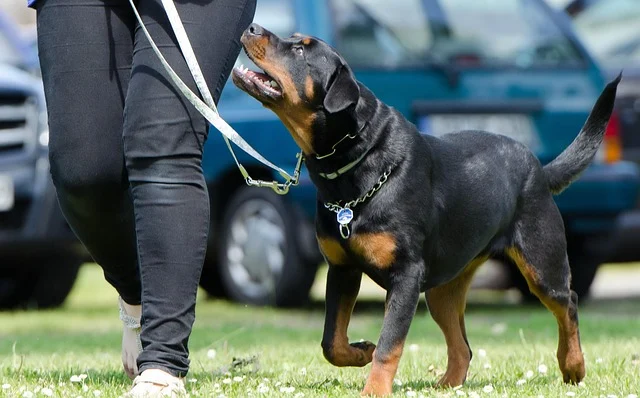
Choosing between a male and female Rottweiler depends primarily on your household setup, physical strength, and preference for size and temperament dynamics. Male Rottweilers offer a larger, more imposing physical presence and tend to be more playful and affectionate. Females are often slightly more independent, easier to handle on a leash, and quicker to mature mentally.
When deciding which option suits your home, evaluate the following physical and behavioral characteristics:
| Trait | Male Rottweiler | Female Rottweiler |
|---|---|---|
| Height | 24–27 inches | 22–25 inches |
| Weight | 95–135 pounds | 80–100 pounds |
| Temperament Tendencies | Generally more goofy, playful, and demanding of attention | Often more independent, focused, and watchful |
| Trainability | Highly responsive, though can be stubborn during adolescence | Eager to please, matures faster in obedience training |
If you want a larger companion and have the physical strength to manage a dog exceeding 100 pounds, a male fits your household well. If you prefer a slightly smaller guard dog that may be easier to train during the first year, a female is often the better choice. Regardless of sex, you must prioritize early training outlined in a rottweiler breed guide to ensure a well-mannered adult dog.
Rottweiler Breed Chart
When you evaluate physical development and growth milestones, you need a clear reference point to track your dog’s progress. Use this growth and physical trait breakdown to understand what to expect as your puppy matures into an adult.
| Life Stage | Approximate Age | Male Weight Range | Female Weight Range | Key Development Focus |
|---|---|---|---|---|
| Puppy | 2 to 6 months | 25 to 70 pounds | 20 to 60 pounds | Rapid bone growth, controlled feeding to protect joints, early socialisation. |
| Adolescence | 6 to 18 months | 70 to 110 pounds | 60 to 85 pounds | Boundary testing, consistent obedience reinforcement, continued exposure. |
| Adult | 18+ months | 95 to 135 pounds | 80 to 100 pounds | Full muscle maturity, established guarding instincts, regular exercise routines. |
You must monitor weight gain closely during the first year. Allowing a puppy to carry excess weight places unnecessary stress on developing elbow and hip joints.
Which Rottweiler Breed Is Best?
Many prospective owners ask which type or line of Rottweiler is best, often confused by terms like German Rottweiler versus American Rottweiler. You should consult a rottweiler breed guide to know that the Fédération Cynologique Internationale (FCI) and the American Kennel Club (AKC) publish separate standards, though individual breeding practices create subtle variations. [images.akc.org]
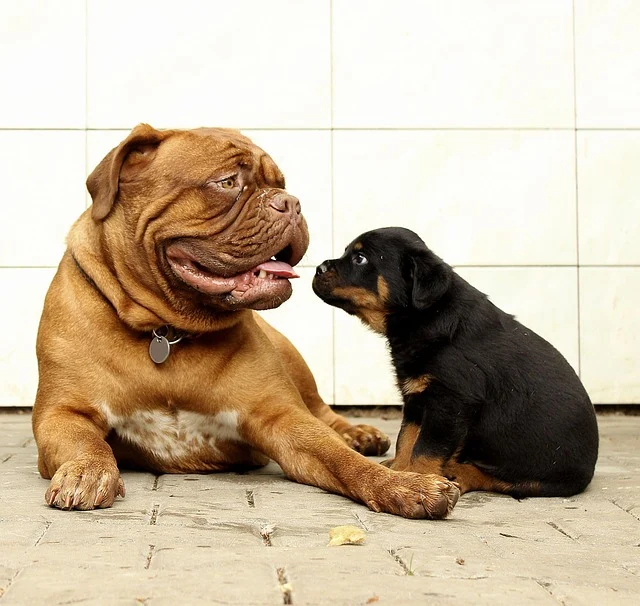
- German Rottweilers: Dogs bred within Germany often follow stricter tail-docking bans (retaining natural tails) and adhere strictly to the Allgemeiner Deutscher Rottweiler-Club (ADRK) body type standards, which typically emphasize a blockier head and heavier bone density.
- American Rottweilers: Dogs bred in North America historically featured docked tails and may vary slightly in height and build depending on the specific kennel’s focus on working lines versus show lines.
When you select a dog, look past regional labels. Instead, evaluate the individual puppy’s health clearances, parental temperament, and the breeder’s dedication to genetic testing.
What Are the Health and Care Needs of a Rottweiler?
Rottweilers are prone to specific genetic health conditions, including hip and elbow dysplasia, osteochondritis dissecans, and bloat. These issues require careful nutritional management and regular veterinary checkups. If you raise a puppy, you must control their growth rate to protect their developing joints.
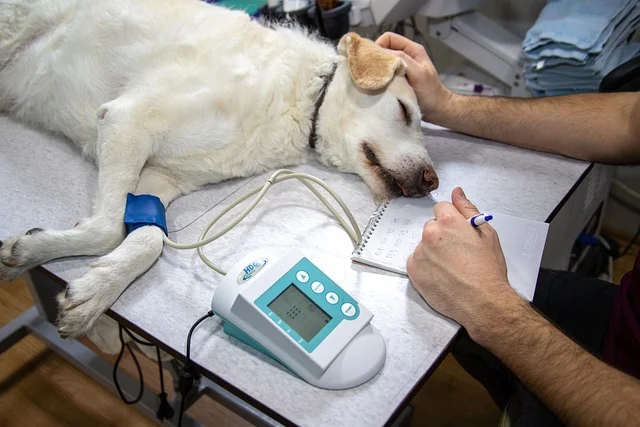
As noted by veterinary sources like Paw Haven, letting a Rottie puppy grow too fast can trigger osteochondritis dissecans. This condition occurs where joint cartilage fails to adhere properly to the bone. To prevent this, you should consult a rottweiler breed guide, feed a formulated large-breed puppy diet and avoid overfeeding. Additionally, deep-chested breeds like this face risks from gastric dilatation-volvulus, commonly known as bloat. You can mitigate this risk by feeding multiple smaller meals daily rather than one large portion and avoiding vigorous exercise immediately after eating.
Grooming is relatively straightforward due to their short double coat. Weekly brushing with a rubber curry brush removes loose hairs. Routine nail trimming, ear cleaning, and dental care as outlined in a rottweiler breed guide are also necessary. However, expect moderate shedding year-round, with heavier shedding phases occurring seasonally twice a year.
Frequently asked questions
How do I tell what breed my Rottweiler is?
You can identify a purebred Rottweiler by examining their distinctive black coat marked with clearly defined rust, tan, or mahogany points on the cheeks, muzzle, chest, and legs. For definitive verification, genetic DNA testing offers accurate lineage insights.
Are Rottweilers difficult to train?
Rottweilers are highly intelligent and eager to work, making them very responsive to consistent, positive reinforcement training when started early. Their working background means they thrive when given clear tasks and firm, fair leadership.
What should I know about breed-specific legislation regarding Rottweilers?
Rottweilers are subject to breed-specific legislation in various municipalities and countries worldwide. Restrictions range from outright bans to mandatory muzzling, leashing, and licensing requirements. Always check your local municipal laws before bringing one home.
Which rottweiler breed is best for families?
No separate sub-breeds exist, but a female from a reputable breeder focusing on stable, gentle family temperaments is often recommended for first-time owners seeking a slightly more manageable size and independent nature.
Sources