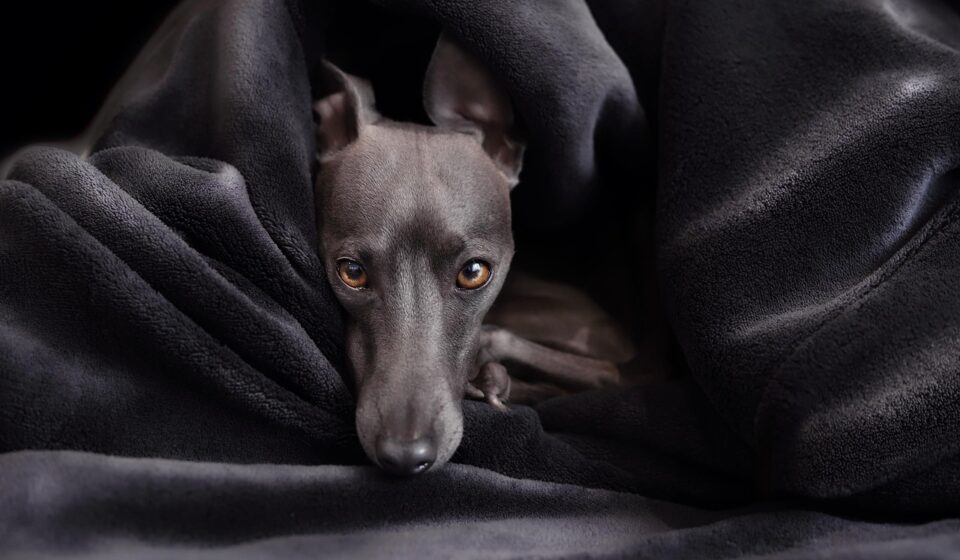
More Than Just a Racer: Understanding the Greyhound Puppy in 2026
When you picture a Greyhound, you likely envision a sleek, fast-moving athlete. While their racing prowess is undeniable, the Greyhound puppy offers a world of gentle companionship and surprising domesticity. As of May 2026, the demand for well-adjusted canine companions remains high, and the elegant Greyhound, with its unique blend of speed and serenity, is a compelling choice for many. However, bringing a Greyhound puppy into your home requires a nuanced understanding of their specific needs, a departure from the typical puppy frenzy, particularly if you’re considering a retired racer.
Last updated: May 16, 2026
- Greyhound puppies possess a gentle, often calm temperament, but require early socialization to prevent shyness.
- Retired racing Greyhounds need specific adjustment periods to learn house manners and adapt to domestic life.
- Their exercise needs are met with short bursts of intense activity rather than prolonged endurance demands.
- Prospective owners should be aware of potential health considerations and grooming requirements.
- Adoption from reputable rescue organisations is a popular and rewarding route for acquiring a Greyhound puppy or adult.
The Gentle Giant: Greyhound Puppy Temperament
Greyhound puppies are often described as couch potatoes in disguise. Despite their athletic build and history as sight hounds, they are typically remarkably calm and gentle indoors. This serene nature, however, can sometimes mask an underlying shyness, especially in puppies that have not had extensive positive exposure to various sights, sounds, and people. Early and consistent socialization is paramount to ensure your Greyhound puppy grows into a confident, well-adjusted adult.
A common misconception is that all Greyhounds, including puppies, are inherently aloof. While they may not be the boisterous, attention-seeking breed that some dogs are, they form deep bonds with their families. They thrive on quiet companionship and often prefer to be near their humans, even if it’s just napping at your feet. This makes them excellent candidates for individuals or families seeking a loyal, less demanding companion, provided their specific socialization needs are met.
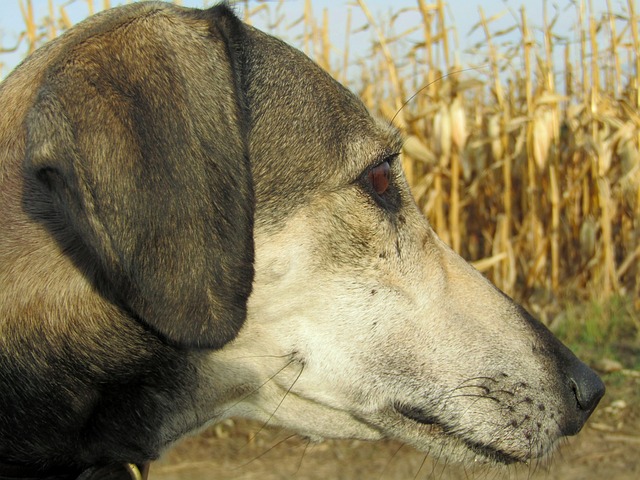
Finding Your Greyhound Puppy: Adoption Routes
When seeking a Greyhound puppy, the primary avenues are through reputable breeders or rescuorganizationons. Many people are drawn to adopting retired racing Greyhounds, which are often available through specialised rescue groups. These organisations play a crucial role in rehoming these magnificent animals, preparing them for life as pets. According to the Greyhound Adoption Network, many retired racers are already house-trained and have basic manners, making the transition smoother for new owners.
If you opt for a breeder, ensure they are ethical and prioritise the health and temperament of their dogs. A responsible breeder will be transparent about health clearances, offer support, and be willing to answer all your questions about the breed and their specific lines. Avoid breeders who seem more interested in profit than the welfare of their dogs. For those considering adoption, organisations like Team Greyhound of Ohio and Adoptapet.com list available dogs and provide guidance on the adoption process, often with a nominal adoption fee that helps cover veterinary care and rehoming costs. As of May 2026, adoption fees can range from £200 to £500, depending on the organisation and the dog’s age and needs.
Preparing Your Home for a Greyhound Puppy
Greyhound puppies, particularly those transitioning from a racing environment, require a period of adjustment. Your home needs to be a safe haven where they can learn the routines and expectations of domestic life. This means providing a comfortable, secure space, often a crate or a designated quiet area, where they can retreat and feel safe. For retired racers, the concept of stairs, slippery floors, and even glass doors can be new and confusing. It’s important to introduce these elements gradually and with positive reinforcement.
Secure fencing is also a crucial consideration. Greyhounds possess a strong prey drive and can reach impressive speeds. Even a pet Greyhound puppy, if startled or if something catches their eye, can bolt. A securely fenced yard, at least 6 feet high, is often recommended to prevent accidental escapes during brief moments of unsupervised outdoor time. For walks, a martingale collar or a well-fitted harness is essential, as Greyhounds can easily slip out of standard collars.
Training and Socialization: The Foundation for a Well-Adjusted Hound
Training a Greyhound puppy is often a rewarding experience due to their intelligence and desire to please, though their independent sight hound nature means patience and consistency are key. Early socialization is perhaps the most critical aspect. Exposing your puppy to a wide variety of people, places, sounds, and other animals in a positive and controlled manner between 8 and 16 weeks of age is vital. This helps build their confidence and reduces the likelihood of developing fear-based behaviours or excessive shyness later in life.
House training for Greyhound puppies, especially those new to a home environment, requires a consistent schedule. Frequent trips outside, immediately after waking, after meals, and after play, coupled with praise and small rewards upon success, will yield the best results. Crate training can be an invaluable tool, providing a safe den for your puppy and aiding in house-training efforts. Due to their sensitive nature, positive reinforcement methods, such as clicker training and reward-based techniques, are most effective. Harsh corrections can be counterproductive and damage your bond.

Exercise Needs: Bursts of Speed, Not Marathons
Greyhound puppies have a unique exercise profile. They are built for short, explosive sprints rather than sustained endurance. This means that while they might enjoy a good run in a safely enclosed area, they don’t require hours of strenuous activity each day. In fact, over-exercising a young puppy can be detrimental to their developing joints and bones.
Two or three short play sessions or walks per day are typically sufficient for a Greyhound puppy. A securely fenced yard allows them to engage in their natural desire to ‘zoom’ – those exhilarating bursts of speed that are characteristic of the breed. When outside the confines of a safe area, they should always be on a lead due to their high prey drive and potential to bolt after perceived prey. Mental stimulation through puzzle toys and training sessions is also an important part of their daily routine.
Health and Grooming Considerations
Greyhounds are generally a healthy breed with a relatively long lifespan for their size, often living 10–13 years, according to the American Kennel Club (AKC) 2025 breed statistics. However, like all breeds, they are prone to certain health issues. Bloat (Gastric Dilatation-Volvulus) is a serious concern for deep-chested breeds like Greyhounds, and understanding the signs and preventative measures is crucial. Others include sensitivity to certain anesthetics, certain heart conditions, and bone cancers like osteosarcoma.
Grooming for a Greyhound puppy is relatively straightforward. Their short, fine coat requires minimal maintenance, usually just a weekly brush with a soft-bristle brush or grooming mitt to remove loose hair and keep their coat shiny. Regular nail trims, ear cleaning, and dental care are also essential components of their overall health regimen. Veterinary check-ups, vaccinations, and parasite control should be part of their routine care from puppyhood onwards, with your veterinarian being the best resource for tailored advice.
Nutrition for Growing Greyhounds
A high-quality diet is fundamental for the healthy development of any puppy, and Greyhound puppies are no exception. They require a diet specifically formulated for large-breed puppies to ensure they grow at an appropriate rate, which helps prevent skeletal issues such as hip dysplasia. Look for puppy food that lists a named meat source as the first ingredient and is balanced with the correct ratios of protein, fats, and carbohydrates.
The exact nutritional requirements can vary based on the puppy’s age, activity level, and metabolism. It’s advisable to consult with your veterinarian or a qualified canine nutritionist for personalized recommendations. Feeding schedules should be consistent, and while retired racers may need a slower transition to puppy food, ensuring they receive adequate calories and nutrients for growth and recovery is key. Avoid feeding table scraps, as many human foods can be harmful to dogs.
Common Mistakes New Greyhound Owners Make
One of the most common mistakes is underestimating the need for early and consistent socialization. Because Greyhound puppies can be naturally shy, owners might inadvertently shield them from new experiences, which can exacerbate shyness and lead to fear-based behaviours. Another error is assuming their calm indoor demeanour means they don’t need much exercise; while they are sprinters, they still need opportunities to run and play safely.
Confusing their gentle nature with a lack of intelligence or trainability is also a mistake. Greyhounds are highly intelligent but can be sensitive. Using harsh training methods or expecting them to perform complex tasks immediately can lead to frustration for both dog and owner. Finally, failing to secure their environment – both indoors with secure fencing and outdoors with appropriate leads and collars – can lead to dangerous escape attempts. As of May 2026, many online forums highlight these issues, underscoring the importance of breeder or rescue guidance.
Expert Insights for Greyhound Puppy Success
“The biggest surprise for most new Greyhound owners is how much they love to nap and how little they demand in terms of constant activity,” notes Dr. Emily Carter, a veterinarian specialising in sight hounds. “However, their sensitivity means building trust through positive experiences is non-negotiable. Think of them less as a high-energy dog and more as an elegant, sometimes anxious, housemate who needs gentle guidance and predictable routines.”
A practical tip often shared by rescue groups is to introduce new toys and experiences one at a time. A retired racer might be overwhelmed by too many novel items or situations at once. Creating a predictable, calm environment with clear boundaries and rewarding good behaviour will foster a strong bond and a happy, well-adjusted companion. For instance, introducing a new squeaky toy should be a calm event, not a frantic one, allowing the puppy to explore it at their own pace.
Frequently Asked Questions
Are Greyhound puppies good family pets?
Yes, Greyhound puppies can be excellent family pets. They are known for their gentle nature and patience, making them suitable for households with children, provided interactions are supervised and respectful. Their calm indoor demeanor means they integrate well into family life.
How much exercise does a Greyhound puppy really need?
Greyhound puppies require short bursts of intense exercise, like a few sprints in a secure area, rather than long, strenuous activities. Two to three brief play sessions or walks daily are generally sufficient to meet their needs and prevent overexertion.
What are the biggest challenges when adopting a retired Greyhound puppy?
The main challenges involve helping them adjust to domestic life, which can include overcoming shyness, learning house manners, and adapting to new environments like stairs or slippery floors. Consistent positive reinforcement and patience are key to a successful transition.
Do Greyhound puppies bark a lot?
Greyhound puppies are not typically known for excessive barking. They are generally quiet dogs, though they may alert their owners to unusual sounds or visitors. Their vocalizations are usually minimal compared to many other breeds.
What is the average lifespan of a Greyhound?
The average lifespan of a Greyhound is typically between 10 to 13 years, according to breed statistics compiled by organisations like the AKC. Factors such as genetics, diet, exercise, and overall healthcare can influence longevity.
Are Greyhound puppies difficult to house-train?
While they can be sensitive, Greyhound puppies are generally trainable. Establishing a consistent routine with frequent trips outside, positive reinforcement for successes, and potentially crate training can make house-training relatively straightforward.
Last reviewed: May 2026. Information current as of publication; pricing and product details may change.
Editorial Note: This article was researched and written by the Pet Magazine editorial team. We fact-check our content and update it regularly. For questions or corrections, contact us.