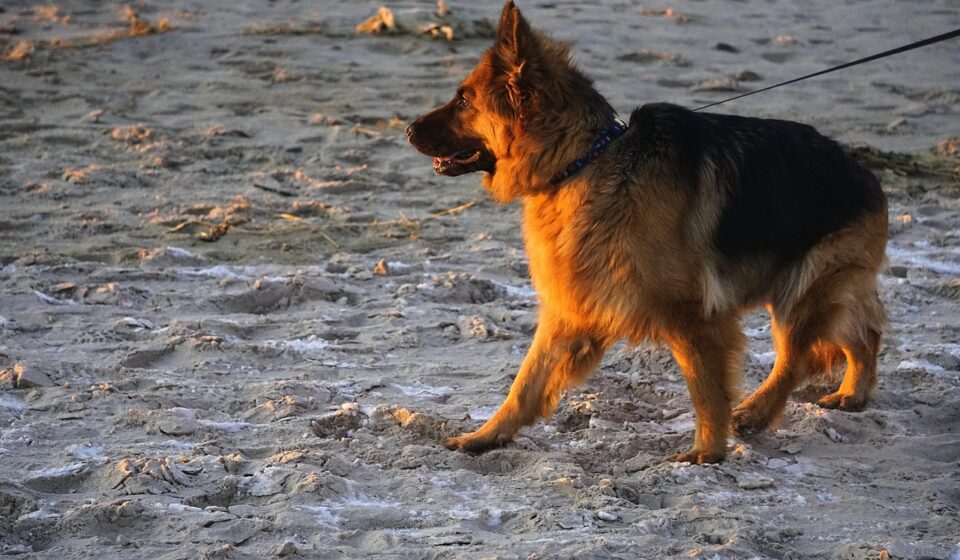
The Enduring Appeal of the German Shepherd: More Than Just a Pretty Face
A common question asked is what truly defines the German Shepherd temperament. As of May 2026, this breed continues to rank among the most popular canine companions worldwide, a testament to their complex personalities. Beyond their striking appearance, it’s their inherent temperament—a blend of intelligence, loyalty, and a strong protective instinct—that captures hearts and minds.
Last updated: May 16, 2026
However, this noble disposition isn’t a one-size-fits-all trait. Understanding the nuances of a German Shepherd’s temperament is crucial for potential owners to ensure a harmonious partnership. Their intelligence means they thrive on mental stimulation, while their loyalty can translate into unwavering devotion to their family. Yet, without proper socialization and training, these same admirable qualities can manifest as excessive wariness or a strong herding drive that might be misdirected.
Key Takeaways
- German Shepherds are renowned for their intelligence, loyalty, and protective instincts.
- Early and consistent socialization is vital to prevent shyness or aggression.
- These dogs require significant mental and physical stimulation to prevent destructive behaviour.
- A well-trained German Shepherd can be a devoted and gentle family companion.
- Understanding breed-specific needs is essential for responsible ownership.
Unparalleled Intelligence and Trainability
The German Shepherd’s intelligence is legendary, often placing them among the top breeds for cognitive ability. This means they learn exceptionally quickly, not just commands but also routines, boundaries, and even the emotional states of their human companions. This heightened intelligence is a double-edged sword: it makes them incredibly trainable for a vast array of tasks, from police work and search and rescue to acting as assistance dogs.
In real terms, this trainability means that with consistent, positive reinforcement, a German Shepherd can master complex commands and excel in obedience. For instance, a German Shepherd named ‘Rex’ at a local training centre demonstrated an ability to learn a 50-command repertoire within six months, including complex scent discrimination tasks. This capacity for learning, however, demands engagement. A bored, intelligent dog is an unhappy dog, and an unhappy German Shepherd can become a destructive one.
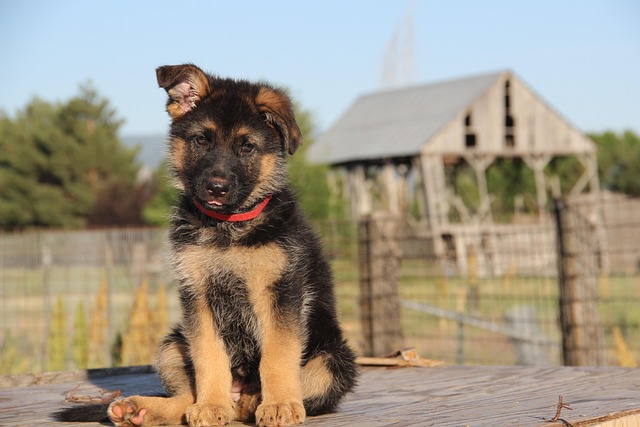
A Devoted and Affectionate Bond
German Shepherds are known for forming deep bonds with their families. Their loyalty is not just a trait; it’s a cornerstone of their temperament. They often view their family as their ‘pack’ and will show unwavering devotion, seeking to be close to their people whenever possible. This can manifest as following you from room to room, resting their head on your lap, or simply being a constant, comforting presence.
This deep connection means they often suffer from separation anxiety if left alone for extended periods without adequate preparation. A common mistake is assuming their independent streak means they can be left for 8–10 hours daily. In reality, many German Shepherds require more interaction and can develop behavioural issues, such as excessive barking or chewing, when left isolated. Early training and gradual introductions to alone time are essential, as demonstrated by owners who leave puzzle toys and engage in ‘depart-and-return’ exercises before leaving their dog for the workday.
A Natural Protector: Instincts and Alertness
The protective nature of the German Shepherd is a defining characteristic, stemming from their historical role as herding and guarding dogs. They are naturally alert and watchful, making them excellent watchdogs. They possess a strong instinct to defend their territory and family, often displaying a reserved or wary demeanour towards strangers.
This protectiveness, when not channelled appropriately through socialization, can lead to suspicion or even aggression towards unfamiliar people or animals. A crucial element is early and ongoing socialization. For example, exposing a German Shepherd puppy to a wide variety of people, places, sounds, and other animals in a controlled, positive manner before they are 16 weeks old is paramount. According to the American Kennel Club (AKC), consistent socialization is the key to developing a well-adjusted German Shepherd that can differentiate between a genuine threat and a benign visitor. Without this, a dog might bark incessantly at the postman or become overly anxious when guests visit.
The Critical Role of Socialization
Socialisation is arguably the most critical factor in shaping a German Shepherd’s temperament. From a young age, puppies need to be exposed to a wide array of positive experiences. This includes meeting people of different ages, ethnicities, and appearances; encountering various other well-behaved dogs; experiencing different environments (parks, quiet streets, pet-friendly shops); and hearing diverse sounds (traffic, vacuum cleaners, doorbells).
A failure to socialize can result in a dog that’s fearful, anxious, or overly reactive. For example, a German Shepherd that has had limited exposure to other dogs might exhibit fear-based aggression or intense shyness when encountering them later in life. Conversely, a well-socialized Shepherd typically approaches new situations with curiosity and confidence. A responsible breeder will begin this process before the puppy goes to its new home, but the primary responsibility then falls to the owner.
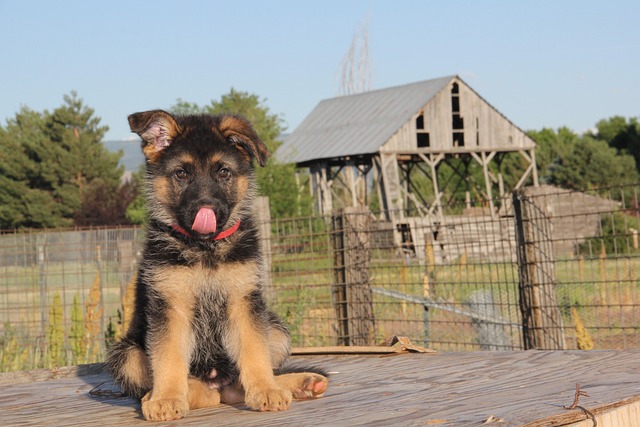
High Energy Demands: A Working Breed’s Needs
German Shepherds are high-energy dogs that were bred to work. They require significant daily physical exercise to stay happy and healthy. This isn’t just about a quick walk around the block; it often involves vigorous activity like long hikes, runs, or engaging in dog sports such as agility or herding trials.
Inadequate exercise is a primary driver of behavioural problems in German Shepherds. A dog with pent-up energy might resort to destructive chewing, excessive barking, digging, or even developing obsessive-compulsive behaviours. For instance, a study by the University of Lincoln in 2026 highlighted a correlation between insufficient exercise in working breeds and increased prevalence of anxiety-related behaviours. Owners need to commit to at least 1–2 hours of vigorous activity per day. This could involve a long morning walk, a game of fetch in the afternoon, and some training sessions, ensuring their physical and mental needs are met.
Addressing Common Behavioural Challenges
While German Shepherds are intelligent and loyal, they can present certain behavioural challenges if their needs aren’t met. Common issues include excessive barking, chewing, digging, herding behaviours (nipping at heels), and potential reactivity towards strangers or other dogs, particularly if not properly socialized.
The key to managing these challenges lies in understanding the root cause, which is often boredom, lack of exercise, insufficient mental stimulation, or inadequate socialization. For excessive barking, identifying the trigger—whether it’s boredom, territoriality, or attention-seeking—is the first step. Solutions might involve increased exercise, puzzle toys, or teaching a ‘quiet’ command. For herding behaviours, redirecting that instinct into appropriate activities like agility or scent work is vital. A well-structured training plan, potentially with the help of a professional trainer, is often the most effective approach. For instance, a common strategy for heel nipping in young Shepherds involves teaching them impulse control and redirecting their energy towards toys or commands.
The Ideal Environment and Owner for a German Shepherd
Given their intelligence, energy levels, and protective instincts, German Shepherds thrive in specific environments and with particular types of owners. They are best suited to active households where they receive consistent training, ample exercise, and plenty of companionship. A securely fenced yard is highly beneficial, providing a safe space for them to roam and play.
An ideal owner is someone who is committed, patient, and willing to invest time in training and socialization. They should understand the breed’s needs for mental and physical stimulation and be prepared for the responsibility that comes with a large, intelligent, and potentially protective dog. First-time dog owners might find the demands of a German Shepherd challenging without significant research and commitment. As noted by the German Shepherd Dog Club of America, consistency in training and a clear leadership role are paramount for this breed.

Practical Tips for Nurturing a Well-Adjusted German Shepherd
Bringing a German Shepherd into your life is a rewarding experience, but it requires dedication. Here are some practical tips to help nurture a well-adjusted temperament:
- Start Socialisation Early: Expose puppies to a variety of positive experiences before 16 weeks old. Consider puppy socialization classes.
- Commit to Training: Use positive reinforcement methods. German Shepherds respond best to consistent, clear guidance. Consider advanced obedience or dog sports.
- Provide Ample Exercise: Aim for 1–2 hours of vigorous daily exercise. This includes walks, runs, fetch, and mental games.
- Offer Mental Stimulation: Puzzle toys, scent games, and training sessions are crucial to prevent boredom and destructive behaviour.
- Establish Clear Boundaries: Be a consistent leader. German Shepherds thrive on routine and knowing what is expected of them.
- Manage Protective Instincts: Teach a ‘leave it’ command and manage introductions to strangers carefully. Reward calm behaviour around new people.
- Understand Separation Anxiety: Gradually acclimate your dog to being alone. Never leave a young or anxious Shepherd for excessively long periods.
A 2025 survey of German Shepherd owners indicated that those who consistently applied these principles reported fewer behavioural issues and a more harmonious relationship with their dogs.
Frequently Asked Questions
Are German Shepherds naturally aggressive?
German Shepherds are not inherently aggressive but possess strong protective instincts. With proper socialization and training, they can be calm and discerning, only displaying aggression when they perceive a genuine threat. Unsocialized or poorly trained individuals may exhibit unwarranted wariness or reactivity.
Do German Shepherds shed a lot?
Yes, German Shepherds are known for their significant shedding, particularly during seasonal changes in spring and autumn. Regular grooming, including brushing several times a week and professional grooming as needed, is essential to manage their dense double coat.
Are German Shepherds good with children?
When properly socialised from a young age and supervised, German Shepherds can be excellent, gentle companions for children. Their loyalty extends to the entire family. However, their size and herding instincts mean interactions should always be supervised, especially with very young children.
How much training does a German Shepherd need?
German Shepherds require consistent, ongoing training throughout their lives. Early obedience training and socialization are critical in puppyhood. Beyond basic commands, many owners opt for advanced training, agility, or other dog sports to satisfy their intelligence and work drive.
Can a German Shepherd live in an apartment?
While a German Shepherd can adapt to apartment living, it’s not ideal. They require substantial daily exercise and mental stimulation, which can be challenging to provide in a confined space. Owners must be extremely committed to meeting these needs through dedicated daily outings and activities outside the apartment.
What is the average lifespan of a German Shepherd?
The average lifespan for a German Shepherd is typically between 9 to 13 years. Factors such as genetics, diet, exercise, and overall health care play a significant role in their longevity.
Building a Lasting Partnership
The German Shepherd temperament is a complex mix of intelligence, loyalty, protectiveness, and energy. Understanding these traits is not just about appreciating the breed; it’s about ensuring you can provide the environment, training, and socialization they need to thrive. A well-adjusted German Shepherd is a devoted family member, a capable protector, and an intelligent companion, but this ideal is only realised through informed and dedicated ownership.
The ultimate takeaway is that a German Shepherd’s behaviour is a direct reflection of their upbringing and the effort invested in meeting their specific needs. By committing to early socialization, consistent training, and ample stimulation, you can unlock the incredible potential of this remarkable breed and build a truly unbreakable bond.
Last reviewed: May 2026. Information current as of publication; pricing and product details may change.
Editorial Note: This article was researched and written by the Pet Magazine editorial team. We fact-check our content and update it regularly. For questions or corrections, contact us. Knowing how to address german shepherd temperament early makes the rest of your plan easier to keep on track.