A Curious Glimpse: Understanding Why Cats Stick Their Tongues Out
This guide covers everything about cat sticking tongue out. A cat sticking its tongue out can be a peculiar sight, ranging from a fleeting moment of relaxation to a persistent habit. As of May 2026, understanding the various reasons behind this behaviour is essential for pet parents. While often a sign of contentment or a simple oversight during grooming, it can also signal underlying issues that require attention.
Last updated: May 17, 2026
Key Takeaways
- Cats may stick their tongues out as a natural part of the Flehmen response, which helps them analyse.
- It can also be an indicator of relaxation, a simple mistake during grooming, or a sign of heat.
- Persistent or concerning tongue-sticking behaviour warrants a veterinary consultation to rule out dental, respiratory, or neurological issues.
- Ensuring your cat’s comfort, hydration,, and regular dental care can help prevent some cases.
Most often, a cat sticking its tongue out is a harmless quirk. It might be a brief flicker as they process a scent, a relaxed posture while dozing, or even a momentary lapse during an intense grooming session. However, observing the context and frequency of this behaviour is crucial for discerning when it transitions from a cute habit to a potential health concern.
The Flehmen Response: A Sensational Curiosity
One of the most common and fascinating reasons a cat sticks its tongue out is related to the Flehmen response. This peculiar behaviour, observed in cats and other animals like horses and goats, allows them to better analyse scents in their environment. When a cat encounters a particularly interesting or novel smell, such as a new toiletry on your skin or another animal’s scent mark, they might curl their upper lip back and slightly extend their tongue.
This action opens the oronasal organ, also known as Jacobson’s organ, located in the roof of the mouth. By drawing air over this organ, the cat can ‘taste’ the scent, gathering more detailed information than through olfaction alone. The tongue itself doesn’t do the primary analysis; rather, it helps channel the scent molecules towards the oronasal organ. You might see your cat’s eyes slightly close or their jaw hang open as they perform this scent analysis, often followed by a quick flick of the tongue to seal the nasal passages.

A Sign of Pure Relaxation
For many cats, a slightly protruding tongue is a tell-tale sign of deep relaxation and comfort. When a cat feels safe, secure, and completely at ease, their muscles, including those around the jaw and tongue, can relax considerably. This can lead to the tongue inadvertently slipping out just a little.
You’ll often observe this when your cat is napping or dozing in a warm, safe spot. Their breathing will be slow and steady, and their body will be limp. This ‘kitty-coma’ state is a wonderful indicator of your cat’s contentment. It’s akin to a human letting their head loll to the side or their jaw slacken when they’re deeply relaxed. The key here is that the behaviour is intermittent and associated with calm states.
Oops! A Grooming Oversight
Cats are fastidious groomers, dedicating a significant portion of their day to keeping their coats clean. During these elaborate grooming sessions, it’s not uncommon for their tongue to get momentarily caught or simply be left slightly out of their mouth as they reposition for the next lick.
Sometimes, a cat might be so engrossed in grooming a particular spot, perhaps an itchy patch or a particularly hard-to-reach area, that they forget to retract their tongue fully. This is usually a fleeting moment, and they’ll quickly bring it back in. You might also notice this if they’ve just eaten something sticky or have a bit of food residue on their fur near their mouth, leading to a brief extension of the tongue to lick it away, followed by a forgotten retraction.
Cooling Down: Sticking the Tongue Out for Heat
Unlike dogs, cats don’t pant extensively to cool down. Their primary methods of thermoregulation involve seeking shade, reducing activity, and grooming to spread saliva for evaporative cooling. However, in very hot conditions, cats may exhibit slightly more open-mouthed breathing, which can sometimes result in the tongue being visible or slightly protruding.
This is not the same as a dog’s rapid, open-mouthed panting. For cats, it’s usually a more subtle sign of being overheated. If you notice your cat sticking its tongue out more than usual, especially after physical exertion or in warm weather, ensure they have access to plenty of fresh water and a cool, shaded environment. Lethargy, drooling, and rapid breathing alongside tongue protrusion are more serious signs of heatstroke and require immediate veterinary attention.
When the Tongue Stays Out: Dental and Oral Health Issues
While a temporary tongue protrusion is often benign, a cat that consistently sticks its tongue out, or seems unable to retract it fully, may be experiencing dental or oral health problems. Conditions affecting the mouth, teeth, or gums can cause discomfort, pain, or physical obstruction, leading to this behaviour.
Common dental issues include:
- Tooth Resorption: This painful condition causes the tooth structure to break down.
- Gingivitis and Periodontitis: Inflammation and infection of the gums can lead to pain and swelling.
- Broken Teeth: A fractured tooth can expose sensitive nerves, causing significant discomfort.
- Oral Tumors: Growths in the mouth can impede normal tongue function.
If your cat is sticking its tongue out, drooling excessively, pawing at their mouth, or showing a reduced appetite, a dental examination by a veterinarian is crucial. Early detection and treatment of oral health issues can prevent further pain and complications.
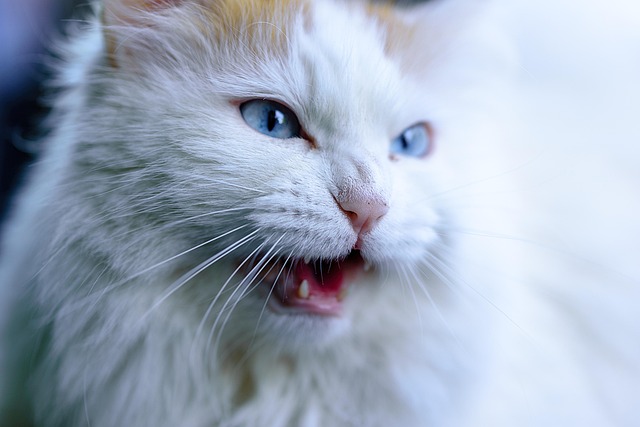
Beyond the Mouth: Respiratory and Neurological Links
In some cases, a cat sticking its tongue out can be linked to more serious underlying medical conditions affecting the respiratory or neurological systems. Difficulty breathing due to nasal congestion, asthma, or other respiratory ailments might cause a cat to keep its mouth open and tongue slightly extended in an effort to maximise air intake.
Neurological issues, such as seizures, head trauma, or nerve damage, can also affect the muscles controlling the tongue and jaw, leading to an inability to retract the tongue properly. Other symptoms like lethargy accompanies if the tongue-sticking behaviour, disorientation, weakness, changes in gait, or uncontrolled twitching, it’s imperative to seek veterinary care immediately. As of May 2026, diagnostic tools such as physical examinations, blood work, and imaging can help veterinarians pinpoint the cause.
The Impact of Medications
Certain medications can have side effects that manifest as changes in a cat’s oral behaviour, including sticking their tongue out. Some drugs, particularly those used for sedation or pain management, can cause temporary muscle relaxation or affect the cat’s awareness, leading to the tongue protruding slightly.
If your cat has recently started a new medication and you’ve noticed this behaviour change, consult your veterinarian. They can advise whether the tongue-sticking is a known side effect, if it’s likely to be temporary, or if an alternative medication might be more suitable. Never stop or alter a medication regimen without professional veterinary guidance.
When to Consult Your Veterinarian
While occasional tongue-sticking is normal, certain signs warrant a prompt visit to the vet. Persistent protrusion, an inability to retract the tongue, excessive drooling, bad breath, difficulty eating or drinking, changes in vocalization, pawing at the mouth, or any accompanying signs of distress or illness (like lethargy, vomiting, or breathing difficulties) should not be ignored.
Your veterinarian will conduct a thorough physical examination, paying close attention to your cat’s oral cavity, teeth, gums, and overall health. Diagnostic tests may include dental X-rays, blood work, or even neurological assessments, depending on the suspected cause. Early diagnosis and intervention are key to ensuring your feline companion’s well-being and comfort.
Practical Tips for Cat Owners
As a responsible cat owner, you can take several steps to ensure your cat is healthy and comfortable:
- Regular Health Checks: Schedule annual (or biannual for senior cats) veterinary check-ups to catch potential issues early.
- Dental Care: Introduce dental hygiene practices, such as brushing your cat’s teeth with pet-specific toothpaste or providing dental treats, as recommended by your vet.
- Observe Behaviour: Pay attention to your cat’s habits. Note any changes in their behaviour, including how often and in what circumstances they stick their tongue out.
- Provide a Cool Environment: Ensure your cat has access to cool, shaded areas and fresh water, especially during warmer months.
- Monitor Diet: Offer a balanced diet and observe for any issues with eating or drinking that might indicate oral discomfort.
Frequently Asked Questions
Why does my cat stick its tongue out when sleeping?
When a cat is deeply relaxed during sleep, their jaw and tongue muscles can loosen, causing the tongue to slip out slightly. This is typically a sign of comfort and contentment.
Is it normal for a cat to leave its tongue out after grooming?
Yes, it’s quite common. Cats can sometimes forget to retract their tongue fully after an intense grooming session or if they’re distracted. It’s usually a temporary and harmless behaviour.
My cat’s tongue is sticking out constantly, what does it mean?
Constant tongue protrusion is concerning. It can indicate serious issues like dental disease, neurological problems, respiratory distress, or injury. A veterinary examination is urgently needed.
Can stress make a cat stick its tongue out?
While not a primary sign of stress, some cats might exhibit unusual behaviours when stressed. If tongue-sticking occurs alongside other stress indicators like hiding, changes in appetite, or aggression, it could be related.
What is the Flehmen response in cats?
The Flehmen response is a behaviour where cats curl their upper lip and extend their tongue to help them analyse via the oronasal organ. It allows them to gather more detailed information about smells.
How can I help my cat if it’s sticking its tongue out due to heat?
Ensure your cat has access to plenty of fresh, cool water and a shaded, cool environment. Avoid strenuous activity in hot weather. If signs of overheating persist or worsen, seek veterinary help.
A Final Flick of the Tongue
Observing your cat sticking its tongue out can offer valuable insights into their well-being. From the intriguing Flehmen response to simple relaxation, this behaviour is often just a charming feline quirk. However, by remaining vigilant and understanding the potential health implications, you can ensure your cat’s comfort and prompt veterinary care when needed.
Last reviewed: May 2026. Information current as of publication; pricing and product details may change.
Editorial Note: This article was researched and written by the Pet Magazine editorial team. We fact-check our content and update it regularly. For questions or corrections, contact us. Knowing how to address cat sticking tongue out early makes the rest of your plan easier to keep on track.
Related read: Cat Vomiting White Foam: When to Worry and What It Means 2026.
Related read: Cats in a Ball: Understanding This Peculiar Feline Behaviour.
Related read: Fancy Feast Dry Cat Food: A 2026 In-Depth Look.