exacerbate health concerns.
A Unique Look and Distinct Variations
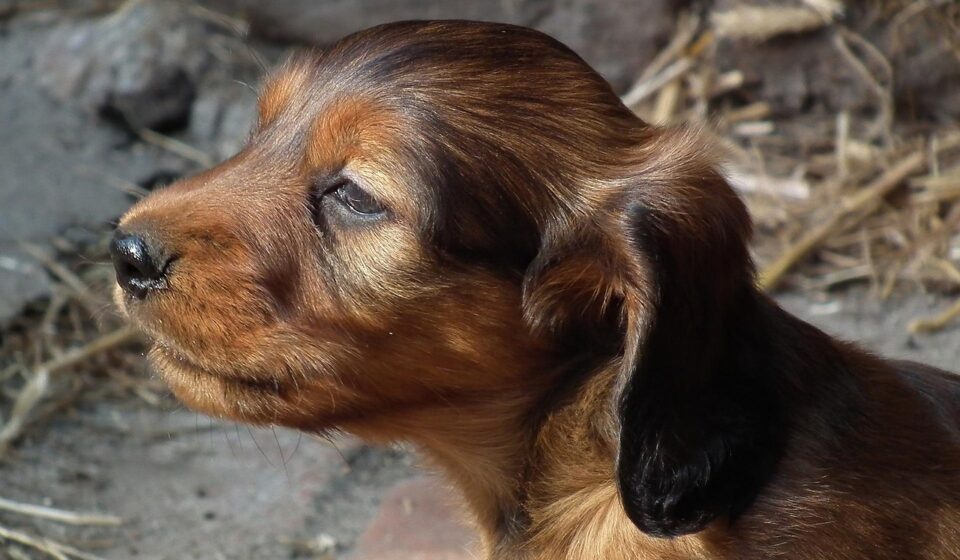
The most striking feature of the Dachshund is undeniably its elongated body and disproportionately short legs. This physical characteristic, known as achondroplasia, was deliberately bred to allow them to navigate underground burrows while hunting. This unique anatomy gives them their characteristic ‘low-rider’ appearance.
Last updated: June 5, 2026
Beyond their body shape, Dachshunds come in two sizes: standard and miniature. The standard size typically weighs between 16 to 32 pounds (7 to 14.5 kg), while the miniature, bred for smaller prey like rabbits, weighs under 11 pounds (5 kg). Both sizes share the same fundamental temperament and care needs, though miniatures may require slightly less food and space.
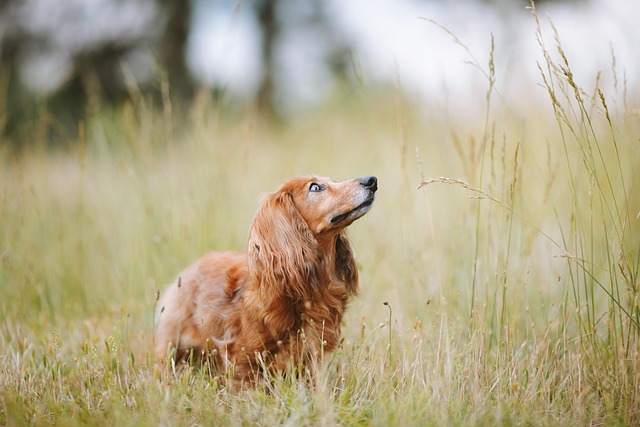
Keep in mind the three distinct coat types, each offering a different aesthetic and grooming commitment:
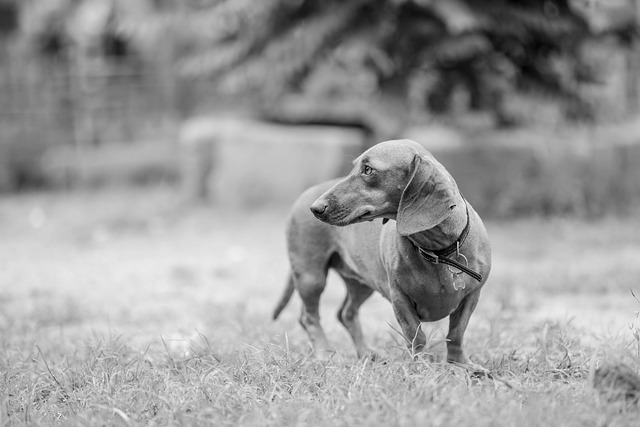
- Smooth-haired: This coat is short, dense, and shiny, requiring minimal grooming. A quick brush once a week is usually sufficient to keep it looking its best.
- Wire-haired: Characterised by a harsh, thick, and coarse outer coat with a softer undercoat, this variety needs regular brushing and occasional stripping to maintain its texture and remove loose hair. The wiry coat often gives them a more ‘dishevelled’ or rugged appearance.
- Long-haired: Possessing a sleek, slightly wavy coat, this type requires more frequent grooming to prevent matting, especially around the ears, legs, and tail. Daily brushing is often recommended.
These coat variations also come in a wide array of colours and patterns, from solid reds and blacks to dapples (merle), piebalds (white patches), brindles, and more, making each Dachshund a unique individual.
Temperament and Personality: A Bold Spirit in a Small Package
Don’t let their small stature fool you; Dachshunds are renowned for their courageous, curious, and often quite stubborn personalities. They were bred to be tenacious hunters, and this independent spirit carries through to their domestic life. This means training can sometimes be a delightful challenge.
This breed is known for being intelligent, lively, and playful. They often form very strong bonds with their primary caregiver, sometimes displaying a degree of possessiveness. While they can be affectionate and devoted family pets, their hunting instincts mean they may have a strong prey drive and can be prone to digging and barking. Their alert nature makes them surprisingly good watchdogs, quick to alert their owners to any perceived intruder or unusual sound with a surprisingly loud bark.
A common misconception is that Dachshunds are universally good with children. While they can be loving companions to older, respectful children, their long backs make them vulnerable to injury if handled roughly. Younger children may not understand how to interact gently with a Dachshund, and the dog’s sensitive nature might lead to them being nippy if they feel threatened or handled poorly. Early socialisation and teaching children how to interact appropriately are crucial.
Their intelligence means they thrive on mental stimulation. Puzzle toys and training games are excellent ways to keep their minds engaged and prevent boredom, which can sometimes lead to destructive behaviours. They often have a mischievous streak and enjoy exploring their surroundings with enthusiasm.
Health Concerns and Longevity
The Dachshund’s distinctive physique, while charming, predisposes them to certain health conditions. The most significant concern is back problems, particularly Intervertebral Disc Disease (IVDD). This condition affects the discs between the vertebrae, which can lead to pain, nerve damage, and in severe cases, paralysis. According to veterinary studies, Dachshunds are one of the breeds most at risk for IVDD, with some estimates suggesting up to 25% of Dachshunds may experience back issues in their lifetime.
To minimise the risk of IVDD and other back-related injuries, it’s crucial to manage their weight carefully to prevent obesity, which puts extra strain on their spine. Owners should also discourage activities that involve jumping from heights, such as off furniture, and avoid excessive stair climbing. Using ramps or pet steps can be beneficial. Regular, moderate exercise is important for maintaining muscle support around the spine.
Other health issues that can affect Dachshunds include:
- Progressive Retinal Atrophy (PRA): A degenerative eye condition that can lead to blindness. Responsible breeders screen for this genetic condition.
- Patellar Luxation: A common problem in small breeds where the kneecap dislocates.
- Dental Issues: Small breeds are prone to overcrowding of teeth and periodontal disease. Regular dental care is essential.
- Allergies: Skin allergies are not uncommon and can manifest as itching, redness, and hair loss.
With proper care, diet, and preventative measures, Dachshunds can enjoy a good quality of life. The typical Dachshund lifespan is between 12 to 16 years, with many living well into their teens. According to the American Kennel Club (AKC) as of 2026, this impressive longevity is a testament to their resilience when their specific needs are met.
Care and Grooming Needs
Caring for a Dachshund involves meeting their specific physical and behavioural needs. Their grooming requirements vary significantly depending on their coat type. Smooth-haired Dachshunds are low-maintenance, needing only a weekly brush with a soft bristle brush or grooming mitt to remove loose hair and distribute natural oils. Wire-haired Dachshunds benefit from weekly brushing with a slicker brush, and their wiry coat may require professional hand-stripping a couple of times a year to maintain its texture, or regular trimming.
Long-haired Dachshunds require the most grooming attention. Daily brushing is often necessary to prevent tangles and mats, especially in areas like the feathering on their legs, ears, and tail. Regular trims might also be needed to keep their coat neat and manageable. All coat types benefit from occasional baths as needed, using a dog-specific shampoo.
Nail trimming is essential for all Dachshunds. Overgrown nails can cause discomfort, affect their gait, and contribute to foot and leg problems. If you can hear their nails clicking on the floor, they are likely too long. Teeth brushing should be a regular part of their routine to prevent dental disease, ideally several times a week.
Ear cleaning is also important, particularly for the long-haired varieties, as their floppy ears can trap moisture and debris, leading to infections. Gently clean the outer ear with a veterinarian-approved ear cleaner and a soft cloth, ensuring not to probe too deeply into the ear canal.
Exercise and Dietary Considerations
Dachshunds are active dogs that require regular, moderate exercise to stay healthy and happy. Due to their long backs, high-impact activities like jumping from significant heights or vigorous, repetitive running on hard surfaces should be avoided. Daily walks, typically two 15-30 minute strolls, are usually sufficient to meet their exercise needs. They also enjoy playing fetch in a securely fenced yard or engaging in indoor games that stimulate their minds.
Their exercise routine should be tailored to their physical limitations. Shorter, more frequent walks are often better than one long, strenuous one. Mental stimulation is just as important as physical activity. Engaging them with training sessions, puzzle toys, or scent games can help prevent boredom and keep their sharp minds occupied.
Diet is critically important for Dachshunds, primarily to manage their weight and prevent the exacerbation of back issues. As of 2026, veterinary nutritionists recommend a high-quality dog food appropriate for their life stage (puppy, adult, senior). Portion control is key; overfeeding can quickly lead to obesity, which significantly increases the risk and severity of spinal problems and other health issues. It’s advisable to feed them measured meals twice a day rather than allowing free-feeding.
Consulting with your veterinarian about the best diet and portion sizes for your individual Dachshund is always recommended. They can provide guidance based on your dog’s age, activity level, and any specific health conditions. Treats should be given in moderation and factored into their daily caloric intake.

Worth noting, Dachshunds can be prone to certain digestive sensitivities, so choosing a food with easily digestible ingredients might be beneficial. If you notice any changes in appetite, digestion, or stool consistency, a vet consultation is in order.
Training and Socialisation
Training a Dachshund requires patience, consistency, and positive reinforcement. Their intelligence is undeniable, but their independent and sometimes stubborn nature can make them challenging pupils. They respond best to methods that are engaging and rewarding, such as clicker training, praise, and small, high-value treats. Harsh punishment or inconsistent training will likely be counterproductive.
Early socialisation is paramount. Exposing young Dachshund puppies to a variety of sights, sounds, people, and other well-behaved animals in a positive and controlled manner helps them grow into well-adjusted, confident adults. Without proper socialisation, they can become timid, fearful, or overly reactive to new experiences.
House-training can sometimes be a slow process for Dachshunds. Their strong will means they may need more consistent reinforcement and patience than some other breeds. Establishing a routine for potty breaks, rewarding success immediately, and cleaning up accidents thoroughly are key strategies. Some owners find puppy pads or crate training helpful during this phase.
Leash training is also important. Dachshunds have a natural instinct to chase, so a secure leash and collar or harness are essential when outside. They should be taught to walk politely on a leash without pulling, a skill that can be reinforced through consistent training sessions. Remember to use a harness that distributes pressure evenly, avoiding anything that puts undue stress on their long backs.
Dachshunds as Family Pets
Dachshunds can make wonderful, devoted companions for the right families. Their loyalty and affectionate nature mean they often become deeply bonded with their owners. They tend to be playful and enjoy being involved in family activities. Their relatively small size makes them suitable for apartment living, provided they receive adequate exercise and mental stimulation.
However, their suitability as family pets depends on several factors. As mentioned, their delicate backs mean they are not always the best choice for households with very young children or for owners who can’t commit to managing their physical limitations. Their tendency to bark can also be a consideration in close-living situations like apartments or townhouses if not managed through training.
The wrinkle here is that their strong prey drive means they may not be suitable for homes with small pets like hamsters, rabbits, or even cats, unless introduced carefully and raised together from a very young age. Their hunting heritage means they might view smaller, fast-moving creatures as prey.
Potential owners should also consider the breed’s vocal nature. Dachshunds are not shy about using their voice to express excitement, alert their owners to visitors, or voice their displeasure. This can be managed with training, but it’s an inherent trait of the breed.
A Look at Dachshund Mixes
Dachshund mixes, often referred to as ‘Doxie mixes’ or ‘designer dogs,’ are increasingly popular. These crossbreeds can inherit a unique blend of traits from both parent breeds, making their temperament, appearance, and health profile a fascinating mix. For example, a Dachshund-Poodle mix (often called a “Doxiepoo” or “Pomsky”) might combine the Dachshund’s distinctive body with the Poodle’s intelligence and hypoallergenic coat.
A Dachshund-Chihuahua mix (sometimes called a “Chiweenie”) often results in a small, spirited dog that can be quite vocal and possessive. A Dachshund-Beagle mix might inherit the Beagle’s scent-tracking abilities and friendly disposition. It’s important to research the specific crossbreed to understand the potential characteristics and health concerns that might arise.
One of the challenges with mixed breeds is that their traits can be less predictable than those of purebred dogs. While some owners seek out mixes for perceived hybrid vigour (improved health due to genetic diversity), it’s essential to remember that they can still inherit health issues from either parent breed. For instance, a Dachshund-mix may still be prone to back problems or other breed-specific conditions.
When considering a Dachshund mix, it’s advisable to meet the parents if possible, or at least speak with the breeder about the characteristics of both breeds involved. Responsible breeders will be transparent about potential health risks and temperament traits.
Finding Your Dachshund: Adoption and Purchase
If you’ve decided a Dachshund is the right dog for you, the next step is finding one. You have two primary avenues: adoption from a rescue organisation or purchasing from a reputable breeder.
Adopting a Dachshund from a breed-specific rescue or a general animal shelter can be an incredibly rewarding experience. Many wonderful Dachshunds of all ages are looking for loving homes. Adoption fees are typically much lower than the cost of purchasing from a breeder, and rescue organisations often provide health checks, vaccinations, and spaying/neutering as part of the fee. You’ll also be giving a deserving dog a second chance. As of June 2026, sites like Adoptapet.com list numerous Dachshunds available for adoption across various locations.
If you choose to purchase a Dachshund puppy from a breeder, it’s vital to select a responsible and ethical one. A good breeder will be knowledgeable about the breed, willing to answer your questions, and transparent about health testing their dogs. They should allow you to visit their premises, meet the puppies and their parents, and will likely have a waiting list for healthy, well-socialised puppies. Be wary of breeders who seem more interested in making a quick sale than ensuring the well-being of their dogs or who can’t provide health clearances for the parents. Prices for Dachshund puppies from reputable breeders can range significantly, but as of 2026, expect to pay anywhere from $500 to $2,500 or more, depending on lineage, location, and breeder reputation.
Common Dachshund Mistakes to Avoid
Potential Dachshund owners sometimes make common mistakes that can impact their dog’s health and happiness. One of the most significant is underestimating the breed’s need for consistent training and socialisation. Because they are small, some owners mistakenly believe these aspects are less important, leading to behavioural issues like excessive barking, stubbornness, or fearfulness.
Another common error is not taking sufficient precautions to protect their delicate backs. Allowing them to jump on and off furniture repeatedly, carrying them improperly, or not managing their weight can lead to severe spinal injuries. Investing in ramps, pet stairs, and ensuring a healthy weight are simple yet crucial preventative measures.
Feeding them table scraps or allowing them to become overweight is another pitfall. Their tendency towards obesity can quickly compound back problems and lead to other health issues. Sticking to a measured diet and healthy treats is vital. Finally, not understanding their prey drive can lead to issues with smaller pets or unexpected escapes when off-leash, so secure fencing and proper leash training are essential.
Tips for a Happy Dachshund Life
To ensure your Dachshund lives a long, happy, and healthy life, focus on these key best practices. Prioritise their physical well-being by managing their diet and exercise meticulously to prevent obesity and protect their spine; ramps and avoiding high jumps are non-negotiable. Provide consistent, positive reinforcement training from an early age, and commit to socialisation to foster a well-adjusted temperament. Ensure their coat type receives appropriate grooming, whether it’s daily brushing for long-hairs or occasional stripping for wire-hairs.
Beyond the basics, engage their sharp minds with puzzle toys and training games to prevent boredom and destructive behaviours. Be mindful of their vocal tendencies; while they make great watchdogs, manage excessive barking through training. Finally, provide them with plenty of affection and inclusion in family activities – they are devoted companions who thrive on attention and being part of the pack.
For those interested in dog sports, Dachshunds can excel in activities like agility (with modifications for their build), earthdog trials, and obedience, showcasing their intelligence and drive. It’s about finding activities that suit their unique physical capabilities and enthusiastic spirit.
Frequently Asked Questions About Dachshunds
Are Dachshunds good with children?
Dachshunds can be good with older, respectful children who understand how to interact gently. However, their long backs make them vulnerable to injury if handled roughly, and they may not tolerate boisterous play. Early socialisation and teaching children proper interaction are vital.
How much exercise does a Dachshund need?
Dachshunds require moderate daily exercise, typically two short walks of 15-30 minutes each. They also enjoy indoor play and mental stimulation. High-impact activities and excessive stair climbing should be avoided to protect their backs.
What are the biggest health problems for Dachshunds?
The most significant health concern is Intervertebral Disc Disease (IVDD), affecting their spine. Other common issues include PRA (eye condition), patellar luxation (kneecap dislocation), and dental problems. Weight management is crucial for preventing many of these issues.
How long do Dachshunds typically live?
With proper care, diet, and regular veterinary attention, Dachshunds typically have a lifespan of 12 to 16 years. Some live even longer, well into their late teens, especially if kept healthy and active.
Are Dachshunds easy to train?
Dachshunds are intelligent but can be stubborn and independent. Training requires patience, consistency, and positive reinforcement methods like treats and praise. House-training and leash training may require extra effort.
Do Dachshunds shed a lot?
Shedding varies by coat type. Smooth-haired Dachshunds shed moderately year-round. Long-haired Dachshunds shed moderately as well. Wire-haired Dachshunds tend to shed the least, with much of their shedding occurring during grooming.
Conclusion: A Unique Companion for the Dedicated Owner
The Dachshund, with its unmistakable silhouette and bold personality, offers a unique companionship experience. They are loyal, spirited, and can bring immense joy to their families. However, their specific needs – particularly regarding their delicate backs, potential health issues, and training requirements – mean they are best suited for dedicated owners who can provide consistent care, management, and affection. Understanding these facets is key to ensuring a long, healthy, and happy life together.
Last reviewed: June 2026. Information current as of publication; pricing and product details may change.
Editorial Note: This article was researched and written by the Pet Magazine editorial team. We fact-check our content and update it regularly. For questions or corrections, contact us.