ickens. Research increasingly shows they possess complex social structures, can recognise over 100 individuals (both human and animal), and demonstrate problem-solving skills. They communicate through a variety of vocalizations, each with a specific meaning, and form strong bonds within their flock. This social nature means chickens thrive when kept in groups, ideally of at least three, to prevent loneliness and stress.
Last updated: July 20, 2026
A common misconception is that chickens are simple, unintelligent farm animals. In reality, they display emotions like fear, excitement, and even boredom. Understanding these traits is key to providing a enriching environment. For instance, providing dust-bathing areas isn’t just for cleanliness; it’s a natural behaviour that helps them manage parasites and feel secure.

Crafting the Perfect Chicken Haven
The foundation of successful chicken keeping is a well-designed coop. It needs to be predator-proof, offering protection from foxes, weasels, birds of prey, and even domestic dogs. As of 2026, the market offers a wide range of pre-fabricated coops, but a custom build can be tailored precisely to your needs. A general rule of thumb is to provide at least 2-4 square feet of coop space per chicken indoors, and 8-10 square feet of outdoor run space.
Ventilation is critical, but drafts must be avoided, especially in cooler climates. Roosting bars should be placed higher than nesting boxes to encourage natural roosting behaviour and prevent soiling of the nesting areas. Nesting boxes, typically one for every three to four hens, should be cozy and private, filled with clean bedding like straw or pine shavings. Worth noting, many modern coop designs incorporate features like easy-clean trays and external access to nest boxes, simplifying daily chores.
Fueling Your Flock: Diet and Nutrition
A balanced diet is the cornerstone of a healthy chicken flock, impacting everything from egg production to disease resistance. Chickens require a complete feed formulated for their specific age and purpose. Starter feeds (0-6 weeks) have higher protein levels for growth, grower feeds (6-18 weeks) are intermediate, and layer feeds (18+ weeks) contain essential calcium and lower protein for egg-laying hens. According to the American Association of Avian Veterinarians (2025), failure to provide adequate calcium is a leading cause of laying hens developing soft shells or egg-binding.
Supplementing with kitchen scraps can be a rewarding part of keeping chickens, but it must be done mindfully. Avoid feeding moldy food, avocado pits, citrus in large quantities, or raw beans, as these can be toxic. Leafy greens, fruits, and vegetable scraps are generally well-received. Grit, small stones that aid digestion in their gizzards, is also essential, especially for birds that don’t free-range and have limited access to natural grit. Providing oyster shell separately allows hens to self-regulate their calcium intake for optimal eggshell quality.
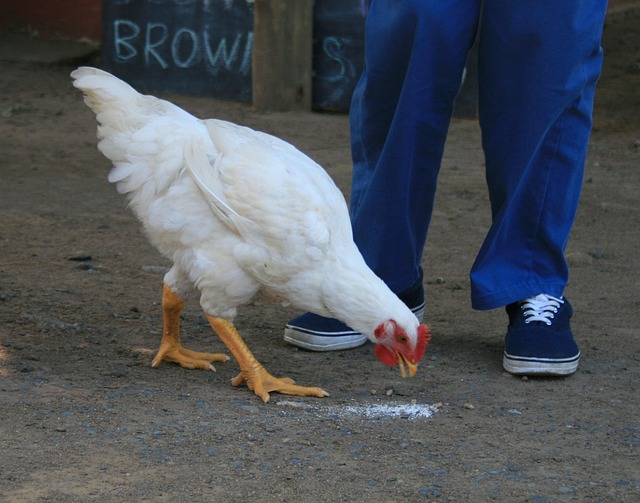
Decoding Chicken Communication and Social Dynamics
Observing your chickens’ behaviour can provide valuable insights into their well-being and social dynamics. The pecking order, a hierarchical social structure, is natural and generally stable, but changes can occur with new additions to the flock or stress. Signs of bullying or stress include excessive feather picking, lethargy, or reluctance to enter the coop.
Vocalizations are a key part of chicken communication. A loud, repetitive ‘cluck’ might signal alarm, while soft, contented murmurs indicate happiness. Egg-laying songs are distinctive and often prolonged calls of satisfaction. Understanding these cues helps owners intervene if a chicken is being ostracized or is unwell. The wrinkle here is that a seemingly ‘quiet’ chicken might be a sign of distress or illness, rather than just a calm temperament.
Keeping Your Flock Healthy: Common Issues and Prevention
While generally hardy, chickens can be susceptible to various health issues. Parasites, both internal (worms) and external (mites, lice), are common. Regular coop cleaning, providing dust baths, and observing birds for signs of infestation (e.g., pale combs, feather loss, reduced appetite) are crucial preventative measures. For external parasites, a fine-toothed comb or specific poultry dust can be effective. Internal parasites often require deworming treatments, which should be administered based on a veterinarian’s recommendation or faecal testing.
Respiratory infections, often caused by poor ventilation or stress, can manifest as sneezing, discharge, or labored breathing. Ensuring a clean, dry, and well-ventilated coop is the best defense. Avian influenza remains a concern globally, and owners should stay informed about local biosecurity recommendations from agricultural authorities. As of July 2026, many avian vets recommend maintaining strict hygiene protocols and limiting contact with wild birds to minimise risk. Early detection of lethargy, changes in droppings, or unusual behaviour is vital for addressing any health concerns promptly.

Selecting Your Flock: Popular Chicken Breeds
The world of chicken breeds is vast, each with unique characteristics in temperament, egg-laying ability, and appearance. For beginners, hardy and docile breeds are often recommended. The Australorp is known for its exceptional egg-laying capacity and calm disposition, often producing up to 300 brown eggs per year. Plymouth Rocks are another excellent choice, being friendly, strong, and reliable layers of brown eggs.
For those seeking colorful eggs, Ameraucanas or Easter Eggers are popular choices, laying eggs in shades of blue and green. If space is limited, smaller breeds like the Silkie, with its fluffy plumage and gentle nature, can adapt well to confinement and make delightful pets. Keep in mind that while many breeds are hardy, specific climates might favour certain types; for example, breeds with larger combs might be more prone to frostbite in very cold regions.
Urban Chickens: Navigating Regulations and Neighbours
Before bringing chickens home, it’s essential to check local bylaws and council regulations regarding backyard poultry. Many urban and suburban areas have restrictions on the number of birds allowed, whether roosters are permitted (due to noise), and coop placement relative to property lines. As of July 2026, more municipalities are adopting more permissive policies, recognising the growing interest in urban farming and sustainable living.
Open communication with neighbours is also key to a harmonious flock. A well-maintained coop, proper odor control, and ensuring your chickens don’t become a nuisance (e.g., escaping fences) can prevent potential conflicts. Educating neighbours about the benefits of chickens and addressing any concerns proactively can foster goodwill and ensure your backyard flock is a welcome addition to the community.
More Than Just Egg Machines: Chickens as Companions
The true joy of keeping chickens often lies in their individual personalities. Some are bold explorers, others are shy observers, and many enjoy interacting with their human caregivers. They can learn to respond to their names, follow their owners around, and even enjoy gentle handling. For families, chickens offer a fantastic opportunity to teach children about animal care, responsibility, and the natural world.
The experience of collecting warm eggs daily, watching chicks hatch (if you choose to breed), or simply observing the flock’s daily routines can be incredibly therapeutic. In real terms, integrating chickens into your life is about more than just a food source; it’s about building a relationship with these fascinating, feathered friends. Their presence can add a unique vibrancy and connection to the natural world to any home.
Information current as of July 2026; pricing and product details may change.
Frequently Asked Questions
What is chickens?
chickens is a topic that many people search for.
Why does chickens matter?
Understanding chickens helps you make better decisions. Whether you’re a beginner or have some experience, staying informed on this topic is genuinely useful.
Where can I learn more about chickens?
We recommend checking authoritative sources and official websites for the most current information.
Source: Britannica
Editorial Note: This article was researched and written by the Pet Magazine editorial team. We fact-check our content and update it regularly. For questions or corrections, contact us.
Related read: Black and White Names for Pets: A 2026 Guide
Related read: Angora Breeds: A 2026 Guide to Their Unique Wool and Care
Related read: Pet Care Advice: Budget-Savvy Tips for Happy Companions in 2026.